
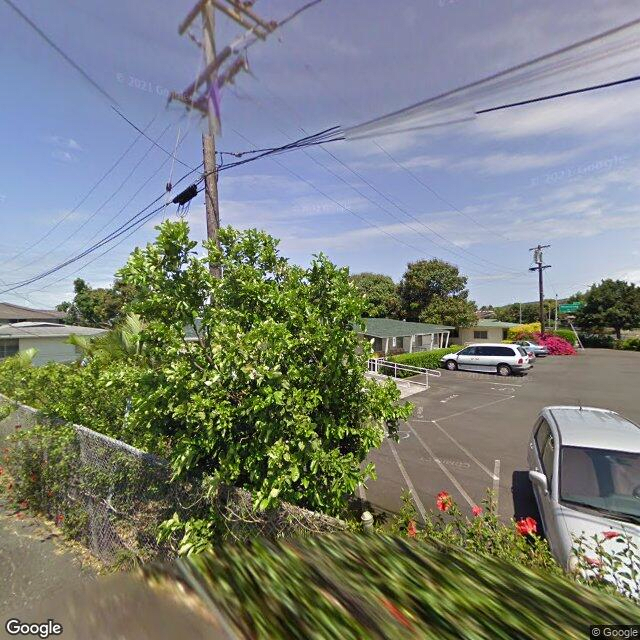
525 Kiapu Place, Honolulu, HI 96817
For more information about senior living options: (866) 208-4318
Overall Review of Korean Care Home
Pros
 The Korea Senior Ukulele Club delivered a lively and polished set of performances on July 22, 2019.
- They demonstrated strong musicality and tight coordination.
- The ensemble created an engaging, warm atmosphere for the audience.
- Their performances showcased teamwork and dedication.
- The group left a memorable and cheerful impression on that day.
Review
This community is best suited for Korean-speaking seniors in Honolulu who want a culturally familiar living environment and a strong emphasis on social connection. It appeals to families seeking language-congruent staff, shared customs, and regular group activities that reinforce a sense of belonging. For residents who prize living among peers who share a cultural background and who want ongoing musical, social, and community programming, this setting can feel like a natural extension of home, rather than a distant institution.
Those who should consider alternatives include families prioritizing a robust clinical footprint or highly transparent care metrics. If memory care, complex medical management, physical rehabilitation, wound care, or strict staffing safeguards are non-negotiables, this facility may not yet provide the clearly documented clinical depth some families require. English-language access and a broader, more diverse activity calendar may also drive decisions for others, especially when balancing language comfort with a wider range of services and amenities.
The most evident strength, based on the information available and the rating profile, is a vibrant social and cultural program. The referenced ukulele performance by the Korea Senior Ukulele Club signals that residents have access to organized cultural activities and meaningful opportunities to participate with peers. This kind of performance-focused programming often translates into regular social interaction, reduced isolation, and a palpable sense of community. For families prioritizing daily life that feels active and purpose-driven, such offerings can be a decisive factor in quality of life.
Conversely, the limited publicly available detail creates a meaningful information gap. The reviews provide no concrete data on medical staffing levels, the scope of care offered (including memory care or rehabilitation), safety features, daily routines, input from residents on care quality, or pricing structures. Those gaps matter: without clear clinical metrics, prospective residents must lean on intangible impressions of warmth and engagement. The social strengths do offset some uncertainty by promising a livelier, more social experience, but they do not replace the need for transparent clinical capabilities when care needs intensify.
To make a well-informed decision, pursue a structured, disciplined evaluation. Schedule a live visit to observe how activities unfold, and specifically request a tour of living spaces, common areas, and any care areas. Ask for sample weekly schedules that show how residents spend their days, and request profiles of current staff, languages spoken, and turnover rates. Collect written details on services offered, care plans, care-team coordination, and pricing, including any ancillary costs. Compare with a few other Honolulu facilities that provide clearer clinical documentation, and check inspection records, licensing status, and references from current residents or families.
Bottom line: Korean Care Home in Honolulu presents a compelling choice for families valuing culture, language alignment, and robust social programming. It appears to deliver a warm, engaged community where residents can participate in meaningful activities and performances, which is a meaningful predictor of day-to-day satisfaction. However, it is not a universal remedy for all care needs. For seniors requiring well-documented clinical care, extensive memory-support options, or transparent operational metrics, it is prudent to broaden the search and assess alternatives in parallel. A carefully balanced comparison will reveal whether this community’s social vibrancy and cultural fit outweigh any gaps in clinical documentation for the individual situation.
 31 resident community capacity
 Assisted Living
 Board and Care Home
 Beauty salon
 Cable or satellite TV
 Dining room
 Fully furnished
 Garden
 Housekeeping services
 Kitchenette
 Move-in coordination
 Outdoor space
 Telephone
 Wi-Fi/high-speed internet available
 Honolulu International (4 miles away)
 24-hour call system
 Activities of daily living assistance
 Assistance with bathing
 Assistance with dressing
 Assistance with transfers
 Diabetes diet
 Meal preparation and service
 Medication management
 Mental wellness program
 Special dietary restrictions
 Transportation arrangement (medical)
 Transportation to doctors appointments



 Comprehensive Insights into Activities of Daily Living (ADLs) and Their Assessment
 Guiding Elderly Parents Who Refuse Assisted Living: 6 Practical Steps
 Your Comprehensive Guide to Luxury Assisted Living: Elevated Facilities, Amenities, and Costs