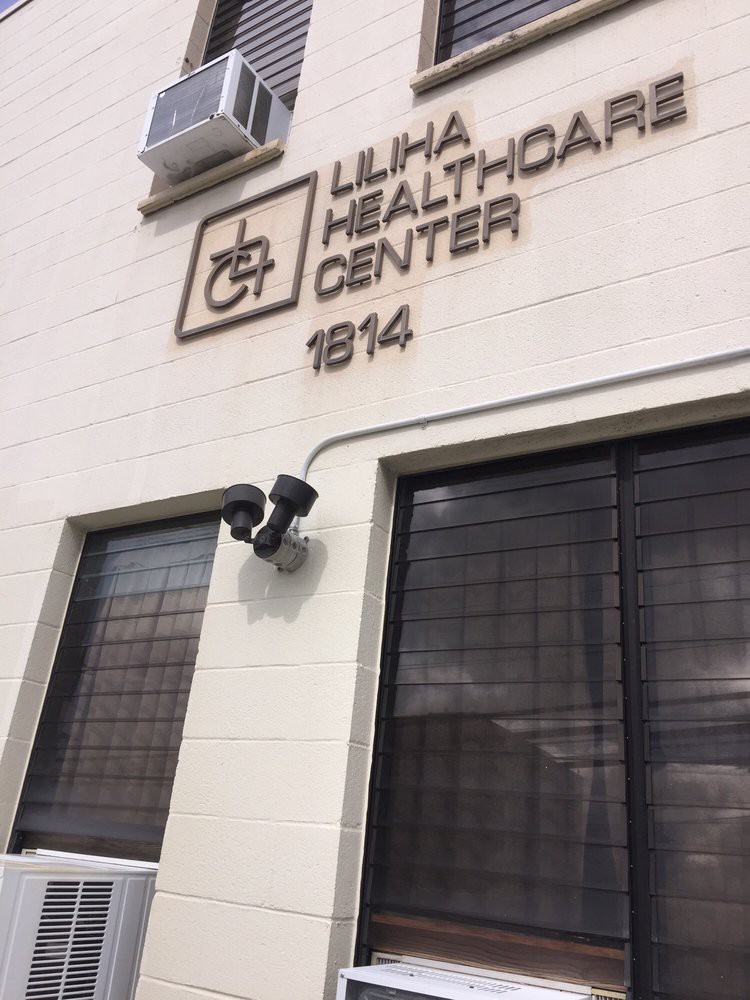





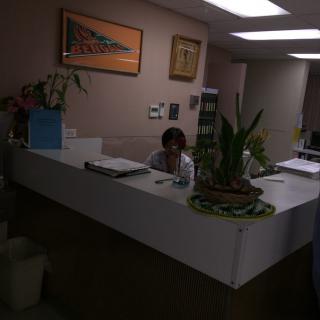

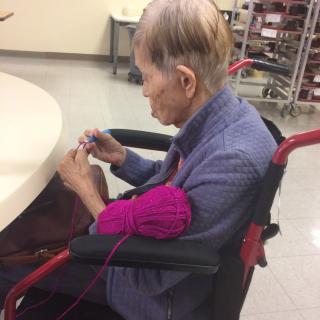
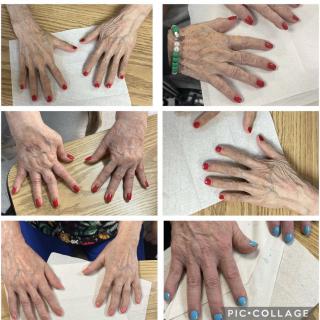

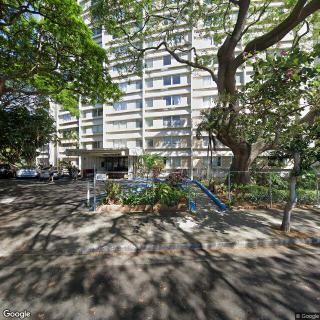
1814 Liliha Street, Honolulu, HI 96817
For more information about senior living options: (866) 208-4318
Overall Review of Liliha Healthcare Center
Pros
 Staff is fantastic.
- Ferlita, Rob, Gayle and the staff at Liliha are amazing; they provide such great care and service to their patients.
- The staff longevity shows how much they care for the seniors and the most vulnerable individuals; these staff members show compassion like no other and treat the residents like Ohana.
- The facility is a great place and the people are wonderful.
- The staff's dedication and compassion for residents is amazing, and their teamwork is truly incredible.
- The staff have worked at the same location for many years, demonstrating commitment and big hearts.
Cons
 The staff were grossly understaffed for the facility's capacity.
- Residents were not bathed properly and were not trained to use the toilet.
- The facility failed to address the arm injury and the weight-bearing plan before discharge.
- Beds are reserved for long-term insured residents; once their insurance is exhausted they discharge patients even with nowhere to go.
- Staff did not update contact numbers, making it hard to reach families.
- Nurses appeared annoyed and irritated when other patients wanted to get up or take a walk.
- The dorm-style rooms with four residents and the high number of deaths raised concerns about care quality.
- The facility was described as extremely abusive toward residents, with dirty conditions and incidents such as a nurse ripping out a resident’s dentures.
- Be cautious because residents with inconsistent visitors reportedly receive inadequate treatment.
- The facility reportedly contacted family members with lies and misinformation to control patients, their money, and their lives.
Review
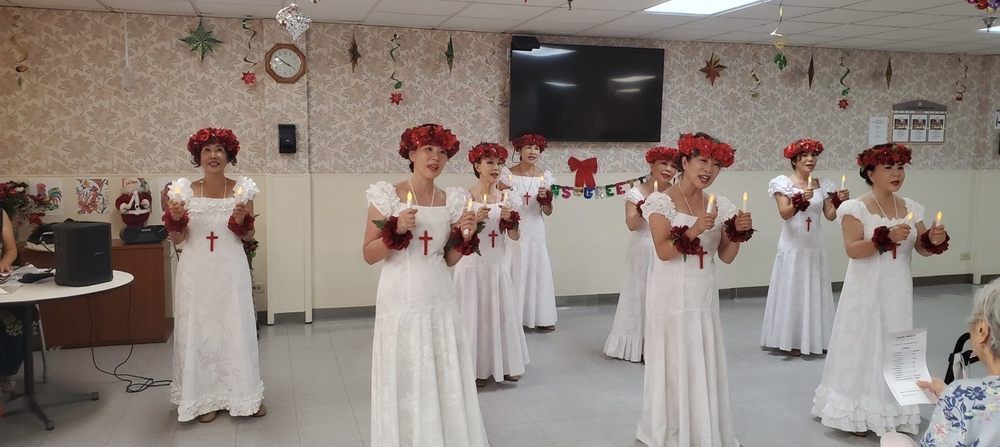
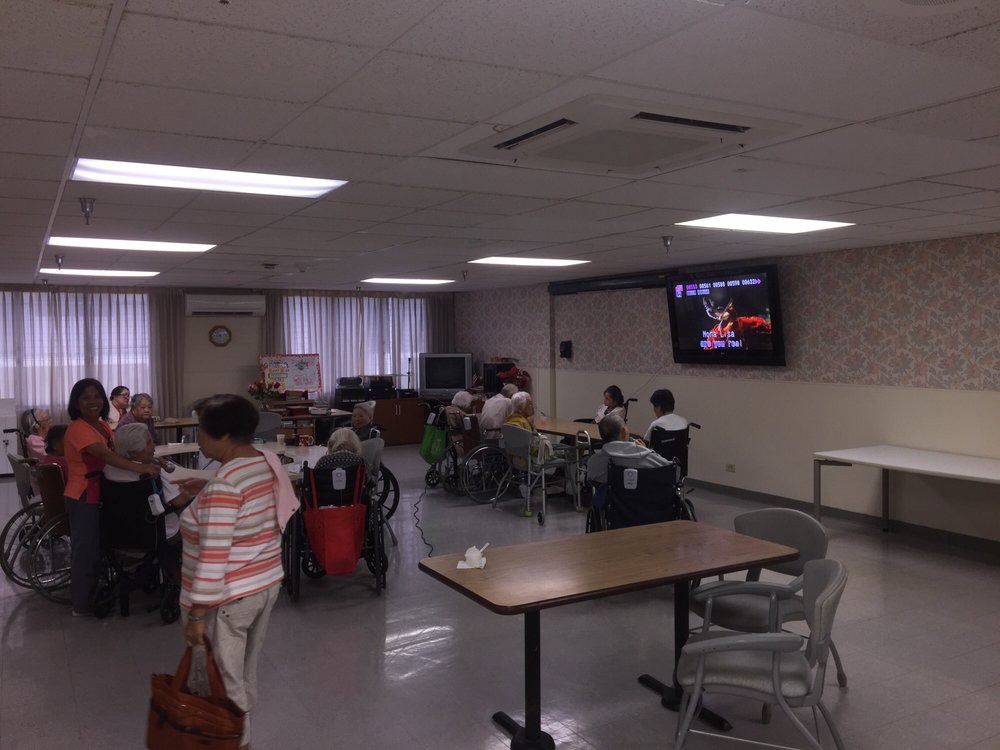
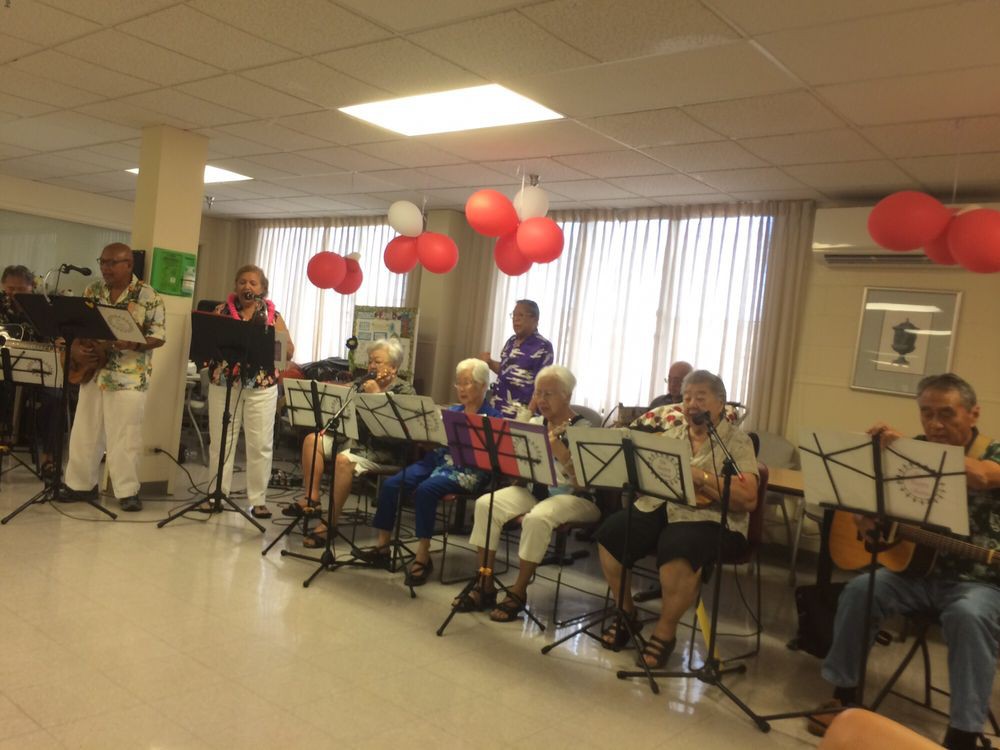
Liliha Healthcare Center is best suited for families that need reliable medical support and value a genuinely caring, “ohana” culture in a skilled-nursing setting. It works well for residents requiring ongoing medical aide, post-acute rehab, or dementia-related care where dedicated, long-tenured staff can provide daily continuity. The strongest appeal is the demonstrated devotion of many caregivers, with stories of staff who stay for years, cultivate warmth, and treat residents with real compassion. Those choosing this facility should accept that the trade-off can be a more utilitarian, dorm-style living environment and the realities of high-need care on a crowded floor.
Alternatives are worth considering for families prioritizing room privacy, aggressive pursuit of rehab goals, or more stringent controls around discharge and social-services coordination. Several reviews flag concerns that may steer families elsewhere: understaffing that affects basic daily tasks, timely bathing, and mobility training; mixed experiences with social services and communication; and aggressive discharge practices when funds or insurance run out. If a private room, a clearer care-care plan, or a stronger emphasis on ongoing functional improvement during a stay are nonnegotiables, exploring other options is prudent.
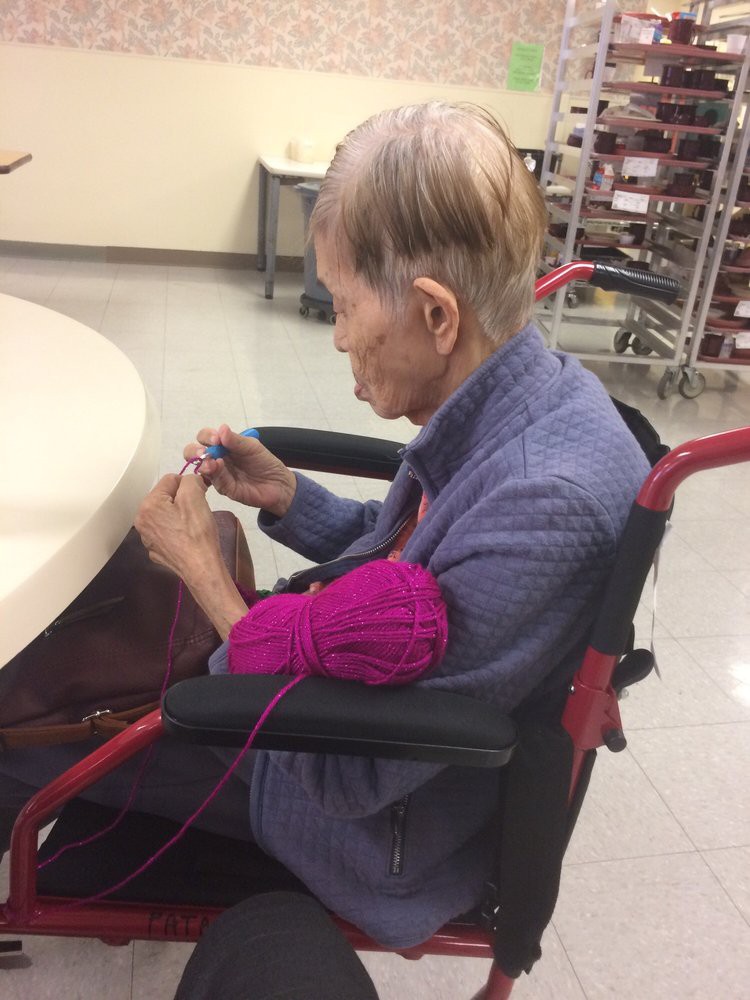
On the upside, the facility earns its keep through exceptional staff devotion. Multiple accounts praise the staff’s dedication, longevity, and teamwork, “Ohana” is not just a slogan but a lived culture, with CNAs and nurses described as having big hearts and a genuine willingness to help residents. When the same names recur in praise, and when caregivers point to years of service at the same site, it signals a stability that can translate into attentive, familiar care on difficult days. For families whose loved ones benefit from a steady, humane caregiving mindset, these strengths can meaningfully offset routine gaps in staffing levels.
Yet the negative threads cannot be ignored. Several reviews express alarm about inconsistent care, including lapses in bathing and hygiene, and questions about whether residents were prepared to return home or were discharged before full recovery. There are pointed criticisms of how social services operate, issues with communication, responsiveness, and even policies around bed availability and insurance-driven discharge. A few accounts go further, describing alleged abusive behavior and unsafe conditions. Taken together, these reviews establish a credible caution about relying on the facility without thorough corroboration and active oversight.
The key calculus for families is whether the care strengths align with risk tolerance. If the primary need is dependable medical support delivered by a seasoned, compassionate staff that understands the value of ongoing relationships, Liliha can deliver meaningful, everyday benefits. If, however, the resident requires highly predictable daily routines, rigorous rehab progress, or privacy and privacy-related peace of mind, the potential downsides may outweigh the benefits. The favorable staff dynamics can offset many day-to-day challenges, but systemic concerns, staffing consistency, discharge decisions, and social-services reliability, remain real risk factors that demand careful, proactive verification.
Prospective entrants should approach with a practical, hands-on evaluation plan. Schedule a face-to-face with administration and the charge nurse to learn current nurse-to-resident ratios, activity and therapy offerings, wound-care capabilities, and dementia-specific strategies. Ask to speak with several frontline staff and current residents or families about daily routines, bathing assistance, and how care is coordinated across shifts. Inquire about room configurations, dining options, and infection-control practices, though the latter is not the focus here, comfort with a dorm-style environment matters. Finally, request written details on discharge criteria, anticipated post-acute goals, and steps families can take if concerns arise. If those checks align with a concrete, well-supported plan and comfort with the care culture, Liliha Healthcare Center can be a strong fit; if not, alternatives with tighter control over care continuity and resident privacy warrant serious consideration.
 92 resident community capacity
 Skilled Nursing Facility
 Air-conditioning
 Beauty salon
 Cable or satellite TV
 Computer center
 Dining room
 Fitness room
 Fully furnished
 Gaming room
 Garden
 Housekeeping services
 Kitchenette
 Move-in coordination
 Outdoor space
 Private bathrooms
 Restaurant-style dining
 Small library
 Telephone
 Wellness center
 Wi-Fi/high-speed internet available
 Honolulu International (4 miles away)
 Community operated transportation
 12-16 hour nursing
 24-hour call system
 Activities of daily living assistance
 Assistance with bathing
 Assistance with dressing
 Assistance with transfers
 Diabetes diet
 Medication management
 Mental wellness program
 Special dietary restrictions
 Concierge services
 Planned day trips



 Recognizing the Journey: Understanding and Navigating Anticipatory Grief
 Encouraging Participation in Adult Day Care: A Guide to Supporting a Hesitant Parent
 Comprehensive Exploration of Living Wills and Other Advance Directives