


4389 Malia Street, Honolulu, HI 96821
For more information about senior living options: (866) 208-4318
Overall Review of Kāhala Nui
Pros
 Kahala Nui is beautiful and the staff are great.
 - Kahala Nui is regarded as the best retirement and advanced care community on Oahu, if not Hawaii.
- Kahala Nui is an exclusive retirement home for those who require the best in services and amenities.
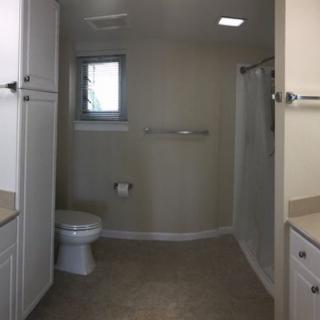
- The apartments offer spacious options, from one-bedroom to three-bedroom layouts.
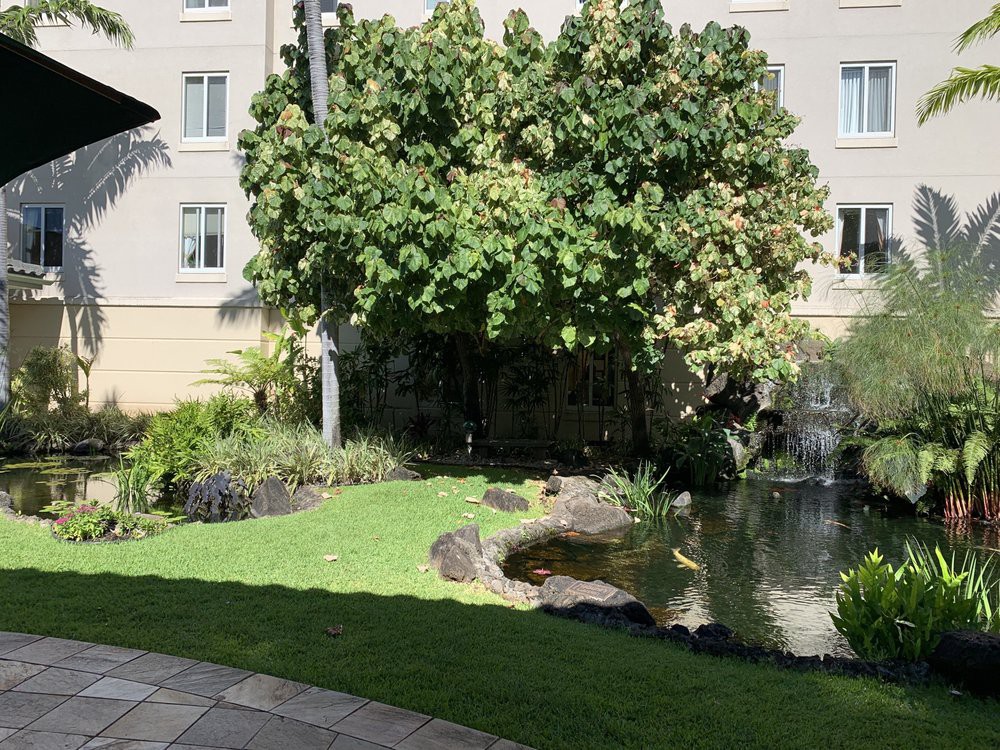
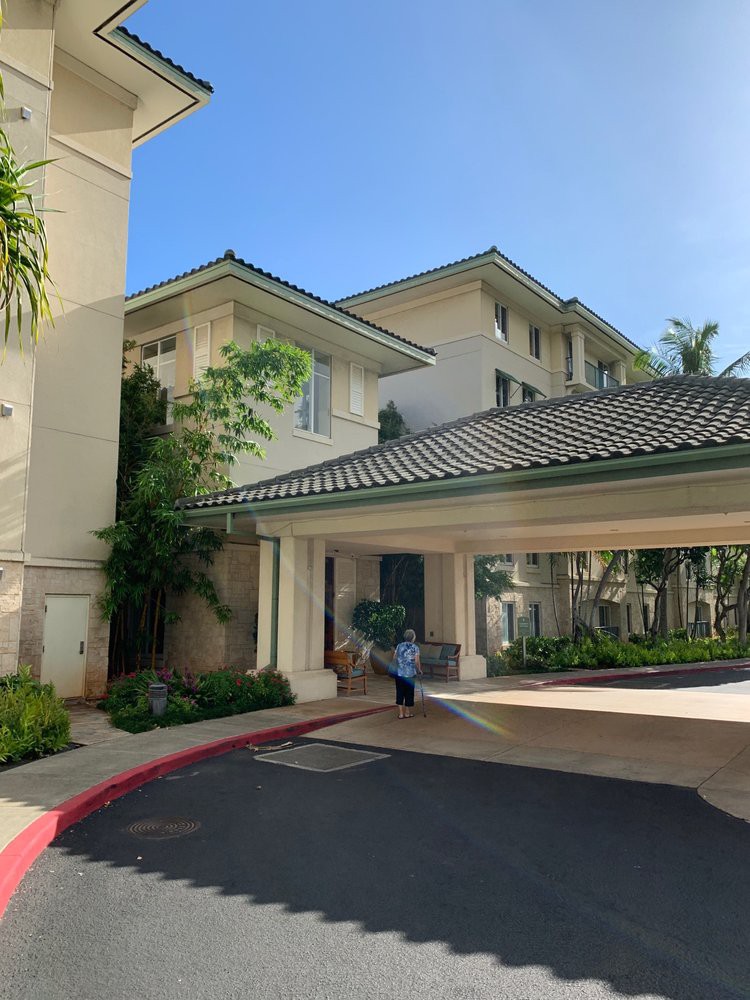
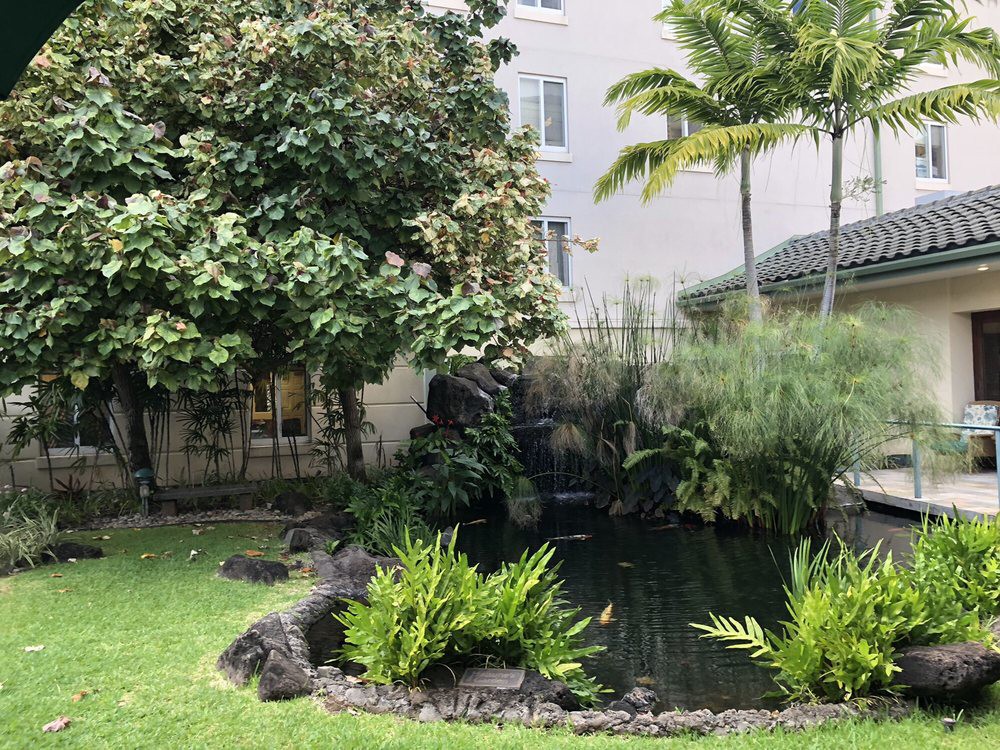
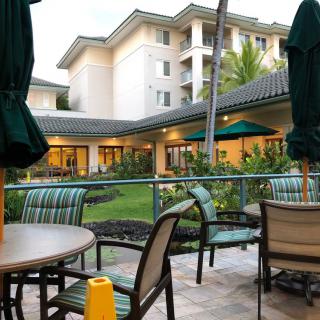
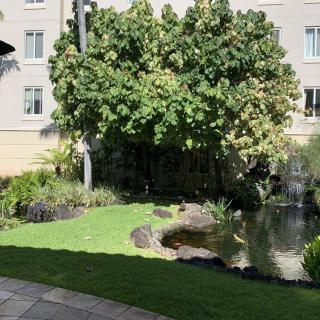
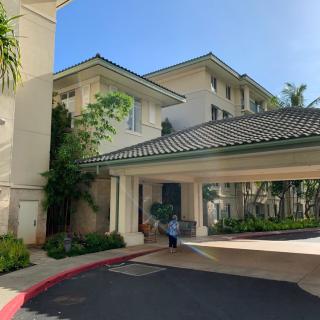
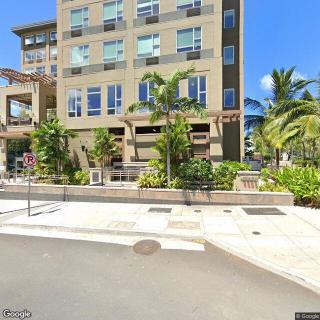
- Kahala Nui provides senior housing and adult day care with features like a waterfall at the entrance and plush tropical decor.
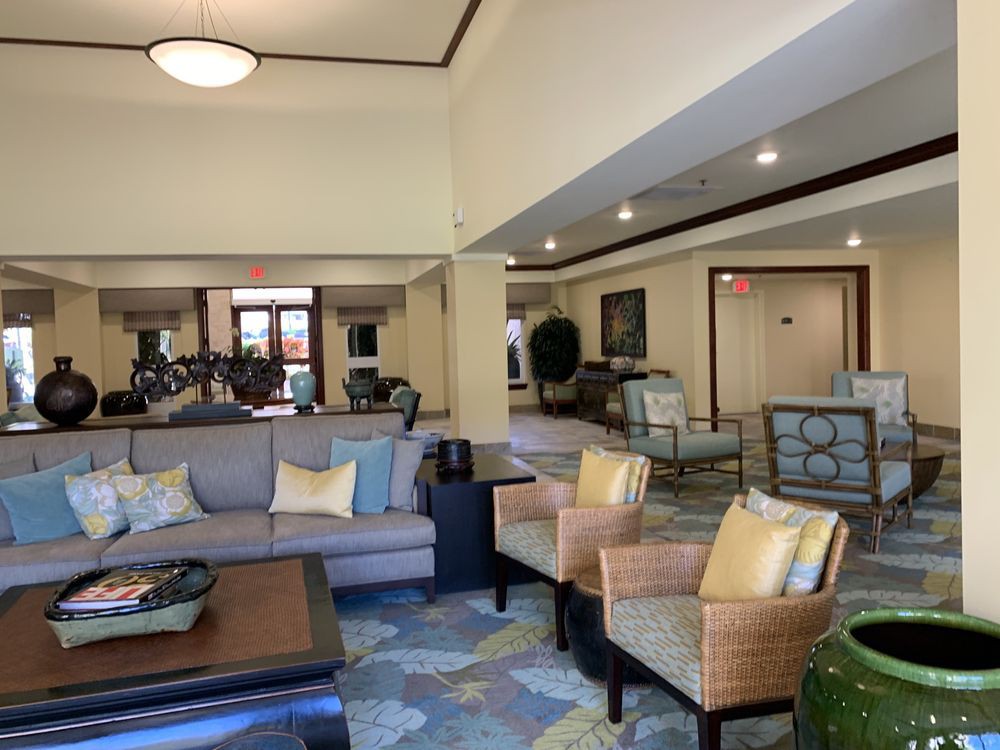
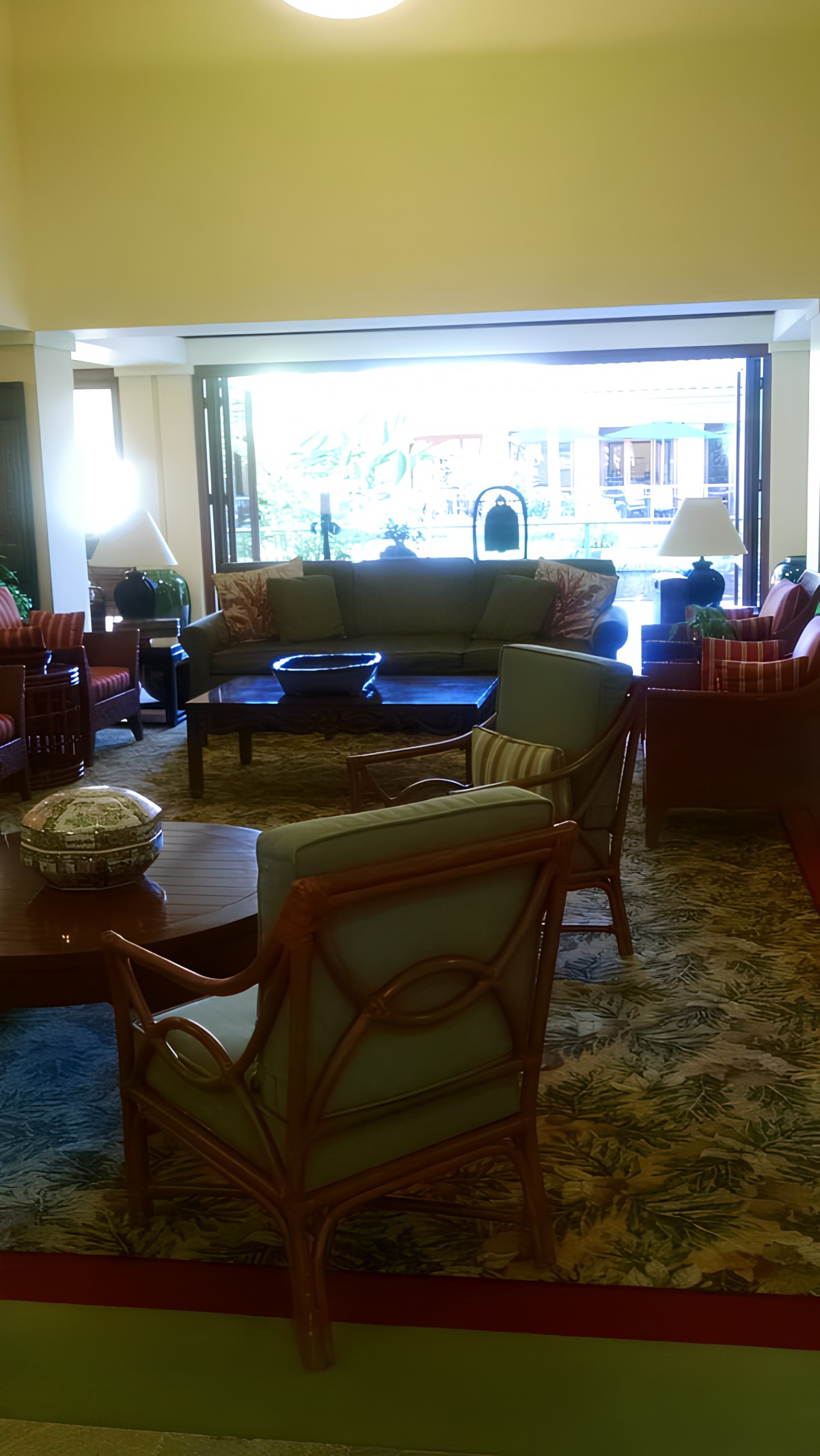
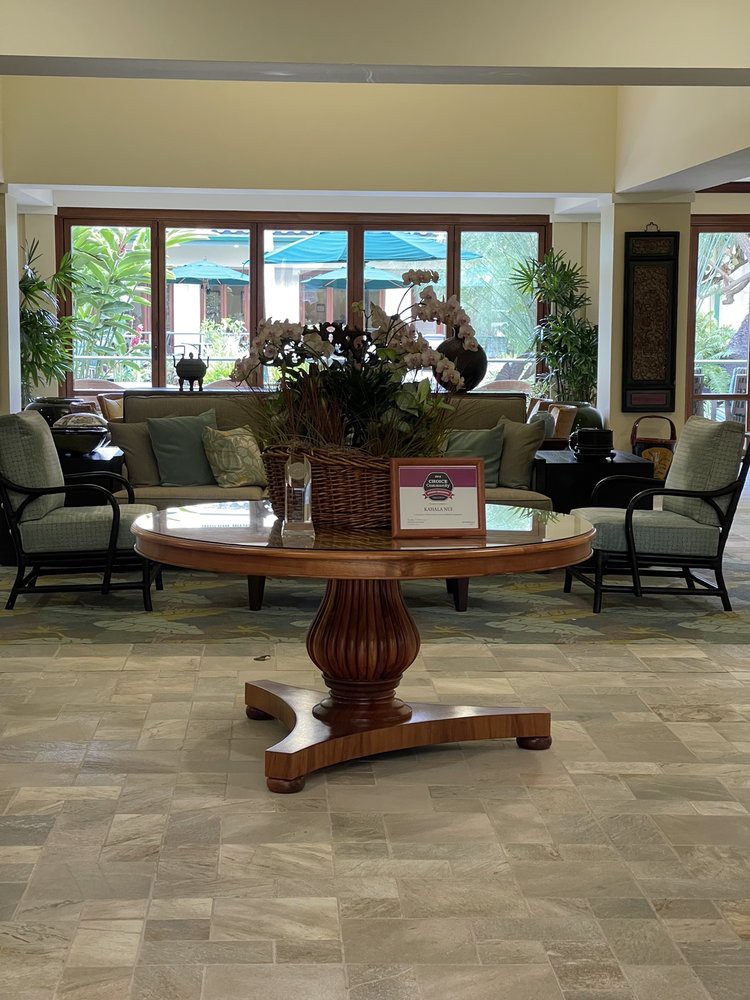
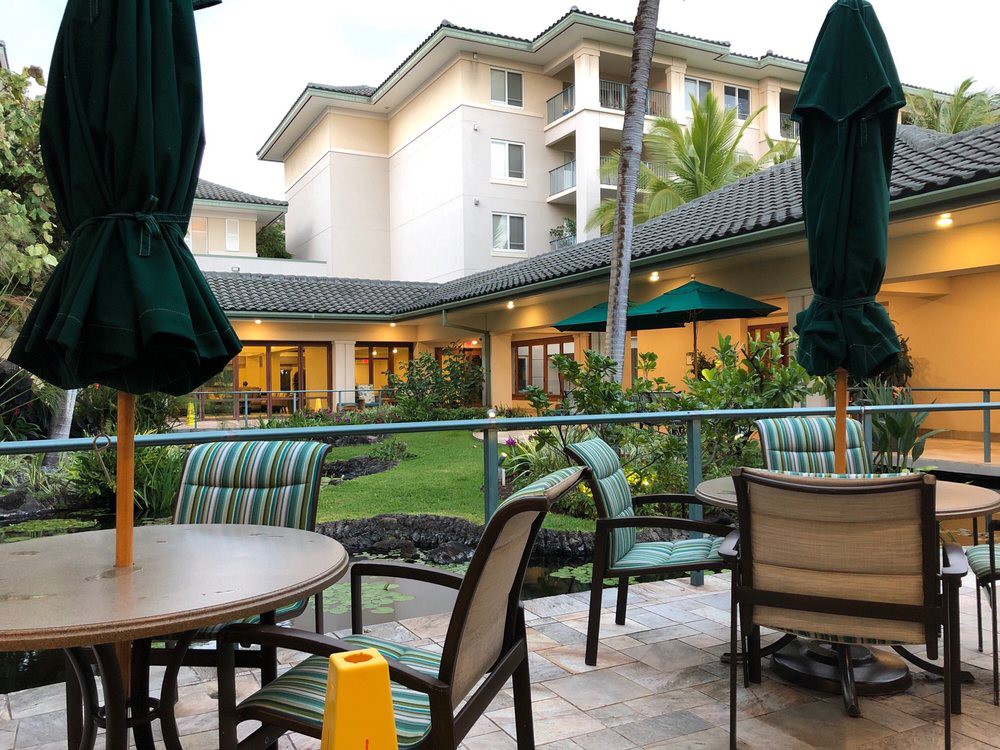
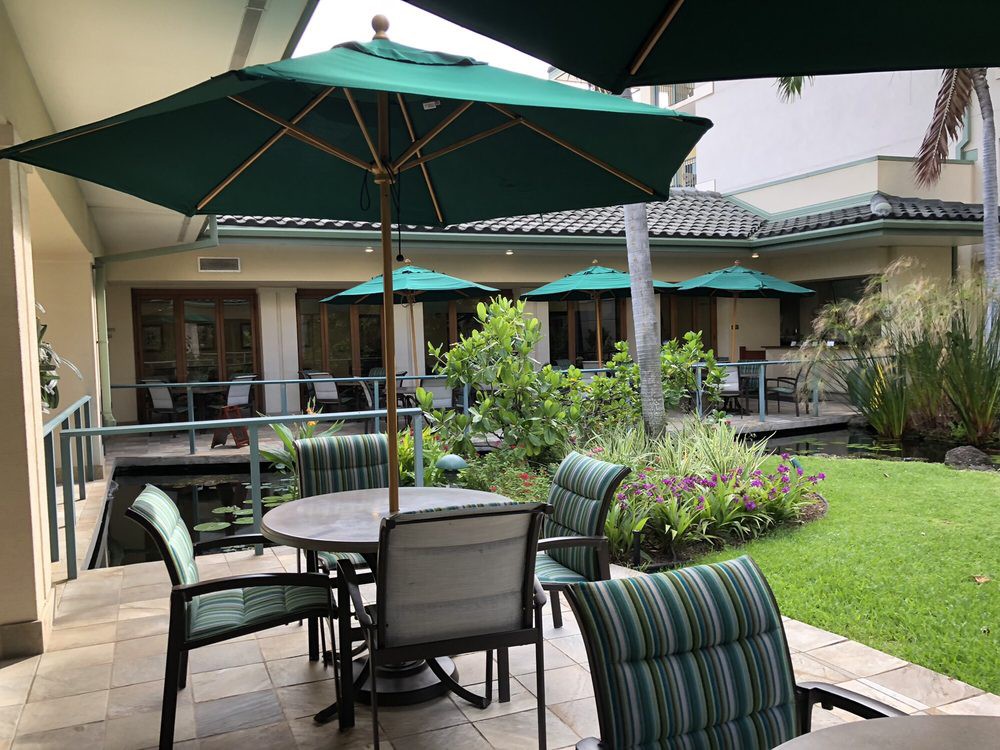
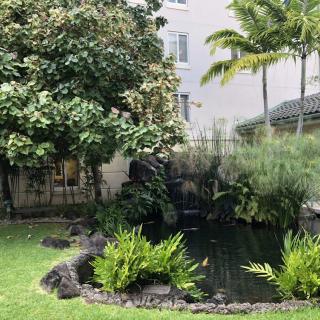
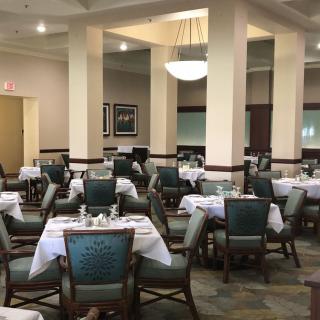
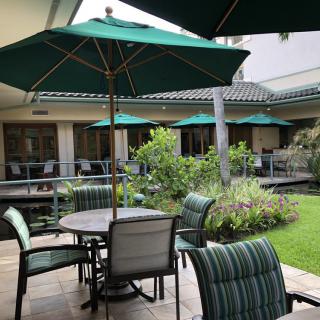
- It is an upscale retirement home with beautiful gardens and an elegant lobby.
- The accommodations, service, and support for individual needs are five-star plus.
- The staff across all levels of care are caring and compassionate, and the grounds are well-groomed and inviting, with Hawaiian aloha evident throughout.
- Her mother loves Kahala Nui.
Cons
 The older woman at the entrance table who greets visitors is extremely rude.
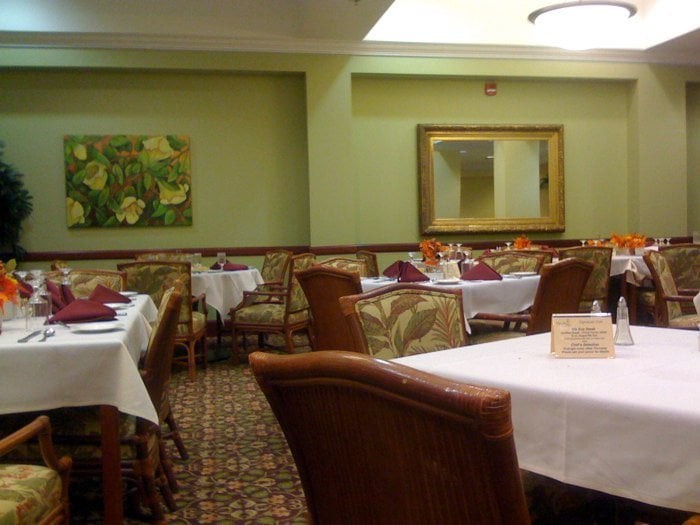
- They left mom alone in her room to eat because taking her down to eat took too much time.
- They charged for laundry and did not bathe her each day.
- They took a huge hit by losing all of the monthly fees she had paid into the system for this care when she left the facility.
- They would not recommend Kahala Nui.
Review
Kāhala Nui is best suited for families seeking a high-end, boutique-style senior living environment in Honolulu, where residents are drawn to upscale amenities, meticulously landscaped grounds, and a comprehensive range of care options under one roof. The community blends independent living with advanced care, wrapped in a polished, resort-like atmosphere and Hawaiian hospitality. It appeals to elders who prioritize privacy, prestige, and a campus that feels exclusive, yet feels like home because staff and longtime residents emphasize personal warmth and attentive service. For families evaluating options that emphasize a seamless progression from independent living to assisted care, Kāhala Nui offers a compelling, all-in-one solution with a clear emphasis on comfort, aesthetics, and dignified living.
Those who should consider alternatives are families with tighter budgets or those who place paramount importance on 100% reliable daily care. Several reviews flag a disconnect between the luxury presentation and day-to-day caregiving in the assisted-living area: meals not delivered promptly, staff not bathing residents daily, and charges for laundry that feel out of step with expected services. The experience at the front desk also matters, with one encounter described as rude, signaling that personalized customer service may be uneven. For families who require predictable routines, transparent billing, and consistently proactive oversight of basic daily needs, other options may deliver fewer financial surprises and steadier caregiving.
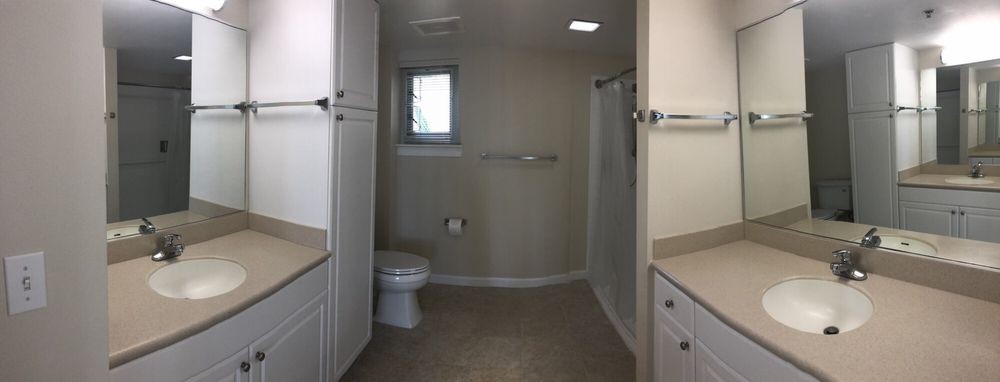
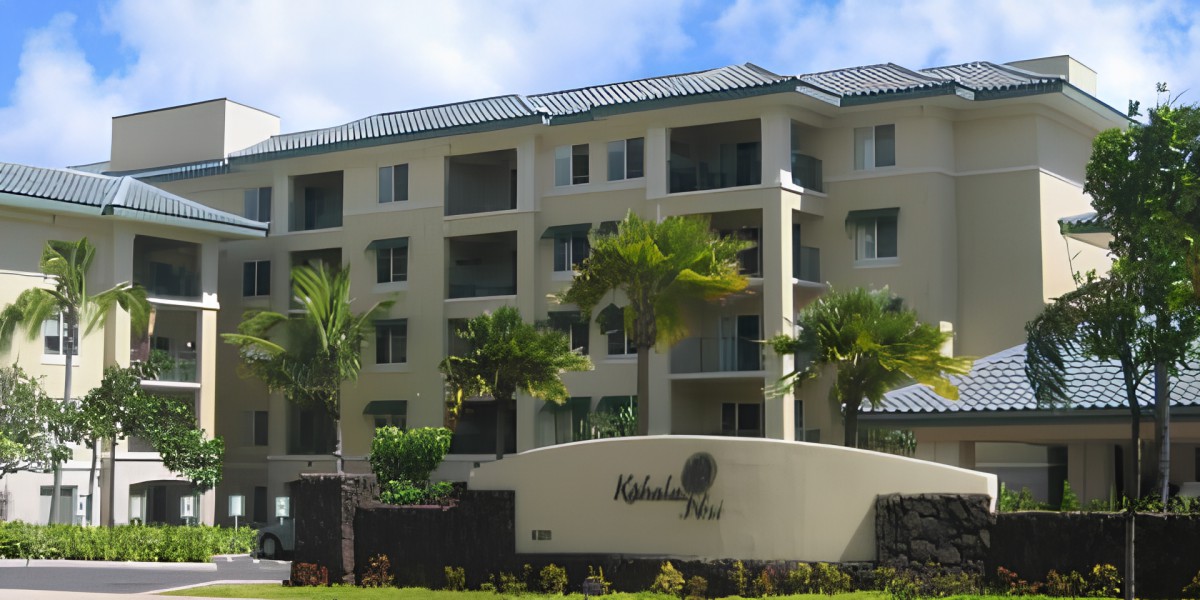
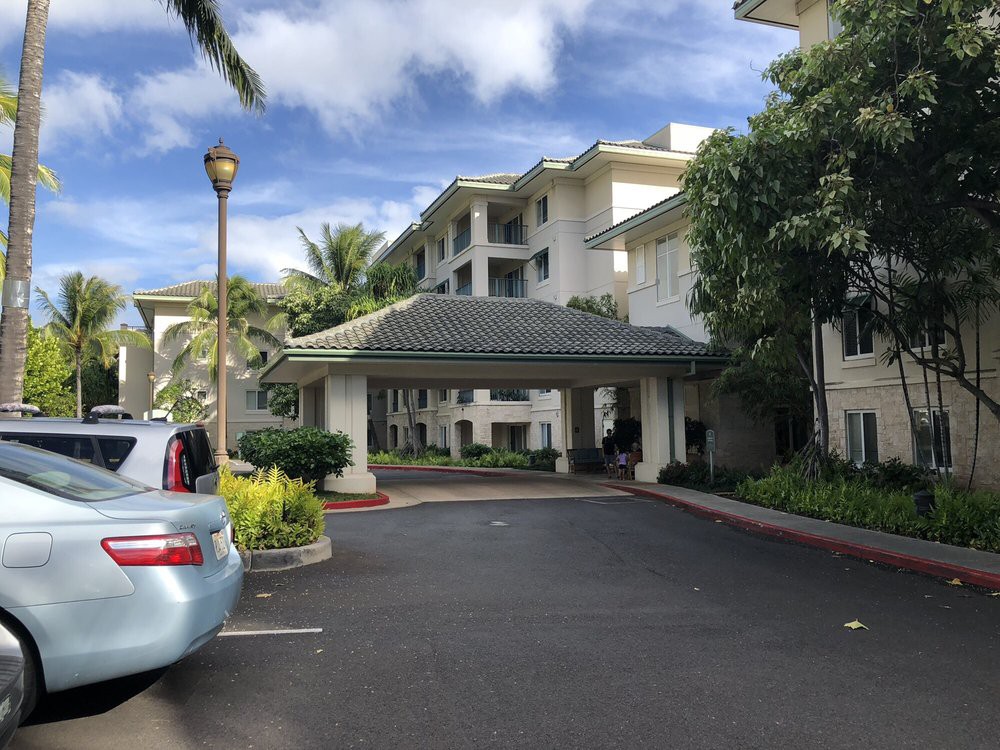
On the plus side, Kāhala Nui earns its praise for beauty as a functional asset. The facility is described as beautiful, with lush landscaping, an elegant lobby, water features, and well-tended grounds that support a sense of calm and safety. Reviews repeatedly commend the staff across levels for caring, compassionate behavior and Hawaiian aloha, creating a reassuring atmosphere for residents and their families. The property also positions itself as an exclusive retirement home that can accommodate a range of living arrangements, from one-bedroom apartments to larger units, while offering both independent living and advanced care services in a familiar, high-end setting. For many families, these strengths significantly offset the allure of higher fees and occasional service gaps.
Yet the toughest questions arise around care quality consistency and financial expectations. The most troubling anecdotes describe a period when the assisted-living side did not meet basic daily needs, including leaving a resident alone at meals and not ensuring daily bathing, coupled with separate laundry charges. Coupled with a later move to another facility and the financial hit of prepaid arrangements, these episodes cast doubt on the reliability of daily caregiving and the stability of long-term arrangements. They are not universal, but they are persuasive enough to warrant careful scrutiny before committing, especially for residents who require reliable meals, hygiene oversight, and predictable routines. The balance between luxury and dependable care becomes the deciding factor for many families.
To minimize risk, prospective residents should demand a transparent, written care plan with detailed responsibilities across care levels, ask for a breakdown of all monthly charges, and request a clear policy on meals, bathing, and laundry. Touring the assisted-living wing with a caregiver, and speaking with current residents or the families of current residents, can illuminate how often lapses occur and whether improvements have followed past criticisms. It is prudent to verify continuity of care during transitions between levels of care and to gauge how the administration responds to concerns. These steps help ensure the promise of five-star ambiance is matched by consistent, dependable daily care.
In the end, Kāhala Nui serves as a strong choice for families who prize upscale surroundings, a resort-like feel, and generally attentive staff with a real sense of aloha. When care reliability and transparent cost structures are non-negotiable, however, it pays to compare alternatives more closely and to insist on concrete assurances before move-in. The community can deliver a premium experience that respects elders’ dignity, but the best-fit decision rests on whether the balance tips toward luxury and warmth or toward unambiguous reliability and predictability in daily care.
 22 resident community capacity
 Assisted Living
 Continuing Care Retirement Community (CCRC)
 Independent Living
 Memory Care
 Respite Care
 Skilled Nursing Facility
 Air-conditioning
 Beauty salon
 Cable or satellite TV
 Continuing learning programs
 Fully furnished
 Garden
 Housekeeping services
 Move-in coordination
 Outdoor space
 Telephone
 Honolulu International (9 miles away)
 Transportation arrangement
 24-hour call system
 24-hour nursing
 Accept incoming residents on hospice
 Activities of daily living assistance
 Assistance with bathing
 Assistance with dressing
 Assistance with transfers
 Care with behavioral issues
 Diabetes diet
 Diabetic care
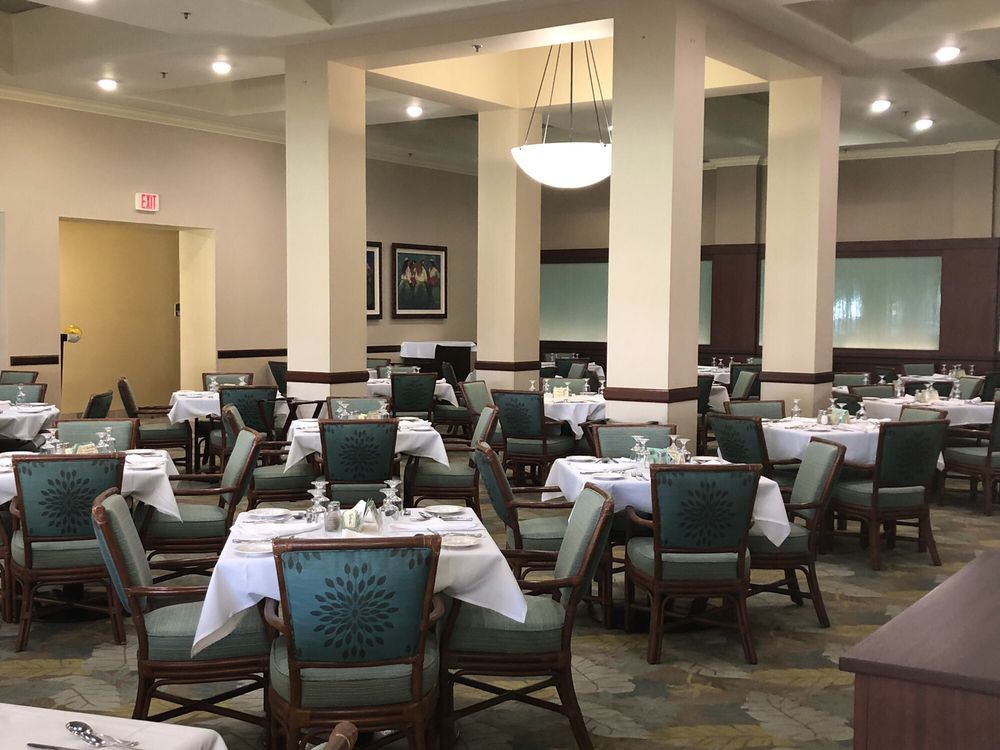
 Meal preparation and service
 Medication management
 Physical therapy
 Special dietary restrictions
 Concierge services
 Fitness programs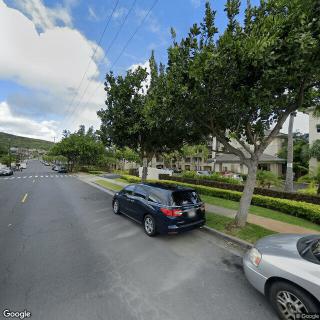


 Nourishing the Mind: Essential Dietary Approaches for Dementia
 Understanding Dementia Behaviors: Practical Insights and Strategies for Caregivers
 When Dementia Sparks Anger and Aggression: Understanding the Connection and Ways to Cope