Overall Review of Kahala Nui
differentiator
5 reviews mention this
Care runs from start to end
Residents describe care continuity across independent, assisted, and higher levels.
Multiple reviewers say the community is set up to provide care across levels, and they specifically call out a continuous approach from the early stages through later care. At the same time, some families describe a noticeable drop in hands-on support after moving from independent living into assisted care or the nursing side. Reviews also mention transitions that feel difficult once care needs change, which reinforces how important the move between levels can be for families.
common
8 reviews mention this
Food is repeatedly praised
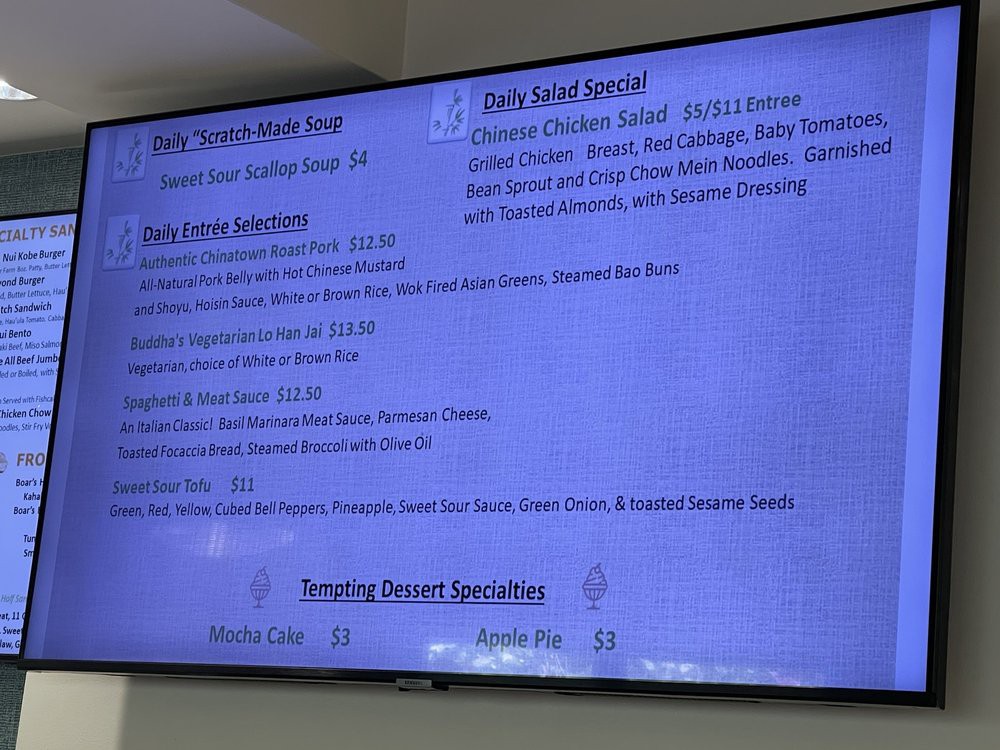
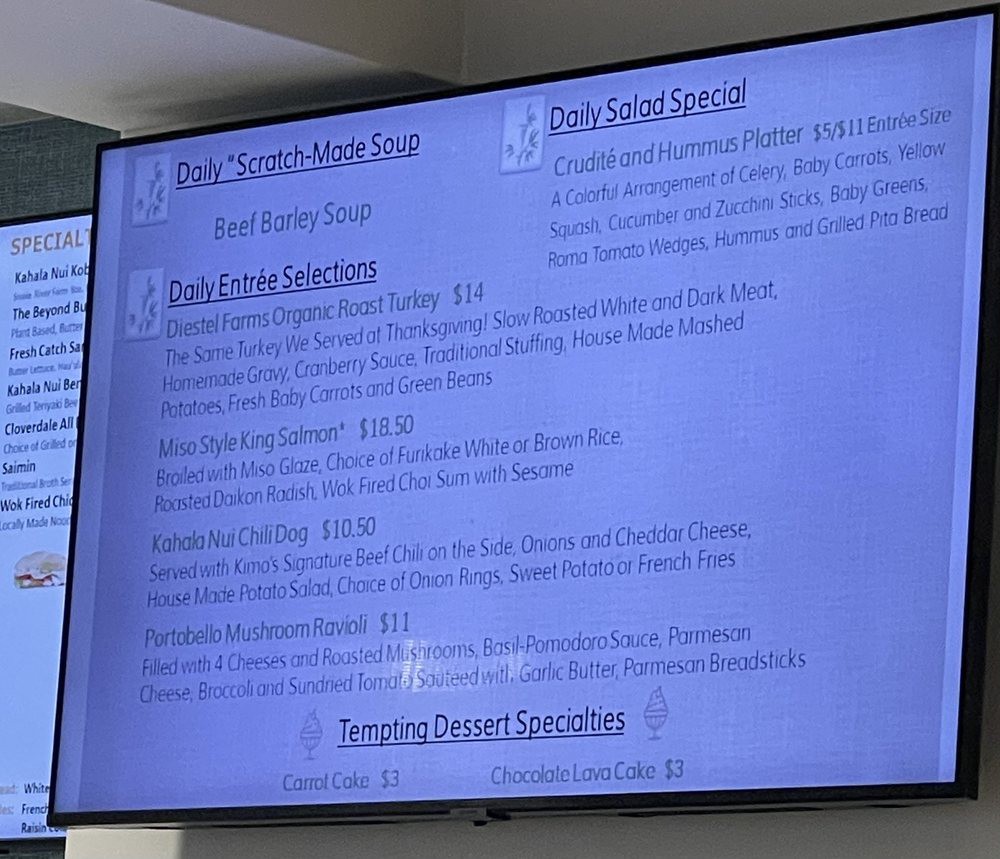
Dining is a frequent bright spot, with several mentions of homemade or well-prepared meals.
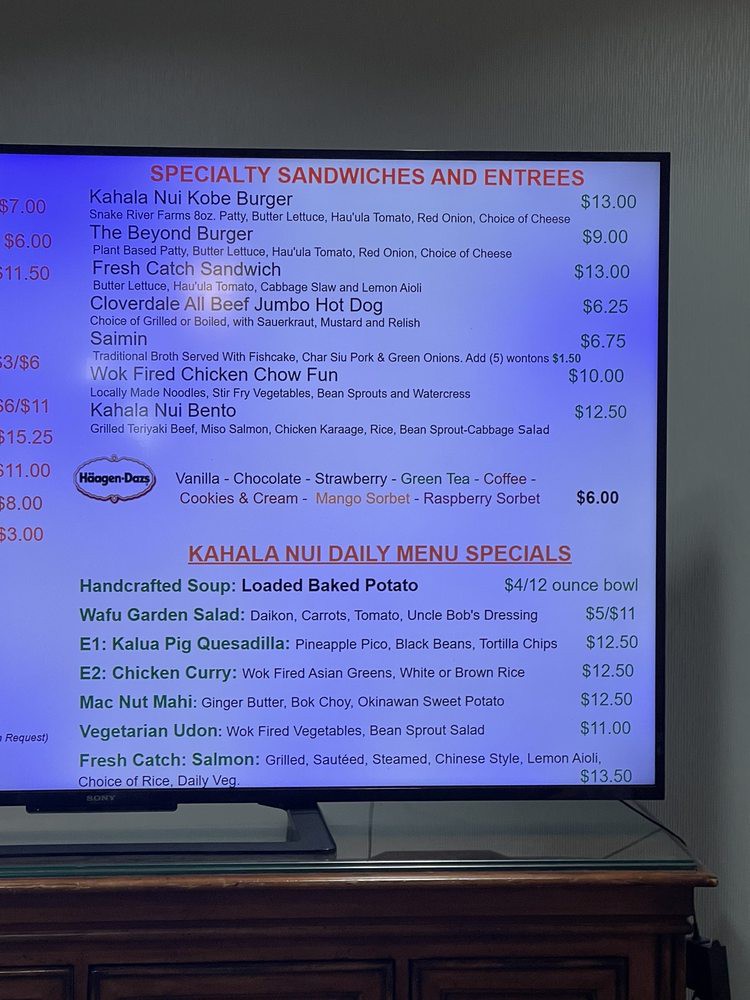
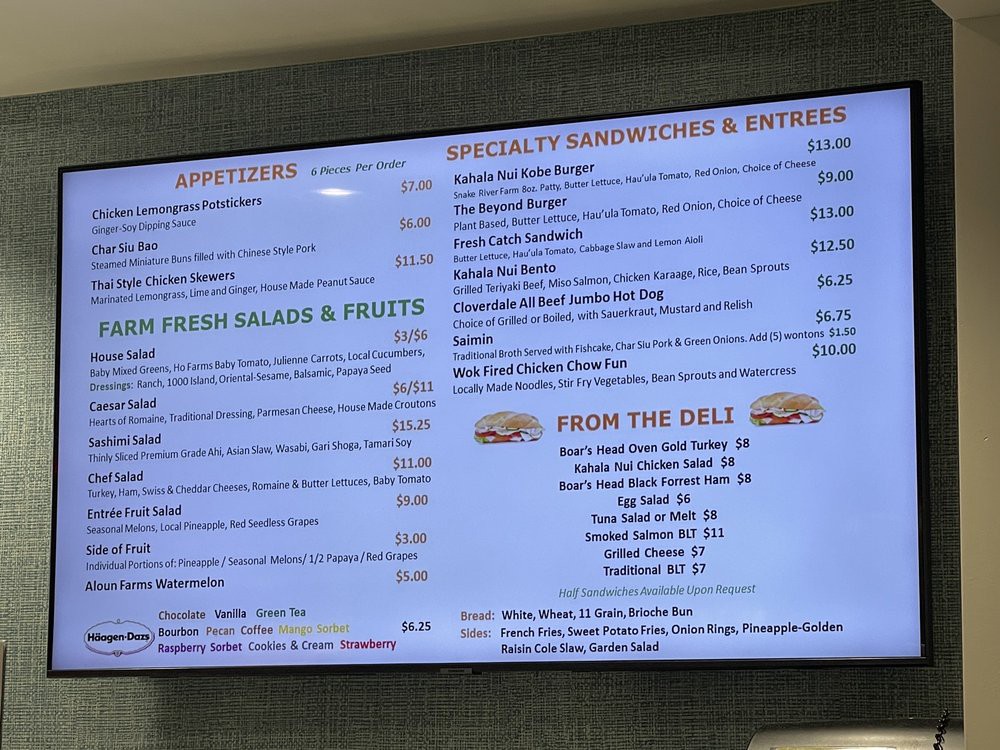
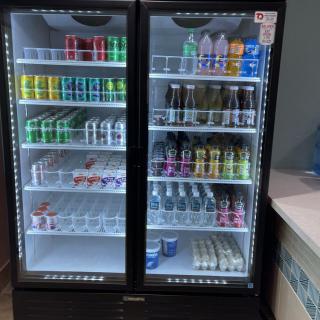
Food comes up often in the reviews, including comments about homemade meals and consistently good dining. Several reviewers also describe three meals a day and a dining area experience that felt positive during visits. A few of the more critical reviews contrast this with what happened after a move to assisted care, where families describe missed meals or less reliable support for eating.
common
12 reviews mention this
Staff are caring, though not uniform
Many residents describe staff as caring and professional, alongside a smaller number of negative encounters.
A large share of reviewers praise staff across levels as caring and compassionate, and several mention friendly, professional interactions. Some critiques still highlight positive experiences with associates or individual workers, but describe problems with oversight and care delivery after transitions. One review also mentions an extremely rude greeting during a visit, showing that experiences can vary at the front door.
caveat
3 reviews mention this
Assisted care oversight is a concern
Some families report inadequate supervision and missed care services after the assisted-living move.
Several critical reviews describe situations where residents were left alone in rooms during mealtimes, received less frequent bathing than expected, or had services skipped. These same reviewers say they had to add outside care on top of what they believed was included. Taken together, the concerns center less on the independent-living side and more on supervision and follow-through once care needs increase.
caveat
5 reviews mention this
Price is repeatedly called out
Multiple reviews say the community is very expensive, with some citing recent increases.
Cost is one of the most consistent caveats, with several reviewers saying the community is expensive and that pricing has increased over time. Some comments frame it as manageable only if families are in a strong financial position, while others mention very large monthly fees tied to the move into care. The pricing tension is often paired with dissatisfaction around what care delivery ended up looking like after a transition.
common
8 reviews mention this
Amenities and activities are broad
Residents describe a wide range of on-site amenities and activities.
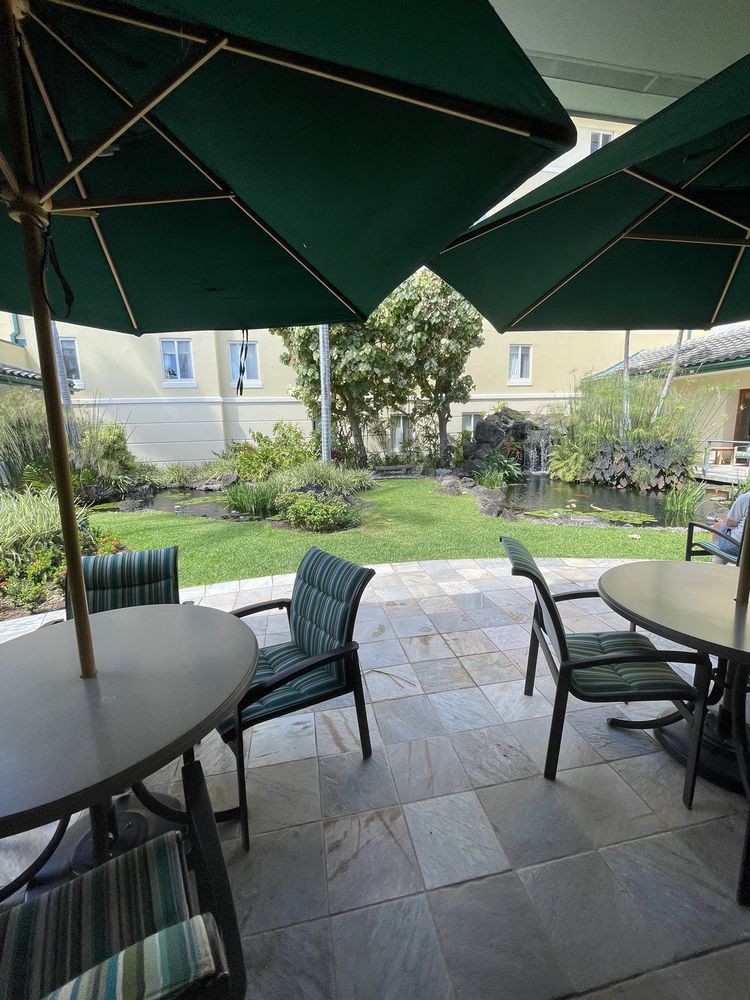
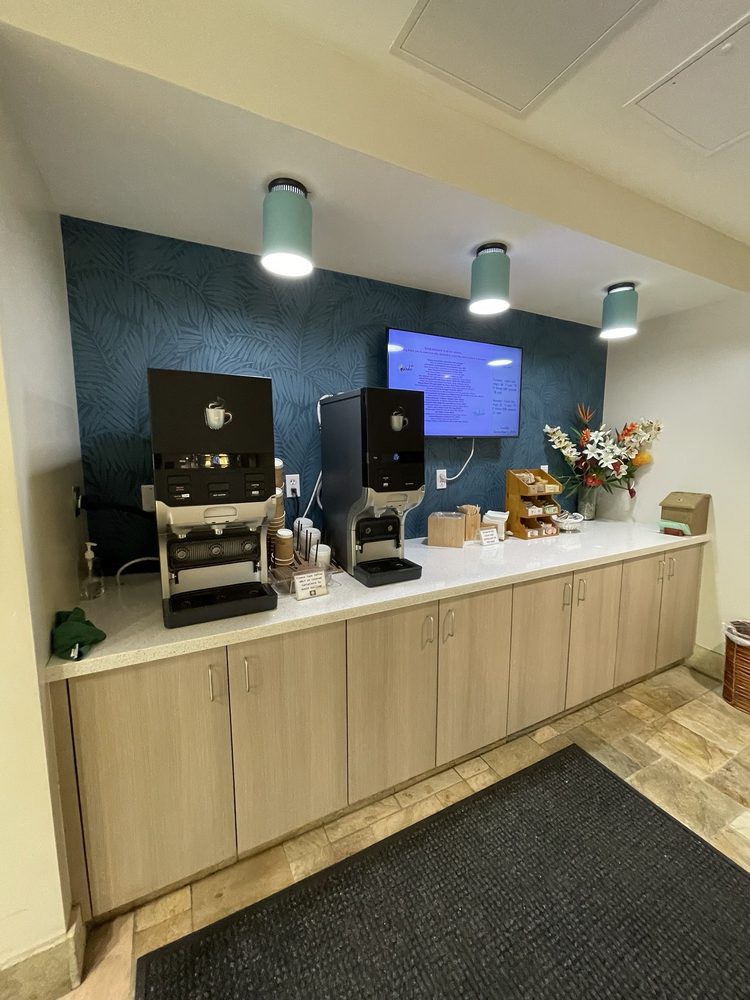
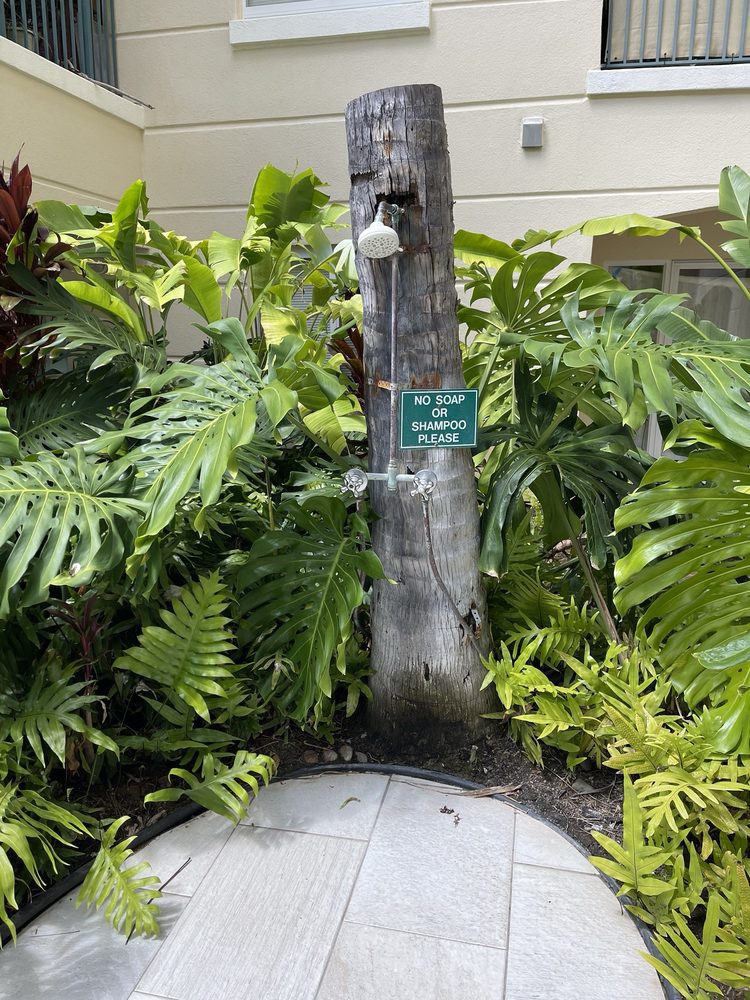
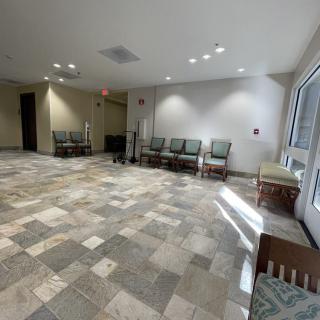
Reviews frequently mention amenities and activity options, including an exercise room, library, pool, and multiple areas for things to do. Several reviewers also describe landscaped grounds and a welcoming atmosphere during visits, along with social programming and courses or excursions. Even in more mixed reviews, families reference activities as part of what the community offers on the earlier living side.
How we summarize
Counts show how many written reviews mention each theme; a review can touch several themes, and only frequently mentioned themes are displayed.
















 Honolulu International (9 miles away)
 Small, comprehensive CCRC with 24/7 care and diverse care options.


 Comprehensive Guide to Blood Pressure Charts for Older Adults: Understanding Normal and High Readings by Age
 Financing Long-Term Nursing Home Care Through Social Security: A Thorough Exploration
 Essential Knowledge on Pneumonia in Older Adults