
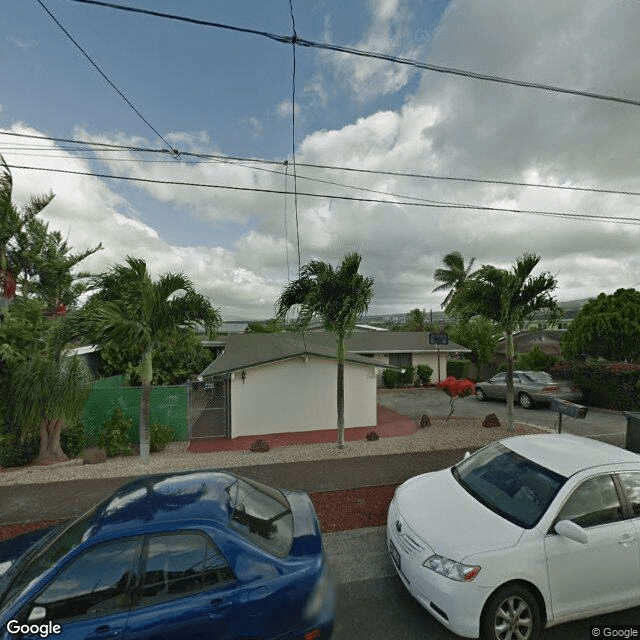
1464 Puanakau St, Honolulu, HI 96818
To contact a resident: (808) 422-8157
For more information about senior living options: (866) 208-4318
ALFE I Costs & Pricing
In comparing the monthly costs for ALFE I with those in Honolulu County and across Hawaii, it's clear that ALFE I offers competitive pricing for its accommodation options. For a semi-private room, ALFE I charges $4,000, which is slightly lower than both the county average of $4,228 and the state average of $4,244. Similarly, the cost for a private room at ALFE I is set at $4,500, again more affordable than the local and state rates of $4,664 and $4,689 respectively. These figures highlight ALFE I's commitment to providing quality living arrangements at a more accessible price point compared to its immediate competitors in both the county and statewide context.
| Floor plans | ALFE I | Honolulu County | Hawaii |
|---|---|---|---|
| Semi-Private | $4,000 | $4,228 | $4,244 |
| Private | $4,500 | $4,664 | $4,689 |
Senior living communities with a similar price nearby
-
from +$500 / mo
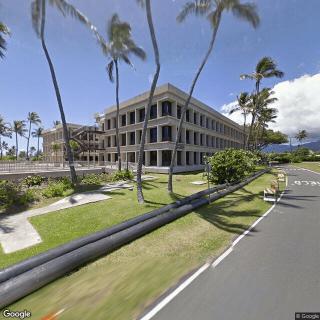
Home Instead - Kailua, HI
$4,500 / month11.5 miles away -
from +$525 / mo
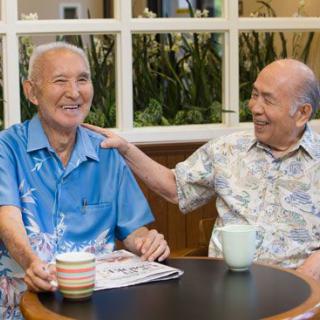
The Plaza At Punchbowl
$4,525 to $8,675 / month6.2 miles away -
from +$747 / mo
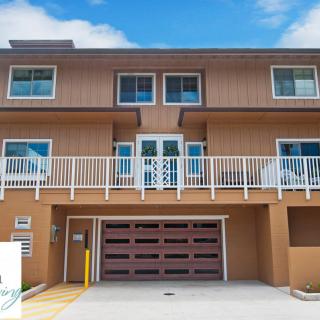
Wilson Senior Living Kailua
$4,747 to $9,900 / month11.6 miles away -
About the same

The Ivy Hawaii Kai
$4,095 to $6,595 / month14.0 miles away -
from -$500 / mo
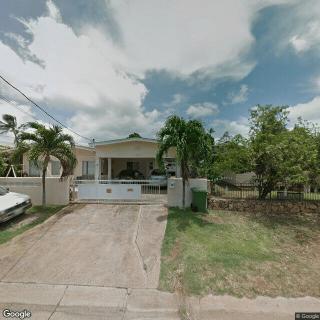
Leslie S Pascual Fostercare Home
$3,500 to $4,000 / month6.6 miles away
Overall Review of ALFE I
Pros
 The living areas were simple and clean.
- Residents were pleasant and smiling.
- Aides were attentive to their needs.
- The employee stands to attention, salutes, and smiles.
Cons
 Mrs. Baptista's act of ordering a worker while her back was turned felt odd.
- The moment of departure, with an order given as she left, left an unsettling impression.
Review
ALFE I in Honolulu is best suited for seniors who want a clean, uncomplicated living environment with reliable daily care. The community appeals to residents who value straightforward routines, a calm pace, and a friendly, small-scale social circle. It suits those who don’t require high-budget amenities or extensive medical programs, yet appreciate attentive aides and residents who appear pleasant, engaged, and eager to interact. In short, this is an option for families seeking dependable day-to-day support within a modest, well-kept setting where personal warmth and accessible staff matter.
Those evaluating alternatives should consider whether a more resort-like atmosphere, broader activity programming, or deeper medical oversight is important. If the goal is expansive dining venues, vibrant campus life, or robust on-site therapies and specialty services, other communities may deliver more of those features. For families prioritizing significant autonomy, flexible care plans, or a less formal cultural tone, ALFE I may feel too restrained. Additionally, if detailed, transparent information on costs, staffing levels, and care protocols is essential, the rarity of such specifics here is a legitimate reason to look elsewhere.
The strongest positives center on environment and care responsiveness. Living areas come across as simple and clean, reducing clutter and making supervision straightforward. Residents appear pleasant and smiling, which signals a positive social atmosphere that can support routine engagement and companionship. Aides are described as attentive to needs, suggesting reliable help with daily activities, mobility, and personal care. Taken together, these elements create a predictable, reassuring backdrop for seniors who value steadiness and consistent caregiver attention in a Honolulu setting.
An observable nuance worth noting is a moment when a resident directs a staff member, prompting a visibly prompt, respectful response, staff stand to attention, saluting and smiling. This conveys a strong culture of courtesy and deference that can feel supportive to some families while possibly feeling overly formal to others. For residents who thrive on clear boundaries and quick obedience to requests, this dynamic can reinforce safety and smooth operations. For those who prioritize resident empowerment and a less hierarchical vibe, this aspect may require closer inquiry during a tour to determine if independence can still flourish within daily routines.
Given the limited number of reviews, critical decisions should rest on targeted due diligence rather than broad generalization. Pros offset notable gaps by delivering reliable day-to-day care and a welcoming social tone, but the lack of detail on meal quality, activity calendars, staffing ratios, and long-term plans leaves important questions unanswered. Pros also offset the potential ambiguity of a smaller campus by offering a tactile sense of community, something that often translates into easier communication lines with staff and faster problem resolution. A practical approach is to verify concrete metrics, staffing patterns by shift, meal variety, transportation options, and respite or memory-care availability, before committing.
To move decisively, prospective residents and families should visit with specific questions in hand: what is the current caregiver-to-resident ratio during morning and evening shifts? what does a typical day look like in terms of meals, activities, and outings? how are emergencies handled, and what is the average response time? can a resident personalize their room and daily routine without friction? what are the costs beyond base rate, including increases, deposits, and contract terms? and finally, is there transparent information on licensing, certifications, and any specialty services? A firsthand tour will reveal whether the understated elegance of ALFE I aligns with personal expectations for independence, social life, and medical support.
Overall, ALFE I presents a practical, dependable option for seniors who prize cleanliness, a friendly resident body, and consistently attentive care within a modest Honolulu footprint. It is a strong match for families seeking a respectful, orderly environment where everyday needs are reliably met and social bonds are accessible without the complexity or expense of larger campuses. Those requiring richer program diversity, upscale amenities, or more expansive medical resources should consider alternatives that better match those priorities. The decision should hinge on how well the tone of care, the level of formality, and the specific daily routines align with the resident’s expectations for autonomy, engagement, and peace of mind.
 Board and Care Home
 Activities on-site
 Indoor common areas
 Private
 Respite or short term stays offered
 Wheelchair accessible showers
 Honolulu International (3 miles away)
 Ambulatory care
 Diabetic care
 High acuity care
 Incontinence care
 Medication management
 Meals provided
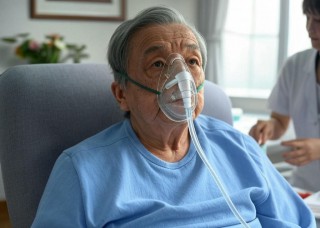 Essential Knowledge on Pneumonia in Older Adults
 Exploring Palliative Care in the Home: A Comprehensive Overview
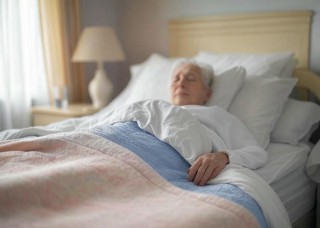 Comprehensive Insights into Palliative Home Care: What It Is and What to Expect