
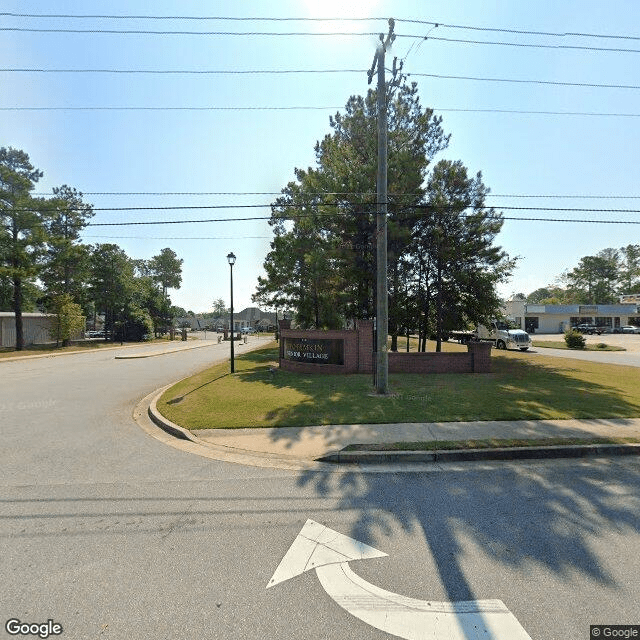
710 Elberta Road, Warner Robins, GA 31093
To contact a resident: (478) 922-4343
For more information about senior living options: (866) 208-4318
Overall Review of Potemkin Senior Village
Pros
 The grounds appear well-kept.
- The property looks nice on the outside.
- It is quiet.
- The apartments are spacious.
- The tour was impressive.
- She is very happy living there.
Cons
 The rental worker leaves the gate open.
- The gates are always open.
- The property manager's interaction was horrendous.
- The property manager asked about age and income in a disrespectful and rude manner.
- The interaction felt ageist and discriminatory.
- The walls are weak and you can hear through them.
- There is little to no maintenance.
- The doors are not leveled and won't close.
- The appliances in the second units are not installed properly and can fall on residents.
- Some residents smoke and the smoke comes into apartments.
- The water in the unit doesn't get very hot.
- The tour was impressive but turned out to be a hollow facade.
Review
Potemkin Senior Village in Warner Robins, GA is best suited for independent seniors who prize quiet, relatively spacious living in newly built spaces and can tolerate uneven on-site oversight. The standout draw is the newer construction; a resident’s family member living in one of the freshly completed units finds that home especially pretty and quiet, with generous room sizes that ease daily living. For families prioritizing a polished first impression and a modern layout, this community offers a compelling start. Yet those advantages rest on a fragile foundation: security and consistency in management do not keep pace with the appealing exterior and the promise of new interiors.
Those choosing Potemkin should be prepared to consider alternatives if strong gate security and responsive, respectful staff are non-negotiables. Multiple reviews flag gated access as unreliable, with gates reportedly left open and a security perimeter that does not feel reliable. Interactions with the on-site management can escalate quickly from brusque to dismissive, and there are troubling notes about ageist or discriminatory treatment during visits. When practical questions arise, the staff’s willingness to provide clear policy details or help with the application is inconsistent, which can leave prospective residents unclear about eligibility and process.
On the positive side, the grounds present a neat, well-kept first impression, and the newer units deliver on quiet, spacious interiors. For residents who can secure a unit in the newer phase and avoid shared walls with older construction, daily life can feel more serene, and the apartment layout supports comfortable routines. The sense that at least part of the property is newer can translate into fewer immediate maintenance headaches, and some tenants report overall satisfaction within those newer buildings, reinforcing the idea that the right unit can be pleasant indeed. That contrast, newer, quieter spaces amid broader quality concerns, frames the overall value proposition.
The dominant drawbacks are hard to overlook: safety and maintenance risks pile up quickly. Several reviews describe second-phase units with appliances not installed properly, doors that won’t close, and general maintenance neglect that creates obvious hazards. Walls are said to be thin, making noises more intrusive than expected, and residents report cigarette and marijuana smoke seeping into apartments, eroding comfort and privacy. Water temperature in some units remains unreliable, a basic quality-of-life issue that cannot be dismissed. The staffing strain, exaggerated by a single manager handling too many units, helps explain delayed repairs and slow responses, contributing to a sense that promises of care do not translate into consistent, reliable service.
How the positives weigh against the negatives depends largely on risk tolerance and expectations about management accountability. The appeal of quiet, spacious, newer apartments can soften some daily frustrations, but the security gaps and volatile customer service undermine long-term confidence. A tour that impresses can give a false sense of safety and cohesion if the underlying maintenance and enforcement issues persist. In short, the aesthetically pleasing shell does not compensate for recurring operational failures, especially for seniors who require dependable safety measures and prompt, respectful assistance.
For families weighing this community, the prudent path is to demand concrete assurances before committing. Verify gate security with multiple time-of-day checks and insist on a formal security protocol written into the lease. Seek multiple, candid conversations with residents across different buildings about maintenance responsiveness and the property manager’s handling of complaints. Execute a thorough move-in inspection that documents appliance connections, door alignments, blinds, water temperature, and smoke-control measures. Consider alternative communities where security, maintenance response times, and resident-treatment standards are consistently stronger. If Potemkin is pursued, target the newest units, insist on prompt fixes for any safety concerns, and enter with a clear, time-bound plan for addressing recurring issues rather than assuming improvements will follow.
 Active Adult Communities (55+)
 Middle Georgia Regional (4 miles away)

 Top Canine Companions for Older Adults
 Comprehensive Guide to Blood Pressure Charts for Older Adults: Understanding Normal and High Readings by Age
 Financing Long-Term Nursing Home Care Through Social Security: A Thorough Exploration