Residents and families describe physical therapy as hands-on, encouraging, and effective.
Many reviews emphasize skilled rehabilitation, often naming physical therapy as the reason mobility improved during a stay. Several people describe therapists as patient, knowledgeable, and focused on their goals, with frequent mentions of being pushed to do more while still feeling respected. A few reviews also connect the rehab experience to returning home, which reinforces that residents viewed therapy as a core part of their daily routine.
common33 reviews mention this
Staff attention and responsiveness stand out
The most consistent praise is for staff who are professional, kind, and responsive to requests.
Across reviews, families and residents repeatedly describe staff members as caring, courteous, and eager to help. Mentions include timely help with calls and medications, staff who introduce themselves, and caregivers who treat people with dignity rather than as a task. Residents also describe supportive teamwork across nursing, therapy, housekeeping, and social services, which helps explain why many say they felt comfortable and safe.
common14 reviews mention this
Food gets frequent positive mentions
Food is frequently praised as tasty and accommodating to preferences.
Several reviews call out the food as delicious and well-seasoned, with some comparing it to home-style meals. People also describe being able to get what they want from the menu and receiving accommodations when they have dietary preferences. A few residents mention minor personal dislikes, but most comments frame dining as a day-to-day win rather than a concern.
common11 reviews mention this
Activities help residents stay engaged
Reviews often mention activities coordinators and programs that keep residents involved.
Many people describe activity staff as lively and caring, with recurring mentions of group events and entertainment that helped residents feel less stressed. Reviews specifically reference programs like bingo and creative projects, along with holiday celebrations that families attended. Residents also describe checking in throughout the day, which adds up to a consistent picture of engagement alongside therapy.
common12 reviews mention this
Facility cleanliness is a repeated point
Multiple reviews highlight how clean the facility feels and looks.
Cleanliness comes up repeatedly, including comments about a spotless or immaculate environment and rooms being sanitized regularly. Several reviews also connect cleanliness with feeling safe and comfortable during recovery. While there are also a small number of negative cleanliness-related comments, the overall tone in the reviews leans strongly toward a maintained facility.
caveat2 reviews mention this
Rooms and communication vary by experience
A few reviews flag problems with space in shared rooms and issues with care coordination.
Some residents mention room downsides, including shared rooms feeling too small and limited visibility due to layout. In addition, at least a couple of reviews describe breakdowns in care coordination or communication that affected trust, including concerns raised during hospice or longer stays. These are not the dominant themes in the majority of reviews, but they are clear enough to stand out.
common2 reviews mention this
Nearby shopping and medical options
The area includes nearby pharmacies, clinics, and everyday destinations for visitors.
Reviewers’ day-to-day plans aren’t described in detail, but the nearby area includes pharmacies and medical providers within a few miles. For visits and errands, there are also common local destinations like restaurants and parks in the surrounding area.
How we summarize
Counts show how many written reviews mention each theme; a review can touch several themes, and only frequently mentioned themes are displayed.
Features
Housing
3 resident community capacity
Types of Care
Assisted Living
Board and Care Home
Amenities
Cable or satellite TV
Dining room
Fully furnished
Garden
Housekeeping services
Move-in coordination
Outdoor space
Telephone
Wi-Fi/high-speed internet available
Transportation
William B Hartsfield-Atlanta International (22 miles away)
Care Services
24-hour supervision
Activities of daily living assistance
Assistance with bathing
Assistance with dressing
Assistance with transfers
Coordination with health care providers
Diabetes diet
Meal preparation and service
Medication management
Special dietary restrictions
Transportation arrangement (medical)
Transportation to doctors appointments
Dining
Diabetes diet
Special dietary restrictions
Activities
Community-sponsored activities
Scheduled daily activities
Nearby Places of Interest
Restaurants
Zaxby's (1 miles)
McDonald's (2.8 miles)
Wendy's (2.9 miles)
Sonic Drive-In (3.1 miles)
El Jinete Mexican Restaurant (3.1 miles)
Chick-Fil-A (3.1 miles)
KFC (3.2 miles)
Places of Worship
Shiloh Christian Church (2.2 miles)
Bethany Baptist Church (3.6 miles)
New Covenant Christian Ministries (4 miles)
Fairfield Baptist Church (4.5 miles)
Christ Our Hope Catholic Church (4.5 miles)
Mountain Park United Methodist Church (4.6 miles)
Mountain Park First Baptist Church (4.8 miles)
Pharmacies
Walgreens (2.7 miles)
CVS Pharmacy (4.3 miles)
Walgreens (4.3 miles)
Kroger Pharmacy (4.9 miles)
CVS Pharmacy (5.5 miles)
Walgreens (5.7 miles)
Walgreens (6.6 miles)
Physicians
Abc Pediatrics (2.8 miles)
Gynecology and Obstetrics of Dekalb PC (3.4 miles)
Senior move management services assist older adults in the relocation process by providing emotional support and organizational help, addressing unique challenges like downsizing and moving from long-term homes. These specialists collaborate with real estate agents and manage logistics, making the transition smoother for seniors and their families.
The article examines senior housing options, detailing the distinctions between independent living and assisted living, along with the emerging "independent assisted living" model that blends both approaches. It highlights the importance of assessing individual needs, preferences, and financial factors in making informed decisions about suitable living arrangements for seniors.
The deductibility of assisted living expenses on taxes hinges on factors like the individual's medical condition and service nature, typically requiring the resident to be "chronically ill" per IRS definitions. Taxpayers may deduct eligible medical expenses related to personal care services but generally not rent unless primarily for medical care, and they should maintain thorough documentation to support claims while considering itemizing versus standard deductions.
Get PricingAsk A QuestionSchedule A TourContact Senior Advisor
By clicking submit, you agree to our Partner's Terms of Use. You
also consent to receive calls and texts, which may be autodialed, from our Partner. Your consent is not a condition to
using our Partner's service. Please visit our Partner's Privacy Policy for information about their privacy practices.

 3 resident community capacity
 Assisted Living
 Board and Care Home
 Cable or satellite TV
 Dining room
 Fully furnished
 Garden
 Housekeeping services
 Move-in coordination
 Outdoor space
 Telephone
 Wi-Fi/high-speed internet available
 William B Hartsfield-Atlanta International (22 miles away)
 24-hour supervision
 Activities of daily living assistance
 Assistance with bathing
 Assistance with dressing
 Assistance with transfers
 Diabetes diet
 Meal preparation and service
 Medication management
 Special dietary restrictions
 Transportation arrangement (medical)
 Transportation to doctors appointments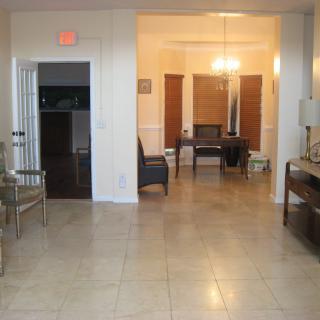
 Outstanding staff support and high-quality meals.

 Senior Transition Services: Understanding Their Role, Cost, and Importance
 Exploring the Path to Senior Living: A Comprehensive Look at Independent Living and Assisted Living
 Is Assisted Living Deductible on Your Taxes? Understanding the Complexities of Assisted Living Expenses and Deductions