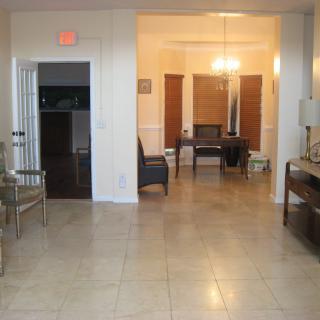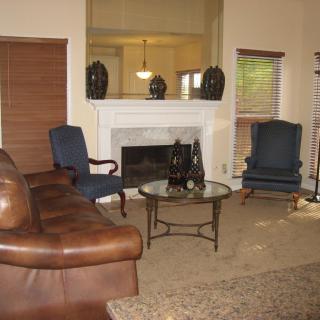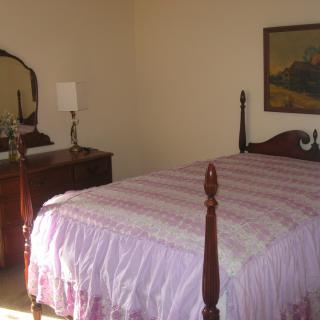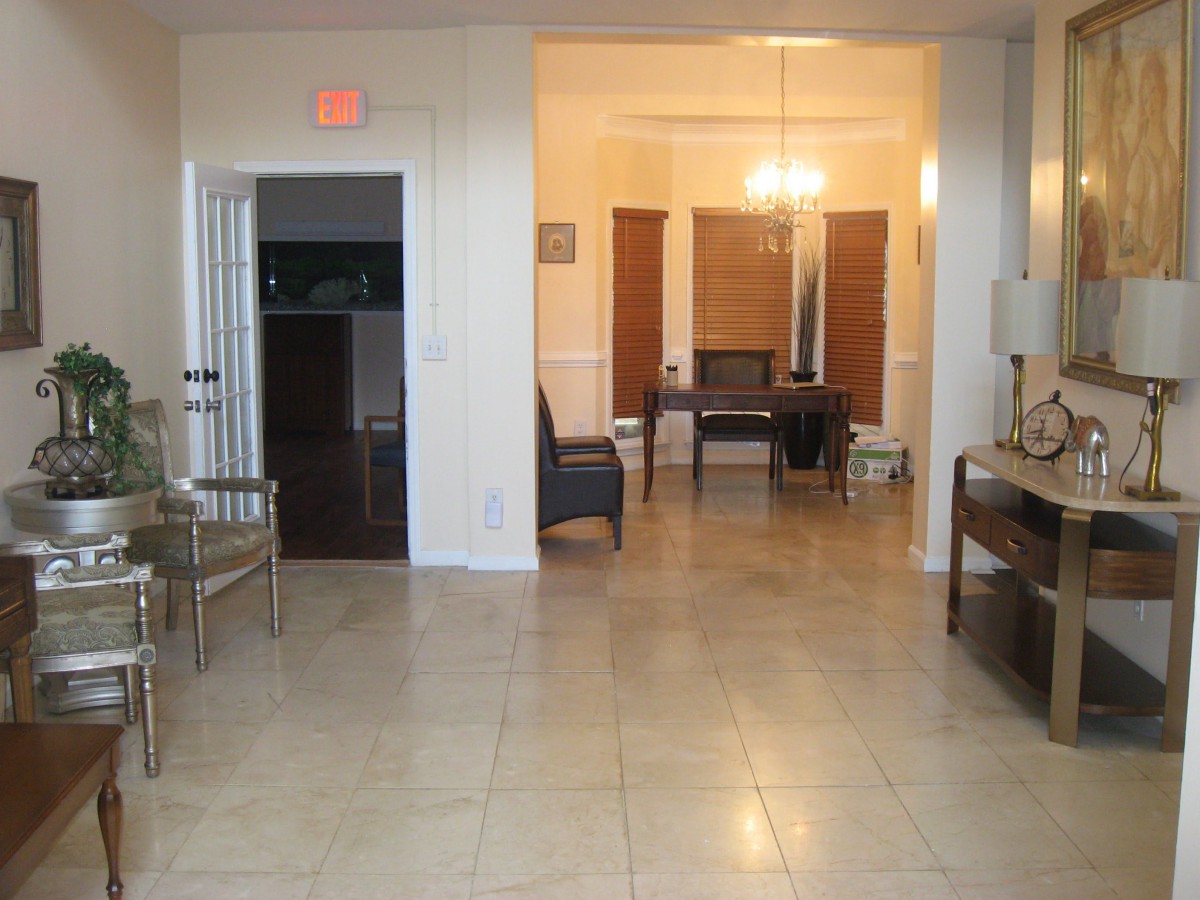
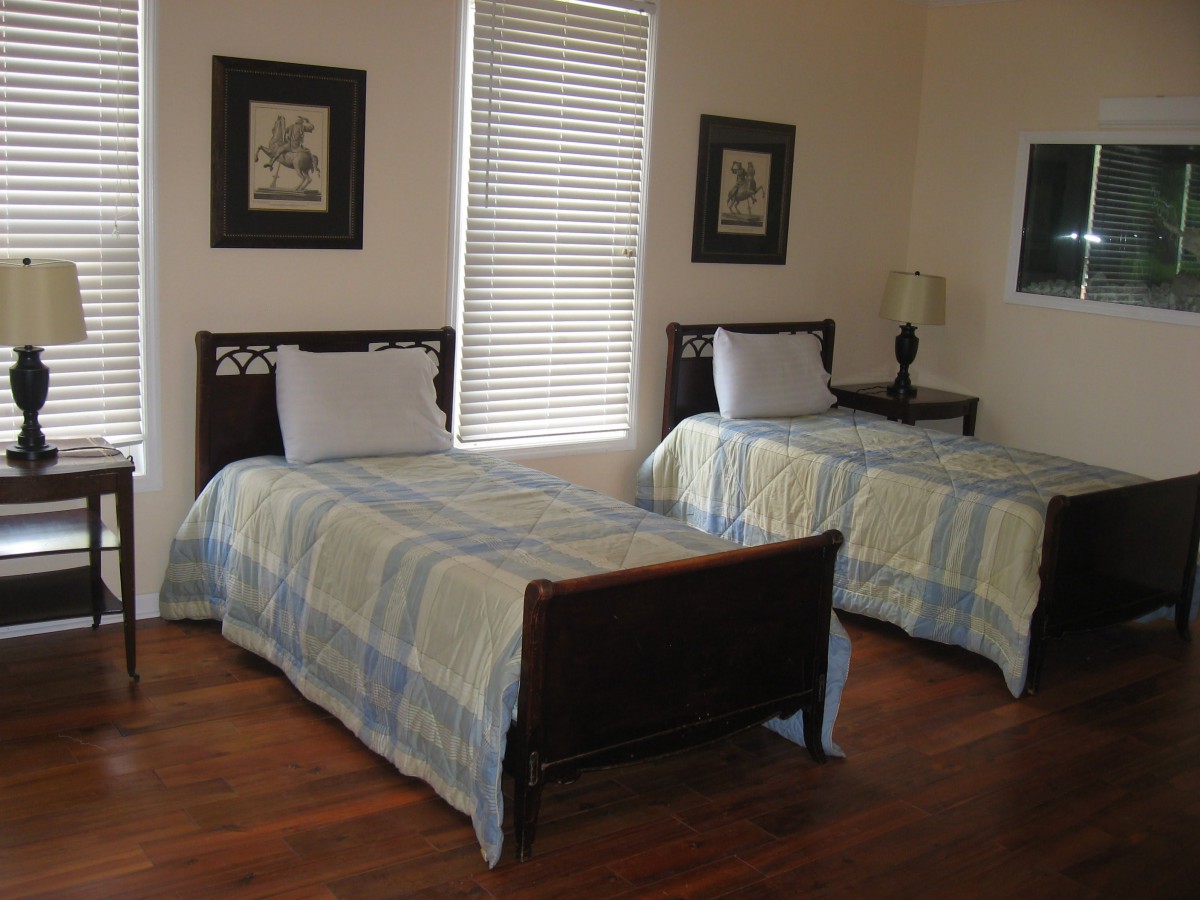
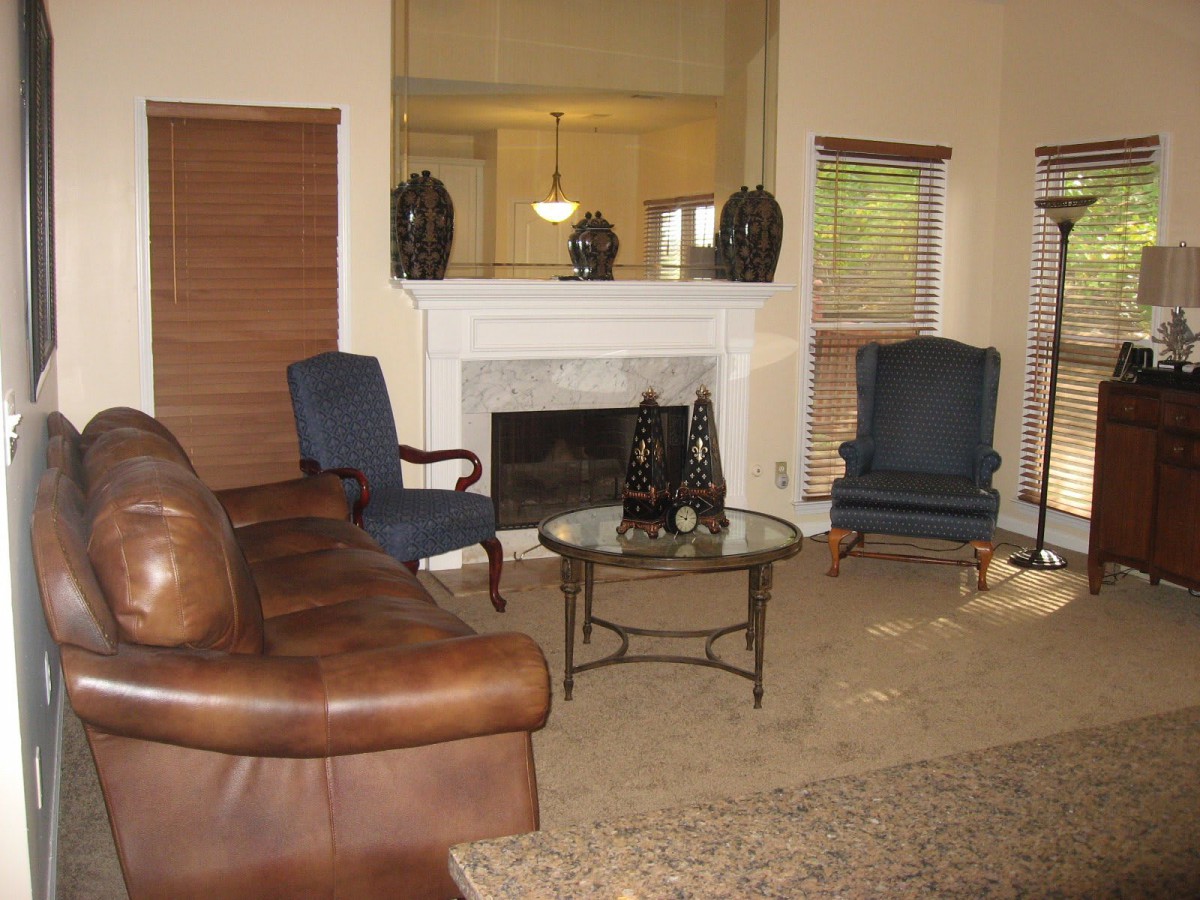
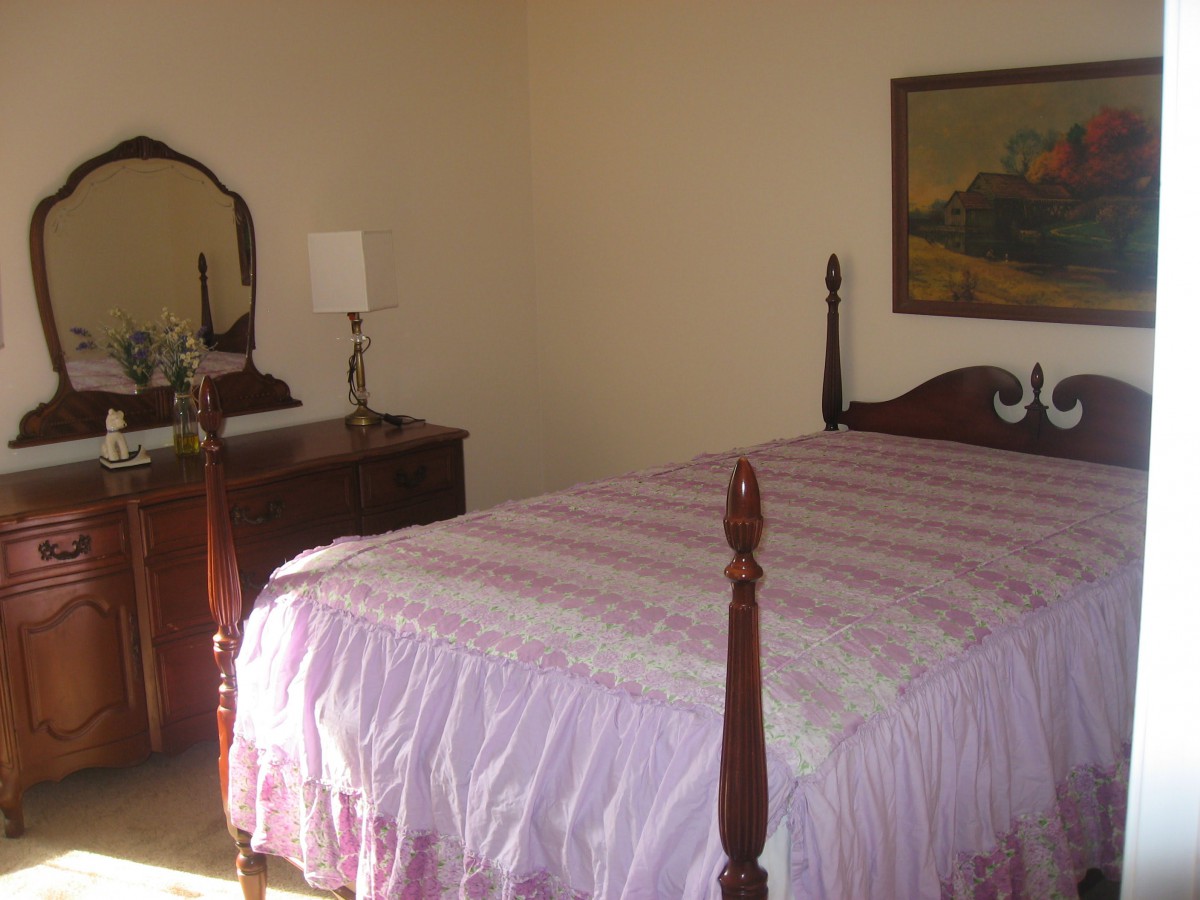

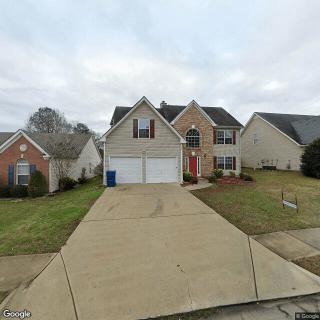
282 Harbor Pointe Dr, Stone Mountain, GA 30087
To contact a resident: (914) 513-1634
For more information about senior living options: (866) 208-4318
Life Care of Georgia Personal Care Home Costs & Pricing
Life Care of Georgia Personal Care Home offers a competitive pricing structure compared to both Gwinnett County and the broader state of Georgia. For semi-private accommodations, residents can expect to pay $1,800 monthly, which is significantly lower than the county's average of $2,530 and aligns well with the state average of $2,529. Private rooms at Life Care are priced at $2,500, again coming in favorably against the county's rate of $2,551 and notably below the state average of $2,864. Lastly, for one-bedroom units, Life Care's cost is $3,000 per month - more affordable than Gwinnett County's average of $3,647 and slightly above Georgia's state average of $3,412. This pricing strategy not only enhances accessibility for prospective residents but also reflects a commitment to providing quality care without excessive financial burdens.
| Floor plans | Life Care of Georgia Personal Care Home | Gwinnett County | Georgia |
|---|---|---|---|
| Semi-Private | $1,800 | $2,530 | $2,529 |
| Private | $2,500 | $2,551 | $2,864 |
| 1 Bedroom | $3,000 | $3,647 | $3,412 |
Memory care communities with a similar price nearby
-
from +$300 / mo
Abiding Care Home
$2,100 / month12.2 miles away -
from +$200 / mo

Omni Adult Day Care
$2,000 to $3,000 / month17.2 miles away -
from -$300 / mo
Harmony Home Care
$1,500 to $2,100 / month10.9 miles away -
from +$301 / mo

Brighton Gardens of Buckhead
$2,101 to $5,370 / month16.2 miles away -
About the same
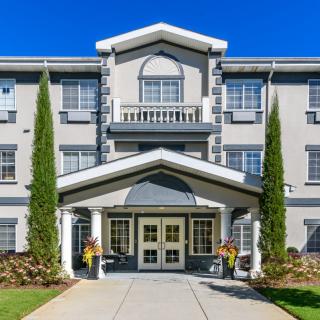
Villa Palazzo Senior Living Community
$1,800 to $3,850 / month20.6 miles away
Overall Review of Life Care of Georgia Personal Care Home
Pros
 The community provides outstanding care for a loved one.
- The staff is wonderful.
- The meals and the food are wonderful.
- The staff is attentive.
- The community is a top choice for family care.
- The community is highly recommended for families seeking the best for a loved one.
Review
Life Care of Georgia Personal Care Home in Stone Mountain is best suited for families seeking consistently attentive, hands-on daily support for a loved one who benefits from regular assistance with meals and routine activities. The standout element in the one-reviewer perspective is the quality of care delivered by the staff, described as wonderful, paired with meals that are also praised as excellent. For families prioritizing warmth, reliability, and a caregiving team that demonstrates steady attentiveness, this community presents a compelling, high-trust option.
The core strengths center on staffing and daily nourishment. The reviewer highlights a level of attentiveness that translates into a sense of security for family members who want to know their loved one is being looked after with care and prompt response. Meals are singled out as a real plus, suggesting that nutrition and dining experiences are treated as an important part of daily life, not an afterthought. In practical terms, the combination of reliable staff interactions and consistently good food can significantly lift residents’ mood, engagement, and overall satisfaction, factors that often drive the decision to choose one community over another.
There are clear reasons to consider alternatives, even with these high marks. If a family’s needs extend beyond personal care into more intensive medical oversight, complex dementia or memory-care programming, or a larger community with broader medical staff support, other options may better align with those requirements. Likewise, households weighing cost considerations or seeking more varied activity calendars, specialized therapy services, or a different social environment might find other facilities more closely aligned with their expectations. This is not a knock on quality; it is a practical acknowledgment that care settings vary in scope and focus.
Given the absence of explicit drawbacks in the available commentary, the principal pros more than counterbalance typical concerns about daily caregiving quality. The dependable, compassionate staff directly addresses worries about attention, safety, and responsive care, while the nourishing meals mitigate fears about nutrition and resident satisfaction at mealtimes. In short, the strongest evidence here is that daily care and culinary experiences are robust enough to offset the kind of common tradeoffs families weigh when evaluating personal care environments.
Practical due diligence can make the difference in ensuring a perfect match. Prospective families should confirm staffing stability and ratios during visits, inquire about how caregivers are trained to handle common issues such as mobility assistance, medication reminders, and escalation protocols. Dining programs deserve a closer look: what meal variety exists, how accommodations are handled for dietary restrictions, and how dining hours fit into a loved one’s routine. Enquire about activity programming, family visitation policies, and how individualized care plans are developed and updated. A visit focused on real interactions with staff and residents will reveal whether the warmth described in the review translates into everyday experience.
In the end, Life Care of Georgia Personal Care Home stands out as a top choice for families who prioritize trustworthy, attentive caregiving and high-quality meals. It is a particularly strong fit for residents who flourish under consistent staff engagement and who benefit from a dining experience that treats nutrition as a central pillar of daily life. For those whose needs include more intensive medical management, dementia-specific programming, or options beyond personal care, other communities will likely offer the necessary breadth of services. For most families seeking dependable daily care delivered with warmth and attentiveness, this Stone Mountain home deserves serious consideration and, in all likelihood, a strong alignment with their care goals.
 Board and Care Home
 Memory Care
 Activities off-site
 Devotional services off-site
 Indoor common areas
 Outdoor common areas
 Private
 Respite or short term stays offered
 Wheelchair accessible showers
 William B Hartsfield-Atlanta International (22 miles away)
 Ambulatory care
 Diabetic care
 Incontinence care
 Medication management
 Kosher




 How and When Medicaid May Cover Assisted Living Costs
 A Detailed Exploration of Assisted Living Medicaid Waivers Across the United States
 Exploring the Contrasts Between Assisted Living and Skilled Nursing