

Comfort Care Personal Care Home in Stone Mountain, GA

Save

Comfort Care Personal Care Home in Stone Mountain, GA

5383 Brown Lee Road, Stone Mountain, GA 30087

For more information about senior living options: (844) 490-3973

4.8 from 10 reviews
5 stars
8
4 stars
2
3 stars
0
2 stars
0
1 stars
0

Assisted Living Board and Care Home Memory Care

Comfort Care Personal Care Home Costs & Pricing

Comfort Care Personal Care Home offers competitive pricing compared to both Gwinnett County and the broader Georgia state averages. For a studio room, residents can enjoy the comforts of home at a monthly fee of $2,300, which is significantly lower than the county's average of $3,580 and the state average of $3,520. Similarly, for private rooms, Comfort Care maintains an appealing rate of $2,300, substantially undercutting Gwinnett County's average of $2,551 and Georgia's average of $2,864. This favorable pricing positions Comfort Care as an attractive option for those seeking quality personal care without the financial burden often associated with similar facilities.

Floor plansComfort Care Personal Care HomeGwinnett CountyGeorgia
Studio$2,300$3,580$3,520
Private$2,300$2,551$2,864

What level of care are you interested in?

Assisted Living

Memory Care

Independent Living

Skilled Nursing Facility

Continuing Care Retirement Community (CCRC)CCRC

Other


Request a tour at Comfort Care Personal Care Home

    Overall Review of Comfort Care Personal Care Home

    Pros

    • pro The father receives wonderful care there.
    • pro It is owned and run by an RN, which is exactly what was wanted.
    • pro There are great CNAs there too.
    • pro He receives three meals a day, snacks, and is always clean and presentable.
    • pro The proprietor and staff care for mom in a caring, professional, respectful, and dignified manner.
    • pro Comfort Care is a God-sent facility where loved ones can continue to live a quality and full life.
    • pro The owner is an RN and communicates regularly with the family.
    • pro The caregivers are caring, trustworthy, and attentive.

    Review

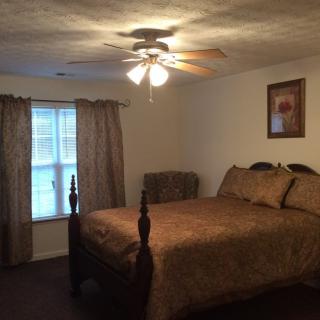
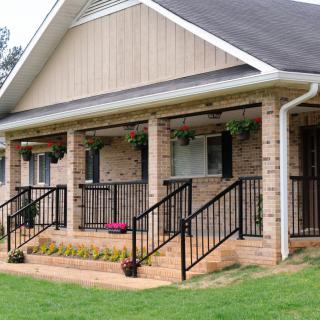
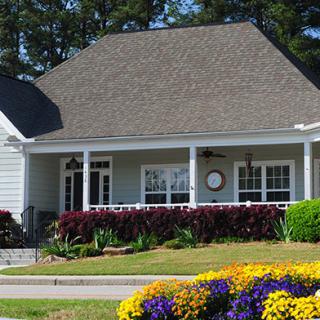
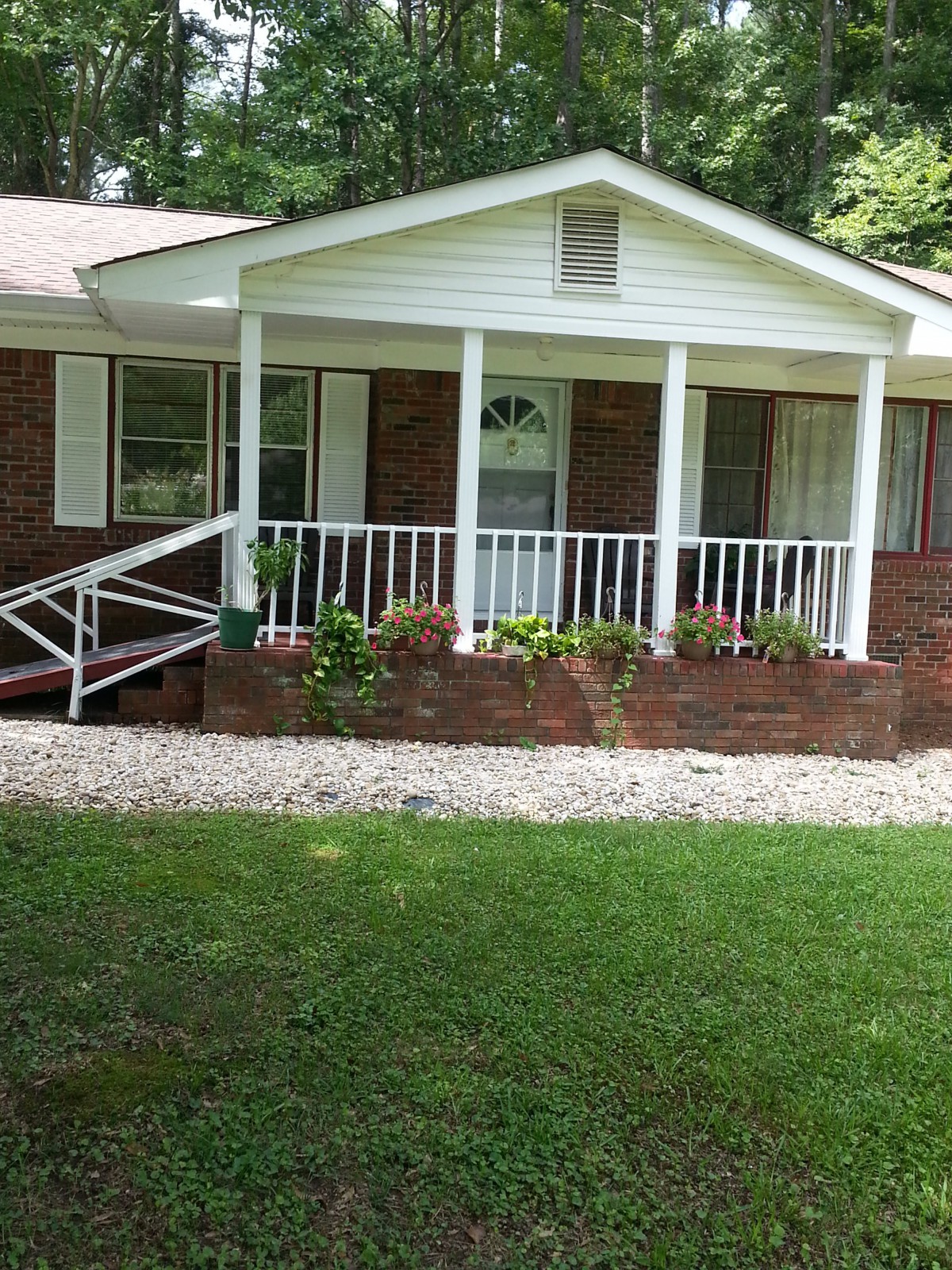
    Comfort Care Personal Care Home in Stone Mountain is best suited for families seeking an intimate, nurse-led care setting for a loved one whose needs include constant monitoring and dementia- or Alzheimer-related care, delivered in a house-like, homey environment. This community shines when a resident benefits from direct access to medical leadership - an RN owner who communicates regularly - and a small, attentive caregiving team. The setting matters here: it's not a sprawling campus, but a comfortable house with a porch, trees, and a yard that fosters a sense of belonging and daily routine. With three meals a day, steady supervision, and a clean, presentable living space, residents feel both safe and comfortable while staying connected to a normal daily cadence.

    Not every family will find Comfort Care the right fit, and this is worth weighing carefully. For residents with highly complex medical needs requiring hospital-level nursing, aggressive rehabilitation, or a very broad array of on-site therapies, a larger facility with more extensive medical infrastructure may be preferable. Families looking for an expansive activities calendar, multiple on-site specialists, or 24/7 physician coverage might want to compare alternatives. The intimate, RN-led model excels at personal attention but may not replicate the breadth of services found in bigger communities.

    The strongest pros here are tangible and well aligned with the reviews: committed leadership, steady, one-on-one communication, and a caregiving team that treats residents with dignity. The owner's RN background translates into vigilant oversight and responsiveness that families repeatedly cite as a key reassurance. Caregivers are described as "awesome," with routines that keep residents engaged and well cared for. The small-house format supports a calm, respectful atmosphere where residents are seen and known, not processed. These elements help offset the inherent limits of a smaller operation by delivering higher-touch care and fewer missed cues when a condition shifts.

    Care outcomes highlighted by families reinforce the value of this setup. One resident arrived bedridden after a fall from a rehab setting and, with the care at Comfort Care, progressed to standing, walking, and participating in a senior program five days a week. Another family notes the shift from a prior independent living arrangement to Comfort Care, where the loved one now receives three balanced meals, regular monitoring, and a stable, friendly environment that supports ongoing quality of life. In dementia and Alzheimer care, these kinds of improvements - enhanced mobility, better engagement, and ongoing safety - are compelling proof that the right intimate setting can yield meaningful gains and sustained well-being.

    From a decision-making standpoint, the path is clear: Comfort Care Personal Care Home is the choice for families prioritizing warmth, consistent nurse-led oversight, and a home-like setting where care feels personal and dignified. To determine fit, prospective families should schedule a visit with the RN-owner and key caregivers (such as Gloria, who is described as caring and trustworthy), tour the living spaces, observe the staff-to-resident dynamics, and sample meals and daily routines. Ask to see how safety is managed day-to-day, what dementia-specific care protocols are in place, and how the facility coordinates with families on care plans. Confirm alignment with expectations around communication frequency, emergency procedures, and financial arrangements, then compare with a few other options to ensure the balance of intimacy, oversight, and scope meets the loved one's needs.

    In the end, Comfort Care Personal Care Home stands out for those who value a small, carefully run setting where an RN owner leads a compassionate, attentive team. It is a compelling match for families seeking steady, qualitative improvements in daily life for a dementia-affected elder, delivered in a respectful, homelike environment. Those who require broad-medical services, extensive rehabilitation, or a larger campus should consider alternatives, but for the right resident, this community offers a level of personalized care, consistent communication, and genuine warmth that can translate into real, meaningful quality of life.

    Features

    Housing

    • 3 resident community capacity 3 resident community capacity

    Types of Care

    • Assisted Living Assisted LivingAssisted living facilities provide crucial support and care for seniors who may need help with daily tasks such as medication management, bathing, and meal preparation. These communities offer a safe and comfortable environment where seniors can maintain their independence while receiving the assistance they need to thrive in their golden years.
    • Board and Care Home Board and Care HomeBoard and care homes provide a smaller, more intimate setting for seniors who require assistance with daily tasks but do not need the level of care offered by a nursing home. They offer personalized care, meals, and social activities in a homelike environment, ensuring that seniors receive individualized attention and support in their golden years.
    • Memory Care Memory CareMemory care is crucial for seniors as it provides specialized support and services for individuals with dementia or Alzheimer's disease. These programs offer a safe and secure environment where residents receive personalized care, cognitive stimulation, and help with daily activities. Memory care helps seniors maintain their independence, quality of life, and dignity while also providing peace of mind for their families.

    Amenities

    • Activities off-site Activities off-siteEngaging in off-site activities is crucial for seniors to maintain social connections, stay active, and stimulate their minds. It promotes overall well-being and helps combat feelings of isolation and loneliness.
    • Activities on-site Activities on-siteActivities on-site are important for seniors because they provide opportunities for socialization, mental stimulation, physical activity, and overall well-being. Engaging in activities can help seniors stay active, maintain their independence, and improve their quality of life.
    • Air-conditioning Air-conditioningAir conditioning is important for seniors as they are more vulnerable to heat-related illnesses and may have underlying health conditions that make it difficult for them to regulate their body temperature. It helps to keep them comfortable, safe, and healthy in hot weather.
    • Bath tubs Bath tubsBath tubs are important for seniors because they provide a safe and relaxing way to bathe, helping to prevent slips and falls while promoting independence and overall well-being.
    • Cable or satellite TV Cable or satellite TVCable or satellite TV is important for seniors because it provides entertainment, news, and companionship, helping to combat loneliness and boredom. It also offers a wide range of programming options tailored to different interests and preferences.
    • Devotional services off-site Devotional services off-siteDevotional services off-site are important for seniors as they provide spiritual nourishment, social engagement, and a sense of community outside of the senior living facility. This can enhance overall well-being and help combat feelings of isolation and loneliness often experienced by older adults.
    • Dining room Dining roomDining rooms are important for seniors as they provide a space for socialization, connection, and nutritious meals. They offer opportunities for residents to bond over shared meals, foster a sense of community, and promote healthy eating habits. Dining rooms also ensure that seniors have access to well-balanced meals tailored to their dietary needs and preferences.
    • Full kitchen Full kitchenHaving a full kitchen in a senior living facility is important for seniors because it allows them to maintain their independence and prepare their own meals. This promotes healthy eating habits, saves money on dining out, and provides a sense of familiarity and comfort for residents.
    • Fully furnished Fully furnishedFully furnished senior living communities are important for seniors because they provide convenience, comfort, and a hassle-free moving experience. Seniors can easily settle into their new living space without the stress of having to buy and move furniture. This allows them to focus on enjoying their new home and community.
    • Garden GardenGardens are important for seniors as they provide a peaceful and therapeutic environment for relaxation, physical activity, and socialization. Being in nature has been shown to reduce stress, improve mood, and promote overall well-being. Gardens also offer opportunities for seniors to engage in gardening activities, which can improve mobility, flexibility, and cognitive function. Additionally, gardens create a sense of community and connection with others who share a passion for plants and outdoor spaces.
    • Ground floor units Ground floor unitsGround floor units are important for seniors because they provide easy accessibility, reduced risk of falls and injuries, and convenience for those with mobility issues. Seniors can avoid climbing stairs or using elevators, making daily tasks and activities more manageable and enjoyable.
    • Housekeeping services Housekeeping servicesHousekeeping services are important for seniors because they help maintain a clean and safe living environment, promote independence, and reduce the risk of accidents or illnesses. Additionally, having assistance with household chores can alleviate physical strain and allow seniors to focus on other aspects of their well-being.
    • Indoor common areas Indoor common areasIndoor common areas are crucial for seniors as they provide a space for socialization, recreation, and community engagement, promoting overall well-being and reducing feelings of isolation and loneliness.
    • Kitchenette KitchenetteKitchenettes are important for seniors living in senior living communities because they provide the convenience and independence of being able to prepare simple meals and snacks in the comfort of their own living space. This can help promote a sense of autonomy and well-being for seniors, allowing them to maintain some level of control over their dietary choices and daily routines.
    • Move-in coordination Move-in coordinationMove-in coordination is important for seniors because it helps ease the transition into their new living environment. It ensures that all logistics, such as packing, organizing movers, and setting up utilities are taken care of, allowing seniors to focus on settling in and adjusting to their new home. Having a smooth move-in process can alleviate stress and anxiety, making the transition smoother and more enjoyable for seniors.
    • Outdoor common areas Outdoor common areasOutdoor common areas are important for seniors as they provide a space for socialization, physical activity, and relaxation. Being outside in nature can improve mood and overall well-being, while also encouraging movement and engagement with others. These spaces can help combat feelings of isolation and promote a sense of community among residents.
    • Outdoor space Outdoor spaceOutdoor spaces are important for seniors as they provide opportunities for physical activity, social interaction, exposure to natural light and fresh air, and a sense of connection to nature. Having access to outdoor spaces can improve overall well-being and quality of life for older adults living in senior communities.
    • Private PrivatePrivacy is important for seniors as it allows them to maintain their independence, dignity, and sense of control over their own lives. It also gives them the space and freedom to relax, reflect, and engage in activities that bring them joy and fulfillment. Creating private spaces within senior living facilities is crucial for promoting overall well-being and quality of life.
    • Private bathrooms Private bathroomsPrivate bathrooms are important for seniors in senior living communities because they provide independence, dignity, and comfort. Having a private bathroom allows seniors to maintain their personal hygiene routines without the need for assistance, promoting a sense of autonomy and privacy. Additionally, private bathrooms help prevent the spread of infections and provide a safe and clean environment for seniors to navigate safely.
    • Telephone TelephoneTelephones are important for seniors as they provide a lifeline for communication with loved ones, emergency services, and healthcare providers. They offer a sense of security and independence, enabling seniors to stay connected and access assistance when needed.
    • Wi-Fi/high-speed internet available Wi-Fi/high-speed internet availableWi-Fi/high-speed internet is important for seniors to stay connected with loved ones, access online resources, and participate in virtual activities to combat feelings of loneliness and isolation. It also allows them to easily manage healthcare needs, access entertainment, and engage in lifelong learning opportunities.

    Transportation

    • William B Hartsfield-Atlanta International (22 miles away) William B Hartsfield-Atlanta International (22 miles away)

    Care Services

    • 24-hour supervision 24-hour supervision24-hour supervision is important for seniors to ensure their safety, well-being, and access to immediate assistance in case of emergencies or health issues. This constant support provides peace of mind for both seniors and their loved ones, allowing them to age in place with dignity and security.
    • Activities of daily living assistance Activities of daily living assistanceActivities of daily living assistance are important for seniors because they provide essential support with tasks such as eating, bathing, dressing, and mobility. This assistance helps seniors maintain their independence, dignity, and overall quality of life as they age.
    • Assistance with bathing Assistance with bathingAssistance with bathing is crucial for seniors as it helps maintain personal hygiene, prevents infections, and ensures their overall well-being and comfort. It also provides a sense of dignity and independence for seniors who may struggle with this task on their own.
    • Assistance with dressing Assistance with dressingAssistance with dressing is important for seniors because it helps maintain their independence, promotes personal hygiene, prevents accidents and injuries, and improves overall quality of life. This service ensures that seniors can continue to dress comfortably and confidently, despite any physical limitations they may have.
    • Assistance with transfers Assistance with transfersAssistance with transfers is crucial for seniors as it helps prevent falls and injuries, maintains their independence, and ensures they can safely navigate their living environment. It also provides peace of mind for both seniors and their loved ones.
    • Coordination with health care providers Coordination with health care providersCoordination with health care providers is crucial for seniors to ensure proper medical care, medication management, and overall well-being. This collaboration helps prevent overlapping treatments, track progress more effectively, and provide comprehensive support tailored to individual needs.
    • Diabetes diet Diabetes dietA diabetes diet is crucial for seniors as it helps manage blood sugar levels, reduce risks of complications, and improve overall health and well-being. By following a balanced and nutritious diet tailored to their specific needs, seniors can better control their diabetes and enhance their quality of life.
    • Diabetic care Diabetic careDiabetic care is crucial for seniors as they are more susceptible to developing diabetes due to aging and other health conditions. Proper management of diabetes can help prevent complications such as heart disease, vision loss, and nerve damage, improving the overall quality of life for seniors in senior living communities.
    • High acuity care High acuity careHigh acuity care is important for seniors because it provides specialized medical attention and support for individuals with complex medical needs. This level of care ensures that seniors receive the appropriate treatment and assistance to maintain their health and quality of life as they age.
    • Incontinence care Incontinence careIncontinence care is essential for seniors to maintain their dignity, hygiene, and overall quality of life. By addressing incontinence issues promptly and effectively, seniors can enjoy a sense of independence and comfort in their daily activities.
    • Meal preparation and service Meal preparation and serviceMeal preparation and service are crucial for seniors as they may have limited mobility or energy to cook nutritious meals. Having access to healthy and convenient food options can ensure they are getting the proper nutrition needed to maintain their overall health and well-being.
    • Medication management Medication managementMedication management is crucial for seniors to ensure they are taking the right medications at the correct dosages and times. This helps prevent adverse drug interactions, reduces the risk of medication errors, and promotes overall health and well-being. Proactive management also allows for adjustments as needed based on changing health conditions or new prescriptions.
    • Special dietary restrictions Special dietary restrictionsSpecial dietary restrictions are important for seniors because age-related changes in metabolism and health conditions can make it difficult for their bodies to process certain foods. By following a diet tailored to their specific needs, seniors can maintain their overall health and well-being, manage chronic conditions, and reduce the risk of complications such as malnutrition or food interactions with medications.
    • Transportation arrangement (medical) Transportation arrangement (medical)Transportation arrangements for medical purposes are essential for seniors as they may have difficulty driving themselves to appointments or accessing public transportation. Having reliable and safe transportation options ensures that seniors can receive timely medical care and maintain their health and well-being.
    • Transportation to doctors appointments Transportation to doctors appointmentsTransportation to doctors' appointments is crucial for seniors as it ensures they have access to necessary medical care and support for their health needs. Without reliable transportation, seniors may struggle to attend important appointments, leading to potential delays in treatment and health complications. Providing transportation services helps seniors maintain their overall well-being and quality of life.

    Dining

    • Diabetes diet Diabetes dietA diabetes diet is crucial for seniors as it helps manage blood sugar levels, reduce risks of complications, and improve overall health and well-being. By following a balanced and nutritious diet tailored to their specific needs, seniors can better control their diabetes and enhance their quality of life.
    • International cuisine International cuisineInternational cuisine is important for seniors because it offers a variety of flavors, ingredients, and cultural experiences that can help keep their meals interesting and enjoyable. Trying new dishes can also stimulate the senses and provide different nutrients that contribute to overall health and well-being. Additionally, exploring international cuisine can bring back fond memories of travels or childhood experiences, making mealtime more nostalgic and fulfilling for seniors.
    • Low / no sodium Low / no sodiumLow/no sodium options are important for seniors because excessive sodium intake can lead to high blood pressure, heart disease, and other health issues commonly experienced by older adults. By choosing low/no sodium foods, seniors can better manage their health and reduce their risk of developing these conditions.
    • Meals provided Meals provided"Meals provided" are crucial for seniors in assisted living communities as it ensures they have access to nutritious, balanced meals without the stress of meal planning and preparation. This can help promote overall health and well-being for seniors who may have limited mobility or cognitive abilities.
    • No Sugar No SugarNo sugar diets are important for seniors because they can help prevent or manage chronic conditions such as diabetes, heart disease, and obesity. Sugar can also contribute to cognitive decline and inflammation in the body, so reducing sugar intake can lead to overall improved health and well-being in older adults.
    • Special dietary restrictions Special dietary restrictionsSpecial dietary restrictions are important for seniors because age-related changes in metabolism and health conditions can make it difficult for their bodies to process certain foods. By following a diet tailored to their specific needs, seniors can maintain their overall health and well-being, manage chronic conditions, and reduce the risk of complications such as malnutrition or food interactions with medications.
    • Vegetarian VegetarianA vegetarian diet is important for seniors because it can help lower the risk of chronic diseases, maintain a healthy weight, and provide essential nutrients needed for aging bodies. Additionally, plant-based diets are often easier on digestive systems and can contribute to overall well-being in older adults.

    Activities

    • Activities off-site Activities off-siteEngaging in off-site activities is crucial for seniors to maintain social connections, stay active, and stimulate their minds. It promotes overall well-being and helps combat feelings of isolation and loneliness.
    • Activities on-site Activities on-siteActivities on-site are important for seniors because they provide opportunities for socialization, mental stimulation, physical activity, and overall well-being. Engaging in activities can help seniors stay active, maintain their independence, and improve their quality of life.
    • Art classes Art classesArt classes are important for seniors because they provide a creative outlet, improve cognitive function, reduce stress and anxiety, promote socialization, and enhance overall well-being and quality of life.
    • Bible study group Bible study groupBible study groups provide seniors with a sense of community, spiritual growth, and support during their later years. It helps them stay connected to their faith, find comfort in difficult times, and build meaningful relationships with others.
    • Community service programs Community service programsCommunity service programs are important for seniors because they provide opportunities for social engagement, physical activity, and mental stimulation. These programs also allow seniors to give back to their communities and maintain a sense of purpose and fulfillment in their lives.
    • Community-sponsored activities Community-sponsored activitiesCommunity-sponsored activities are important for seniors as they provide opportunities for social interaction, mental stimulation, and physical activity. These activities can help improve overall well-being, combat loneliness and isolation, and promote a sense of belonging and purpose among older adults.
    • Day trips and outings Day trips and outingsDay trips and outings are important for seniors as they provide opportunities for socialization, mental stimulation, physical activity, and a break from daily routines. These experiences can enhance overall well-being and quality of life for older adults living in senior communities.
    • Devotional activities offsite Devotional activities offsiteDevotional activities offsite are important for seniors because they provide social engagement, spiritual growth, and a sense of community outside of their living environment. This can improve overall well-being, mental health, and combat feelings of isolation or loneliness.
    • Other religious services Other religious servicesOther religious services are important for seniors as they provide a sense of community, spiritual comfort, and opportunities for socializing. These services can help seniors feel connected to their faith and maintain a sense of purpose and belonging in their later years.
    • Resident band or musicians Resident band or musiciansResident bands or musicians provide entertainment, socialization, and a sense of community for seniors in senior living communities. Music has been proven to have numerous health benefits including reducing stress, improving mood, and enhancing cognitive function. Having regular musical performances can greatly enhance the quality of life for seniors and create a welcoming and enjoyable atmosphere.
    • Scheduled daily activities Scheduled daily activitiesScheduled daily activities are important for seniors because they provide structure, socialization, mental stimulation, and physical activity. Engaging in regular activities can improve overall well-being and quality of life for seniors living in a community setting.
    • Sensory-based programs Sensory-based programsSensory-based programs are important for seniors as they can help stimulate their senses, improve cognitive function, reduce feelings of isolation, and enhance overall quality of life. These programs engage residents in a variety of sensory activities such as music therapy, aromatherapy, tactile stimulation, and reminiscence therapy, providing mental and emotional benefits for older adults in senior living communities.
    • Walking club Walking clubWalking clubs are important for seniors as they promote physical activity, social interaction, and overall well-being. Regular exercise like walking can improve balance, strength, and cardiovascular health while connecting seniors with their community and reducing feelings of loneliness or isolation. Joining a walking club can also provide motivation, accountability, and a sense of belonging for older adults looking to stay healthy and active.

    Description

    Comfort Care Personal Care Home is a warm and inviting assisted living community located in Stone Mountain, GA. We offer two types of care: board and care home and memory care, catering to the unique needs of our residents.

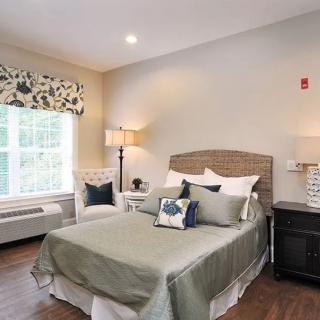
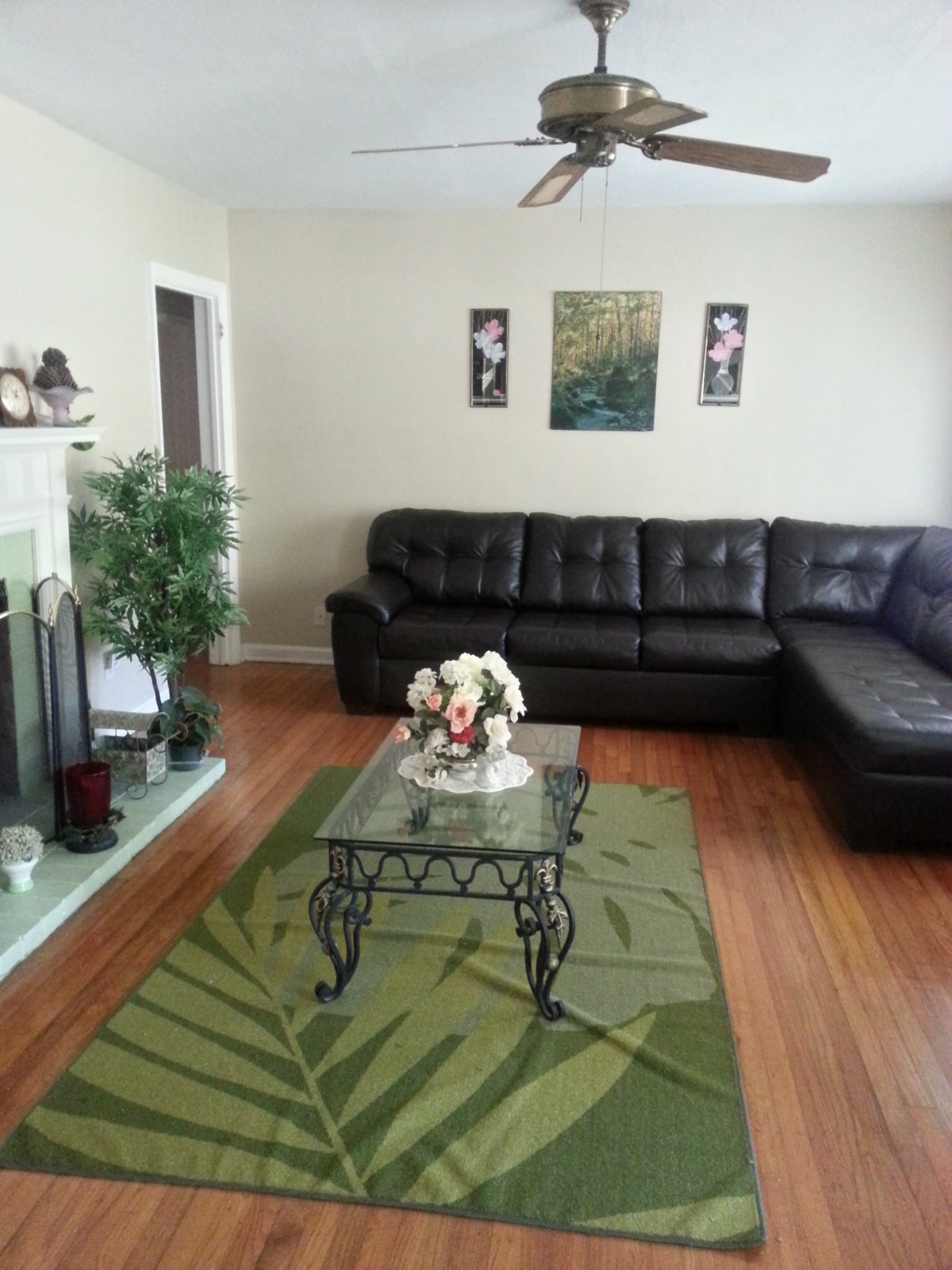
    At Comfort Care Personal Care Home, we prioritize creating a comfortable and homely environment for our residents. Our fully furnished living spaces feature air-conditioning and private bathrooms for their convenience and comfort. They can enjoy their favorite shows on cable or satellite TV in the privacy of their own rooms.

    Our community offers a range of amenities to enhance the daily lives of our residents. They can engage in various activities on-site, such as art classes, walking club, and sensory-based programs that stimulate both body and mind. Our beautiful garden and outdoor common areas provide a tranquil space for relaxation or socializing with other residents.

    We take pride in providing exceptional care services to ensure the well-being of our residents. Our dedicated staff assists with daily activities such as bathing, dressing, transfers, and medication management. We also coordinate with health care providers to address any specific medical needs or requirements. For those with diabetes or special dietary restrictions, we offer diabetes diets, diabetic care, high acuity care, and special meal preparation.

    Meals at Comfort Care Personal Care Home are truly satisfying as we offer international cuisine while accommodating special dietary needs such as low/no sodium, no sugar, and vegetarian options. Residents can enjoy delicious meals provided within our dining room.

    Our convenient location provides easy access to nearby parks where residents can enjoy nature's beauty during day trips or outings. There are also pharmacies, physicians' offices, restaurants, and places of worship nearby for added convenience.

    At Comfort Care Personal Care Home, we strive to create an inclusive community where residents feel valued and engaged. From community-sponsored activities to devotional services off-site, there is something for everyone here.

    Come experience the warmth and care at Comfort Care Personal Care Home – a place where your loved one's comfort and well-being are our top priorities.

    Nearby Places of Interest

    This part of Stone Mountain, Georgia offers a diverse array of amenities and services that cater to a senior lifestyle. With several places of worship nearby, such as the Mountain Park United Methodist Church and Corpus Christi Catholic Church, seniors have access to spiritual support and community engagement. The proximity of pharmacies like Kroger Pharmacy and Walgreens ensures easy access to medication and healthcare needs. Additionally, there are various dining options ranging from Metro Cafe Diner to Chick-Fil-A, providing a variety of culinary experiences for seniors to enjoy. For recreational activities, parks like Mountain Park Park and Stone Mountain Park offer opportunities for outdoor leisure and exercise. Access to quality healthcare is also readily available with clinics like Stone Mountain Family Practice and Ankle And Foot Centers Of Georgia in close proximity. Overall, this area provides a well-rounded environment for senior living with convenient access to essential services and recreational opportunities.

    Places of Worship

    • Mountain Park United Methodist Church (0.4 miles)
    • Mountain Park First Baptist Church (0.6 miles)
    • St Stephen The Martyr (2.3 miles)
    • Bethany Baptist Church (3.2 miles)
    • Lilburn Alliance Church (3.9 miles)
    • Corpus Christi Catholic Church (4.4 miles)
    • Shiloh Christian Church (5.6 miles)

    Pharmacies

    • Kroger Pharmacy (0.7 miles)
    • Walgreens (3.8 miles)
    • CVS Pharmacy (3.9 miles)
    • Walgreens (4 miles)
    • Walgreens (5.1 miles)
    • Walgreens (5.1 miles)
    • Walgreens (5.2 miles)

    Restaurants

    • Metro Cafe Diner (0.8 miles)
    • Stone Mountain Pizza Cafe (1 miles)
    • KFC (1 miles)
    • McDonald's (1.1 miles)
    • Chick-Fil-A (1.3 miles)
    • Sonic Drive-In (1.6 miles)
    • Parkview High School Cafeteria Building D (1.9 miles)

    Physicians

    • Stone Mountain Family Practice (0.8 miles)
    • Gynecology and Obstetrics of Dekalb PC (0.8 miles)
    • Abc Pediatrics (1.4 miles)
    • Ankle And Foot Centers Of Georgia (3.2 miles)
    • Reagan Medical Center (5.4 miles)
    • Badar H Syed (5.7 miles)
    • Gwinnet Center for Outpatient Surgery (5.7 miles)

    Parks

    • Mountain Park Park (1 miles)
    • Stone Mountain Park (2.3 miles)
    • Almost To The Top Of Stone Mountain (2.3 miles)
    • Stone Mountain Walk Up Trail (2.7 miles)
    • Henderson Park (6.4 miles)
    • Redan Park (6.5 miles)
    • Lenora Park (7.5 miles)

    Cafes

    • Starbucks (5.1 miles)
    • Panera Bread (7.1 miles)

    Theaters

    • AMC Classic Snellville 12 (7 miles)
    • Movie Tavern Northlake Festival (7.3 miles)
    • SMG Duluth (8 miles)

    Frequently Asked Questions

    How much does it cost to live at Comfort Care Personal Care Home in Stone Mountain, GA?
    Where is Comfort Care Personal Care Home?
    Does Comfort Care Personal Care Home provide care for residents with dementia or Alzheimer's disease?
    What photos are available for Comfort Care Personal Care Home in Stone Mountain, Georgia?

    Nearby Communities

    • Medi-Cure

      Medi-Cure

      Stone Mountain, GA


      pro Great access to parks, healthcare, dining, and worship.

    • Brookside Stone Mountain

      Brookside Stone Mountain

      Stone Mountain, GA

      3.9 from 71 reviews
      $3,100 to $4,100 / month

      pro Clean facility with attentive staff and good dining.

    • Beverly House

      Beverly House

      Lilburn, GA


      pro Fully furnished apartments with comprehensive care (meals, activities, medical coordination).

    • Park Springs

      Park Springs

      Stone Mountain, GA

      4.2 from 117 reviews
       

      pro Upscale, hotel-like setting with diverse dining options and extensive amenities.

    • Cobblestone Assisted Living At Park Springs

      Cobblestone Assisted Living At Park Springs

      Stone Mountain, GA


      pro Restaurant-style dining, wellness center, beauty salon, fitness programs, and non-medical transportation.

    • Lake Oconee Assisted Living

      Lake Oconee Assisted Living

      Stone Mountain, GA


      pro Close to amenities with a warm, caregiver-supported environment.

    • Sunrise of Five Forks

      Sunrise of Five Forks

      Lilburn, GA

      4.7 from 105 reviews
      $4,740 to $7,710 / month

    • Rosemont At Stone Mountain

      Rosemont At Stone Mountain

      Stone Mountain, GA

      2.7 from 78 reviews
       

      pro Polite staff, attentive administration, clean environment, and engaging activities.

    • Meadowbrook Health And Rehab

      Meadowbrook Health And Rehab

      Tucker, GA

      2.8 from 4 reviews
       

      pro Friendly, attentive staff and a clean, welcoming environment.

    Related Resources

    • alzheimer's factsIlluminating Insights About Alzheimer's Disease: Ten Crucial Realities

      Alzheimer’s disease is a progressive neurological disorder that significantly impacts memory and cognitive functions, accounting for 60-80% of dementia cases, with early diagnosis being crucial yet challenging. It involves brain changes like beta-amyloid plaques and tau tangles, influenced by genetic and lifestyle factors, and while there is no cure, symptom management and support for caregivers are essential.

    • list of drugs linked to dementiaA Thorough Discussion of Medications Potentially Linked to Dementia Risk

      Dementia, influenced by aging and certain medications, may be exacerbated by drug classes such as anticholinergics, benzodiazepines, and antipsychotics, which are associated with cognitive impairment. Regular medication reviews by healthcare professionals are crucial for older adults to manage risks and optimize cognitive health.

    • do dementia patients sleep a lotWhy Do Dementia Patients Sleep So Much? Understanding Oversleeping, Stages, and Care Approaches


      Dementia often results in disrupted sleep patterns, leading to excessive daytime sleeping due to factors like brain damage affecting circadian rhythms, medication side effects, and lack of structure in daily activities. Caregivers must monitor these changes closely, as oversleeping can increase risks such as malnutrition or dehydration, and provide necessary support and routines to enhance patient engagement and well-being.


    Get Pricing Ask A Question Schedule A Tour Contact Senior Advisor