
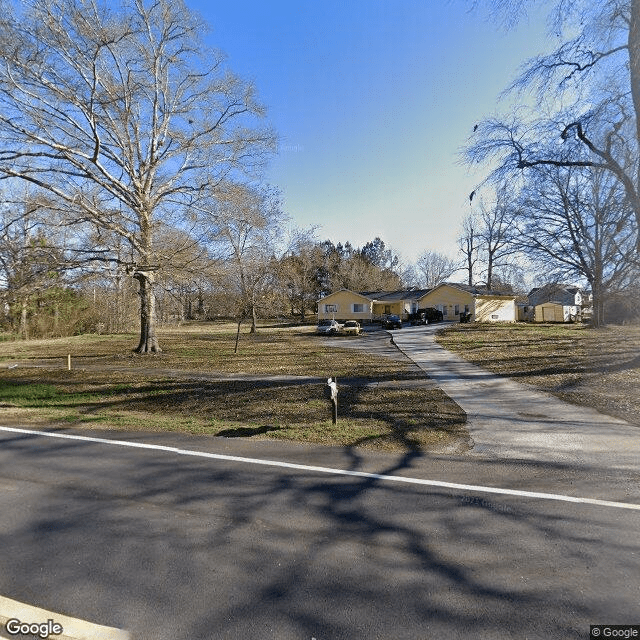
4841 Lenora Church Road, Snellville, GA 30039
For more information about senior living options: (866) 208-4318

Exceptional Cares Costs & Pricing
Exceptional Cares offers competitive pricing for its services, particularly when compared to both Rockdale County and the broader state of Georgia. For a semi-private room, Exceptional Cares sets the monthly fee at $1,700, which is notably lower than Rockdale County's average of $1,926 and significantly less than Georgia's statewide average of $2,529. When it comes to private rooms, Exceptional Cares maintains this trend with a monthly cost of $2,400 - again more affordable than Rockdale County's rate of $2,363 and Georgia's overall average of $2,864. This pricing structure underscores Exceptional Cares' commitment to providing high-quality care at accessible rates for residents seeking supportive living options.
| Floor plans | Exceptional Cares | Rockdale County | Georgia |
|---|---|---|---|
| Semi-Private | $1,700 | $1,926 | $2,529 |
| Private | $2,400 | $2,363 | $2,864 |
Assisted Living communities with a similar price nearby
-
from +$100 / mo

G & M Personal Care Home
$1,800 to $2,500 / month5.6 miles away -
from +$300 / mo
Tender Care Assisted Living
$2,000 to $2,400 / month21.5 miles away -
from -$200 / mo
Candler Ridge II
$1,500 to $2,000 / month10.8 miles away -
from +$100 / mo
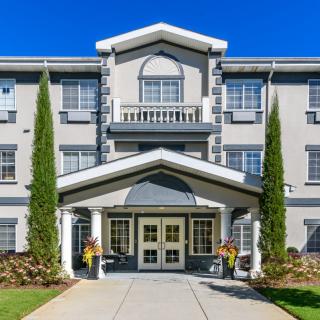
Villa Palazzo Senior Living Community
$1,800 to $3,850 / month24.9 miles away -
from +$75 / mo

Senior Living At Mercy's Point
$1,775 to $1,875 / month11.5 miles away
Overall Review of Exceptional Cares
Pros
 Exceptional Care Inc. provides excellent service to the elderly.
 - The staff at Exceptional Care Inc. is compassionate and professional.
- Exceptional Care Inc. assists seniors in every possible way.
- Exceptional Care Inc. is a wonderful organization that supports the elderly and disabled.
- Testimonials from elderly clients and families highlight the positive impact of Exceptional Care's work.
- The annual holiday gala showcased Exceptional Care's dedication and quality service.
Review
Exceptional Care in Snellville is best suited for seniors and families who value a deeply caregiver-centered, mission-driven approach to elder and disabled support, especially when Medicaid eligibility is not met or private-pay arrangements are planned. The organization appears to excel as a community-focused partner that emphasizes quality services delivered with compassion and professionalism. It suits those who want personal attention, accessible staff, and a proven commitment to residents’ well-being over a polished but impersonal institutional feel. Families seeking a program rooted in humane service rather than a purely clinical model will find this option aligns with their priorities. The positive resonance from testimonials and the visible community engagement reinforce that this is a place where relationships drive outcomes.
Those weighing alternatives should consider options that provide more traditional assisted living structures, memory care specialization, or Medicaid-accepting arrangements. For families needing robust on-site nursing oversight, routine clinical monitoring, or guaranteed Medicaid coverage, other communities may be better suited to those requirements. If the budget relies on Medicaid or if the care plan anticipates intensive medical management, it is prudent to explore facilities whose core offering includes clinical services and formal Medicaid pathways. This is not a misfit so much as a matter of matching the care model to funding reality and clinical expectations. In short, this option shines when the emphasis is on compassionate, personalized support rather than high-level medical nursing.
The strongest advantages lie in the staff’s demonstrated compassion and professional conduct, along with a clear dedication to serving the elderly and disabled. Descriptions from families and clients emphasize a respectful, attentive culture, where staff are seen as present, dependable, and genuinely invested in residents’ daily quality of life. The organization’s focus on individuals who have not met Medicaid requirements signals flexibility and a willingness to tailor services to private-pay or alternative funding scenarios, rather than rigidly enforcing eligibility barriers. The annual gala and public testimonials contribute to a reputation for genuine community involvement, suggesting a supportive network around residents beyond routine care. Those factors collectively offset the absence of a traditional medical-intensive profile.
Where the model could pose challenges, the cost-and-coverage dynamic stands out as the most meaningful consideration. If Medicaid funding is a non-starter, families must plan around private-pay or alternative assistance, which can be a barrier for some budgets. The reviews do not document extensive clinical programming or memory-care specialization, so families seeking those exact services should verify scope and credentials before deciding. Still, the offset comes from a clearly trustworthy culture and a proven ability to cultivate consistent, meaningful engagement with residents. The alignment between staff dedication and resident well-being often translates into lower stress for families during transitions and ongoing caregiving.
From a practical decision-making perspective, prospective residents should ask direct questions about funding options, the exact range of services offered, and how care plans are coordinated on a daily basis. Inquire about staff-to-resident ratios, supervision levels, and pathways for escalating concerns. Request opportunities to meet front-line caregivers and to observe routines that matter most to families, medication administration, meal support, and activity engagement. Explore whether the community can accommodate future changes, such as gradual shifts toward more intensive care if needs evolve, and whether there are partnerships with medical providers for coordination of care when clinical oversight becomes necessary. A firsthand tour combined with candid conversations will illuminate how well the philosophy matches family goals.
Ultimately, Exceptional Care presents as a compelling option for families seeking a warm, dedicated, non-clinical care environment for elderly and disabled loved ones, particularly when Medicaid is not in play and private-pay arrangements are feasible. The combination of compassionate staff, professional conduct, and visible community involvement makes it a practical choice for those prioritizing daily quality of life, meaningful interaction, and a trusted caregiver presence. However, for families whose primary requirements include robust medical oversight, clinical memory-care capabilities, or Medicaid-powered access, alternative paths should be explored to ensure alignment with long-term care needs and financial planning. In the right circumstances, this community delivers peace of mind through dependable, heart-forward service.
 3 resident community capacity
 Assisted Living
 Board and Care Home
 Activities off-site
 Bath tubs
 Cable or satellite TV
 Devotional services off-site
 Dining room
 Fully furnished
 Garden
 Housekeeping services
 Indoor common areas
 Move-in coordination
 Outdoor common areas
 Private
 Private bathrooms
 Respite or short term stays offered
 Telephone
 Wheelchair accessible showers
 Wi-Fi/high-speed internet available
 24-hour supervision
 Ambulatory care
 Assistance with bathing
 Assistance with dressing
 Assistance with transfers
 Diabetes diet
 Diabetic care
 High acuity care
 Incontinence care
 Meal preparation and service
 Medication management
 Special dietary restrictions
 Transportation arrangement (medical)
 Transportation to doctors appointments


 Exploring the Path to Senior Living: A Comprehensive Look at Independent Living and Assisted Living
 Is Assisted Living Deductible on Your Taxes? Understanding the Complexities of Assisted Living Expenses and Deductions
 Assisted Living Support for Veterans: A Complete and Detailed Overview