Lowe's Guardian Angel II

7056 Eunice Drive, Riverdale, GA 30274

For more information about senior living options: (844) 490-3973

3.5 from 11 reviews
5 stars
6
4 stars
1
3 stars
0
2 stars
0
1 stars
4

Assisted Living

What level of care are you interested in?

Assisted Living

Memory Care

Independent Living

Skilled Nursing Facility

Continuing Care Retirement Community (CCRC)CCRC

Other


Request a tour at Lowe's Guardian Angel II

    Overall Review of Lowe's Guardian Angel II

    Pros

    • pro The facility features a school that the brother loves attending.
    • pro The presence of two aides is appreciated because the job can be overwhelming for one person.
    • pro The reviewer feels blessed to be part of the Guardian Angel family.
    • pro Essence Reed is happy every day she attends the program, both when she goes and when she returns.
    • pro Essence Reed is encouraged to love herself and to love others.
    • pro The program has brought much joy to Essence Reed and is highly recommended for a day program.
    • pro The reviewer expresses deep appreciation for what the Guardian Angels are doing for Essence Reed.

    Cons

    • pro They say the facility has gone downhill since COVID.
    • pro They report their brother has been in and out of the hospital and has had repeated staphylococcus infections.
    • pro They state most of his clothes, his television, and shoes go missing and the place is a mess.
    • pro They say the new person in charge is very unkind and has an attitude.
    • pro They believe the facility should have its license revoked and be shut down by the state.
    • pro They allege the host home provider abused, neglected residents, swindled money, and did not provide receipts or proper training.
    • pro They claim the job there was easily the worst they've had and that the staff do not genuinely care for their clients.

    Review

    Lowe's Guardian Angels is a place that draws a wide range of emotions from families and workers, and the stories surrounding it read like a mosaic of experiences. For one family, it has been a lifeline that kept a beloved brother connected to care and learning. This caregiver describes how her brother has lived there since 2019 after their parents passed away, and she placed him there because she worked long 10-hour shifts and wanted him to be supported in an environment designed to help him. She notes that the site once offered a school-centered routine, which his brother loved, and there were two aides who cared for the residents, a system that felt manageable and nurturing to her. The sense of purpose and stability around the school-like center is even now a central memory she clings to.

    Yet the same account pivots to a troubling decline that she attributes to the era after COVID. She says the place has "went downhill," with her brother ending up in the hospital repeatedly and facing staphylococcus infections more than once. She paints a tangible picture of loss and neglect: clothes, his television, and even shoes have gone missing, and she describes the facility as a mess in terms of care and accountability. The caretaker's changes have brought new dynamics; she used to be able to pick him up and bring him home, but after a hospital visit for infection, that option vanished. The new person in charge is described as very unkind, and the caregiver's love for her brother fuels the frustration she feels about the atmosphere and treatment there. In her view, the facility needs to be scrutinized - perhaps ultimately shut down by the state or by another oversight body that genuinely cares for people with disabilities.

    A second voice in the mix offers a starkly different, and even more alarming, perspective. This reviewer identifies themselves as a parent of a developmentally disabled adult who is currently missing, a situation they attribute to a host home provider associated with the same organization. They describe abuse and neglect and accuse the host home provider of swindling money without providing receipts, and they claim the owners themselves have not provided any receipts either. The message is urgent and unequivocal: this reviewer warns others not to entrust loved ones to this company, insisting that those involved are not trained to handle people with disabilities and that oversight is sorely lacking. The intensity of this account reinforces a fear that there are serious safety and financial integrity issues at play, separate from - and in addition to - the everyday caregiving concerns that families face.

    Another piece of the picture comes from someone who has worked for the organization, offering a blunt, professional perspective on the workplace itself. Describing the experience as "easily the worst job" they have had, this former employee says they left in under six months and felt compelled to report the business twice. The critique is pointed: the staff do not genuinely care for their clients, and the person making this statement even jokes that they wouldn't trust the facility to care for their fish. It's a harsh, no-nonsense appraisal of the culture and the level of compassion and commitment from the staff, suggesting a troubling lack of alignment with the mission of caregiver support and resident welfare.

    Amid these layers of concern, there is also a strong current of praise from another voice connected to the same organization. Teresa Echols writes with warmth and gratitude about a daughter who attends a program described as the Lowes Guardian Angel family. She speaks of deep blessings and transformation, claiming that the staff have brought joy to Essence Reed on a daily basis. According to her, the team has encouraged Essence to love herself and to extend love to others, crediting the program with meaningful, positive development in a relatively short time. She expresses fervent support, saying she loves the guardians and the work they are doing "for Essence" and emphasizes the emotional impact of feeling seen, valued, and supported by the program.

    Taken together, these accounts reveal a landscape of highly variable experiences. For some families, Lowe's Guardian Angels functions as a vital daily support system - one that provides structure, education, and a sense of community for a loved one and some peace of mind for the caregiver who must juggle work and caregiving. The presence of a school-like component and a stable routine stands out as a powerful positive element, especially for someone who has cherished education and engagement as a core part of daily life. The affection and gratitude expressed by families who see tangible joy and personal growth in their loved ones cannot be dismissed.

    On the other hand, there are persistent concerns that cannot be ignored. Reports of post-COVID decline, ongoing medical emergencies, and missing belongings paint a picture of lapses in everyday safety and accountability. Claims of unkind leadership, restricted transportation back to family homes, and a perceived erosion of the supportive staffing model raise serious questions about how the facility is run and overseen. The more severe allegations - from a parent claiming a missing family member and financial improprieties by a host home provider - underscore the potential for abuse and neglect when oversight, training, and transparency are insufficient. The fear and urgency expressed by those families threaten to overshadow the positive stories that exist, highlighting a need for comprehensive review, stronger safeguards, and clearer, verifiable accountability across the board.

    What emerges is a community at a crossroads: some participants and families experience meaningful, enriching care that helps individuals grow, feel loved, and participate in day programs that validate their worth. Others describe moments of fear, loss, and distrust - situations where belongings disappear, medical concerns go unresolved, or where the care culture feels misaligned with the core values of respect and compassion. The divergent voices suggest that the quality of care at Lowe's Guardian Angels is not uniform and may depend heavily on leadership, staffing consistency, and the level of oversight the facility receives. In any case, the stories illuminate the deeply personal stakes involved when families entrust a caregiver with the well-being of someone they love, and they call for careful attention to safety, transparency, and accountability to ensure the best possible outcomes for all residents.

    Features

    Housing

    • 4 resident community capacity 4 resident community capacity

    Types of Care

    • Assisted Living Assisted LivingAssisted living facilities provide crucial support and care for seniors who may need help with daily tasks such as medication management, bathing, and meal preparation. These communities offer a safe and comfortable environment where seniors can maintain their independence while receiving the assistance they need to thrive in their golden years.

    Amenities

    • Cable or satellite TV Cable or satellite TVCable or satellite TV is important for seniors because it provides entertainment, news, and companionship, helping to combat loneliness and boredom. It also offers a wide range of programming options tailored to different interests and preferences.
    • Dining room Dining roomDining rooms are important for seniors as they provide a space for socialization, connection, and nutritious meals. They offer opportunities for residents to bond over shared meals, foster a sense of community, and promote healthy eating habits. Dining rooms also ensure that seniors have access to well-balanced meals tailored to their dietary needs and preferences.
    • Fully furnished Fully furnishedFully furnished senior living communities are important for seniors because they provide convenience, comfort, and a hassle-free moving experience. Seniors can easily settle into their new living space without the stress of having to buy and move furniture. This allows them to focus on enjoying their new home and community.
    • Garden GardenGardens are important for seniors as they provide a peaceful and therapeutic environment for relaxation, physical activity, and socialization. Being in nature has been shown to reduce stress, improve mood, and promote overall well-being. Gardens also offer opportunities for seniors to engage in gardening activities, which can improve mobility, flexibility, and cognitive function. Additionally, gardens create a sense of community and connection with others who share a passion for plants and outdoor spaces.
    • Housekeeping services Housekeeping servicesHousekeeping services are important for seniors because they help maintain a clean and safe living environment, promote independence, and reduce the risk of accidents or illnesses. Additionally, having assistance with household chores can alleviate physical strain and allow seniors to focus on other aspects of their well-being.
    • Move-in coordination Move-in coordinationMove-in coordination is important for seniors because it helps ease the transition into their new living environment. It ensures that all logistics, such as packing, organizing movers, and setting up utilities are taken care of, allowing seniors to focus on settling in and adjusting to their new home. Having a smooth move-in process can alleviate stress and anxiety, making the transition smoother and more enjoyable for seniors.
    • Outdoor space Outdoor spaceOutdoor spaces are important for seniors as they provide opportunities for physical activity, social interaction, exposure to natural light and fresh air, and a sense of connection to nature. Having access to outdoor spaces can improve overall well-being and quality of life for older adults living in senior communities.
    • Telephone TelephoneTelephones are important for seniors as they provide a lifeline for communication with loved ones, emergency services, and healthcare providers. They offer a sense of security and independence, enabling seniors to stay connected and access assistance when needed.
    • Wi-Fi/high-speed internet available Wi-Fi/high-speed internet availableWi-Fi/high-speed internet is important for seniors to stay connected with loved ones, access online resources, and participate in virtual activities to combat feelings of loneliness and isolation. It also allows them to easily manage healthcare needs, access entertainment, and engage in lifelong learning opportunities.

    Transportation

    • William B Hartsfield-Atlanta International (6 miles away) William B Hartsfield-Atlanta International (6 miles away)

    Care Services

    • 24-hour supervision 24-hour supervision24-hour supervision is important for seniors to ensure their safety, well-being, and access to immediate assistance in case of emergencies or health issues. This constant support provides peace of mind for both seniors and their loved ones, allowing them to age in place with dignity and security.
    • Activities of daily living assistance Activities of daily living assistanceActivities of daily living assistance are important for seniors because they provide essential support with tasks such as eating, bathing, dressing, and mobility. This assistance helps seniors maintain their independence, dignity, and overall quality of life as they age.
    • Assistance with bathing Assistance with bathingAssistance with bathing is crucial for seniors as it helps maintain personal hygiene, prevents infections, and ensures their overall well-being and comfort. It also provides a sense of dignity and independence for seniors who may struggle with this task on their own.
    • Assistance with dressing Assistance with dressingAssistance with dressing is important for seniors because it helps maintain their independence, promotes personal hygiene, prevents accidents and injuries, and improves overall quality of life. This service ensures that seniors can continue to dress comfortably and confidently, despite any physical limitations they may have.
    • Assistance with transfers Assistance with transfersAssistance with transfers is crucial for seniors as it helps prevent falls and injuries, maintains their independence, and ensures they can safely navigate their living environment. It also provides peace of mind for both seniors and their loved ones.
    • Coordination with health care providers Coordination with health care providersCoordination with health care providers is crucial for seniors to ensure proper medical care, medication management, and overall well-being. This collaboration helps prevent overlapping treatments, track progress more effectively, and provide comprehensive support tailored to individual needs.
    • Diabetes diet Diabetes dietA diabetes diet is crucial for seniors as it helps manage blood sugar levels, reduce risks of complications, and improve overall health and well-being. By following a balanced and nutritious diet tailored to their specific needs, seniors can better control their diabetes and enhance their quality of life.
    • Meal preparation and service Meal preparation and serviceMeal preparation and service are crucial for seniors as they may have limited mobility or energy to cook nutritious meals. Having access to healthy and convenient food options can ensure they are getting the proper nutrition needed to maintain their overall health and well-being.
    • Medication management Medication managementMedication management is crucial for seniors to ensure they are taking the right medications at the correct dosages and times. This helps prevent adverse drug interactions, reduces the risk of medication errors, and promotes overall health and well-being. Proactive management also allows for adjustments as needed based on changing health conditions or new prescriptions.
    • Special dietary restrictions Special dietary restrictionsSpecial dietary restrictions are important for seniors because age-related changes in metabolism and health conditions can make it difficult for their bodies to process certain foods. By following a diet tailored to their specific needs, seniors can maintain their overall health and well-being, manage chronic conditions, and reduce the risk of complications such as malnutrition or food interactions with medications.
    • Transportation arrangement (medical) Transportation arrangement (medical)Transportation arrangements for medical purposes are essential for seniors as they may have difficulty driving themselves to appointments or accessing public transportation. Having reliable and safe transportation options ensures that seniors can receive timely medical care and maintain their health and well-being.
    • Transportation to doctors appointments Transportation to doctors appointmentsTransportation to doctors' appointments is crucial for seniors as it ensures they have access to necessary medical care and support for their health needs. Without reliable transportation, seniors may struggle to attend important appointments, leading to potential delays in treatment and health complications. Providing transportation services helps seniors maintain their overall well-being and quality of life.

    Dining

    • Diabetes diet Diabetes dietA diabetes diet is crucial for seniors as it helps manage blood sugar levels, reduce risks of complications, and improve overall health and well-being. By following a balanced and nutritious diet tailored to their specific needs, seniors can better control their diabetes and enhance their quality of life.
    • Special dietary restrictions Special dietary restrictionsSpecial dietary restrictions are important for seniors because age-related changes in metabolism and health conditions can make it difficult for their bodies to process certain foods. By following a diet tailored to their specific needs, seniors can maintain their overall health and well-being, manage chronic conditions, and reduce the risk of complications such as malnutrition or food interactions with medications.

    Activities

    • Community-sponsored activities Community-sponsored activitiesCommunity-sponsored activities are important for seniors as they provide opportunities for social interaction, mental stimulation, and physical activity. These activities can help improve overall well-being, combat loneliness and isolation, and promote a sense of belonging and purpose among older adults.
    • Scheduled daily activities Scheduled daily activitiesScheduled daily activities are important for seniors because they provide structure, socialization, mental stimulation, and physical activity. Engaging in regular activities can improve overall well-being and quality of life for seniors living in a community setting.

    Description

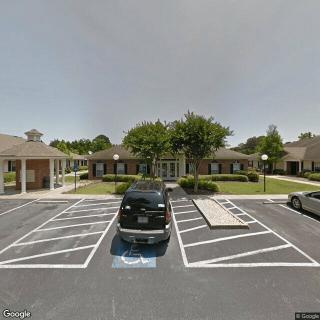
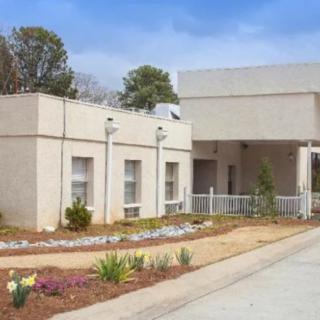
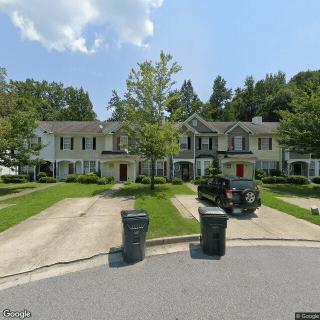
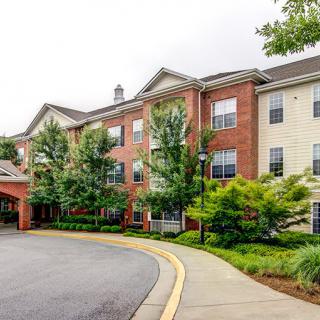
    Lowe's Guardian Angel II in Riverdale, GA, is an inviting and supportive assisted living community designed to enhance the quality of life for its residents. With a range of amenities and care services, it provides a comfortable and engaging environment for individuals seeking both independence and assistance.

    The community features a welcoming dining room where residents can enjoy nutritious meals tailored to special dietary restrictions, ensuring that individual health needs are met. The fully furnished accommodations are designed to feel like home, complemented by beautiful outdoor spaces and gardens where residents can relax or socialize with peers.

    Residents benefit from a variety of housekeeping services and move-in coordination to ease the transition into their new living space. High-speed internet access and telephone services keep everyone connected to family and friends.

    At Lowe's Guardian Angel II, personalized care is prioritized. Staff members are trained to assist with daily activities such as bathing, dressing, and transfers while also coordinating closely with healthcare providers. Special attention is given to dietary needs, including meal preparation aligned with diabetes management.

    Engagement is key at this community. Scheduled daily activities promote socialization and physical well-being, ensuring that residents remain active and involved.

    The location offers convenient access to various amenities nearby, such as cafes, parks for leisurely strolls, multiple pharmacies for easy medication access, numerous physicians for health care needs, several restaurants for dining out options, places of worship for spiritual fulfillment, theaters for entertainment outings, along with hospitals positioned close by for urgent medical support.

    Overall, Lowe's Guardian Angel II is more than just an assisted living facility; it's a vibrant community focused on providing compassionate care while fostering independence and happiness among its residents.

    Nearby Places of Interest

    Physicians

    • Atlanta Heart Associates (0.9 miles)
    • Pulmonary & Sleep Medicine Associates (0.9 miles)
    • Southside Internal Medicine PC (1.1 miles)
    • Southern Heart Specialists (1.1 miles)
    • Atlanta Ropheka Medical (1.1 miles)
    • Southern Crescent Behavioral Medicine (1.2 miles)
    • Kevin Stewart Freeman (1.2 miles)

    Pharmacies

    • Heart Pharmacy (1 miles)
    • Walgreens (1.1 miles)
    • CVS Pharmacy (1.2 miles)
    • Walgreens (2.5 miles)
    • CVS Pharmacy (2.8 miles)
    • CVS Pharmacy (3 miles)
    • CVS Pharmacy (4.1 miles)

    Hospitals

    • Labor & Delivery (1.3 miles)
    • Southern Regional Health System (1.3 miles)

    Restaurants

    • Chick-Fil-A (1.3 miles)
    • Club Sugar Bush (2.6 miles)
    • Slutty Vegan (3.7 miles)
    • McDonald's (4.2 miles)
    • Chick-Fil-A (4.3 miles)
    • McDonald's (4.4 miles)
    • Arby's (4.5 miles)

    Places of Worship

    • New Macedonia Baptist Church (1.7 miles)

    Theaters

    • AMC Southlake 24 (4 miles)
    • Cinemark Tinseltown 17 And Xd (6.4 miles)

    Cafes

    • Eat More Korean (4.2 miles)
    • Starbucks (6.2 miles)
    • Panera Bread (6.4 miles)

    Parks

    • Forest Park Recreation & Parks (4.4 miles)
    • Creel Park (5 miles)

    Transportation

    • Korean Air (5 miles)
    • Runway 9R/27L (5.2 miles)
    • Runway 9L/27R (5.3 miles)
    • Concourse F (5.5 miles)
    • TSA PreCheck (5.5 miles)
    • Delta Sky Club (5.5 miles)
    • Plane Train Concourse F (5.6 miles)

    Frequently Asked Questions

    Where is Lowe's Guardian Angel II?

    Nearby Communities

    Related Resources

    • va benefits for assisted livingAssisted Living Support for Veterans: A Complete and Detailed Overview

      The guide highlights the importance of assisted living facilities for aging veterans needing daily support, discusses unique challenges they face, and outlines available financial assistance from the VA, including the Aid and Attendance program. It emphasizes understanding eligibility criteria and navigating the VA system to access necessary benefits effectively.

    • assisted living vs skilled nursingExploring the Contrasts Between Assisted Living and Skilled Nursing

      The article compares assisted living and skilled nursing facilities, detailing their differing levels of assistance, medical support, cost structures, and day-to-day experiences. It emphasizes that assisted living is for those needing help with daily activities while maintaining independence, whereas skilled nursing facilities provide intensive medical care with 24-hour staff supervision.

    • when to move from assisted living to nursing home8 Key Indicators That Suggest It May Be Time to Transition from Assisted Living to Skilled Nursing Care

      The transition from assisted living to skilled nursing care is often prompted by complex medical needs that assisted living cannot meet, with key indicators including frequent health declines, increased falls, severe memory issues, and caregiver burnout. Families should recognize these signs early to discuss options with healthcare providers and prepare for the emotional and logistical aspects of moving to a facility that offers comprehensive medical support.


    Get Pricing Ask A Question Schedule A Tour Contact Senior Advisor