Riverdale Center / Care and Rehabilitation C Costs & Pricing
Riverdale Center / Care and Rehabilitation C presents a notable contrast in monthly costs when compared to both Clayton County and the broader state of Georgia. For semi-private accommodations, residents at Riverdale Center face a fee of $4,800 per month, significantly higher than the county average of $2,164 and the state average of $2,529. This trend continues with private room options; at Riverdale Center, the cost is set at $5,100 per month, while Clayton County's average is considerably lower at $2,449 and Georgia's statewide figure stands at $2,864. These differences highlight Riverdale Center's premium pricing relative to local and state benchmarks, which may reflect enhanced amenities or specialized care services offered within their facility.
Floor plans
Riverdale Center / Care and Rehabilitation C
Clayton County
Georgia
Semi-Private
$4,800
$2,164
$2,529
Private
$5,100
$2,449
$2,864
Skilled Nursing Facilities with a similar price nearby
Overall Review of Riverdale Center / Care and Rehabilitation C
common5 reviews mention this
Therapy care shows up in reviews
Residents and families describe both the rehab experience and therapy involvement.
Several reviews talk about short-term rehab and physical therapy, including families who said their loved one regained strength and recovered with therapists they felt were effective. One reviewer praised therapists for helping recovery during a rehab stay. A different review raised concerns about therapy being less consistent than expected and described slow progress after admission. Across these comments, rehab is a major part of what people notice day to day during recovery.
common10 reviews mention this
Staff warmth and professionalism
Many reviewers highlight friendly, kind, and professional staff interactions.
A consistent thread in the positive reviews is that staff members greet people warmly, act kindly, and stay engaged during visits. Multiple reviewers specifically mention support that helped them feel reassured, including help with admissions and answering questions during recovery. Several comments also describe the staff as polite, respectful, and professional. While there are also serious negative experiences in the reviews, the overall tone in many separate notes is that staff demeanor makes a noticeable difference.
caveat6 reviews mention this
Cleanliness and odors vary
Reviews mention mixed cleanliness, including concerns about bad odors.
Some residents and visitors describe the facility as clean and fresh, including notes about good cleaning and the building smelling better over time. Others report strong odor problems, including urine and feces smells, halls smelling bad, and a general complaint that the place smells. One reviewer also described a temporary bad smell at the start that improved later. Taken together, cleanliness comes up often, with experiences that range from clearly positive to sharply negative.
caveat5 reviews mention this
Communication and call response
Some reviews describe delays or failures to respond when help is needed.
Several negative reviews describe problems reaching staff or getting timely assistance, including not being answered on the phone and long waits. One reviewer described call-light and nighttime response issues, including times when no one came despite alerts. Another review complained that staff took too long to come to the room and that concerns raised were not handled promptly. A different comment noted missing safety-related support like the ability to alert staff, reinforcing a theme of limited responsiveness. These experiences are contrasted with other reviews that describe attentive support, but the responsiveness concerns are repeated across multiple separate notes.
How we summarize
Counts show how many written reviews mention each theme; a review can touch several themes, and only frequently mentioned themes are displayed.
Features
Types of Care
Skilled Nursing Facility
Pets
Cats allowed
Dogs allowed
Amenities
Activities off-site
Activities on-site
Beautician on-site
Devotional services off-site
Devotional services on-site
Outdoor common areas
Private
Respite or short term stays offered
Wheelchair accessible showers
Transportation
William B Hartsfield-Atlanta International (5 miles away)
Care Services
High acuity care
Dining
Meals provided
Activities
Activities off-site
Activities on-site
Devotional activities offsite
Devotional activities on-site
Nearby Places of Interest
This part of Riverdale, Georgia offers a mix of healthcare facilities such as Pulmonary & Sleep Medicine Associates and Southern Regional Health System, providing convenient medical services for seniors. There are also various dining options including Chick-Fil-A and Slutty Vegan for those looking to enjoy a meal out. In terms of recreation, Forest Park Recreation & Parks and Creel Park provide outdoor spaces to relax and stay active. The area also offers easy access to transportation options with Korean Air and TSA PreCheck nearby. Overall, this neighborhood provides a range of amenities that cater to the needs and interests of senior residents.
Riverdale Center / Care and Rehabilitation C presents a notable contrast in monthly costs when compared to both Clayton County and the broader state of Georgia. For semi-private accommodations, residents at Riverdale Center face a fee of $4,800 per month, significantly higher than the county average of $2,164 and the state average of $2,529. This trend continues with private room options; at Riverdale Center, the cost is set at $5,100 per month, while Clayton County's average is considerably lower at $2,449 and Georgia's statewide figure stands at $2,864. These differences highlight Riverdale Center's premium pricing relative to local and state benchmarks, which may reflect enhanced amenities or specialized care services offered within their facility.
Nursing home care costs in the U.S. vary significantly based on location, level of care, and amenities, with private room prices ranging from approximately $6,700 to over $30,000 monthly. Families need to explore various payment options and conduct thorough research to manage these expenses effectively.
Nonmedical home care provides assistance with daily activities and companionship for individuals wishing to maintain independence and quality of life at home, without medical intervention. Its growing popularity is driven by an aging population, the need for supportive environments for recovery, and the emotional benefits of caregiver companionship, while costs vary based on service frequency and location.
Maintaining cognitive fitness through engaging in various brain games, both traditional and digital, is crucial for seniors as it enhances memory retention, problem-solving abilities, and emotional well-being while helping to protect against age-related decline. A holistic approach that includes diverse activities, physical exercise, a balanced diet, and social interaction further supports mental health and cognitive function.
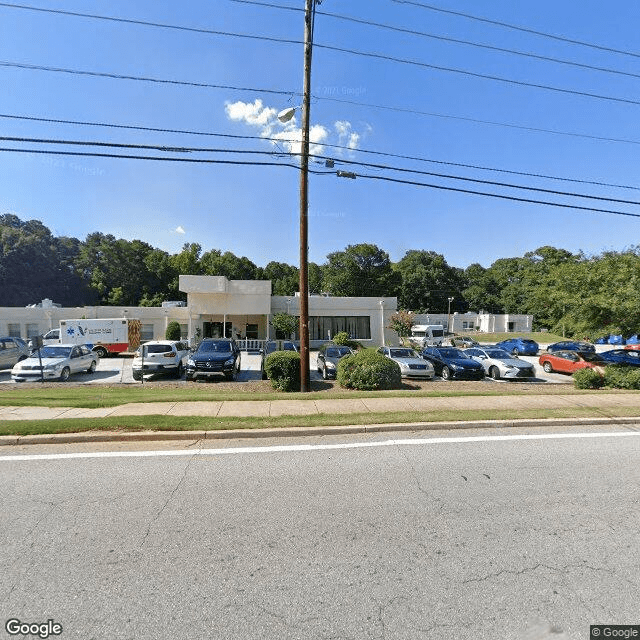
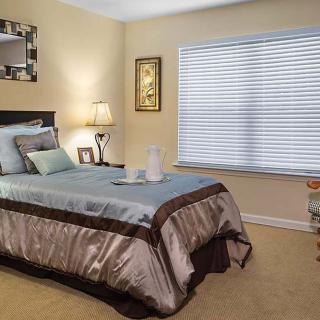
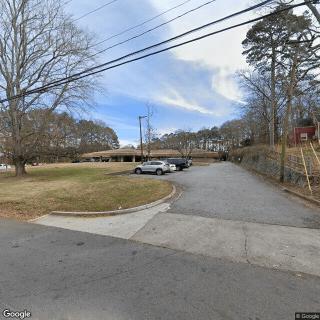
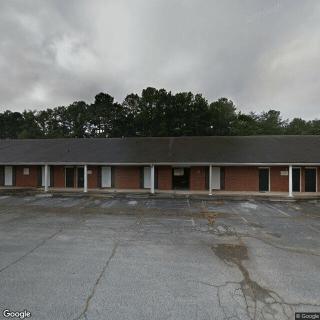
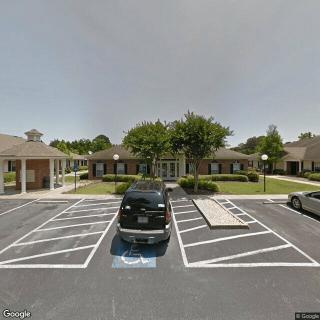
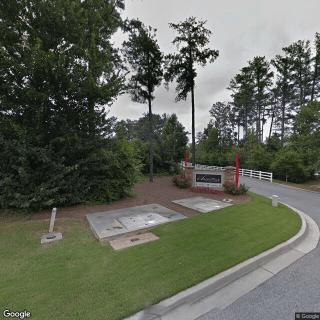
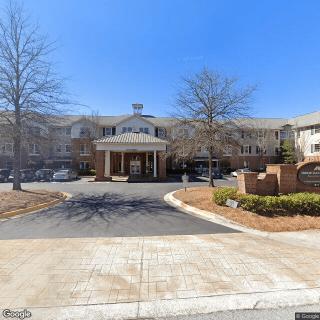
Riverdale Center / Care and Rehabilitation C photos
×
Get PricingAsk A QuestionSchedule A TourContact Senior Advisor
By clicking submit, you agree to our Partner's Terms of Use. You
also consent to receive calls and texts, which may be autodialed, from our Partner. Your consent is not a condition to
using our Partner's service. Please visit our Partner's Privacy Policy for information about their privacy practices.



 Skilled Nursing Facility
 Cats allowed
 Dogs allowed
 Activities off-site
 Beautician on-site
 Devotional services off-site
 Outdoor common areas
 Private
 Respite or short term stays offered
 Wheelchair accessible showers
 William B Hartsfield-Atlanta International (5 miles away)
 High acuity care
 Meals provided
 Caring, dedicated staff and compassionate interactions.
 A Detailed Examination of Nursing Home Costs Across the U.S.
 Exploring Nonmedical Home Care: Understanding Services, Costs, and Financial Approaches
 Engaging Brain Games and Innovative Apps to Keep Senior Minds Active