Oaks at Pooler offers a range of accommodation options with pricing that reflects its unique amenities and location. For a studio, residents can expect to pay $3,540 per month, which is slightly lower than the average for Chatham County at $3,564 but higher than the state average of $3,520. When it comes to one-bedroom apartments, Oaks at Pooler stands out with a monthly cost of $3,900, which exceeds both Chatham County's average of $3,245 and Georgia's overall average of $3,412. The two-bedroom option is priced at $5,725, significantly above both the county's average of $3,990 and the state's average of $3,921. This pricing structure suggests that while Oaks at Pooler may represent a premium choice compared to other local alternatives, its offerings likely cater to those seeking enhanced services and a superior living environment in the heart of Pooler.
Floor plans
Oaks at Pooler
Chatham County
Georgia
Studio
$3,540
$3,564
$3,520
1 Bedroom
$3,900
$3,245
$3,412
2 Bedrooms
$5,725
$3,990
$3,921
Memory care communities with a similar price nearby
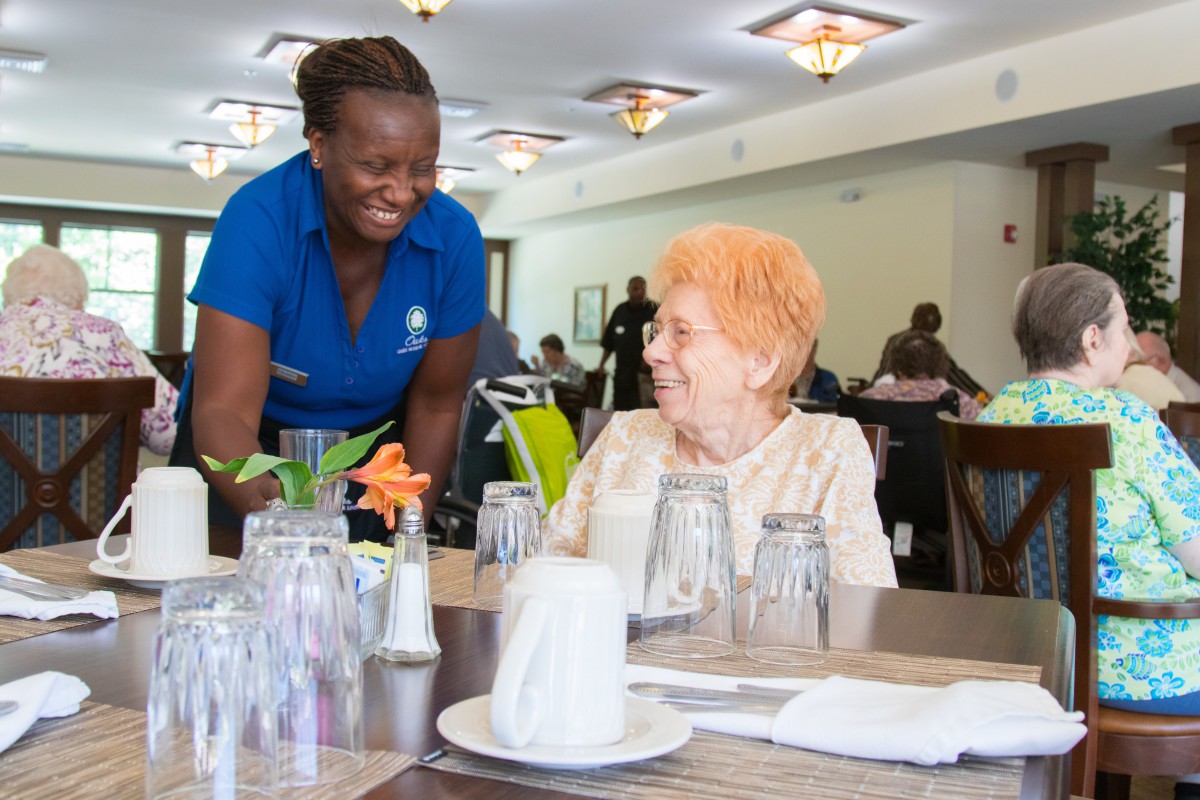
Dining is consistently described with variety and support for restricted diets.
Residents and families frequently mention the food experience, including variety and a chef-led approach to meals. Several also describe how the community accommodates diet needs, including restricted and special diets. A few comments note that meals can feel repetitive over time for one resident, and one person criticized specific lunch quality.
common22 reviews mention this
Caring staff is the headline
Staff compassion and responsiveness come up again and again in reviews.
Across reviews, families describe caregivers as patient, respectful, and attentive to residents. Multiple people say staff members know residents by name and are helpful with day-to-day needs. A few reviews temper this praise by describing long wait times, trouble getting calls answered, or that understaffing limits follow-through at times.
common7 reviews mention this
Activity programming keeps people engaged
Residents tend to stay engaged thanks to daily activities and outings.
Reviews describe a full calendar of activities, including group gatherings and opportunities to get out through outings and planned events. Some families mention their loved ones joining events, while others say participation depends on individual interest. Several also describe added engagement through games and social time inside the community.
common10 reviews mention this
Clean facility and cared-for appearance
Many reviewers point to cleanliness and overall upkeep as a standout.
A large share of reviewers describe the community as clean, well maintained, and freshly presented, including common areas and the property. Some families also mention residents looking well-groomed and the building feeling cared for. A few negative notes mention hygiene shortfalls around bathing or cleaning needs, which contrasts with the broader cleanliness praise.
differentiator4 reviews mention this
Memory care support varies
Memory care experiences range from highly positive to concerns about training.
Families searching specifically for memory care describe the community as a good fit for dementia-related behaviors, with staff described as patient and able to work with residents who have sundowners and related challenges. Others, however, report concerns that memory care personnel were not trained for certain needs and that some care tasks weren’t handled as expected. One review also flags that the memory care area can feel less cheerful or less uplifting than other parts of the community.
caveat7 reviews mention this
Understaffing and communication issues
Several reviews describe understaffing that affects help, phones, and timing.
Multiple reviewers report difficulty getting staff help promptly, including concerns about whether staff regularly check on residents during meal times. Others mention phone and communication problems, describing unanswered calls and delayed callbacks. A few reviews also describe how understaffing showed up more clearly during busier periods or after COVID-related changes.
caveat2 reviews mention this
Higher cost comes with tradeoffs
Price is a concern for some families, especially given staffing and service complaints.
Some reviews say the community is on the higher end of pricing, and one describes the cost as outrageous while also criticizing care outcomes. That same thread of concerns ties value to care consistency, suggesting expectations weren’t met for some residents. Taken together, cost concerns show up alongside complaints about staffing and care responsiveness rather than in isolation.
How we summarize
Counts show how many written reviews mention each theme; a review can touch several themes, and only frequently mentioned themes are displayed.
Features
Housing
90 resident community capacity
1-bedroom apartments
2-bedroom apartments
Studio apartments
Types of Care
Assisted Living
Memory Care
Pets
Cats allowed
Dogs allowed
Amenities
Activities off-site
Activities on-site
Air-conditioning
Beautician on-site
Beauty salon
Cable or satellite TV
Computer center
Devotional services off-site
Devotional services on-site
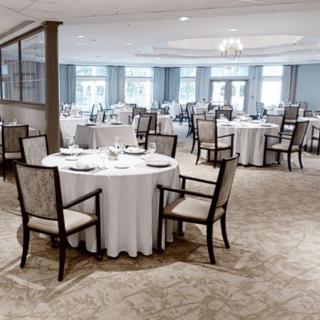
Dining room
Fitness room
Fully furnished
Gaming room
Garden
Ground floor units
Handicap accessible
Housekeeping services
Indoor common areas
Kitchenette
Move-in coordination
Outdoor common areas
Outdoor space
Private bathrooms
Respite or short term stays offered
Restaurant-style dining
Small library
Telephone
Wellness center
Wheelchair accessible showers
Wi-Fi/high-speed internet available
Transportation
Savannah International (3 miles away)
Community operated transportation
Transportation arrangement
Care Services
24-hour call system
24-hour supervision
Activities of daily living assistance
Ambulatory care
Assistance with bathing
Assistance with dressing
Assistance with transfers
Diabetes diet
Diabetic care
High acuity care
Incontinence care
Meal preparation and service
Medication management
Special dietary restrictions
Dining
Anytime dining
Diabetes diet
Gluten-free
Guest meals
Low / no sodium
Meals provided
No Sugar
Professional chef
Restaurant style dining
Special dietary restrictions
Special dining programs
Vegan
Vegetarian
Activities
Art classes
Brain fitness
Community-sponsored activities
Concierge services
Day trips and outings
Devotional activities offsite
Devotional activities on-site
Fitness programs
Happy hour
Live dance or theater performances
Live musical performances
Planned day trips
Resident-run activities
Scheduled daily activities
Stretching classes
Visiting chaplain or priest
Yoga / chair yoga
Nearby Places of Interest
This part of Pooler, Georgia offers a convenient and accessible location for senior living. With a variety of healthcare options nearby such as the Center for Medication Management, Women's Healthcare, and Pediatric Associates of Savannah, seniors can easily access medical services. There are also several pharmacies in the area including CVS Pharmacy and Walgreens for prescription needs. For recreational activities, there are cafes like Starbucks and theaters like Pooler Stadium Cinemas 12 for entertainment. Additionally, there are a range of restaurants offering diverse dining options to cater to different tastes. Transportation services such as U-Haul Moving & Storage and Gulfstream Aerospace Corporation provide easy access to traveling options. Places of worship like Glow Ministries and Bible Lutheran Church offer spiritual guidance and community involvement opportunities for seniors looking to engage with their faith. Overall, this part of Pooler provides a well-rounded environment for senior living with convenient amenities and services within reach.
Physicians
Center for Medication Management - Pooler at SJ/C (0.2 miles)
Oaks at Pooler offers a range of accommodation options with pricing that reflects its unique amenities and location. For a studio, residents can expect to pay $3,540 per month, which is slightly lower than the average for Chatham County at $3,564 but higher than the state average of $3,520. When it comes to one-bedroom apartments, Oaks at Pooler stands out with a monthly cost of $3,900, which exceeds both Chatham County's average of $3,245 and Georgia's overall average of $3,412. The two-bedroom option is priced at $5,725, significantly above both the county's average of $3,990 and the state's average of $3,921. This pricing structure suggests that while Oaks at Pooler may represent a premium choice compared to other local alternatives, its offerings likely cater to those seeking enhanced services and a superior living environment in the heart of Pooler.
Oaks at Pooler offers a comprehensive range of features tailored to support residents with memory care needs, ensuring their safety and well-being. The 24-hour supervision allows for constant monitoring, which is crucial for individuals with dementia who may have unpredictable behaviors or require immediate assistance. Assistance with activities of daily living, including bathing and dressing, promotes dignity and independence while alleviating stress for both residents and their families. The provision of incontinence care respects the personal needs of residents, enhancing comfort and overall quality of life. With dedicated meal preparation and service, residents receive nutritious meals designed to meet dietary requirements while fostering a structured environment. Brain fitness activities engage cognitive functions, promoting mental stimulation tailored to individual capabilities. Furthermore, medication management ensures that all prescriptions are administered accurately and on schedule, reducing the risk of confusion about dosages that can be particularly challenging for those in various stages of memory loss. Together, these services create a nurturing atmosphere that addresses both physical and emotional aspects of memory care.
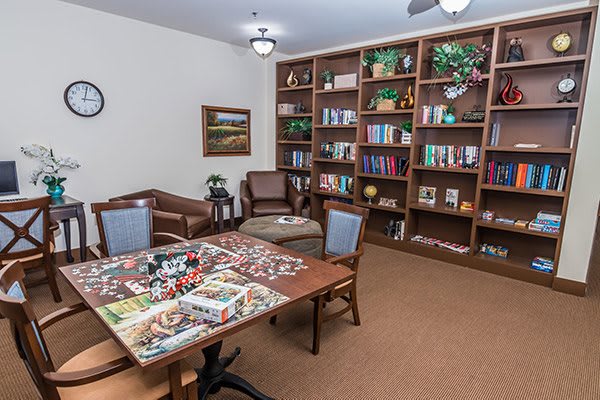
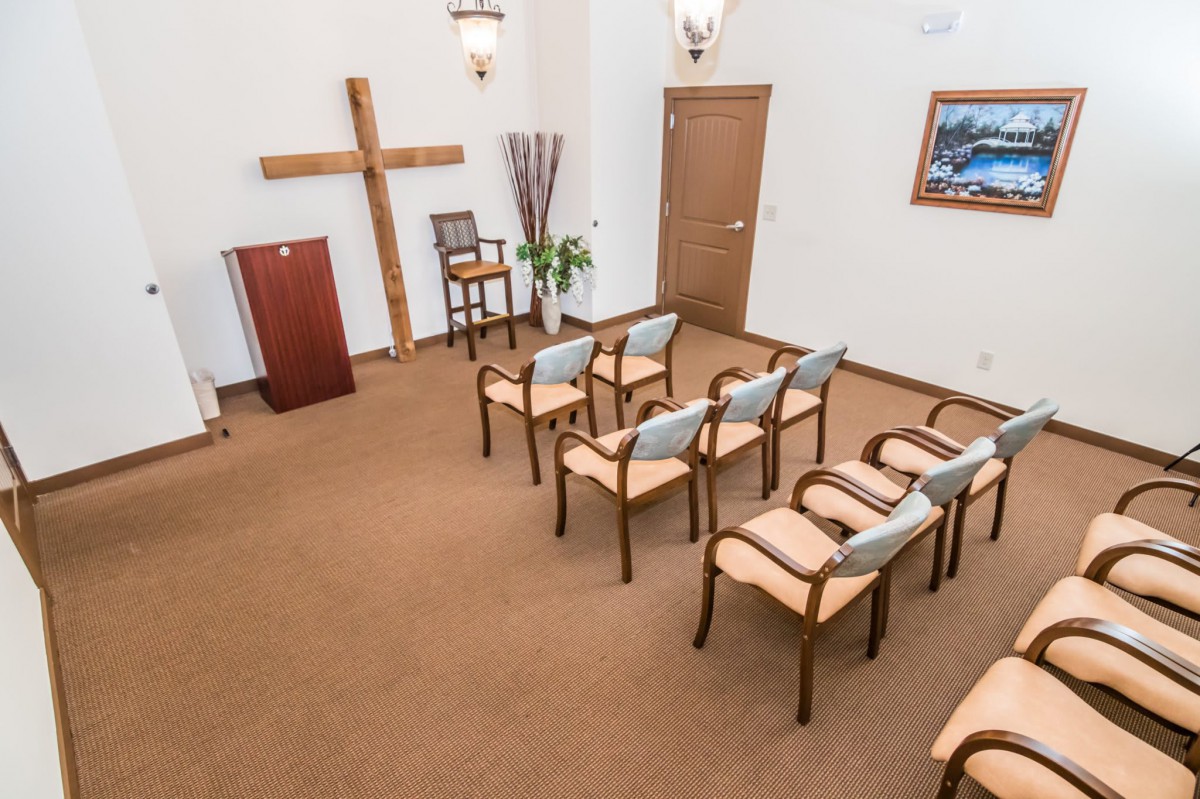
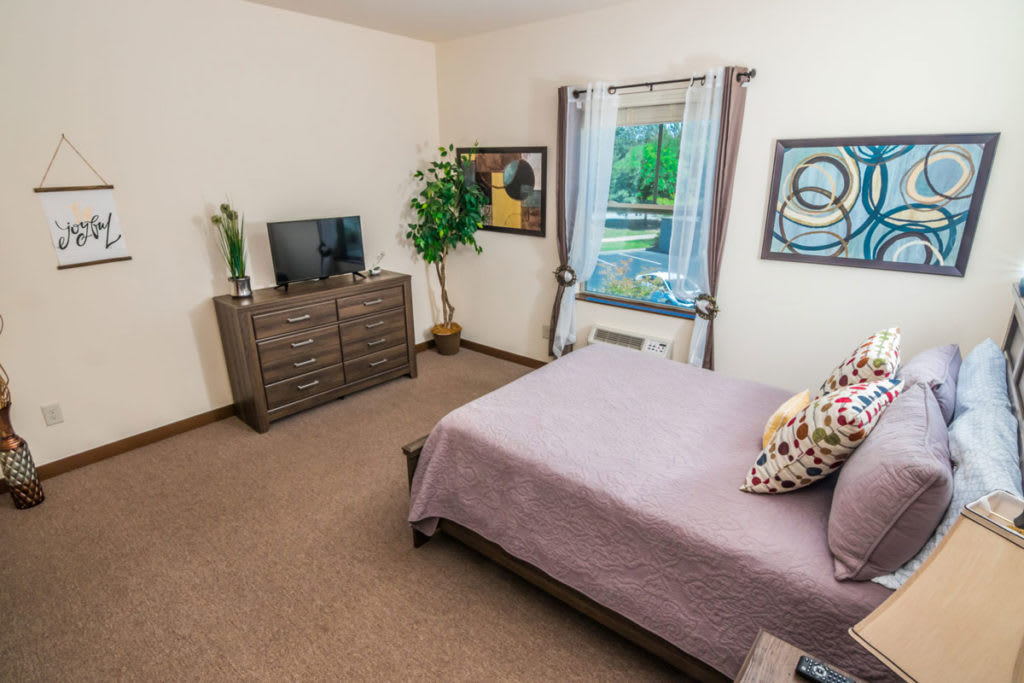
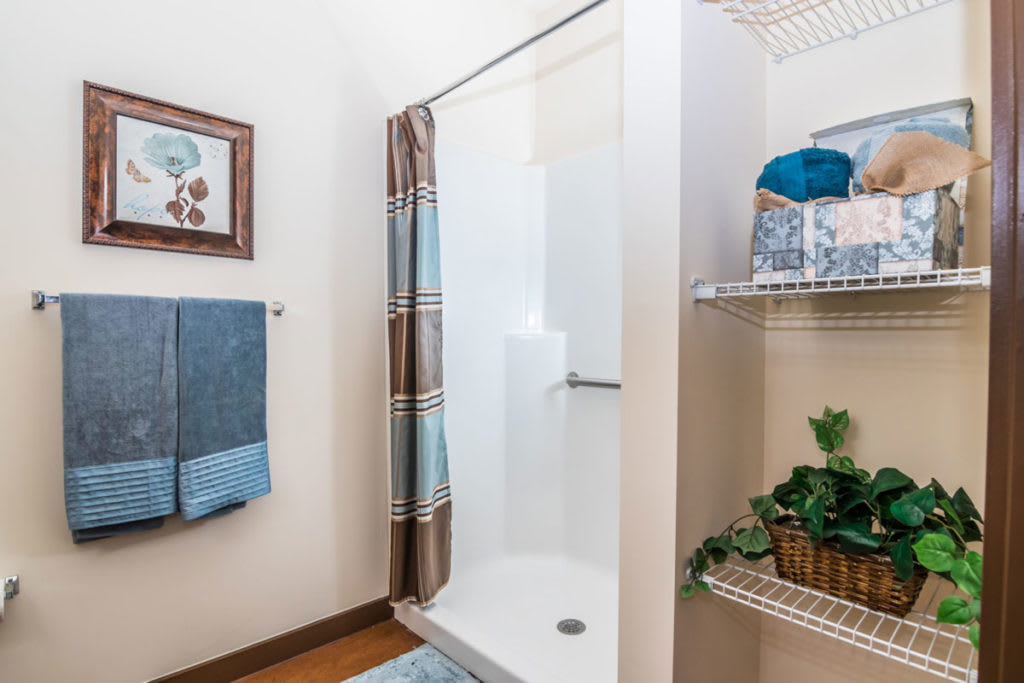
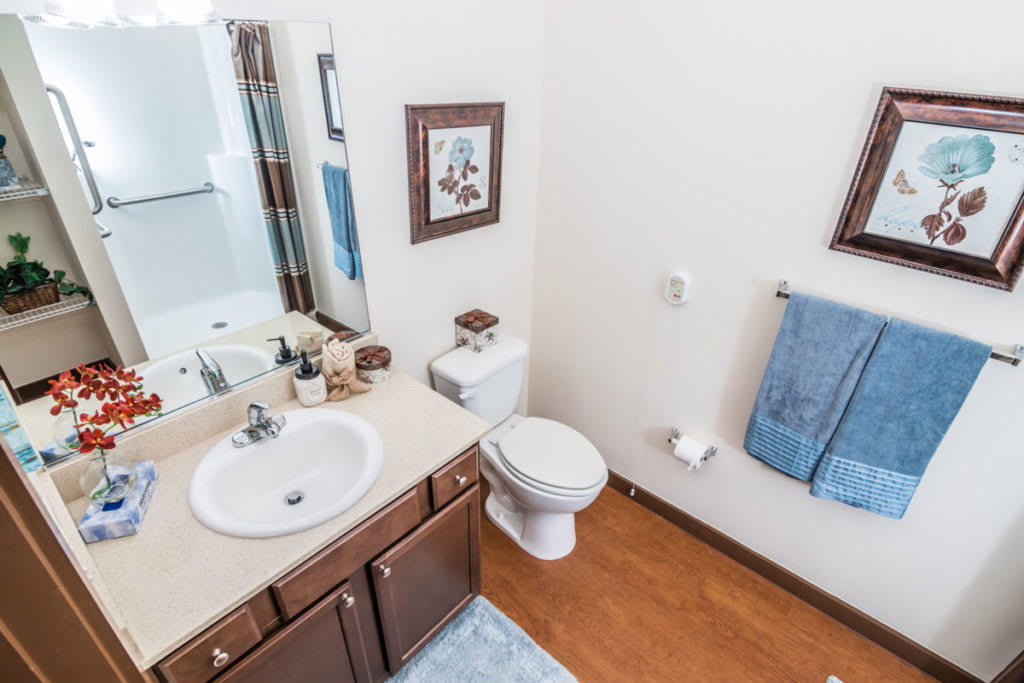
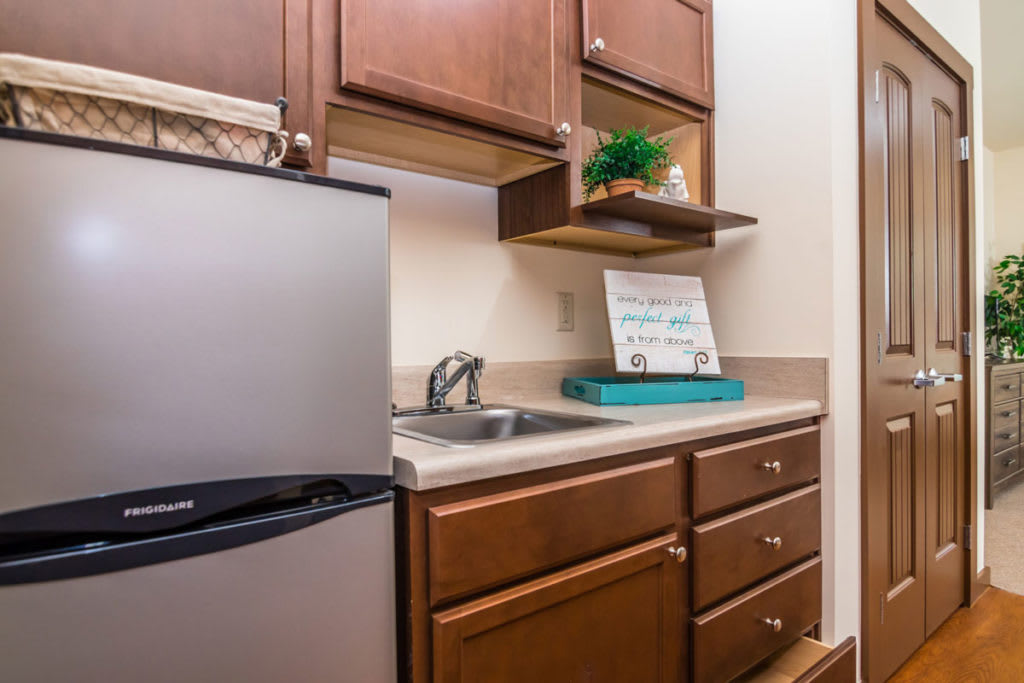
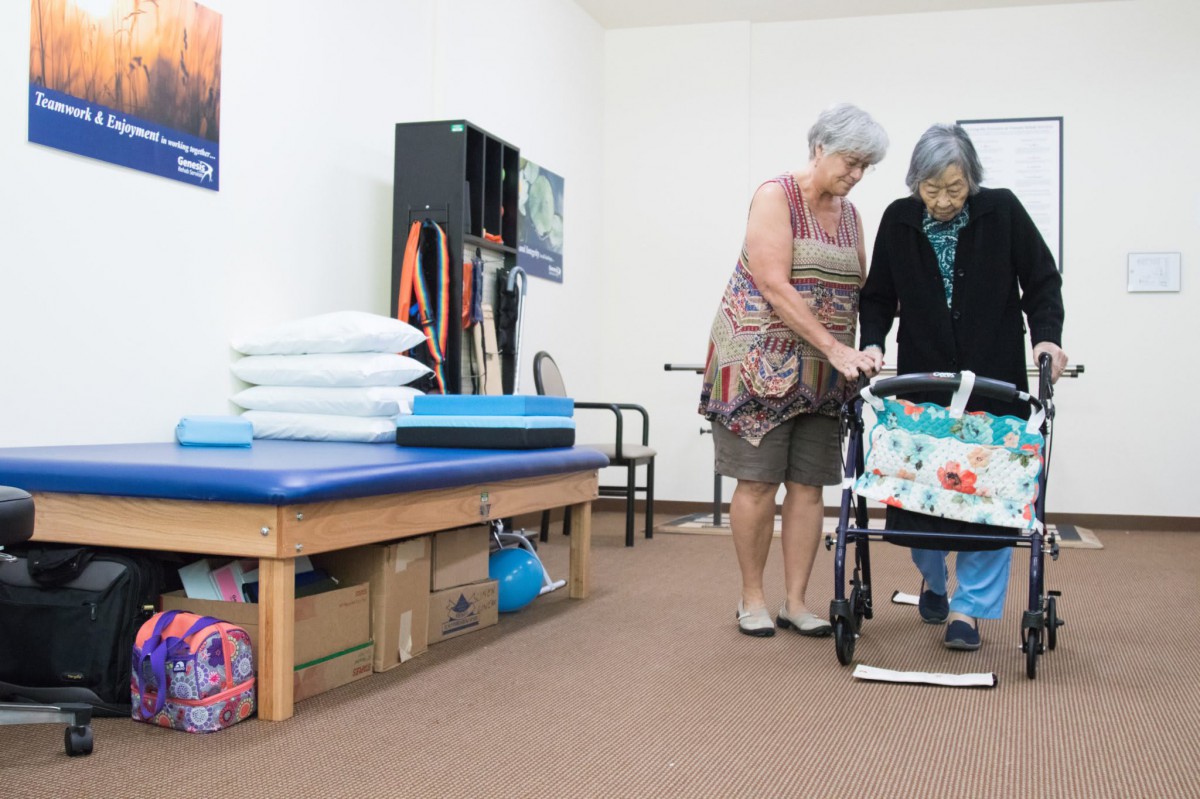
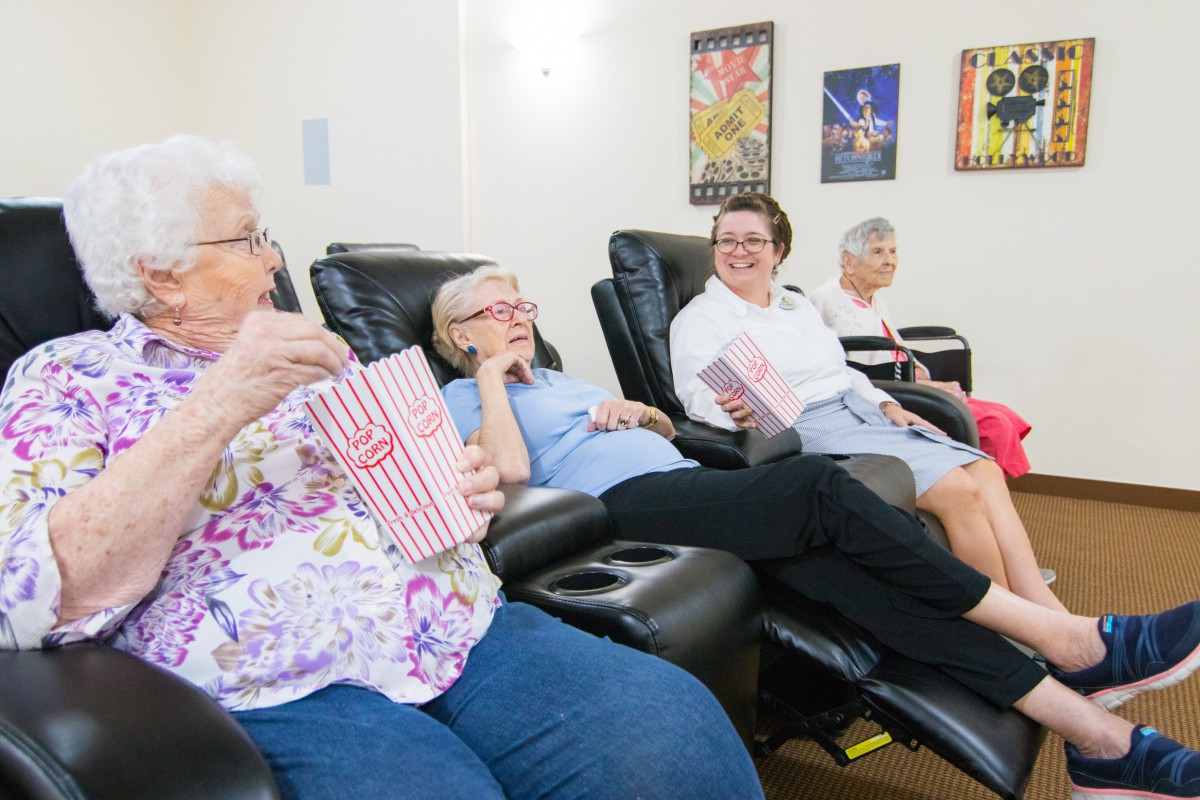
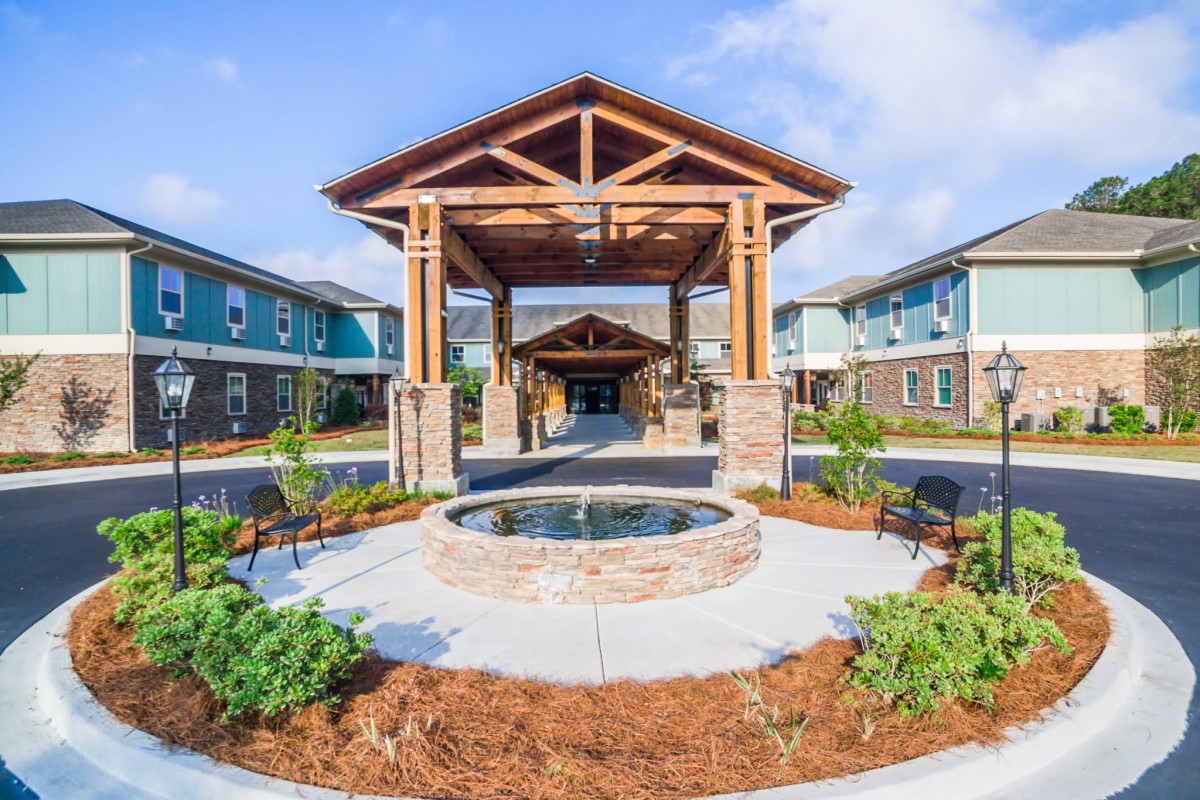
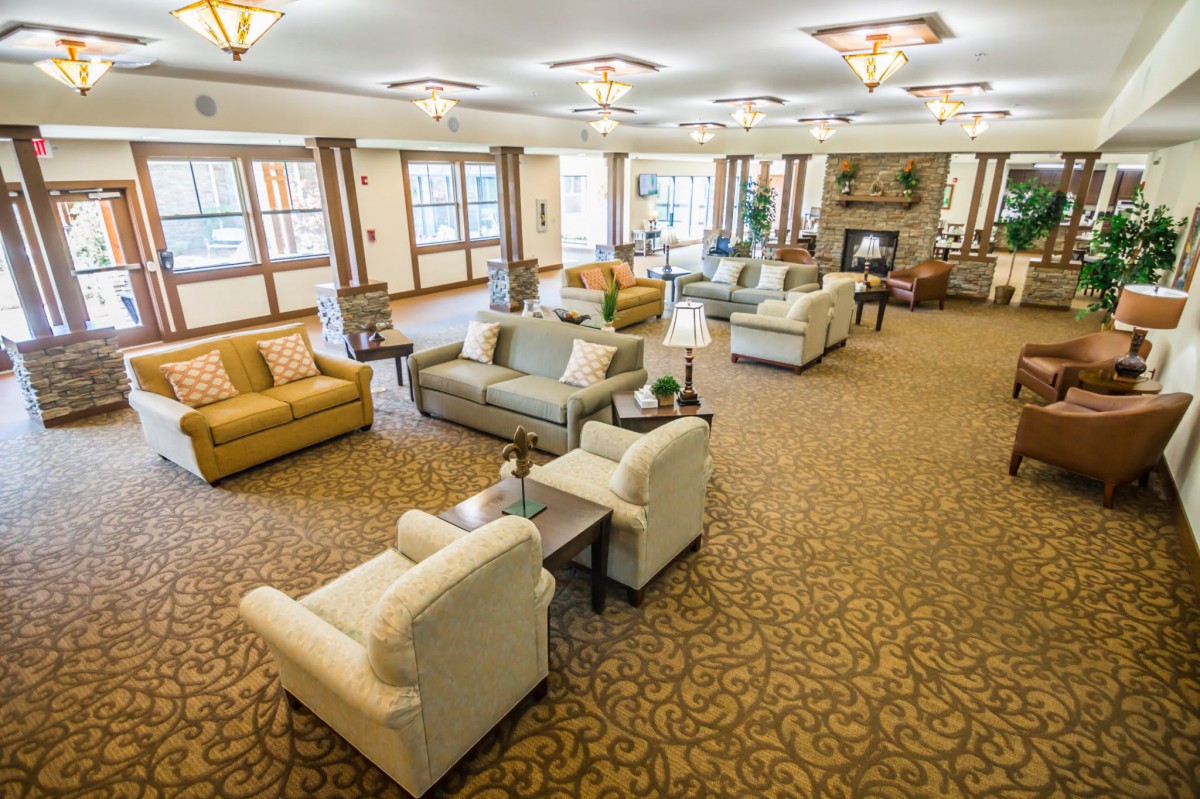
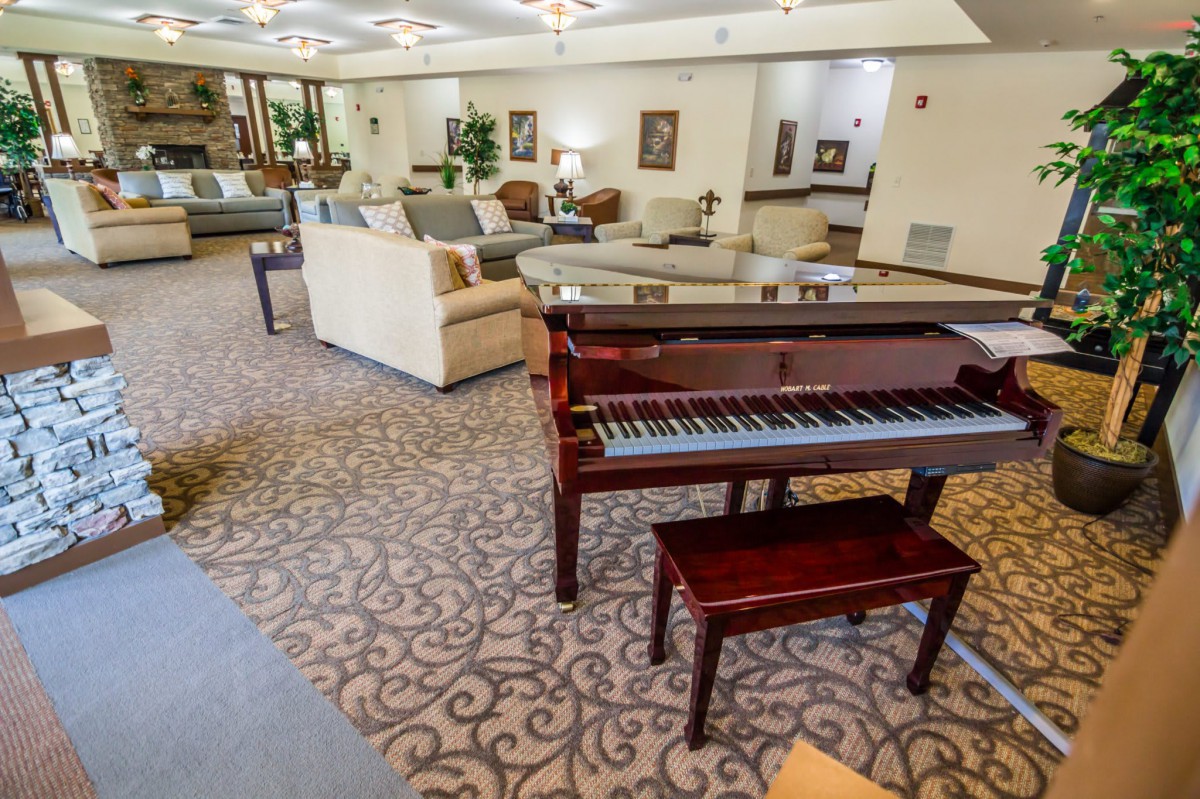
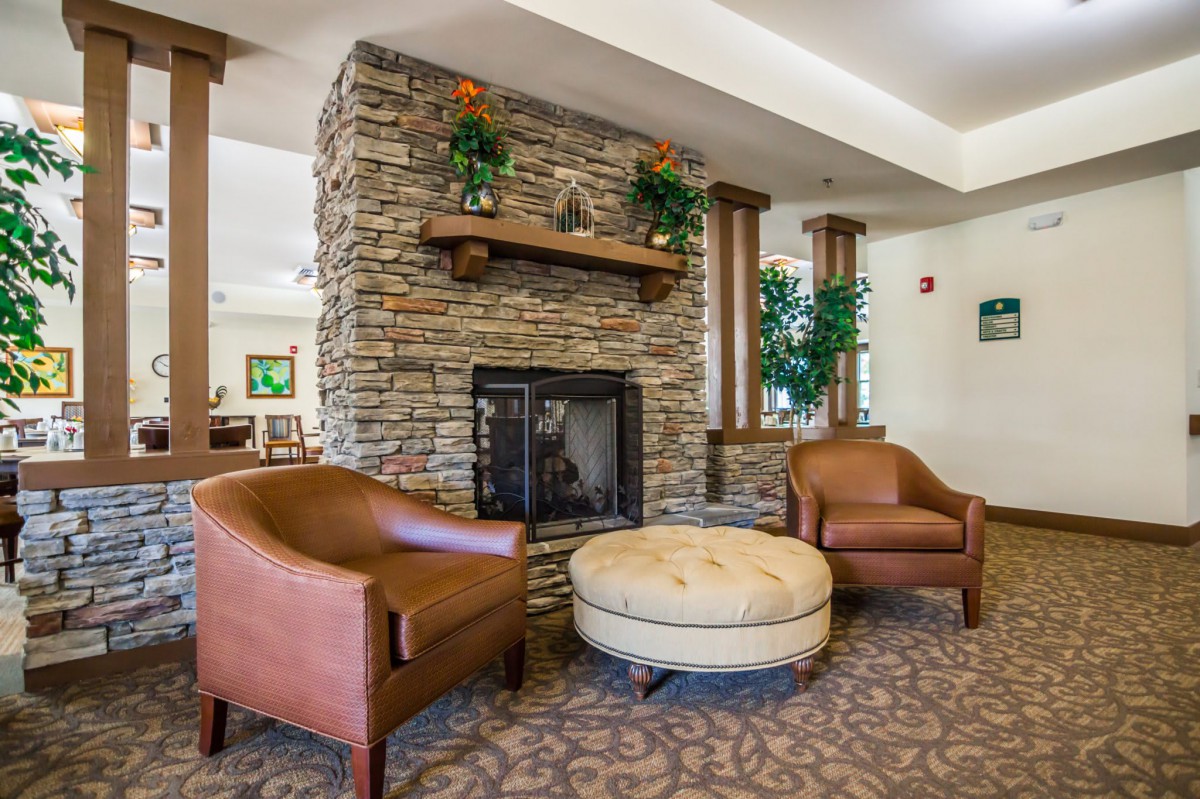
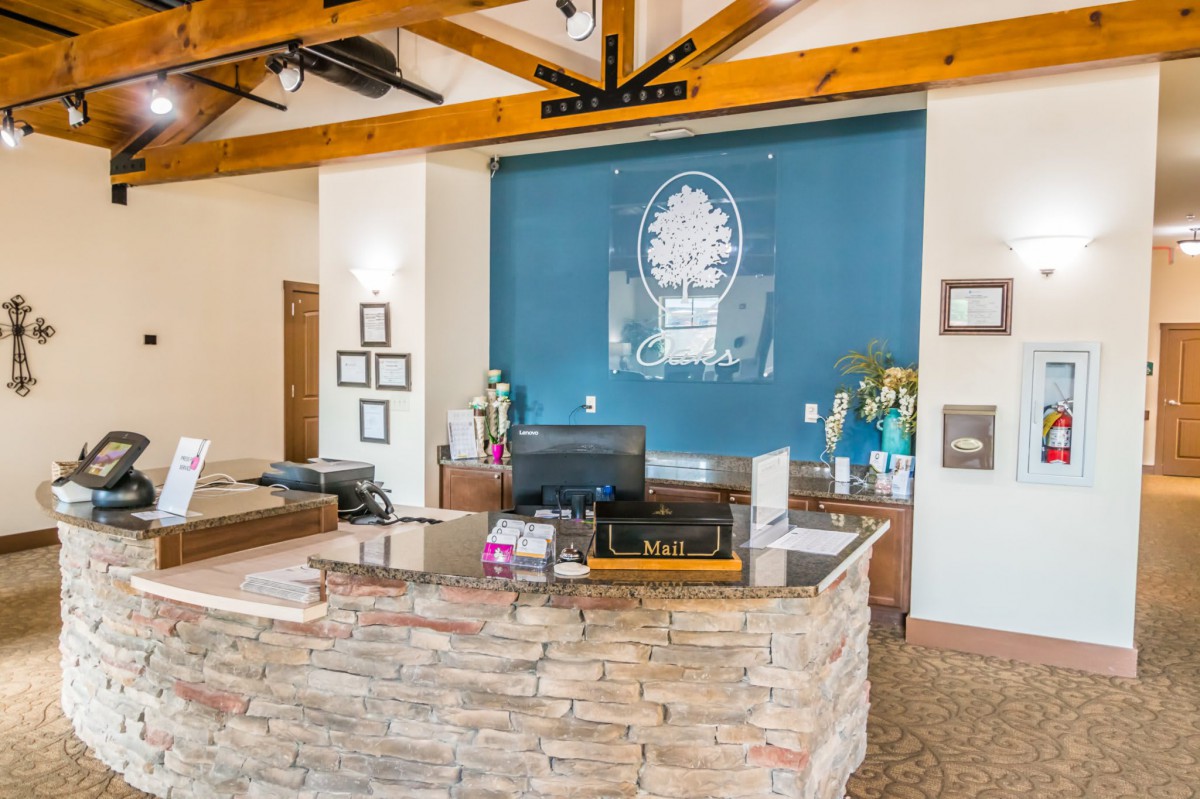
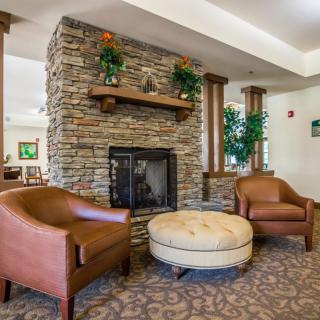
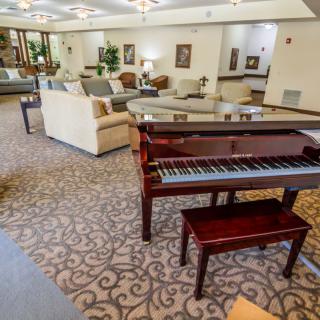
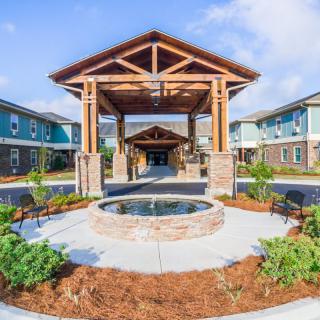
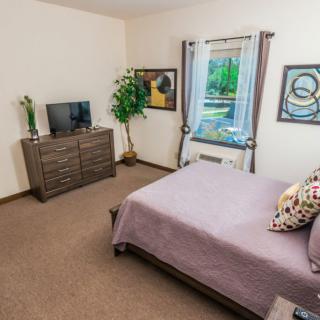
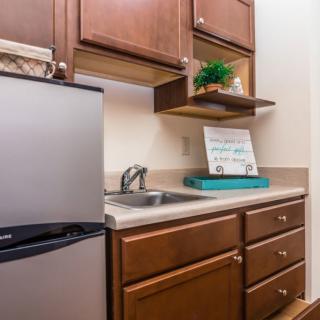
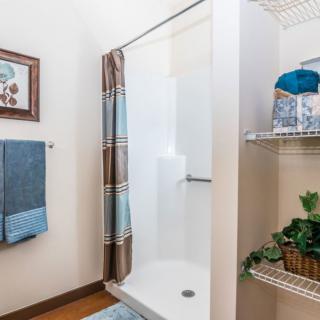
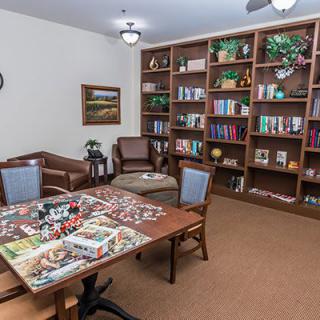
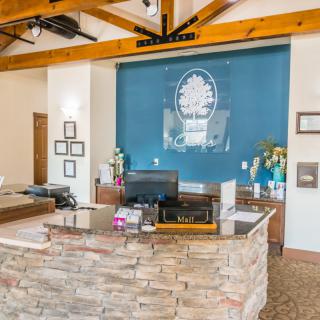
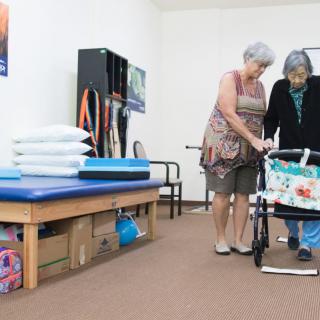
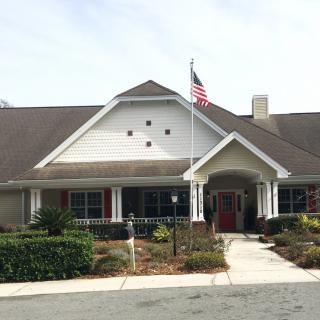
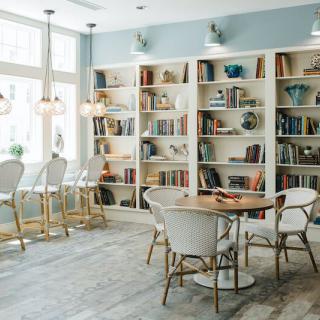
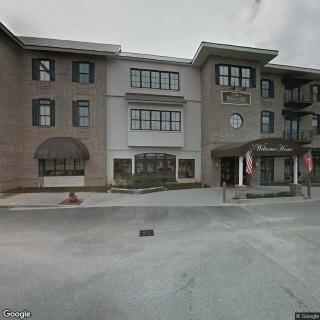
Oaks at Pooler on seniors.fyi includes 19 photos including images showing interior, decor, bathroom, seating area, windows, outdoors, living room, dining, and more.
Nearby Communities
Interim Healthcare of Savannah
Pooler, GA
4.7 from 14 reviews
High-quality care with a safe, comfortable environment.
Legacy At Savannah Quarters
Pooler, GA
4.2 from 139 reviews
$3,500 to $5,300 / month
Clean, modern facility with friendly staff and engaging activities.
Place At Pooler
Pooler, GA
Comprehensive amenities and services (dining, activities, wellness, transportation).
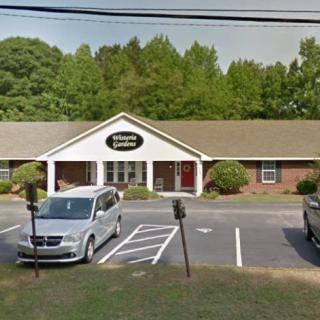
Wisteria Gardens
Pooler, GA
4.2 from 6 reviews
$2,400 to $2,800 / month
Attentive staff, excellent meals, clean facility, spacious ADA-compliant apartments, and engaging activities with competitive pricing.
New Heights #3
Pooler, GA
Comprehensive care: 24-hour supervision, ADL assistance, meals and housekeeping, plus move-in coordination in a convenient location.
New Heights #2
Pooler, GA
4.4 from 10 reviews
Comprehensive care and on-site amenities (24/7 supervision, ADL support, medication management, meals, and medical transportation).
Pruitthealth - Seaside
Port Wentworth, GA
4.4 from 118 reviews
Extensive on-site amenities and comprehensive care services.
The Social at Savannah
Savannah, GA
4.6 from 137 reviews
Caring, friendly staff; clean, well-organized environment with engaging activities and convenient transportation; comfortable apartments with on-site amenities.
Buckingham South
Savannah, GA
4.5 from 54 reviews
$2,400 to $3,600 / month
Extensive on-site amenities and services (restaurant-style dining, salon, fitness, transportation).
Reminiscence therapy helps individuals with dementia recall past memories through structured discussions and meaningful objects, enhancing mood, relationships, and sense of identity while celebrating their lives. It can be practiced in formal settings or at home, requiring sensitivity to personal histories and cultural backgrounds.
Reminiscence therapy is a structured method for older adults, especially those with dementia, to share life stories using prompts and sensory cues, fostering emotional well-being, social engagement, and self-identity. It aims to improve quality of life by enhancing interpersonal connections and cognitive stimulation while requiring careful facilitation to avoid distressing memories.
Dementia, particularly Lewy body dementia, often involves hallucinations that can significantly distress both patients and caregivers due to disruptions in sensory processing and neurotransmitter imbalances. Effective management includes compassionate communication, environmental adjustments, and a multidisciplinary approach to care while addressing the emotional needs of caregivers.
Landscaping, Building, Architecture, Entrance, and Courtyard
Windows
Bathroom
Kitchen, Appliances, and Cabinets
Lighting and Lobby
Garden and Wheelchair
Fireplace and Stone Wall
Seating Area
Outdoors
Bookshelves and Library
Healthcare, Rehabilitation, and Physical Therapy
Painting
Piano and Lounge
Office and Reception
Shower
Fountain
Gardening
Chapel
Additional Photos
Get PricingAsk A QuestionSchedule A TourContact Senior Advisor
By clicking submit, you agree to our Partner's Terms of Use. You
also consent to receive calls and texts, which may be autodialed, from our Partner. Your consent is not a condition to
using our Partner's service. Please visit our Partner's Privacy Policy for information about their privacy practices.








 90 resident community capacity
 1-bedroom apartments
 Assisted Living
 Memory Care
 Cats allowed
 Dogs allowed
 Activities off-site
 Air-conditioning
 Beautician on-site
 Cable or satellite TV
 Computer center
 Devotional services off-site
 Dining room
 Fitness room
 Fully furnished
 Gaming room
 Garden
 Ground floor units
 Handicap accessible
 Housekeeping services
 Indoor common areas
 Kitchenette
 Move-in coordination
 Outdoor common areas
 Private bathrooms
 Respite or short term stays offered
 Restaurant-style dining
 Small library
 Telephone
 Wellness center
 Wheelchair accessible showers
 Wi-Fi/high-speed internet available
 Savannah International (3 miles away)
 Community operated transportation
 24-hour call system
 Ambulatory care
 Assistance with bathing
 Assistance with dressing
 Assistance with transfers
 Diabetes diet
 Diabetic care
 High acuity care
 Incontinence care
 Medication management
 Special dietary restrictions
 Art classes
 Brain fitness
 Concierge services
 Day trips and outings
 Happy hour
 Live dance or theater performances
 Live musical performances
 Visiting chaplain or priest
 High-quality care with a safe, comfortable environment.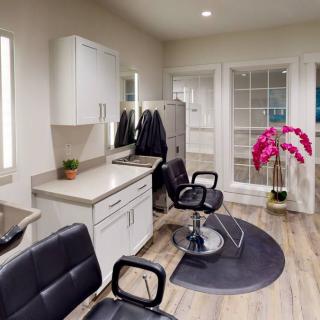

 Exploring the Power of Reminiscence Therapy for Individuals With Dementia
 An In-Depth Look at Reminiscence Therapy in Dementia Care
 Dementia-Related Hallucinations: Causes, Experiences, and Practical Approaches