

101 Fairway Oaks Dr., Perry, GA 31069
To contact a resident: (478) 988-8100
For more information about senior living options: (866) 208-4318
Houston Springs Retirement Costs & Pricing
Houston Springs Retirement offers an exceptional value for its residents, charging just $900 per month for a two-bedroom unit. This cost is notably competitive when compared to the broader financial landscape of Peach County and the state of Georgia, where similar accommodations can reach as high as $3,921 per month. By maintaining such affordable pricing, Houston Springs not only supports budget-conscious seniors but also provides a welcoming community atmosphere that enhances quality of life without compromising on comfort or care.
| Floor plans | Houston Springs Retirement | Peach County | Georgia |
|---|---|---|---|
| 2 Bedrooms | $900 | $900 | $3,921 |
Overall Review of Houston Springs Retirement
Pros
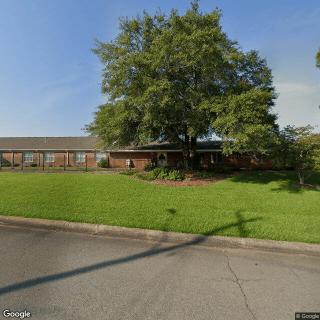
 The Houston Springs property is inviting.
- Its amenities allow guests to relax with a laid-back feel.
- The setting away from highways and the hustle and bustle of city life is ideal for families.
- The amenities meet guests' needs.
- The tour is appreciated.
Review
Houston Springs Retirement in Perry, GA is best suited for seniors who prioritize a tranquil, amenity-rich environment where daily life feels managed and easy. It serves those who value a relaxed pace, sun-dappled patios, and modern conveniences that support comfort and independence without the bustle of city life. The setting, remote from busy highways and the fray, appeals to families seeking a calm relocation that emphasizes rest, predictable routines, and simple leisure. In practice, the community’s approach emphasizes ease of maintenance, safety, and gentle, structured living, which translates into fewer daily worries for both residents and their families.
Less well-suited are residents who require intensive medical oversight, memory care, or an aggressively social calendar. Families with loved ones needing frequent, hands-on caregiving, closer proximity to major medical centers, or a high-energy environment may want to explore alternatives that offer more structured care options, transportation networks, and robust programming. For those weighing options, the decision often hinges on whether a long-term plan can remain comfortably managed within a quiet setting or if a more comprehensive care footprint is necessary as health needs evolve.
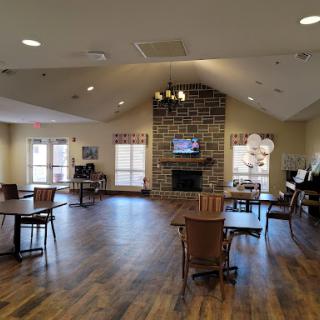
From a practical standpoint, the strongest draw is the inviting property and the amenities that support a laid-back, relaxed lifestyle. The atmosphere reduces the friction of aging in a way that emphasizes ease, comfortable common spaces, well-maintained grounds, and amenities that promote leisurely activities. These elements help justify the trade-off of a quieter setting by delivering tangible everyday comforts and a sense of peace that translates into less daily stress for residents and families. The environment also supports independence: clear sightlines, accessible design, and predictable routines help residents navigate daily tasks with confidence.
While the review notes that the amenities meet the reviewer’s needs and that the tour confirmed this alignment, these positives are not just cosmetic. They address core expectations around daily living: accessible spaces, functional amenities, and a environment conducive to rest. In the absence of explicit concerns about care quality in the short term, the apparent fit between promises and reality lowers the risk typically attached to moving a loved one into a new community. Still, a prudent family will probe beyond surface appeal, checking how spaces are actually used, how staff respond to varying energy levels, and how isolation or separation from family is handled during visits or emergencies.
Pros offset potential drawbacks when weighed against key considerations. The absence of a high-energy program is not a liability if the priority is predictable routines and restful days; in such cases, the peace of the setting and reliable amenities can far outweigh the lack of constant activity. However, attention should be paid to care landscapes outside the review: verify what level of assisted living is offered, staff availability, and how medical needs are accommodated as those needs evolve. Families should also inquire about transportation options for appointments, meal plans, guest policies, and any waitlists or entrance fees that could affect long-term affordability.
Decision guidance: this community stands out for those who value a calm, comfortable environment with dependable amenities and a welcoming ambiance. Those who require intensive medical oversight, active social programming, or closer proximity to hospitals should systematically compare options with stronger-care offerings. Before deciding, schedule additional visits, request detailed descriptions of care services, review sample menus and activity calendars, and confirm pricing structures and inclusion of services. With thorough due diligence, Houston Springs can be a solid fit for a family prioritizing serenity, ease, and a gracefully simple lifestyle. The objective is to walk away with a clear picture of whether the pace and setting align with the loved one’s health trajectory and personal preferences, and to have concrete answers on care, costs, and ongoing support.
 Active Adult Communities (55+)
 Cats allowed
 Dogs allowed
 Activities off-site
 Bath tubs
 Indoor common areas
 Outdoor common areas
 Swimming pool / hot tub
 Middle Georgia Regional (17 miles away)



 Caring for Those Who Care: Recognizing, Understanding, and Overcoming Caregiver Burnout
 Caregiver Exhaustion: Recognizing the Signs and Restoring Your Well-Being
 Understanding Hospice Care at Home: Comprehensive Services, Key Benefits, and Eligibility