

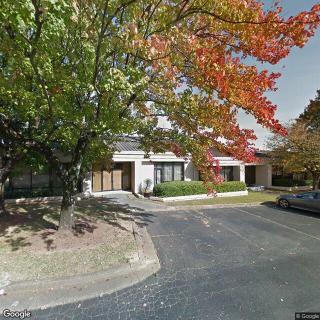
1770 Indian Trail Rd Suite 200, Norcross, GA 30093
To contact a resident: (770) 623-3512
For more information about senior living options: (866) 208-4318
Overall Review of ComForcare Senior Services
Pros
 The reviewer describes the company as nothing short of amazing.
- The client felt supported after one call and never felt alone again.
- The care is described as friendly and utmost, making the client feel part of the family.
- The reviewer highly recommends the company for themselves and their family.
- The expansion of Dr. O's care to the NW region of Atlanta is exciting.
- ComforCare is described as seamless in the experience for the client's mom.
- The care provided was a perfect match for the client's mom and led to progress.
Cons
 The company is not very cordial.
Review
ComForCare Senior Services in Norcross is best suited for families seeking deeply personal, in-home support after a serious medical event, especially stroke recovery. This is a program for clients who want rapid engagement, a warm, relationship-driven caregiving approach, and a sense that help is a reliable partner rather than a distant service. When the priority is immediate coverage that feels more like family involvement than a transactional arrangement, this community stands out. The core appeal is a caregiver team that can become a trusted ally during a vulnerable transition, with caregivers who emphasize friendliness, accessibility, and hands-on support from day one.
The strongest positives center on accessibility and emotional connection. Reviewers credit a quick, one-call onboarding that eliminates the feeling of being alone after a stroke, followed by consistently friendly, attentive care. The sense of inclusion, a caregiver who feels like family at times, transforms the experience from mere service to companionship that supports daily living, safety, and motivation to pursue recovery goals. Expansion of Dr. O’s care model into the NW region of Atlanta signals leadership investment and a commitment to maintaining a high level of hands-on support for families who need a reliable, local option. When care feels seamless and progress is evident, the practical value for families coping with rehabilitation becomes substantial.
Still, the experience is not uniformly radiant. A notable minority of feedback flags one dimension where consistency can falter: not everyone finds the staff or interactions cordial. This isn’t a sweeping indictment, but it does create a reality check for families evaluating fit. The mixed rating, top-tier praise from some clients alongside a lower cordiality note from others, indicates variability in interpersonal dynamics across caregivers or shifts. In practical terms, this means outcomes and satisfaction may hinge on meticulous caregiver matching, ongoing supervision, and clear communication protocols. For households that prize steady, universally courteous interactions, this variability deserves serious consideration.
Those who should consider alternatives are not merely seeking cheaper options; they are aiming for a different balance of care features. If a client requires highly standardized, uniformly cordial interactions across all staff, or if a more formal, clinic-like oversight is essential, another provider may deliver more predictability. Similarly, households needing 24/7 live-in coverage, more intensive medical supervision, or a facility-based environment with built-in medical staff may find a home-care model like this one to be insufficient. In short, when consistency of tone and a tightly managed, highly structured experience outweighs the comfort of a familial feel, exploration of competitors is prudent.
The pros do offset the cons in meaningful, practical ways. The emotionally supportive, responsive engagement helps reduce anxiety and supports safer at-home living, which is a critical leverage point for recovery and ongoing daily functioning. Demonstrable progress, whether in mobility, routine establishment, or overall independence, translates into real quality of life gains for clients and measurable relief for families. Leadership’s active expansion and the promise of continued, attentive care signal a durable infrastructure behind the service. Yet the caveat of interpersonal inconsistency means that families should prioritize a strong care-coordination plan: insist on caregiver matching, set expectations early, and request regular check-ins with a supervisor to monitor compatibility and morale.
For a disciplined decision, approach ComForCare Norcross with a practical plan. Initiate a thorough intake that surfaces a clear caregiver profile, preferred communication cadence, and a defined escalation path. Ask for caregiver assignment options and request references, preferably from stroke survivors or clients with similar needs, to gauge how well the team sustains rapport over time. Discuss a trial period that includes a concrete set of goals (safety checks, rehab activities, daily living tasks) and a defined review point. If the client’s priority is a high-touch, emotionally supportive home-care relationship with demonstrated progress and leadership backing, ComForCare warrants serious consideration. If uniform cordiality and a tightly controlled, facility-like oversight are non-negotiables, exploring alternatives will likely yield a cleaner match.
 William B Hartsfield-Atlanta International (25 miles away)





 Supportive Employee Benefits That Help Caregivers Attain Better Work-Life Harmony
 Top Cars for Senior Drivers and Essential Safety Innovations
 A Closer Look at Private Pay Home Care