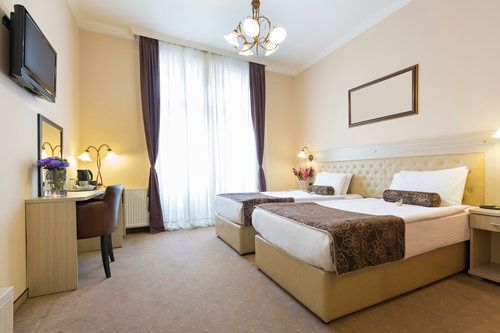


Pines Senior Living in Maysville, GA

Save
Pines Senior Living Pines Senior Living Pines Senior Living Pines Senior Living

Pines Senior Living in Maysville, GA

258 College Avenue, Maysville, GA 30558

For more information about senior living options: (844) 490-3973

4.6 from 10 reviews
5 stars
9
4 stars
0
3 stars
0
2 stars
0
1 stars
1

Assisted Living Memory Care

What level of care are you interested in?

Assisted Living

Memory Care

Independent Living

Skilled Nursing Facility

Continuing Care Retirement Community (CCRC)CCRC

Other


Request a tour at Pines Senior Living

    Overall Review of Pines Senior Living

    Pros

    • pro The Pines is wonderful and sweet.
    • pro Taylor and Ashley are friendly and welcoming.
    • pro The facility would be highly recommended to anyone and everyone.
    • pro The two tour guides were not pushy and were understanding and caring.
    • pro The food looked appetizing.
    • pro The staff have gone above and beyond to help families make transitions as painless as possible.
    • pro Julie provided regular updates with pictures, video chats, and calls to keep the family informed.

    Cons

    • pro The facilities are out of date.
    • pro The reviewer could not talk to the father.
    • pro The owner would not call back even when he said he would.
    • pro They were very disappointed.
    • pro They would never put a loved one in their care again.
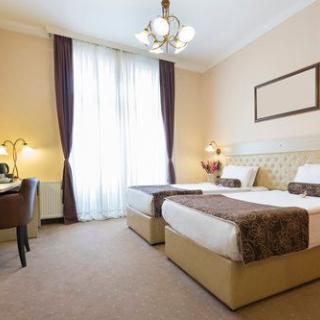
    • pro The rooms are less than desirable.
    • pro Care is minimal.

    Review

    Pines Senior Living in Maysville, GA, is best suited for seniors who crave a homelike, neighborly atmosphere and families that want reliable, regular communication about their loved one. This community delivers a warm, almost small-town feel where caregivers and staff make residents feel welcomed, and where visits feel comfortable rather than clinical. For someone comfortable with older facilities and a focus on daily living and social connection over high-end amenities, Pines can feel like a natural fit. The strongest selling points are the personal touches - friendly front-line staff, shared meals that look appetizing, and the sense that the staff genuinely cares about the transitions families endure when moving a loved one into care.

    However, Pines is not the right match for every situation. Families prioritizing ultra-modern interiors, spacious, hotel-like rooms, and top-tier medical oversight should look elsewhere. One review highlights outdated facilities and less-than-ideal room conditions, plus a painful messaging gap with ownership. For residents who require robust 24/7 nursing attention or specialized memory care, a more aggressive care model with visible clinical leadership and modern infrastructure is advisable. In short, the facility shines on heart and communication, but it may fall short on the clinical depth and physical campus standards some families expect from higher-end or newer campuses.

    On the upside, the staff relationships stand out as a core strength. Tours feel humane rather than sales-driven, an important signal for families already anxious about the change. Lunch-hour meals give a peek at the kitchen's effort, and many reviewers describe the dining experience as appetizing. The most compelling evidence of quality lies in the ongoing family communication. One family recounts daily/weekly photos, video chats, and frequent updates that eased the transition for a father; another describes construction that ultimately left the environment looking nicer and a loved one well cared for. Residents like Memaw appear happy during visits, with rooms kept clean and a positive daily rhythm.

    Still, the cons weigh in. The most persistent critique centers on facilities and care intensity: claims of outdated surroundings, rooms not meeting expectations, and an impression of "minimal" care. A particular review notes an ownership communication gap, which can erode confidence during a move. These factors matter most for seniors with higher medical needs, fall risk, or those who expect robust, around-the-clock nursing or more modern common areas. While many families praise the supportive staff, the perception that clinical oversight is lighter than desired cannot be dismissed. In short, the environment may feel quaint and homey, but it may lack the clinical polish some families require.

    Yet the positives offer meaningful counterbalance. The consistent warmth from caregivers translates into steadier days for residents and reassurance for families during the critical transition period. Transparent, proactive communication, especially when a loved one is adjusting, minimizes worry and sets realistic expectations about daily routines and care. The home-like atmosphere can significantly reduce anxiety, promoting engagement and social connection that improves mood and overall well-being. When renovations occur, the resulting improvements in appearance prove the campus is investing in quality. For many families, the combination of heartfelt staff, genuine updates, and a comfortable living environment makes Pines a solid, practical choice - provided the care level aligns with the resident's needs.

    Decision-makers should match Pines to residents who value relational care and are comfortable with older facilities that still deliver warmth and consistency. If the priority is cutting-edge d?cor and intensive medical oversight, explore alternatives with stronger clinical footprints. Before deciding, request candid specifics on staffing ratios, memory-care capabilities, and what a typical day looks like. Ask to observe a meal, a floor activity, and a care handoff between shifts. For families with a relatively independent senior or someone who thrives on social engagement, Pines can offer a dependable, compassionate home environment; for others, a different model may be a better fit.

    Features

    Housing

    • 36 resident community capacity 36 resident community capacity

    Types of Care

    • Assisted Living Assisted LivingAssisted living facilities provide crucial support and care for seniors who may need help with daily tasks such as medication management, bathing, and meal preparation. These communities offer a safe and comfortable environment where seniors can maintain their independence while receiving the assistance they need to thrive in their golden years.
    • Memory Care Memory CareMemory care is crucial for seniors as it provides specialized support and services for individuals with dementia or Alzheimer's disease. These programs offer a safe and secure environment where residents receive personalized care, cognitive stimulation, and help with daily activities. Memory care helps seniors maintain their independence, quality of life, and dignity while also providing peace of mind for their families.

    Amenities

    • Beauty salon Beauty salonBeauty salons are important for seniors because they provide a space for them to feel pampered, socialize, and maintain their personal grooming and hygiene. Regular visits to a beauty salon can help boost seniors' self-esteem and overall well-being.
    • Cable or satellite TV Cable or satellite TVCable or satellite TV is important for seniors because it provides entertainment, news, and companionship, helping to combat loneliness and boredom. It also offers a wide range of programming options tailored to different interests and preferences.
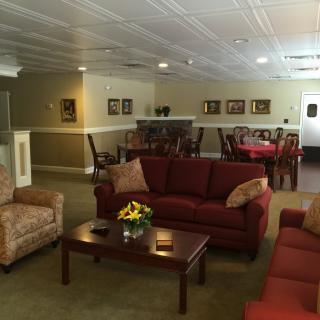
    • Dining room Dining roomDining rooms are important for seniors as they provide a space for socialization, connection, and nutritious meals. They offer opportunities for residents to bond over shared meals, foster a sense of community, and promote healthy eating habits. Dining rooms also ensure that seniors have access to well-balanced meals tailored to their dietary needs and preferences.
    • Fully furnished Fully furnishedFully furnished senior living communities are important for seniors because they provide convenience, comfort, and a hassle-free moving experience. Seniors can easily settle into their new living space without the stress of having to buy and move furniture. This allows them to focus on enjoying their new home and community.
    • Garden GardenGardens are important for seniors as they provide a peaceful and therapeutic environment for relaxation, physical activity, and socialization. Being in nature has been shown to reduce stress, improve mood, and promote overall well-being. Gardens also offer opportunities for seniors to engage in gardening activities, which can improve mobility, flexibility, and cognitive function. Additionally, gardens create a sense of community and connection with others who share a passion for plants and outdoor spaces.
    • Housekeeping services Housekeeping servicesHousekeeping services are important for seniors because they help maintain a clean and safe living environment, promote independence, and reduce the risk of accidents or illnesses. Additionally, having assistance with household chores can alleviate physical strain and allow seniors to focus on other aspects of their well-being.
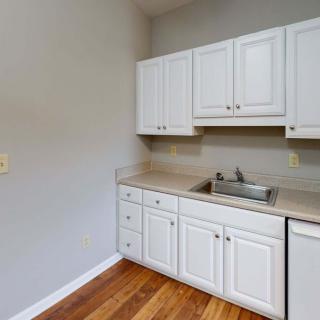
    • Kitchenette KitchenetteKitchenettes are important for seniors living in senior living communities because they provide the convenience and independence of being able to prepare simple meals and snacks in the comfort of their own living space. This can help promote a sense of autonomy and well-being for seniors, allowing them to maintain some level of control over their dietary choices and daily routines.
    • Move-in coordination Move-in coordinationMove-in coordination is important for seniors because it helps ease the transition into their new living environment. It ensures that all logistics, such as packing, organizing movers, and setting up utilities are taken care of, allowing seniors to focus on settling in and adjusting to their new home. Having a smooth move-in process can alleviate stress and anxiety, making the transition smoother and more enjoyable for seniors.
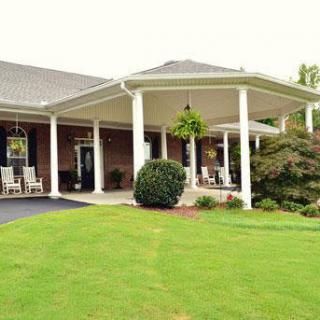
    • Outdoor space Outdoor spaceOutdoor spaces are important for seniors as they provide opportunities for physical activity, social interaction, exposure to natural light and fresh air, and a sense of connection to nature. Having access to outdoor spaces can improve overall well-being and quality of life for older adults living in senior communities.
    • Restaurant-style dining Restaurant-style diningRestaurant-style dining is important for seniors because it allows them to enjoy delicious, nutritious meals in a social and upscale setting. This enhances their dining experience, promotes healthy eating habits, and fosters socialization with fellow residents, ultimately contributing to their overall well-being and quality of life.
    • Small library Small librarySmall libraries are important for seniors as they provide access to a variety of reading materials, including books, newspapers, and magazines. This can help stimulate their minds, keep them engaged, and provide a sense of community through book clubs and other social activities. Additionally, reading has been shown to improve cognitive function and overall mental well-being in older adults.
    • Telephone TelephoneTelephones are important for seniors as they provide a lifeline for communication with loved ones, emergency services, and healthcare providers. They offer a sense of security and independence, enabling seniors to stay connected and access assistance when needed.
    • Wi-Fi/high-speed internet available Wi-Fi/high-speed internet availableWi-Fi/high-speed internet is important for seniors to stay connected with loved ones, access online resources, and participate in virtual activities to combat feelings of loneliness and isolation. It also allows them to easily manage healthcare needs, access entertainment, and engage in lifelong learning opportunities.

    Care Services

    • 24-hour call system 24-hour call system24-hour call systems are important for seniors because they provide peace of mind and immediate assistance in case of emergencies. This technology ensures that help is always available, promoting safety and security for elderly individuals living alone or in assisted living facilities.
    • 24-hour supervision 24-hour supervision24-hour supervision is important for seniors to ensure their safety, well-being, and access to immediate assistance in case of emergencies or health issues. This constant support provides peace of mind for both seniors and their loved ones, allowing them to age in place with dignity and security.
    • Activities of daily living assistance Activities of daily living assistanceActivities of daily living assistance are important for seniors because they provide essential support with tasks such as eating, bathing, dressing, and mobility. This assistance helps seniors maintain their independence, dignity, and overall quality of life as they age.
    • Assistance with bathing Assistance with bathingAssistance with bathing is crucial for seniors as it helps maintain personal hygiene, prevents infections, and ensures their overall well-being and comfort. It also provides a sense of dignity and independence for seniors who may struggle with this task on their own.
    • Assistance with dressing Assistance with dressingAssistance with dressing is important for seniors because it helps maintain their independence, promotes personal hygiene, prevents accidents and injuries, and improves overall quality of life. This service ensures that seniors can continue to dress comfortably and confidently, despite any physical limitations they may have.
    • Assistance with transfers Assistance with transfersAssistance with transfers is crucial for seniors as it helps prevent falls and injuries, maintains their independence, and ensures they can safely navigate their living environment. It also provides peace of mind for both seniors and their loved ones.
    • Diabetes diet Diabetes dietA diabetes diet is crucial for seniors as it helps manage blood sugar levels, reduce risks of complications, and improve overall health and well-being. By following a balanced and nutritious diet tailored to their specific needs, seniors can better control their diabetes and enhance their quality of life.
    • Meal preparation and service Meal preparation and serviceMeal preparation and service are crucial for seniors as they may have limited mobility or energy to cook nutritious meals. Having access to healthy and convenient food options can ensure they are getting the proper nutrition needed to maintain their overall health and well-being.
    • Medication management Medication managementMedication management is crucial for seniors to ensure they are taking the right medications at the correct dosages and times. This helps prevent adverse drug interactions, reduces the risk of medication errors, and promotes overall health and well-being. Proactive management also allows for adjustments as needed based on changing health conditions or new prescriptions.
    • Mental wellness program Mental wellness programMental wellness programs are essential for seniors as they promote cognitive stimulation, emotional support, and social engagement. These programs help prevent isolation, depression, and cognitive decline, ultimately enhancing the overall quality of life for older adults.
    • Mild cognitive impairment Mild cognitive impairment"Mild cognitive impairment" is important for seniors because it is an early stage of cognitive decline that can potentially progress to more severe conditions such as dementia. Recognizing and addressing mild cognitive impairment can help seniors receive appropriate care and support to maintain their quality of life and independence for as long as possible.
    • Special dietary restrictions Special dietary restrictionsSpecial dietary restrictions are important for seniors because age-related changes in metabolism and health conditions can make it difficult for their bodies to process certain foods. By following a diet tailored to their specific needs, seniors can maintain their overall health and well-being, manage chronic conditions, and reduce the risk of complications such as malnutrition or food interactions with medications.

    • Specialized memory care programming Specialized memory care programmingSpecialized memory care programming is crucial for seniors with cognitive impairments such as dementia or Alzheimer's disease. These programs provide a safe and supportive environment tailored to the unique needs of individuals with memory loss, helping them maintain their independence, dignity, and quality of life.

    Dining

    • Diabetes diet Diabetes dietA diabetes diet is crucial for seniors as it helps manage blood sugar levels, reduce risks of complications, and improve overall health and well-being. By following a balanced and nutritious diet tailored to their specific needs, seniors can better control their diabetes and enhance their quality of life.
    • Special dietary restrictions Special dietary restrictionsSpecial dietary restrictions are important for seniors because age-related changes in metabolism and health conditions can make it difficult for their bodies to process certain foods. By following a diet tailored to their specific needs, seniors can maintain their overall health and well-being, manage chronic conditions, and reduce the risk of complications such as malnutrition or food interactions with medications.

    Activities

    • Community-sponsored activities Community-sponsored activitiesCommunity-sponsored activities are important for seniors as they provide opportunities for social interaction, mental stimulation, and physical activity. These activities can help improve overall well-being, combat loneliness and isolation, and promote a sense of belonging and purpose among older adults.
    • Resident-run activities Resident-run activitiesResident-run activities are important for seniors as they encourage social interaction, creativity, and a sense of autonomy. These activities empower seniors to stay engaged and active in their community while fostering meaningful connections with their peers.
    • Scheduled daily activities Scheduled daily activitiesScheduled daily activities are important for seniors because they provide structure, socialization, mental stimulation, and physical activity. Engaging in regular activities can improve overall well-being and quality of life for seniors living in a community setting.

    Description

    Pines Senior Living in Maysville, GA is an assisted living community that specializes in Memory Care. Our community is designed to provide a safe and supportive environment for individuals with Alzheimer's disease or other forms of memory impairment.

    Residents at Pines Senior Living can enjoy a variety of amenities to enhance their daily lives. Each apartment is fully furnished and includes cable or satellite TV, a kitchenette, and a telephone. Wi-Fi/high-speed internet is available throughout the community. Our beautiful outdoor space and garden provide opportunities for residents to relax and enjoy nature.

    Meals at Pines Senior Living are served restaurant-style in our dining room. We accommodate special dietary restrictions, such as diabetes diets, ensuring that each resident receives proper nutrition. Housekeeping services are provided to keep each apartment clean and comfortable.

    Our dedicated staff provides 24-hour supervision and assistance with activities of daily living, including bathing, dressing, and transfers. Medication management is also available to ensure that residents are taking their medications properly. Additionally, we offer specialized memory care programming to support cognitive health and mental wellness.

    At Pines Senior Living, we believe in promoting an active lifestyle for our residents. We offer a range of resident-run activities and scheduled daily activities to keep residents engaged and entertained.

    Parks nearby provide opportunities for outdoor recreation and enjoyment of nature. These parks serve as convenient destinations for outings and walks with friends or family members.

    Overall, Pines Senior Living provides a warm and welcoming environment where individuals with memory impairment can receive the care they need while maintaining their independence and quality of life.

    Nearby Places of Interest

    Parks

    • Hurricane Shoals Park (3.3 miles)

    Restaurants

    • Applebee's (5.8 miles)
    • La Hacienda (5.9 miles)
    • Sonic Drive-In (5.9 miles)
    • Wendy's (5.9 miles)
    • Burger King (5.9 miles)
    • Culver's (6 miles)
    • Chick-Fil-A (6 miles)

    Cafes

    • Starbucks (6 miles)

    Physicians

    • Commerce Pain Management (6.1 miles)
    • Commerce Urgent Care & Family Practice (6.1 miles)
    • Commerce Cardiology Clinic (6.1 miles)
    • Urgent Care At Banks Crossing L (6.1 miles)
    • Medical Center Family Practice (6.2 miles)
    • Robert P Marshburn (6.2 miles)
    • Family Orthopedics PC (6.2 miles)

    Hospitals

    • Bjc Medical Center (6.2 miles)
    • Northridge Medical Center (6.2 miles)
    • Northridge Hospital Medical Center (6.3 miles)
    • Bjc Medical (6.3 miles)
    • Advantage Behavioral Health System (7.9 miles)
    • Athens Regional Hospital (10.3 miles)
    • 1480 Building (14.1 miles)

    Pharmacies

    • Walmart Pharmacy (6.2 miles)
    • Tiger Town Pharmacy (6.7 miles)
    • Walgreens (6.9 miles)
    • CVS Pharmacy (7 miles)
    • Ingles Market (9 miles)
    • Kroger Pharmacy (9.5 miles)
    • Health Mart Pharmacy (9.5 miles)

    Places of Worship

    • Southern Baptist Convention (6.4 miles)
    • Redemption Outreach Ministries (8 miles)
    • Hickory Flat United Methodist (8.2 miles)
    • Southern Baptist Convention (8.6 miles)
    • Bethany Christian Church (8.9 miles)
    • Charity Baptist Church (10 miles)
    • Lula United Methodist Parsonag (10.8 miles)

    Transportation

    • U-Haul (6.6 miles)
    • U-Haul Neighborhood Dealer (13.4 miles)

    Frequently Asked Questions

    Where is Pines Senior Living?
    Does Pines Senior Living provide care for residents with dementia or Alzheimer's disease?
    What photos are available for Pines Senior Living in Maysville, Georgia?

    Nearby Communities

    • Femi Southern Pines

      Femi Southern Pines

      Maysville, GA

      4.6 from 29 reviews
      $2,500 to $3,500 / month

      pro Professional, caring staff with clean facilities and strong value.

    • Country Living Personal Care

      Country Living Personal Care

      Commerce, GA


      pro Intimate, fully furnished setting with personalized care and restaurant-style dining.

    • Brighter Mornings At The Shoals

      Brighter Mornings At The Shoals

      Maysville, GA

      3.5 from 8 reviews
      $2,850 / month

      pro Caring staff in a warm, home-like atmosphere with good meals.

    • Hill Haven Nursing Home

      Hill Haven Nursing Home

      Commerce, GA


      pro Restaurant-style dining and extensive amenities

    • Bountiful Hills Senior Living Community

      Bountiful Hills Senior Living Community

      Commerce, GA

      4.7 from 80 reviews
       

      pro Attentive, confident staff; very good dining; and engaging in-house activities that foster community.

    • Bountiful Hills Senior Living

      Bountiful Hills Senior Living

      Commerce, GA

      4.5 from 103 reviews
      $2,250 to $4,300 / month

      pro Caring, compassionate staff in a welcoming, small-community setting with personalized attention.

    • Brookside Commerce

      Brookside Commerce

      Commerce, GA

      4.5 from 85 reviews
      $2,250 to $4,100 / month

      pro Caring staff, clean, home-like environment with varied dining and activities.

    • Jackson Oaks Senior Living

      Jackson Oaks Senior Living

      Jefferson, GA

      3.9 from 81 reviews
      $3,595 to $4,995 / month

      pro Caring staff and engaging activities in a clean, pleasant setting.

    • New Horizons Limestone

      New Horizons Limestone

      Gainesville, GA

      2.6 from 18 reviews
      $3,510 to $5,460 / month

      pro Private rooms with restaurant-style dining and a wide range of amenities (beauty salon, fitness room, computer center, Wi-Fi).

    Related Resources

    • sundown syndromeComprehending Evening Confusion in Dementia: Causes, Manifestations, and Support

      Sundown syndrome, or sundowning, is a phenomenon in dementia patients characterized by increased confusion and agitation during late afternoon and evening, influenced by factors like disrupted circadian rhythms and fatigue. Effective caregiver strategies include establishing routines and managing environmental light while addressing caregiver stress through support services.

    • delirium vs dementiaDelirium and Dementia: Unraveling the Key Differences

      Delirium is a rapidly onset, reversible cognitive disturbance often caused by acute medical issues, while dementia is a gradual and irreversible decline due to chronic neurodegenerative diseases. Accurate differentiation between the two is essential for appropriate treatment and management in older adults.

    • can you die from dementiaAre Dementia and Alzheimer's Disease Lethal? A Comprehensive Exploration


      Dementia, including Alzheimer’s disease, is often mischaracterized in terms of lethality as it leads to complications that can be fatal rather than being a direct cause of death; it causes a progressive decline in cognitive and physical health, making patients vulnerable to infections and other health crises. Effective management of nutrition, hydration, and communication is crucial in patient care, with palliative care becoming vital in advanced stages to enhance comfort and quality of life while caregivers play a key role amidst the challenges posed by the disease.


    Get Pricing Ask A Question Schedule A Tour Contact Senior Advisor