

2470 Windy Hill Rd SE Ste 300, Marietta, GA 30067
To contact a resident: (770) 545-6198
For more information about senior living options: (866) 208-4318
AMADA Senior Care - Marietta, GA Costs & Pricing
At AMADA Senior Care in Marietta, GA, the monthly costs for accommodations are notably competitive when compared to both Cobb County and the broader state of Georgia. For a studio apartment, residents can expect to pay between $2,020 and $2,320, a significant savings compared to the county average of $3,482 and the state average of $3,520. One-bedroom units are priced from $2,555 to $2,665, again offering affordability relative to Cobb County's average of $3,303 and Georgia's overall average of $3,412. Finally, two-bedroom apartments at AMADA range from $2,845 to $3,020 - this represents a favorable option against Cobb County's average of $3,824 and Georgia's average cost of $3,921. Overall, AMADA Senior Care provides excellent value for those seeking senior living options in the Marietta area.
| Floor plans | AMADA Senior Care - Marietta, GA | Cobb County | Georgia |
|---|---|---|---|
| Studio | $2,020 to $2,320 | $3,482 | $3,520 |
| 1 Bedroom | $2,555 to $2,665 | $3,303 | $3,412 |
| 2 Bedrooms | $2,845 to $3,020 | $3,824 | $3,921 |
Senior living communities with a similar price nearby
-
from +$80 / mo
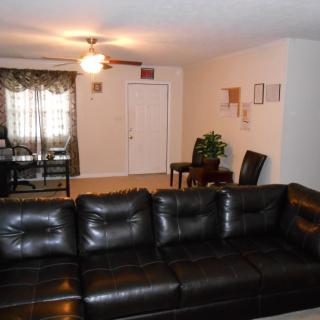
Premium Personal Care Home
$2,100 to $2,850 / month7.8 miles away -
from +$80 / mo
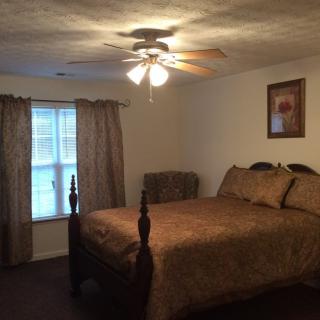
Abiding Care Home
$2,100 / month21.9 miles away -
from -$220 / mo

G & M Personal Care Home
$1,800 to $2,500 / month24.5 miles away -
About the same
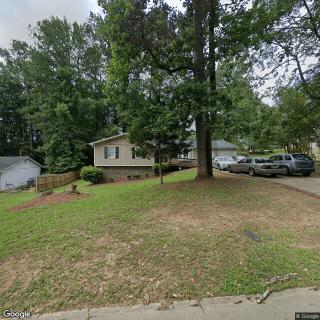
B&A Personal Care Home
$2,000 / month24.6 miles away -
from +$280 / mo
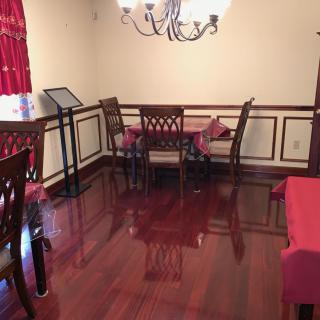
Dalia Precious Memories
$2,300 / month23.6 miles away
Overall Review of AMADA Senior Care - Marietta, GA
Pros
 They credit Lisa Waters at Amada Senior Care with identifying the best fit for their mother and coordinating the transfer.
- They note Lisa's ongoing follow-up after the move to ensure the transition went smoothly and to suggest improvements.
- They express high satisfaction with Amada's 24/7 caregivers over 1.5 years, with most providers an excellent fit and any issues handled promptly.
- They describe the owners as very responsive and always available.
- They feel the service provided invaluable knowledge and connections, effectively navigating senior care.
- They would highly recommend Amada for home health care and senior care consulting.
Cons
Review
AMADA Senior Care in Marietta is best suited for families that need a decisive, hands-on care partner to guide transitions and to coordinate care across settings. This community truly shines for those navigating hospital or rehab discharge, long-term in-home support, and the process of selecting an assisted living or nursing facility. It is ideal for families that want an advocate who can map options, arrange transportation, secure necessary equipment, coordinate medical orders, and stay involved after a move to ensure the placement remains a good fit. Those seeking a purely facility-first experience with minimal outside coordination may want to look at other options.
The strongest advantages come from a proven, hands-on care-management approach. The team routinely arranges 24/7 caregiving, maintains strong relationships with local facilities, and acts as a reliable liaison among families, hospitals, and nursing teams. Owners are described as responsive and accessible, which reduces the friction common to transitions. The standout value lies in the coordinator’s ability to “captain the ship”, placing the right caregivers, aligning services with medical needs, and orchestrating practical details such as hospital beds, timely transfer of orders, and even initiating hospice when appropriate. In many cases, families report a transition that feels seamless because of this centralized support.
These strengths offset notable potential downsides by delivering continuity and trust. The reviews consistently highlight that the vast majority of caregivers are a good fit, and that issues are addressed promptly when they arise. The model’s emphasis on care management, almost a social-work mindset, means families aren’t left to juggle appointments and logistics alone. Even when a loved one remains in the home setting for extended periods, the level of coordination helps preserve independence and minimizes the chaos that often accompanies complex care needs. The narrative is reinforced by tangible outcomes: a 98-year-old mother who moved through rehab and into long-term care with highly organized support, a two-week window in which a hospitalized patient regained enough function to self-care, and hospice coordination when the moment called for it.
Still, this approach is not without caveats. For families that want a strictly in-facility experience with in-house nursing or a memory-care program with institutionalized routines, AMADA’s model may feel more auxiliary than essential. The strongest value comes from those who require proactive planning, cross-setting coordination, and a trusted advocate who can stay engaged over months or years. If the client's needs are best met by a traditional on-site care ecosystem with limited external coordination, or if budget constraints push toward minimal outsourced management, alternatives may be more straightforward. The key is to align expectations with the reality that AMADA functions as a highly capable partner in care orchestration rather than a single, self-contained care setting.
Concrete client stories illustrate how these dynamics play out in real life. Families repeatedly credit Lisa Waters and the local team for enabling transitions that felt controlled and compassionate. The caregiver network has been described as “angels” by families who needed 24/7 support, and the team’s ability to line up transportation, hospital beds, and timely medical orders is repeatedly cited as a decisive factor in avoiding unnecessary hospital recurrences and maintaining a sense of home and normalcy. The long-term nature of some engagements, years of caregiving, followed by periodic reassessment, demonstrates the stability that comes from a trusted, hands-on advisor who remains available beyond the initial placement.
For families weighing options in the Marietta area, the practical takeaway is clear: AMADA Senior Care offers an unusually proactive, well-connected approach to senior care that combines home-care flexibility with disciplined placement support. The best-fit clients are those who value a seasoned advocate who can navigate medical nuances, coordinate multiple care providers, and maintain a steady, human-centered focus on quality of life. Prospective clients should engage early with Lisa Waters, request a clear care plan, and probe concrete examples of 24/7 coverage, transitions, and coordination with facilities. Verify costs, but weigh them against the tangible relief of having an experienced partner who can prevent missteps and keep loved ones safely and happily at home or in the right community.
 William B Hartsfield-Atlanta International (18 miles away)






 Powerful Realities of Elder Abuse and the Most Effective Ways to Report It
 Ten Vital Duties of a Senior Caregiver: A Comprehensive Guide
 9 Stimulating Memory Activities for Seniors: Puzzles, Cards, and Much More