

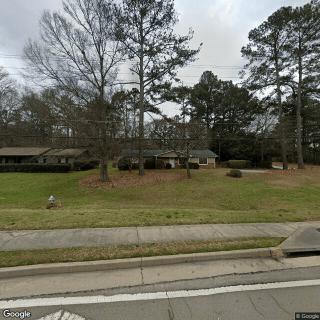
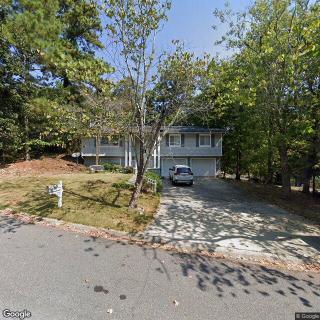
2193 Hudson Drive, Lilburn, GA 30047
For more information about senior living options: (866) 208-4318
Morning Star Personal Care I Costs & Pricing
Morning Star Personal Care I offers competitive pricing for its services, with monthly costs that are notably lower than both Gwinnett County and the broader state of Georgia. For a private room, residents can expect to pay $2,000, which is significantly below the county's average of $2,551 and the state's average of $2,864. Similarly, semi-private accommodations at Morning Star are priced at $2,000 as well, which again provides excellent value compared to Gwinnett County's rate of $2,530 and Georgia's overall average of $2,529. For those seeking a studio arrangement, Morning Star's price of $2,500 still represents an attractive option in light of local and state averages - $3,580 in Gwinnett County and $3,520 statewide. These cost advantages make Morning Star Personal Care I an appealing choice for individuals looking for quality personal care without straining their budgets.
| Floor plans | Morning Star Personal Care I | Gwinnett County | Georgia |
|---|---|---|---|
| Private | $2,000 | $2,551 | $2,864 |
| Semi-Private | $2,000 | $2,530 | $2,529 |
| Studio | $2,500 | $3,580 | $3,520 |
Memory care communities with a similar price nearby
-
from +$100 / mo
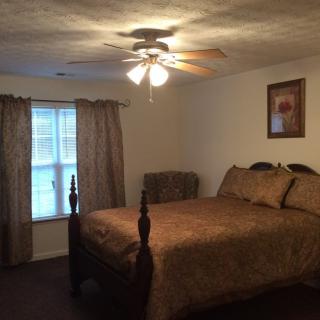
Abiding Care Home
$2,100 / month14.1 miles away -
About the same

Omni Adult Day Care
$2,000 to $3,000 / month15.7 miles away -
from +$300 / mo
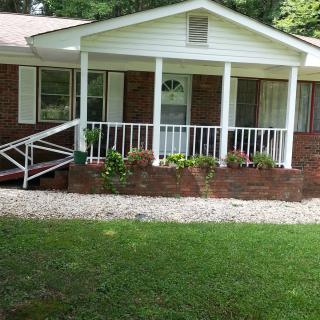
Comfort Care Personal Care Home
$2,300 / month1.9 miles away -
from +$200 / mo
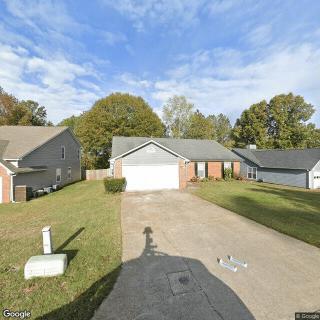
Lia's Personal Care Home
$2,200 to $2,500 / month14.3 miles away -
from +$200 / mo
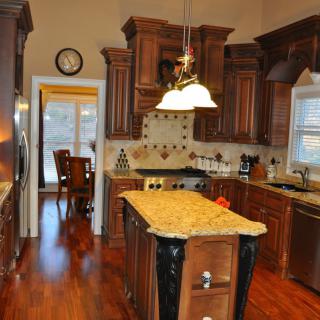
Angels Garden Senior Communities
$2,200 to $2,600 / month19.2 miles away
Overall Review of Morning Star Personal Care I
Pros
 Morning Star took great care of his dad when he needed personal care home care.
- He really enjoyed living in another location also managed by Morning Star Adult Living.
- Morning Star is not a big corporation.
- They are personally there looking after loved ones.
- Morning Star hires only staff that loves from their heart.
- They treat relatives as if they were related too.
- The homes have a family environment amongst the residents.
Review
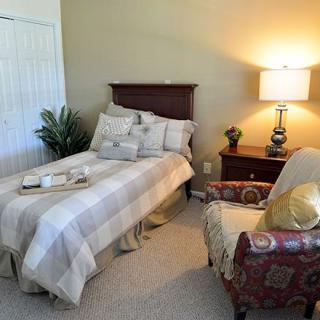
Morning Star Personal Care I is best suited for families who want a small, home-like personal care setting in Lilburn, Georgia, where caregivers are directly involved and relationships with residents are at the center of daily life. This community thrives when families value warmth over polish, and when seniors need steady, compassionate hands-on assistance rather than a large, hospital-like atmosphere. The emphasis is on personal attention, with staff who operate in a family-spirited, heart-led manner. For those who measure care by intimate connections, predictable routines, and a sense of belonging within a tightly knit group, Morning Star delivers very clearly.
Those considering alternatives should note that the benefits of a family-run, intimate model may come with trade-offs. If the priority is robust medical oversight, a wide array of on-site services, or highly standardized programming across multiple locations, a larger operator could be a better fit. Families seeking extensive memory-care specialization, highly predictable staffing schedules, or expansive activity calendars found in bigger communities may want to compare options. The mixed rating, one high-scoring, one low, signals that experiences can diverge, and prospective residents should gather specifics during tours to understand how care is actually delivered on a typical day.
The core pros, a genuine, hands-on approach from operators who are present and care deeply about residents, tend to offset the main limitations of a small setting. The staff’s heartfelt commitment translates into frequent, meaningful interactions and a sense that residents are not simply housed but cherished. The “not a big corporation” factor matters here: families can expect direct accountability from leadership and a culture where problems are addressed with care, not process. The positive example of a resident thriving in another Morning Star location reinforces the message that the philosophy travels across homes, delivering continuity of warmth and relationship-based care.
However, the scale of Morning Star Personal Care I inevitably introduces constraints. With fewer staff and a smaller footprint, coverage gaps, less redundancy, or slower response in peak times are possibilities families should still scrutinize. The strongest value, authentic, heart-led caregiving, can mitigate these concerns, but it does not erase them. When an elder requires more formalized protocols, specialized therapies, or aggressive medical management, families may find a larger setting provides more structured support. In those cases, the cons become more pronounced than the pros, and alternatives warrant serious comparison.
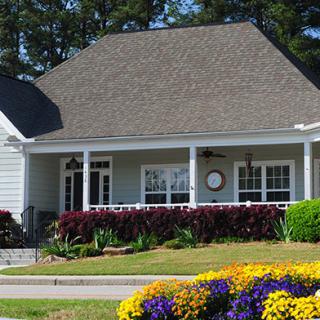
Day-to-day life in this community tends to feel like a close-knit family home rather than a clinical residence. Residents are treated as part of the household, with caregivers who invest time in meaningful conversations, gentle assistance with activities of daily living, and a rhythm that emphasizes dignity and respect. The presence of another Morning Star Adult Living location signals a coherent care philosophy across properties, which can ease transitions within the same care network if a move becomes necessary. For seniors who prize consistency of tone, familiar faces, and a calm, homelike environment, these are meaningful advantages.
In deciding whether Morning Star Personal Care I is the right fit, focus on fit over form. It is a compelling choice for families prioritizing intimate, heart-fueled care and wanting to avoid the impersonal feel of larger operators. Pros, genuine caregiver devotion, a family environment, and direct involvement from owners, tend to offset the lack of scale, provided expectations are aligned with what the home can realistically deliver. For those who demand extensive medical infrastructure, broad programming, or a tightly regulated, highly structured setting, it makes sense to explore alternatives and compare care plans, staffing models, and practical day-to-day operations. A thoughtful site visit will illuminate how the balance between heart and scale plays out in real life.
 3 resident community capacity
 Assisted Living
 Board and Care Home
 Memory Care
 Cable or satellite TV
 Dining room
 Fully furnished
 Garden
 Housekeeping services
 Move-in coordination
 Outdoor space
 Private
 Telephone
 Wi-Fi/high-speed internet available
 William B Hartsfield-Atlanta International (23 miles away)
 24-hour supervision
 Activities of daily living assistance
 Assistance with bathing
 Assistance with dressing
 Assistance with transfers
 Diabetes diet
 Meal preparation and service
 Medication management
 Special dietary restrictions
 Transportation arrangement (medical)
 Transportation to doctors appointments

 When to Transition from Assisted Living to Memory Care: Key Indicators, Steps, and Finding the Right Community
 Understanding the Distinctions: Assisted Living and Memory Care Explained
 How to Communicate with a Loved One Living with Dementia: 10 Supportive Strategies