
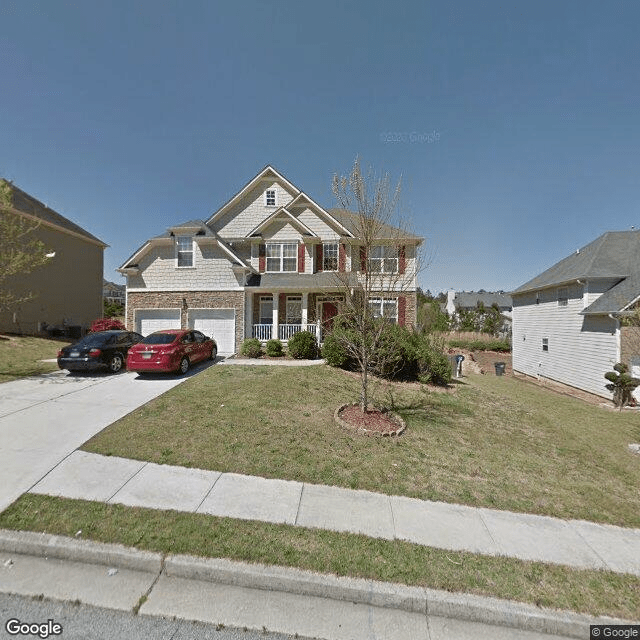
1587 Bramlett Hill Drive, Lawrenceville, GA 30046
To contact a resident: (678) 395-4236
For more information about senior living options: (866) 208-4318
Loving Angels Home Care Costs & Pricing
At Loving Angels Home Care, the monthly cost for a private room is competitively priced at $2,500. This rate is slightly lower than the average in Gwinnett County, which stands at $2,551, and significantly below the broader state average of $2,864 for similar accommodations. This pricing strategy reflects our commitment to providing high-quality care while maintaining accessibility for families seeking an supportive environment for their loved ones. We are dedicated to ensuring that residents receive exceptional service without compromising on comfort or care quality.
| Floor plans | Loving Angels Home Care | Gwinnett County | Georgia |
|---|---|---|---|
| Private | $2,500 | $2,551 | $2,864 |
Senior living communities with a similar price nearby
-
from +$350 / mo
Miss Willie's Manor
$2,850 to $3,250 / month15.9 miles away -
About the same
Eden Home Care
$2,500 / month5.2 miles away -
About the same

A & C Personal Care Home
$2,500 to $4,000 / month15.3 miles away -
About the same

Golden Manor Senior Living
$2,500 to $4,445 / month7.6 miles away -
from -$200 / mo
Comfort Care Personal Care Home
$2,300 / month14.0 miles away
Overall Review of Loving Angels Home Care
Pros
 Ebony and Shalonda are personable and attentive, always ready to help.
- The organization is highly regarded and described as a blessing in disguise.
- The nurses are professional, knowledgeable, and passionate about serving others.
- Ebony Ferguson is genuinely caring.
- Shalonda is a wonderful nurse, caring and compassionate.
- The service is attentive to loved ones and highly recommended.
- Angel’s Touch is absolutely phenomenal and highly recommended.
Review
Loving Angels Home Care in Lawrenceville, Georgia is best suited for families seeking a warm, intimate, home-like setting where an aging loved one can receive steady daily support, compassionate companionship, and reliable, responsive communication from leaders who are hands-on. The model rewards those who value continuity and personal attention, with a team that remembers routines, preferences, and names. For families, this translates into a caregiving dynamic that feels less like a distant service and more like a trusted, local relationship. The environment fosters comfort and predictability, with residents experiencing meals, outings, and daily activities in a setting that feels domestic rather than institutional.
Who may want to consider alternatives is worth noting. If the priority is robust clinical oversight, highly structured memory care, or a formal, larger campus with abundant on-site therapies, this option may fall short. For loved ones requiring round-the-clock RN supervision, extensive rehabilitation services, or specialized dementia programs, traditional assisted living communities or skilled nursing facilities could be a better fit. Similarly, families seeking a destination with extensive, calendar-driven programming and a broad spectrum of on-site amenities might find that a larger operator delivers the breadth they need. This is a strength of a smaller, home-based model, but not a universal solution.
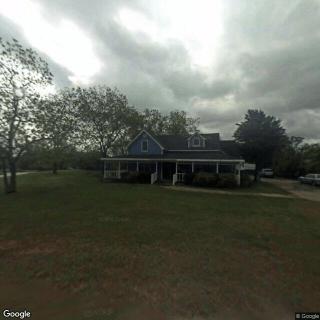
The strongest positives center on the people delivering care. Ebony and Shalonda emerge as anchors, approachable, attentive, and genuinely invested in outcomes. The nursing team is described as professional, knowledgeable, and passionate about service, with leadership that treats care as a calling. The care-giving owner is portrayed as a person whose mission centers on elderly welfare, and the consistency of the staff translates into trust for families during stressful times. The home itself is noted as well furnished and welcoming, reinforcing the sense that residents are valued and comfortable. A reasonably priced monthly rate, combined with a flexible menu and the capacity to tailor meals, adds to the practical appeal, while outings and social opportunities elevate quality of life.
Yet the model does have its limits, and these must be weighed against the benefits. The intimate, home-based footprint naturally constrains scale and may limit access to some on-site medical resources that larger facilities routinely offer. While the staff appears capable and dedicated, families should verify the depth of medical oversight available at all times, and confirm whether specialized rehabilitation or dementia-focused programming is readily accessible. The trade-off, continuity, warmth, and direct leadership, offsets many potential drawbacks for most residents, but it may not satisfy those with complex clinical needs or a desire for highly structured daily programming.
To decide with confidence, prospective families should pursue concrete, practical information before committing. Clarify caregiver-to-resident ratios and how coverage works on weekends and nights. Review the care plans: who writes them, how often they’re updated, and how dietary restrictions are integrated into meals. Inspect an activity schedule to understand how outings and social engagement are organized, and ask about emergency protocols, medication management, and family communication channels. Finally, scrutinize the contract to understand what the monthly rate includes and what costs might arise, along with policies on respite care. An in-person visit with Ebony, Shalonda, and the living environment will reveal whether the emotional climate aligns with expectations.
Overall, Loving Angels Home Care presents a compelling option for families prioritizing personal connection, responsive care, and affordability within a home-like setting. It is especially well-suited for seniors who value a tight-knit caregiving team, predictable routines, and opportunities to enjoy meals and outings in a comfortable, less institutional atmosphere. For loved ones requiring advanced medical supervision, intensive therapy, or specialized memory-care programming, pursuing alternatives with larger staff and formal programs is prudent. When the match is right, this community delivers a trustworthy, comforting experience where care feels purposeful, compassionate, and incredibly attentive.
 Board and Care Home
 Activities off-site
 Bath tubs
 Devotional services off-site
 Outdoor common areas
 Private
 Respite or short term stays offered
 Swimming pool / hot tub
 Wheelchair accessible showers
 Ambulatory care
 Diabetic care
 High acuity care
 Incontinence care
 Medication management
 Meals provided
 Adventist services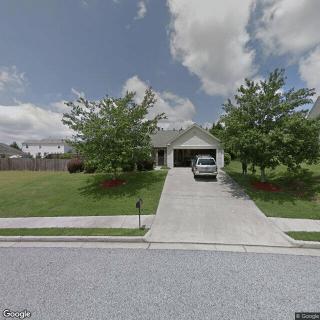


 Powerful Realities of Elder Abuse and the Most Effective Ways to Report It
 Ten Vital Duties of a Senior Caregiver: A Comprehensive Guide
 9 Stimulating Memory Activities for Seniors: Puzzles, Cards, and Much More