

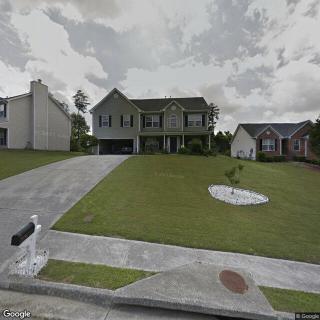
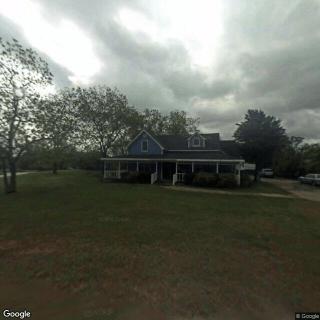
1260 Hiram Davis Road, Lawrenceville, GA 30045
To contact a resident: (678) 860-2439
For more information about senior living options: (866) 208-4318
New Hope Care Home Costs & Pricing
New Hope Care Home offers competitive pricing for its residents, particularly when compared to regional and state averages. For a semi-private room, the monthly cost is set at $2,800, which is slightly higher than Gwinnett County's average of $2,530 and Georgia's overall average of $2,529. In the case of private rooms, New Hope Care Home charges $3,000 per month. This rate positions it just above Gwinnett County's average of $2,551 but remains notably lower than the statewide average of $2,864. Overall, New Hope Care Home maintains a solid balance between quality care and affordability within its market.
| Floor plans | New Hope Care Home | Gwinnett County | Georgia |
|---|---|---|---|
| Semi-Private | $2,800 | $2,530 | $2,529 |
| Private | $3,000 | $2,551 | $2,864 |
Senior living communities with a similar price nearby
-
About the same

Miss Willie's Manor
$2,850 to $3,250 / month15.9 miles away -
from -$300 / mo
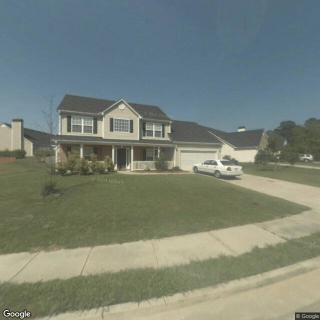
Eden Home Care
$2,500 / month4.8 miles away -
from -$300 / mo
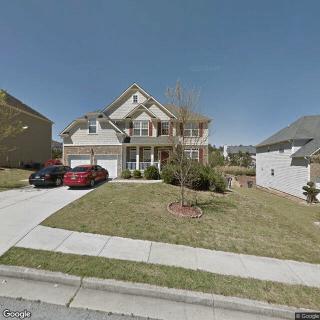
Loving Angels Home Care
$2,500 / month1.2 miles away -
from -$300 / mo

A & C Personal Care Home
$2,500 to $4,000 / month14.6 miles away -
from +$200 / mo

Spout Springs Personal Care Home
$3,000 / month10.7 miles away
Overall Review of New Hope Care Home
Pros
 Hope Private Care has everything one would want in a caregiver; they are professional, loving, compassionate, empathetic, reliable, trustworthy, and thorough.
- The support team provides professional and compassionate care, with services conveniently coordinated through a single provider.
- The company’s commitment to exceptional in-home care makes a meaningful difference, and clients highly recommend them.
- Aides like Miss Johnson and Miss Wright demonstrate dedication, with staff going above and beyond.
- Clients stay for years and feel beyond satisfied with the service.
- Having a dedicated care team improves confidence for clients and their families.
- Hope Private In-Home Care responds quickly, uses technology to facilitate communication, and their caregivers are qualified, caring, and outgoing.
- The home environment feels like a family, with kind, caring staff and even home-cooked meals.
Cons
 The agency is repeatedly described as unprofessional and unorganized from the start.
- Felecia is described as unprofessional, with a negative attitude, and not performing her duties.
- The CNA Shantia arrived late, lacked necessary knowledge and experience, and left the home early.
- The agency sometimes sent aides who did not work for the company, undermining reliability.
- The owner assistant allegedly instructed staff to perform tasks beyond their scope, including feeding tubes, creating liability.
- An aide left the client alone in bed without water or medicine when care was needed.
- The agency minimized problems and failed to communicate adequately, leaving issues unresolved.
- There were repeated scheduling failures, including days with no-shows or last-minute cancellations.
Review
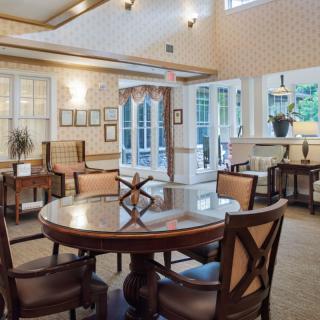
New Hope Care Home in Lawrenceville is best suited for seniors who prize a small, home-like setting where care feels personal and relationships with staff matter as much as routines. The strongest appeal lies in a family-run atmosphere, visible owner involvement, and a caregiving culture that emphasizes warmth, attentiveness, and everyday kindness. Prospective residents who value intimate surroundings, direct communication with a tight-knit team, and options like private rooms, simple home-style meals, and comfortable common spaces will find a compelling fit here. This is the kind of place where visits feel easy, and staff are more likely to know residents by name and history, which supports a sense of dignity and belonging.
But this particular format may not suit everyone. Families needing steady, high-acuity medical oversight or highly predictable, regimented care may want to consider alternatives. The reviews reveal that while caregivers can be outstanding, there are notable signals of potential inconsistency, staff turnover, late arrivals, and gaps in formal training, that can translate into missed medications, delayed assistance, or uneven care. For residents who require continuous nursing supervision, complex medical equipment management, or guaranteed 24/7 staffing, a larger facility with established on-site nursing teams and standardized protocols may provide greater peace of mind.
On the upside, the key strengths center on human connection and individualized attention. Caregivers described as caring, outgoing, and genuinely committed create a sense of safety and welcome that is hard to manufacture in bigger communities. The hands-on nature of leadership, with owners and front-office staff actively involved, can yield quicker problem-solving and a more responsive communication loop for families. Positive anecdotes, staff going beyond the call of duty, celebrating milestones, and delivering home-cooked meals, illustrate a culture that treats residents as members of a close-knit household rather than as mere occupants. In such an environment, daily life often feels calmer and more personalized, which can be a decisive advantage for residents who thrive on routine and personal attention.
Yet the cautionary notes cannot be ignored. The most troubling reviews point to organizational fragility: unsteady scheduling, aides showing up late or not at all, and instances where caregivers lacked formal training or failed to follow proper procedures. There are reports of miscommunication, billing disputes, and even serious care lapses that culminated in a perception of unreliability. These risks underscore the need for rigorous due diligence: ask about caregiver qualification standards, the exact caregiver-to-resident ratio, the presence of any on-site nursing coverage, and the processes used to manage staffing shortages or emergencies. Without clarity in these areas, the very strengths, intimacy, responsiveness, and personalized care, can be undermined by gaps in accountability.
When evaluating this option, prospective families should press for specifics before committing. Key questions include: how many residents are served, what is the daily schedule, and who is responsible for medical tasks if a nurse is not continuously on site? Demand to see current care plans, request introductions to the care team, and speak with current residents or their families about day-to-day reliability. Clarify costs, what is included in the base rate, and whether private rooms are available, with written terms. Given the small-house model, verify how vacancies, turnover, and caregiver substitutions are managed and communicated, and whether there is a contingency plan for holidays, weekends, or staff shortages.
In the end, New Hope Care Home can be a superb match for families seeking a warm, intimate living arrangement with dedicated staff and a hands-on leadership style that feels like a family taking care of its own. It excels where personal connections, daily warmth, and a sense of home trump impersonal facility scale. The decisive factor is alignment between expectations around medical oversight and staffing stability. If that alignment exists, this community offers meaningful potential for quality of life, dignity, and lasting comfort. If not, and the priority is ironclad medical continuity and highly predictable scheduling, exploring additional options with broader clinical support will likely yield stronger assurances.
 Board and Care Home
 Bath tubs
 Beautician on-site
 Indoor common areas
 Outdoor common areas
 Private
 Private bathrooms
 Respite or short term stays offered
 Wheelchair accessible showers
 Ambulatory care
 Diabetic care
 High acuity care
 Incontinence care
 Medication management
 Meals provided
 Christian services

 Comprehensive Guide to Blood Pressure Charts for Older Adults: Understanding Normal and High Readings by Age
 Financing Long-Term Nursing Home Care Through Social Security: A Thorough Exploration
 Essential Knowledge on Pneumonia in Older Adults