
1698 New Hope Road, Lawrenceville, GA 30045
For more information about senior living options: (866) 208-4318
Overall Review of Metro - Community Living Arrangement - Lawrenceville
Cons
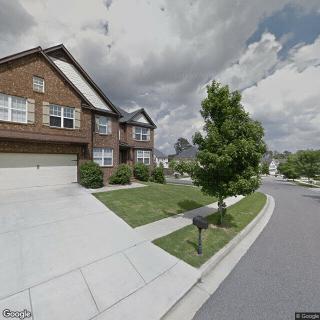
 The reviewer notes that it is not appropriate for a group home to have residents standing naked in a window in a residential neighborhood.
- The caregiver is described as coming out in only boxers to wash his car, which is not appropriate around children.
- It is claimed that the home is very hot because there is no air conditioning, leaving disabled residents uncomfortable.
- They say it is against HOA rules to operate a business in a residential property.
- The owner/operator is named Tina Obode, and they urge others to check on loved ones and question the care.
- They feel something isn’t right there, with people coming and going all night and police visiting for domestic disputes and fraud cases.
- The second reviewer states that the program’s staff are not very helpful and are rude when information is requested.
Review
Metro - Community Living Arrangement in Lawrenceville is best suited for residents who require very light supervision and whose families are prepared to stay deeply involved. The small, home-like nature of this setting can feel comforting only when daily oversight remains constant from relatives or a designated advocate. For most seniors or adults with disabilities who need reliable professional supervision, predictable routines, and clear lines of accountability, this option is unlikely to deliver the safety and consistency that matters most. The reality reflected in the combined feedback suggests that this community serves a narrow niche at best, and that level of engagement may be unrealistic for many families without substantial, ongoing involvement.
Those weighing alternatives should not overlook the broader context: safety, privacy, and responsive communication are non-negotiables for most families. Alternatives worth evaluating include state-licensed, larger-assisted living facilities with formal staffing ratios, documented training programs, and routine oversight. For residents with cognitive or behavioral challenges, memory-care or specialized services may be necessary to prevent crises. The current feedback indicates that when questions arise, responses can be curt or unhelpful, which compounds the risk for anyone counting on dependable information and proactive care coordination.
The practical appeal of a smaller, intimate setting is consistently undercut by the most troubling reported issues. Any perceived advantages, closer daily contact with caregivers, a homier atmosphere, or a less clinical vibe, do not compensate for safety concerns, privacy lapses, or questions about staff professionalism. Accounts describe residents exposed to compromising situations in a residential neighborhood, with concerns about appropriate boundaries and behavior by caregivers. Additional red flags include poor heating or cooling conditions during extreme weather and repeated calls to authorities for disputes or other incidents. The net effect is an atmosphere that undermines trust in day-to-day operations.
From a diligence standpoint, prospective families should demand comprehensive, verifiable information before deciding. This means requesting current licensure status, recent inspection or survey results, and a clear, written care plan that outlines supervision levels, emergency procedures, and response times. Tour the home at different hours to observe interactions, noise levels, and the staff’s ability to address questions. Probe the operator’s history with complaints, whether there are any active investigations, and how they handle privacy and boundaries for residents. Ask for maintenance records, climate control reliability, and safety checks for doors, windows, and common areas.
If attention to oversight and accountability remains a concern, alternatives should be prioritized. Consider larger operator-owned facilities with reputations for transparency, formal grievance processes, and structured communication with families. Explore options that provide regular nurse visits, 24/7 on-site staff, and clearly defined metrics for resident well-being. For families who must balance cost with quality, it may be reasonable to look at programs that pair assisted living with caregiver support services in a setting where staff are consistently trained and held to enforceable standards. In some situations, staying with a relative, leveraging adult day programs, or pursuing independent living with supportive home-care services may yield safer, more predictable outcomes.
Bottom line: for families prioritizing dependable safety, professional oversight, and consistent, respectful communication, this Lawrenceville community is not a strong fit. It should be approached with extreme caution and only after stringent verification of licensure, safety protocols, and demonstrable, sustained improvements in responsiveness and resident welfare. If considering it, set explicit, measurable expectations, insist on a transparent improvement plan, and require access to ongoing reports and third-party oversight. Otherwise, families should pursue alternatives that deliver clearer accountability, more robust supervision, and a demonstrated commitment to resident dignity and security.
 4 resident community capacity
 Assisted Living
 Cable or satellite TV
 Dining room
 Fully furnished
 Garden
 Housekeeping services
 Move-in coordination
 Outdoor space
 Telephone
 Wi-Fi/high-speed internet available
 24-hour supervision
 Activities of daily living assistance
 Assistance with bathing
 Assistance with dressing
 Assistance with transfers
 Diabetes diet
 Meal preparation and service
 Medication management
 Special dietary restrictions
 Transportation arrangement (medical)
 Transportation to doctors appointments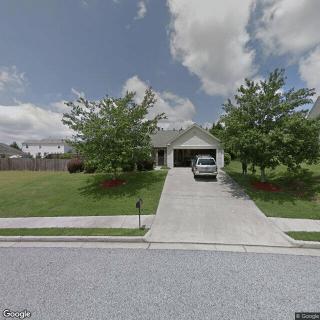
 Lower-than-average pricing for private/semi-private rooms in a small, home-like community.


 Medicare Coverage for Assisted Living: An In-Depth Exploration
 Choosing the Right Senior Care: A Detailed Exploration of Assisted Living and Nursing Homes
 Understanding the True Cost of Assisted Living in 2025: A Comprehensive Guide