
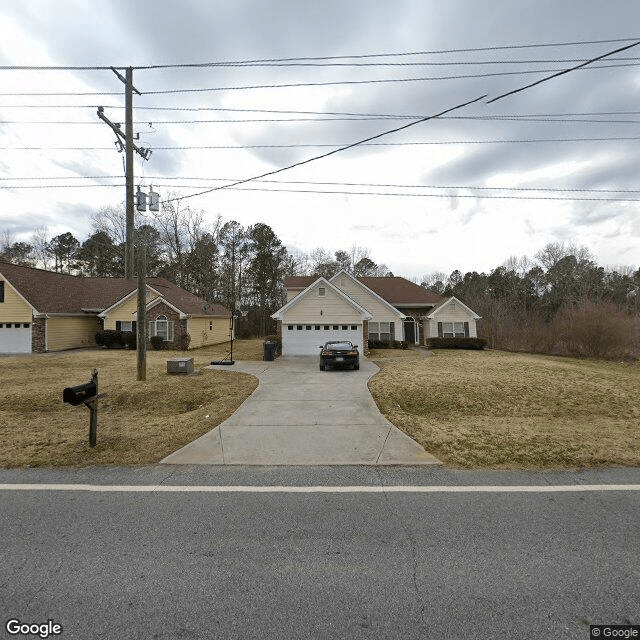
831 McCart Road, Lawrenceville, GA 30045
To contact a resident: (770) 682-0860
For more information about senior living options: (866) 208-4318
Hearts of Gold PCH Costs & Pricing
Hearts of Gold PCH offers a competitively priced option for assisted living, particularly when compared to both Gwinnett County and the broader state of Georgia. With semi-private rooms available at just $1,200 per month, residents can enjoy significant savings - over $1,300 less than the county average of $2,530 and nearly $1,400 lower than the state's average of $2,529. For those seeking more privacy, private rooms are also affordably priced at $1,500 per month, which stands in stark contrast to the county's rate of $2,551 and Georgia's statewide average of $2,864. These cost-effective options underscore Hearts of Gold PCH's commitment to providing quality care without compromising financial accessibility for families in need.
| Floor plans | Hearts of Gold PCH | Gwinnett County | Georgia |
|---|---|---|---|
| Semi-Private | $1,200 | $2,530 | $2,529 |
| Private | $1,500 | $2,551 | $2,864 |
Senior living communities with a similar price nearby
-
About the same
Kelly Lake Manor PCH
$1,200 / month24.1 miles away -
About the same

Felicia's Personal Care home
$1,200 to $1,500 / month0.4 miles away -
from +$200 / mo
House of Trinity
$1,400 to $1,900 / month0.9 miles away -
About the same
Tender Hands Home Care
$1,200 to $1,450 / month7.6 miles away -
from -$230 / mo
Gwinnett Christian Terrace
$970 / month9.6 miles away
Overall Review of Hearts of Gold PCH
Pros
 The director is very nice.
- The house was clean.
- The residents seem happy.
Cons
 Residents were not interacting.
Review
Hearts of Gold PCH in Lawrenceville is best suited for seniors who want a quiet, home-like setting where personal attention from staff matters more than a bustling social calendar. The most notable markers are a warm, approachable director, a clean and orderly environment, and residents who appear content with their daily life. That combination creates a sense of safety and dignity that can be hard to find in larger communities. Yet the trade-off is clear: residents were observed not to mingle with one another, suggesting social opportunities may be limited. For families prioritizing tranquility, predictable routines, and visible caregiver engagement, this setting can feel like a reliable, low-stress choice. It is not the obvious pick for those who equate care with constant social activity.
Those weighing alternatives should consider how important social engagement and structured programming are to their loved one. If a lively activity calendar, regular group outings, and ample opportunities to build peer connections matter, other facilities will likely deliver more robust exposure to peers. Likewise, if full-time nursing oversight or a memory-care environment is required, this Personal Care Home model may not provide the level of medical support or specialized programming needed. Prospective residents who need frequent, on-demand clinical attention or who crave expansive transportation options to social events should look elsewhere. The pace here tends to be calmer, which can be a benefit or a drawback depending on the care priorities.
On the upside, the director’s warmth and accessibility are meaningful assets. A leader who is genuinely nice and responsive can translate into quicker problem resolution, clearer communication about care plans, and a sense that the facility treats residents with personal respect. Cleanliness is not merely cosmetic; it signals attention to hygiene and safety in a setting where seniors spend a lot of time indoors. The visible happiness of residents, while not a guarantee of vibrant social life, does imply that daily routines satisfy basic comfort and well-being. For families who want reassurance that the basics are being handled with care, these positives carry substantial weight and can offset a degree of social sparsity.
The primary drawback is the apparent lack of resident interaction, which raises questions about how social needs are being met. In a setting described as quiet and orderly, opportunities to connect with peers may be limited, which can contribute to isolation over time. Questions worth asking include: what does a typical day look like in terms of activities? How many staff are on duty during peak hours? Are there resident-led or group activities, and how are new residents integrated into social routines? Is transportation available for off-site outings, and what memory-care or enriched programming options exist if cognitive needs evolve? With only two reviews contributing to the snapshot, it is essential to verify these elements directly during a tour.
The practical takeaway centers on alignment between care goals and community capabilities. Hearts of Gold PCH is a strong match for families seeking a calm, clean, and people-centric environment with a genuinely caring director and a contented resident base. It is less well suited for households that demand high levels of social programming, expansive activity calendars, or specialized medical oversight on par with larger assisted-living campuses. To move forward confidently, arrange a thorough visit, request a sample activity schedule, meet several residents and caregivers, and probe staffing ratios and care capabilities. If the fit hinges on social vitality or advanced clinical services, prepare to compare with alternatives that foreground engagement and medical coverage while still delivering the thoughtful, respectful care this community already signals.
 Board and Care Home
 Activities off-site
 Indoor common areas
 Outdoor common areas
 Private
 Ambulatory care
 Diabetic care
 High acuity care
 Meals provided

 Supportive Employee Benefits That Help Caregivers Attain Better Work-Life Harmony
 Top Cars for Senior Drivers and Essential Safety Innovations
 A Closer Look at Private Pay Home Care