For more information about senior living options: (866) 208-4318
3.4 from 108 reviews
5 stars
49
4 stars
13
3 stars
8
2 stars
4
1 stars
34
Vital Place Costs & Pricing
Vital Place offers an appealing financial advantage compared to both Gwinnett County and the broader state of Georgia when it comes to monthly care costs. For those seeking semi-private accommodations, Vital Place charges $1,500, which is significantly lower than the Gwinnett County average of $2,530 and closely matches the state average of $2,529. Private room options at Vital Place are also competitively priced at $2,000, well below the county's rate of $2,551 and the state's average of $2,864. This pricing structure not only reflects Vital Place's commitment to affordability but also positions it as a compelling choice for families considering long-term care solutions in a highly competitive market.
Floor plans
Vital Place
Gwinnett County
Georgia
Semi-Private
$1,500
$2,530
$2,529
Private
$2,000
$2,551
$2,864
Senior living communities with a similar price nearby
About the same
Americare Group
5 from 48 reviews
$1,500 / month
19.0 miles away
About the same
Harmony Home Care
4.7 from 17 reviews
$1,500 to $2,100 / month
6.4 miles away
About the same
Tender Life Estate
4.9 from 59 reviews
$1,500 to $1,800 / month
10.2 miles away
from +$215 / mo
Park at Johns Creek
4.8 from 158 reviews
$1,715 to $2,115 / month
15.5 miles away
About the same
Give Thanks to God PCH
4.8 from 105 reviews
$1,475 to $1,950 / month
11.2 miles away
Overall Review of Vital Place
common16 reviews mention this
Front desk experiences vary widely
Front-desk interactions range from very helpful to openly rude.
Several residents and family members describe the front desk as disrespectful, confrontational, or slow, including complaints about rude receptionists and check-in causing frustration. Others say the front office staff are welcoming, treat them well, and help them resolve issues quickly, with one person highlighting a specific staff member’s follow-through. A few reviews also point to communication problems that make appointments feel confusing or circular.
caveat17 reviews mention this
Long waits for appointments
Residents describe very long waits before they’re seen.
Many reviews mention waiting in the lobby for hours—sometimes all day—before being told whether they can be seen. Some reviewers say the appointment process for new clients requires arriving early and leads to delays or scheduling mix-ups. Even when some staff are described positively, multiple accounts still describe check-in and intake taking far longer than expected.
caveat2 reviews mention this
Security guard treatment is a concern
Some residents find the security screening feel harsh.
A few reviews describe the security guard as rude and treating people like they are incarcerated, and others mention a security sweep before entering. While some residents praise the overall staff and environment, these security-related comments stand out as a recurring negative point for certain visitors.
common11 reviews mention this
Care is described as caring and practical
Many reviews praise clinicians as caring and attentive.
Across reviews, residents and families frequently describe therapists and doctors as kind, compassionate, and genuinely concerned, including praise for listening and providing practical suggestions. Several accounts say clinicians helped them through crises and supported medication management, with some noting medication availability on-site. At the same time, a smaller set of reviews take a more negative tone, describing dismissive or condescending interactions with specific providers.
differentiator2 reviews mention this
Short stays and inpatient help
The community offers short-term or inpatient-style stays.
Residents and families mention stays that last about 10 days and describe staff support during that period, including constant contact with doctors and nurses. Other reviews also refer to an inpatient program, though at least one describes it very negatively. This mix suggests the short-term care experience may depend heavily on the person’s situation and expectations.
caveat3 reviews mention this
Cost and medication affordability
Pricing is a mixed story, with affordability benefits and concerns.
Some reviewers say the program helped them when they lacked insurance and that medication-related costs were manageable, describing it as a lifesaver for accessing treatment. Others raise concerns about affordability changing over time, including complaints about session pricing and being unable to get certain supports or medication logistics smoothly. Overall, cost appears to be a meaningful driver of both positive and negative experiences.
How we summarize
Counts show how many written reviews mention each theme; a review can touch several themes, and only frequently mentioned themes are displayed.
Features
Types of Care
Board and Care Home
Amenities
Activities off-site
Activities on-site
Bath tubs
Beautician on-site
Devotional services off-site
Devotional services on-site
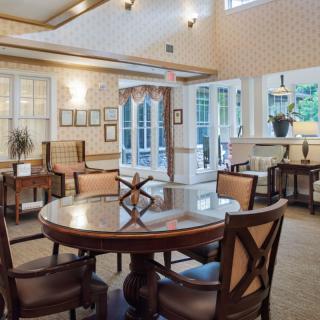
Indoor common areas
Outdoor common areas
Private
Private bathrooms
Respite or short term stays offered
Swimming pool / hot tub
Care Services
Ambulatory care
Diabetic care
High acuity care
Dining
Kosher
Meals provided
Vegetarian
Activities
Activities off-site
Activities on-site
Devotional activities offsite
Devotional activities on-site
Nearby Places of Interest
Restaurants
Frida's Mexican Restaurant (1.6 miles)
Slow Pour Brewing Company (2.4 miles)
Burger King (3.3 miles)
Sam S On Main (3.5 miles)
Chick-Fil-A (3.7 miles)
Dq Grill & Chill (3.8 miles)
Culver's (3.9 miles)
Pharmacies
CVS Pharmacy (1.9 miles)
Walgreens (2 miles)
CVS Pharmacy (2.1 miles)
Genoa Pharmacy (2.4 miles)
Walgreens (3.5 miles)
CVS Pharmacy (3.5 miles)
CVS Pharmacy (4.4 miles)
Parks
Rhodes Jordan Park (2.1 miles)
Tribble Mill Park (3.2 miles)
Alexander Park (3.5 miles)
Rabbit Hill Park (4.2 miles)
Bay Creek Park (4.7 miles)
McKendree Park (5.7 miles)
Harbins Park (6.2 miles)
Physicians
Metro Behavioral Care (2.1 miles)
Psychiatric Services of America (2.4 miles)
Philip A. Romm (3.5 miles)
Gwinnett County Radiation Therapy Center (3.6 miles)
Vital Place offers an appealing financial advantage compared to both Gwinnett County and the broader state of Georgia when it comes to monthly care costs. For those seeking semi-private accommodations, Vital Place charges $1,500, which is significantly lower than the Gwinnett County average of $2,530 and closely matches the state average of $2,529. Private room options at Vital Place are also competitively priced at $2,000, well below the county's rate of $2,551 and the state's average of $2,864. This pricing structure not only reflects Vital Place's commitment to affordability but also positions it as a compelling choice for families considering long-term care solutions in a highly competitive market.
Medicare provides limited coverage for skilled nursing home care, covering full benefits for the first 20 days and partial benefits up to 100 days under certain conditions, after which families must explore alternative funding options like Medicaid or long-term care insurance to manage potentially high costs. Proactive planning is essential to navigate the complexities of financing ongoing care once Medicare coverage ends.
Geriatric care managers create personalized care plans for older adults, addressing their medical, social, financial, and psychological needs while coordinating services and advocating for their well-being. They help families navigate caregiving challenges but may be hindered by high costs and a shortage of qualified professionals.
The article highlights the importance of empathy and open communication when comforting someone who is grieving, noting that grief is unique to each individual and emphasizing the need for sincere expressions of condolence, active listening, and ongoing support. It also addresses cultural differences in mourning practices and encourages tailored approaches to provide effective comfort.
Get PricingAsk A QuestionSchedule A TourContact Senior Advisor
By clicking submit, you agree to our Partner's Terms of Use. You
also consent to receive calls and texts, which may be autodialed, from our Partner. Your consent is not a condition to
using our Partner's service. Please visit our Partner's Privacy Policy for information about their privacy practices.

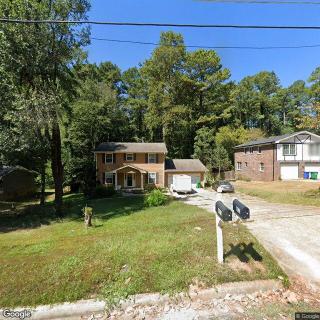
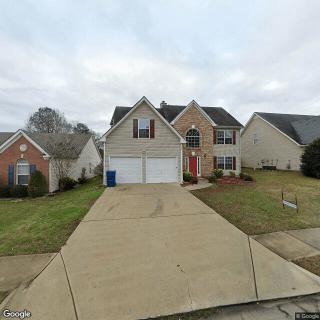
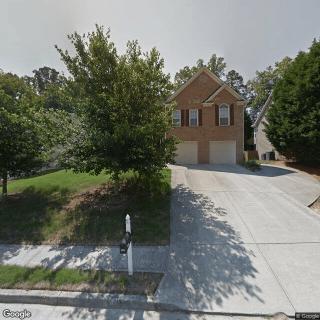
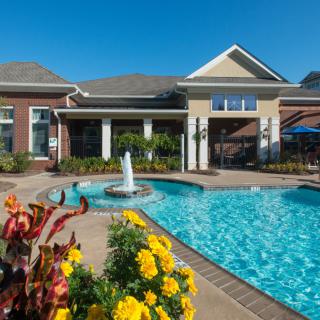
 Board and Care Home
 Activities off-site
 Bath tubs
 Beautician on-site
 Devotional services off-site
 Indoor common areas
 Outdoor common areas
 Private
 Private bathrooms
 Respite or short term stays offered
 Swimming pool / hot tub
 Ambulatory care
 Diabetic care
 High acuity care
 Kosher
 Small, intimate community with personalized care and comprehensive support.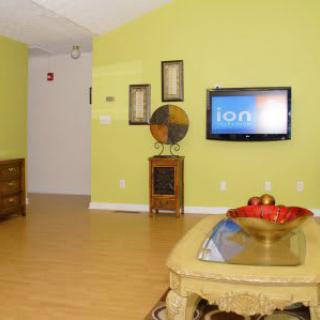

 Managing Nursing Home Expenses After Medicare Coverage Ends
 Is a Geriatric Care Manager the Right Choice for Your Family?
 Compassionate Conversations: How to Comfort Someone Who Is Grieving