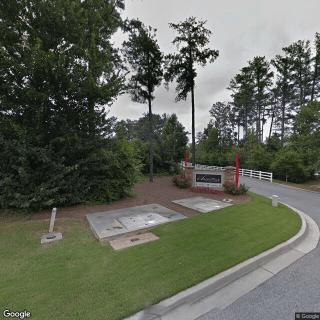
House Of Hope Life Sharer Home is an assisted living community in Jonesboro, GA.
Information last verified:
7984 Flanders Court, Jonesboro, GA 30238
For more information about senior living options: (866) 208-4318
2.1 from 62 reviews
5 stars
13
4 stars
3
3 stars
0
2 stars
5
1 stars
41
Overall Review of House Of Hope Life Sharer Home
caveat4 reviews mention this
Phone calls and intake feel rough
Many residents and callers describe rude, unwelcoming responses and conflicting guidance.
Several people report that the phone intake experience is discouraging, including not being greeted, being turned away when asking about availability, and difficulty getting clear answers. A few reviewers also describe feeling judged or dismissed when seeking help or making donations, and some cite frustration with how requirements were explained.
caveat5 reviews mention this
Rules and fees are a recurring issue
Residents describe strict house rules, curfews, and a required share of earnings.
Reviews repeatedly mention structured expectations like scheduled chores, limits on times residents can be out, and requirements that residents participate in cooking for the house. Multiple reviewers also reference a maintenance fee tied to earnings and describe it as an unusual burden for a shelter setting.
common4 reviews mention this
Eligibility is limited to women
The shelter setting is described as limited to women and does not serve everyone callers expect.
Some reviews frame the community as a temporary shelter option for women, and others describe restrictions on who is allowed on site. A few people mention being told the program does not serve men or families, which shaped their experience when calling to ask about availability.
common3 reviews mention this
Cleanliness gets mixed feedback
Some residents call the facility clean and well maintained.
A few reviewers highlight cleanliness as a strong point, including noticing the facility was clean on arrival and stating it was maintained by daily upkeep. At the same time, other residents raise pest concerns separately, so cleanliness appears uneven depending on timing and location in the house.
caveat2 reviews mention this
Pest complaints are a serious concern
Residents describe conflicting pest conditions, including reports of roaches.
One reviewer reports the facility was infested with roaches, including sightings in common areas tied to food preparation and storage. Another resident states there were no pest problems at the time they updated their review, creating a clear mismatch in experiences.
common3 reviews mention this
Staff warmth is mentioned by some
Some reviewers describe being treated with respect and support.
A smaller set of reviews describe positive interactions, including feeling respected and supported while staying there. Others also mention the owner or founder as polite and professional during donation or communication, even though many other callers report the opposite tone.
How we summarize
Counts show how many written reviews mention each theme; a review can touch several themes, and only frequently mentioned themes are displayed.
Features
Housing
3 resident community capacity
Types of Care
Assisted Living
Board and Care Home
Amenities
Cable or satellite TV
Dining room
Fully furnished
Garden
Housekeeping services
Move-in coordination
Outdoor space
Telephone
Wi-Fi/high-speed internet available
Transportation
William B Hartsfield-Atlanta International (8 miles away)
The article discusses assisted living expenses, the importance of long-term care insurance in covering these costs, and various financing options, highlighting the need for careful policy review and early planning to address potential needs. It also clarifies common misconceptions about Medicare and private health insurance limitations regarding long-term care coverage.
Assisted living facilities offer crucial support for older adults needing help with daily activities but come with varying and significant costs, which can be financed through personal savings, government assistance programs, long-term care insurance, and home equity options. Professional guidance from experts can aid families in navigating these financial complexities to establish a sustainable budgeting approach for assisted living services.
Assisted living costs often exceed Social Security benefits, necessitating a combination of funding sources like state aid and Medicaid. Understanding the interaction between Social Security programs and available financial support is essential for affording such care.
Get PricingAsk A QuestionSchedule A TourContact Senior Advisor
By clicking submit, you agree to our Partner's Terms of Use. You
also consent to receive calls and texts, which may be autodialed, from our Partner. Your consent is not a condition to
using our Partner's service. Please visit our Partner's Privacy Policy for information about their privacy practices.

 3 resident community capacity
 Assisted Living
 Board and Care Home
 Cable or satellite TV
 Dining room
 Fully furnished
 Garden
 Housekeeping services
 Move-in coordination
 Outdoor space
 Telephone
 Wi-Fi/high-speed internet available
 William B Hartsfield-Atlanta International (8 miles away)
 24-hour supervision
 Activities of daily living assistance
 Assistance with bathing
 Assistance with dressing
 Assistance with transfers
 Diabetes diet
 Meal preparation and service
 Medication management
 Special dietary restrictions
 Transportation arrangement (medical)
 Transportation to doctors appointments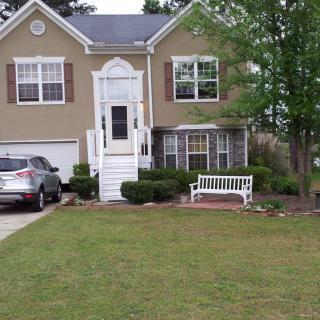
 Affordable pricing for private/semi-private rooms in a small, homelike setting with personalized care.
 Assisted Living Expenses and Long-Term Care Insurance: A Comprehensive Exploration
 Securing Financial Support for Assisted Living: A Comprehensive Overview
 Social Security Benefits and Assisted Living: Navigating Options Across the U.S.