At Ashton Senior Living, the monthly costs for accommodations are competitive and carefully aligned with both local and state averages, making it an attractive option for residents. For a studio apartment, the cost is set at $3,500, which is slightly below the average of $3,583 in Hall County and comparable to Georgia's statewide average of $3,520. Similarly, the price for a one-bedroom unit also reflects careful pricing strategy at $3,500 - substantially lower than Hall County's average of $4,052 while being more in line with Georgia's average cost of $3,412. This thoughtful pricing underscores Ashton Senior Living's commitment to providing quality care without compromising on affordability within the region.
Floor plans
Ashton Senior Living
Hall County
Georgia
Studio
$3,500
$3,583
$3,520
1 Bedroom
$3,500
$4,052
$3,412
Memory care communities with a similar price nearby
Residents mention the facility is clean, but some also report strong odor issues.
Many residents describe the community as clean, well-kept, and not having unpleasant smells when they visit. A separate set of reviews call out an overpowering smell of urine, including at the main entrance. There are also a few complaints about the place smelling bad overall. Taken together, cleanliness seems to be inconsistent from one visit or unit to another.
common34 reviews mention this
Staff care is a mixed message
Residents frequently describe staff as caring, attentive, and respectful.
Positive reviews repeatedly highlight staff members as kind, compassionate, and responsive, with family members saying they felt supported and confident in the care. Some residents also describe staff affectionately helping with needs and making residents comfortable. At the same time, other reviews include serious concerns about care attention and professionalism, including missed or mishandled medication and staffing response. Overall, staff experience stands out as a major part of residents’ day-to-day impressions, with outcomes varying by situation.
caveat7 reviews mention this
Medication handling and response raise concerns
Some residents report medication and emergency-response problems that worry families.
Several reviews raise concerns about medication management, including reports of improper pill administration and other residents allegedly missing medication. Other complaints describe low response after a life alert button is pressed and nurses or staff not helping with basic needs during the night. A few residents do describe medication management as excellent, but the negative medication and response stories are prominent in the feedback. This is an area families flag as needing careful attention.
common20 reviews mention this
Food is praised, but quality is inconsistent
Dining draws strong opinions, with many families praising meals.
Some residents and families describe meals as delicious, fresh, and enjoyable, including comments that residents like the food and that it supports healthy routines. Others report much more negative experiences, including food being horrible or inadequate. A few reviews also note meals are merely average, not a standout. Because the feedback swings widely, families looking for dining consistency may want to ask detailed questions during a visit.
caveat9 reviews mention this
Activities help engagement, with gaps
Residents describe a range of activities, but some report limited programming in care units.
Many reviews mention activities and outings that keep residents busy, including church, games, crafts, exercise, and scheduled daily events. Some families also highlight an activities director and resident engagement. However, other reviews state there are no activities, and at least one specifically points to a lack of observed activities in memory care. This suggests activity availability may depend on the unit and staffing at the time of the visit.
caveat4 reviews mention this
Price is sometimes a draw, sometimes not
Pricing is viewed as attractive by some families and expensive by others.
Some reviews mention they liked the price and found it a reason they chose the community, including comparisons where a move ended up cheaper elsewhere. Another review directly calls the community expensive, even while noting the facility looks new and clean. The pricing differences also vary by unit type, which may help explain why families feel differently. Prospective residents may want to confirm total costs and any rent changes before deciding.
How we summarize
Counts show how many written reviews mention each theme; a review can touch several themes, and only frequently mentioned themes are displayed.
Features
Housing
65 resident community capacity
Types of Care
Assisted Living
Independent Living
Memory Care
Respite Care
Amenities
Activities on-site
Air-conditioning
Beautician on-site
Beauty salon
Cable or satellite TV
Computer center
Devotional services off-site
Dining room
Fitness room
Fully furnished
Gaming room
Garden
Housekeeping services
Indoor common areas
Kitchenette
Move-in coordination
Outdoor space
Private bathrooms
Restaurant-style dining
Small library
Telephone
Wellness center
Wi-Fi/high-speed internet available
Transportation
Community operated transportation
Transportation arrangement
Transportation arrangement (non-medical)
Transportation to doctors appointments
Care Services
12-16 hour nursing
24-hour call system
24-hour supervision
Activities of daily living assistance
Assistance with bathing
Assistance with dressing
Assistance with transfers
Diabetes diet
Diabetic care
Incontinence care
Meal preparation and service
Medication management
Mental wellness program
Special dietary restrictions
Dining
Diabetes diet
Meals provided
Special dietary restrictions
Activities
Activities on-site
Community-sponsored activities
Concierge services
Devotional activities offsite
Fitness programs
Planned day trips
Resident-run activities
Scheduled daily activities
Nearby Places of Interest
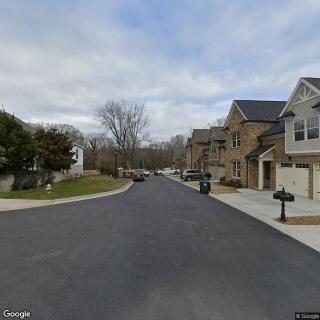
This part of Gainesville, Georgia offers a variety of amenities and services that would be ideal for senior living. There are several physicians and pharmacies within close proximity, making healthcare easily accessible. Additionally, there are cafes and restaurants nearby for dining options. Places of worship such as St Michael Catholic Church and Unity of Gainesville Church provide spiritual support and community engagement. The presence of hospitals like NGHS - North Tower ensures quick medical attention if needed. Parks like Longwood Park and Thompson Bridge Park offer opportunities for outdoor recreation and relaxation. Overall, this area provides a convenient and comfortable environment for seniors looking to settle in Gainesville.
At Ashton Senior Living, the monthly costs for accommodations are competitive and carefully aligned with both local and state averages, making it an attractive option for residents. For a studio apartment, the cost is set at $3,500, which is slightly below the average of $3,583 in Hall County and comparable to Georgia's statewide average of $3,520. Similarly, the price for a one-bedroom unit also reflects careful pricing strategy at $3,500 - substantially lower than Hall County's average of $4,052 while being more in line with Georgia's average cost of $3,412. This thoughtful pricing underscores Ashton Senior Living's commitment to providing quality care without compromising on affordability within the region.
The features offered by Ashton Senior Living are tailored to meet the unique needs of residents facing dementia or Alzheimer's, ensuring their safety and comfort. With 24-hour supervision, residents receive constant monitoring that helps prevent wandering and other health risks. Assistance with activities of daily living--such as bathing, dressing, and transfers--supports individuals in maintaining dignity while providing the necessary help they require. Incontinence care further promotes personal hygiene and comfort, while meal preparation and service ensure that nutrition is prioritized without overwhelming them. Medication management safeguards against potential errors in dosage and timing, which is crucial for health maintenance. Additionally, a mental wellness program engages residents cognitively, nurturing emotional well-being through tailored activities designed to stimulate memory and connection. Together, these services create a supportive environment that fosters independence while addressing the complexities associated with memory care.
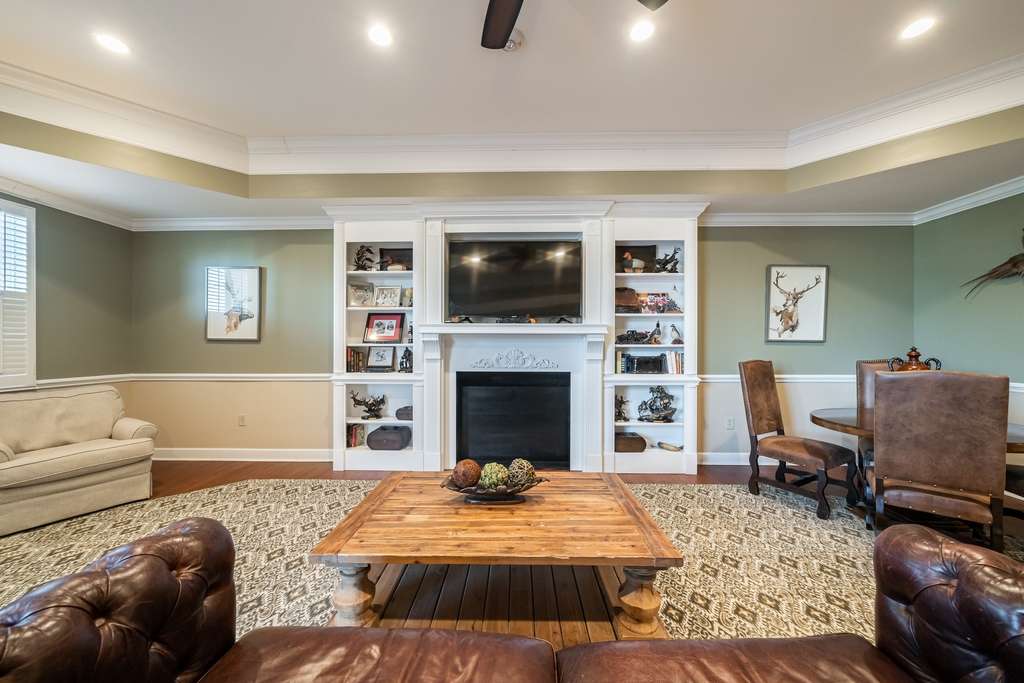
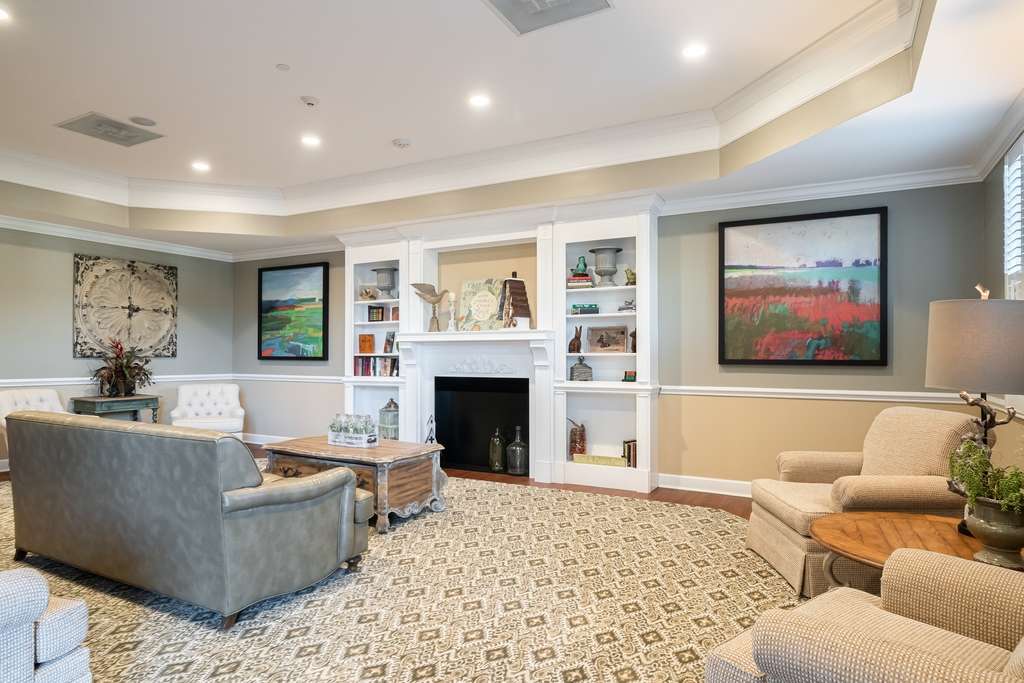
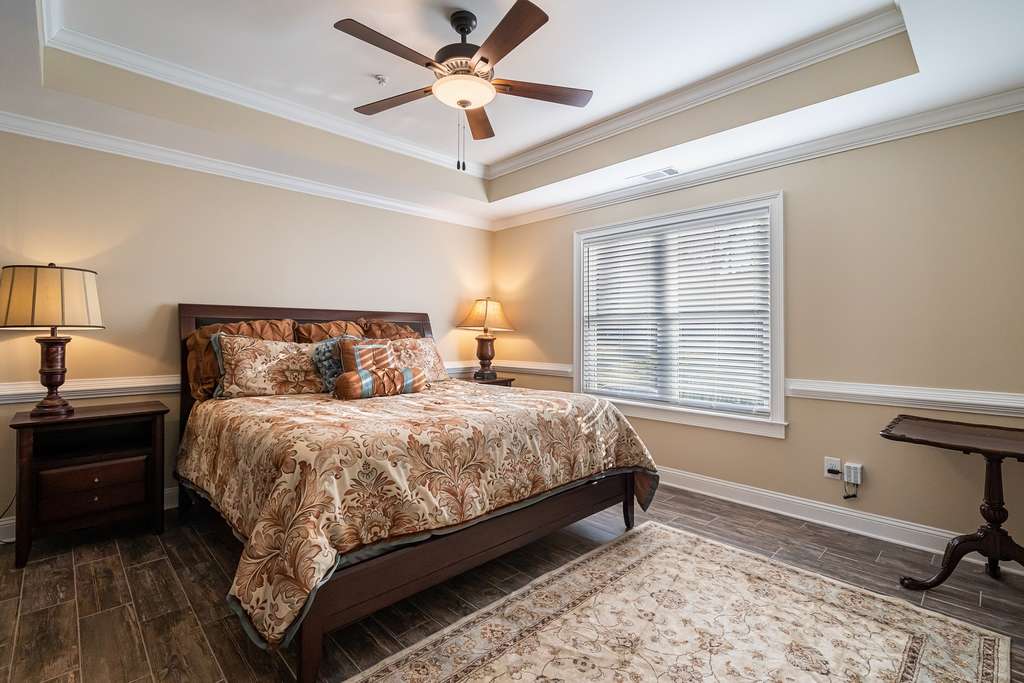
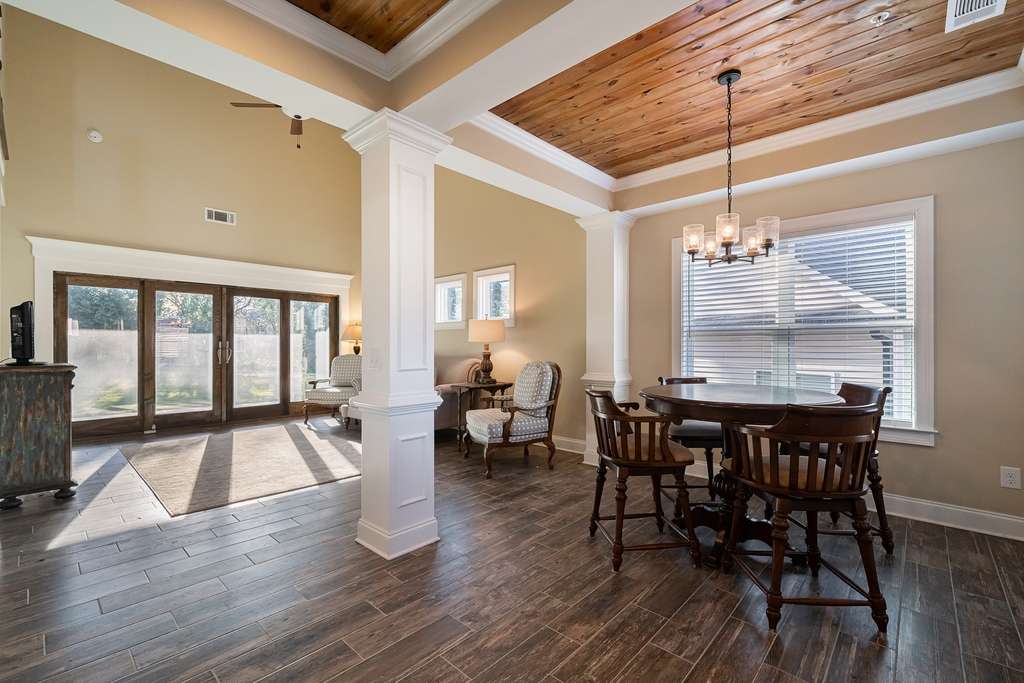
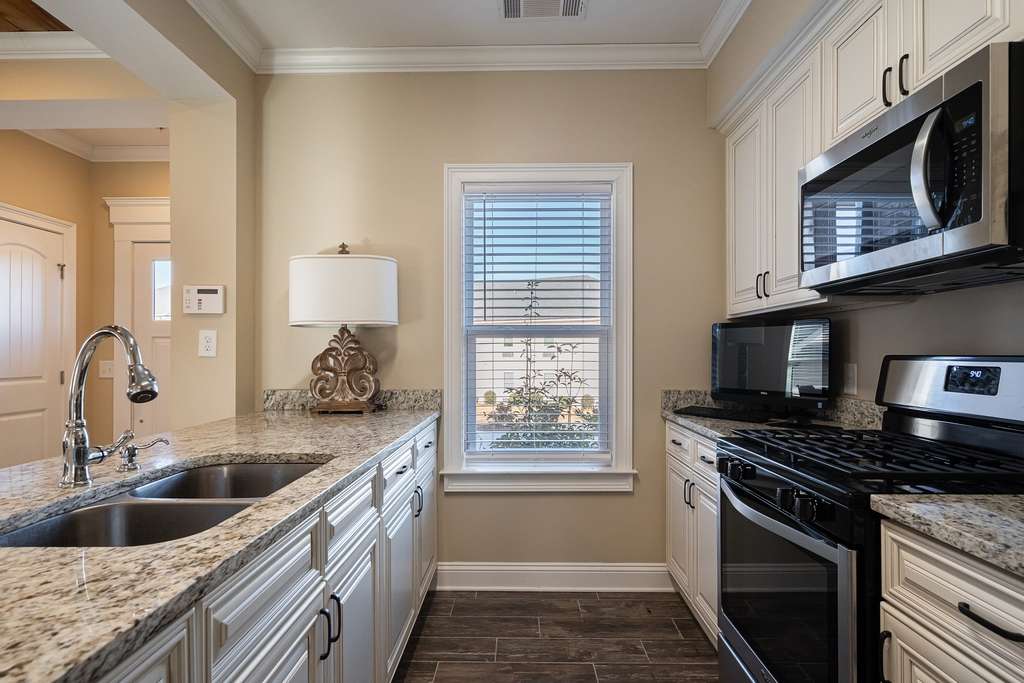
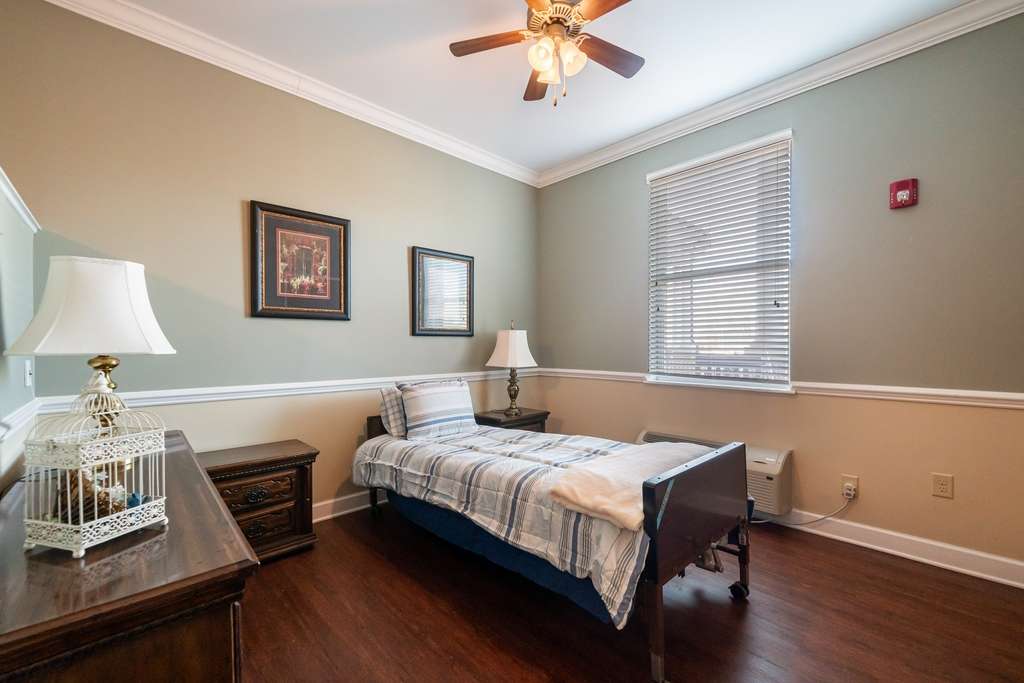
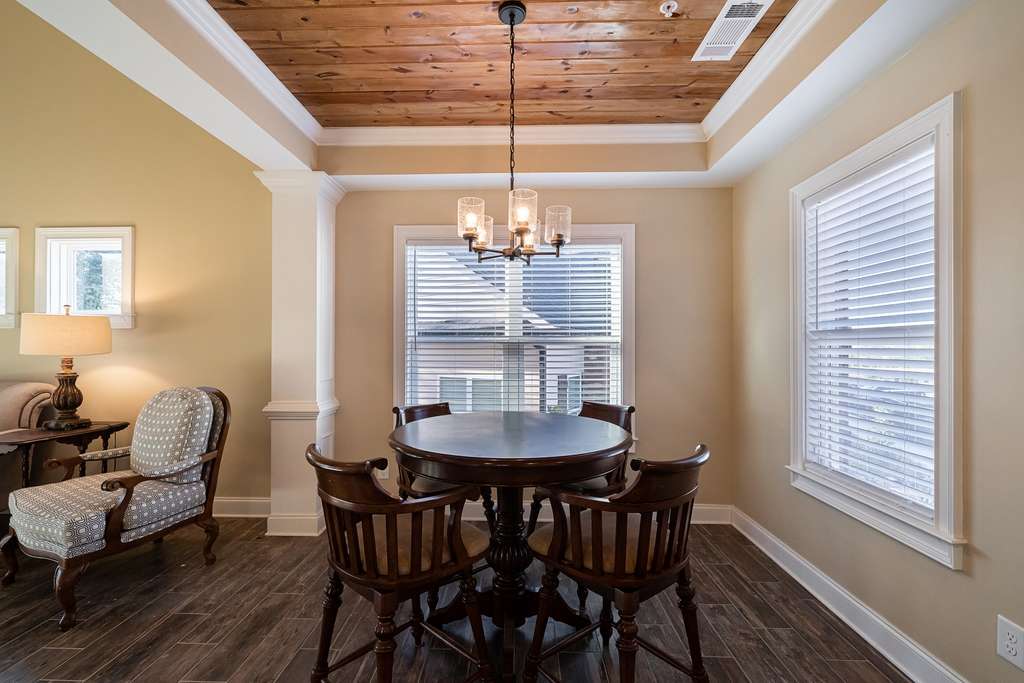
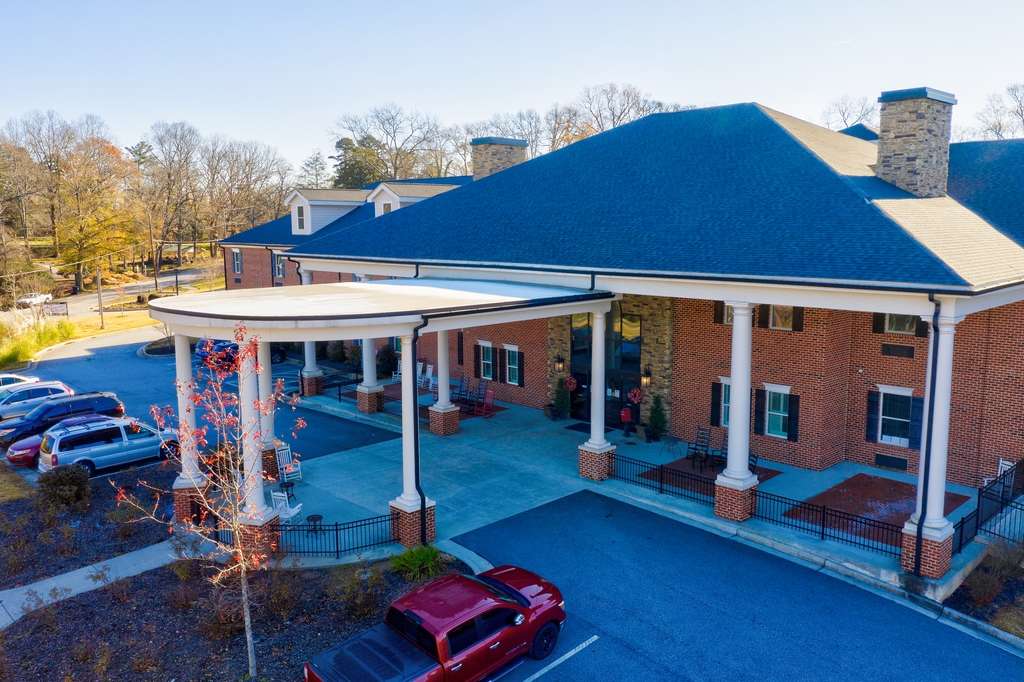
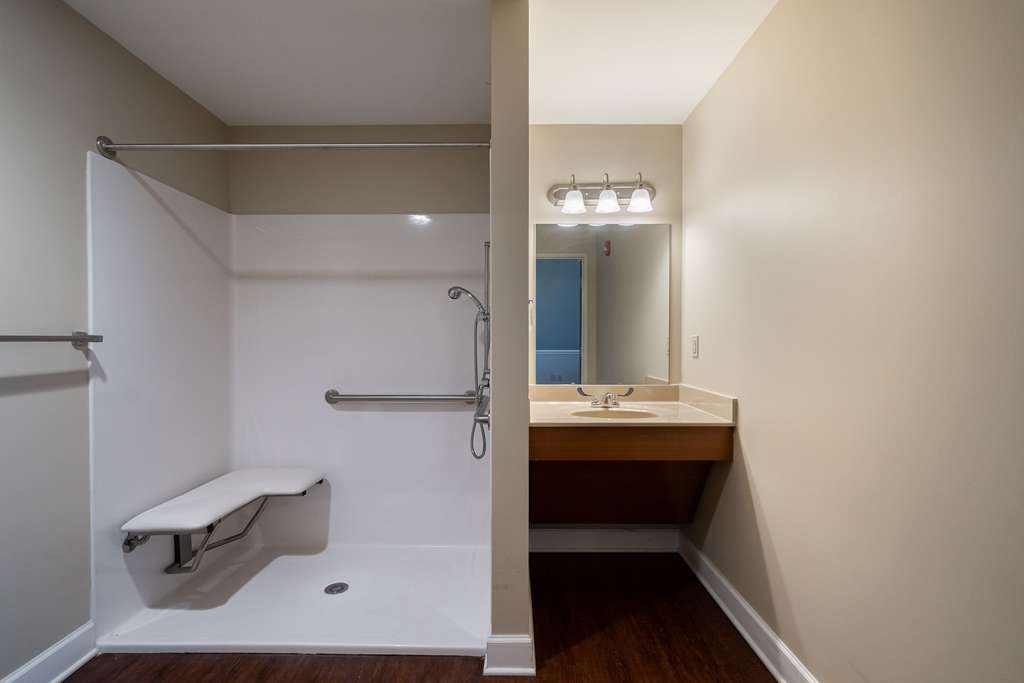
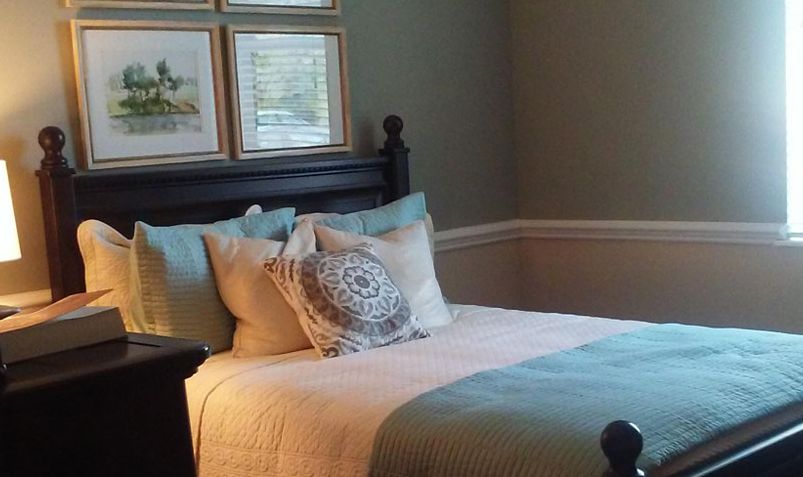
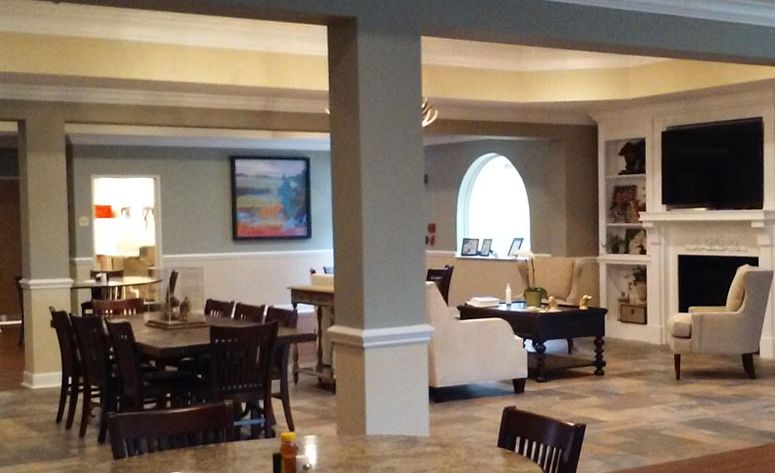
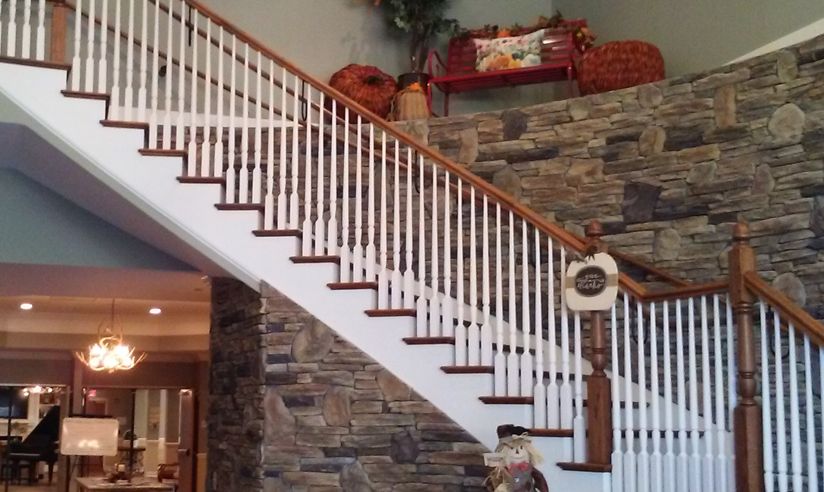
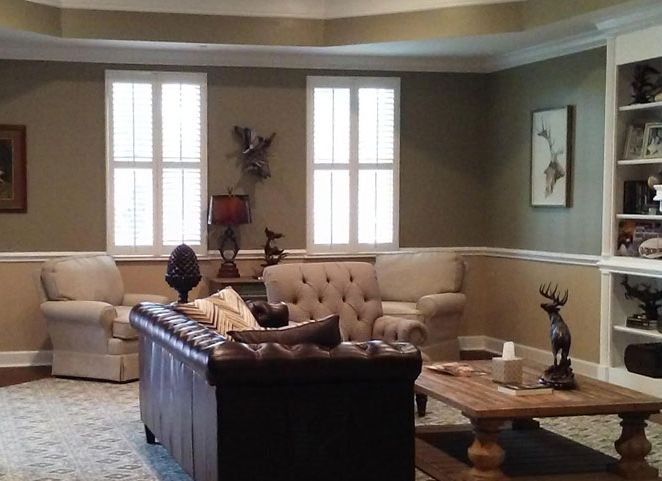
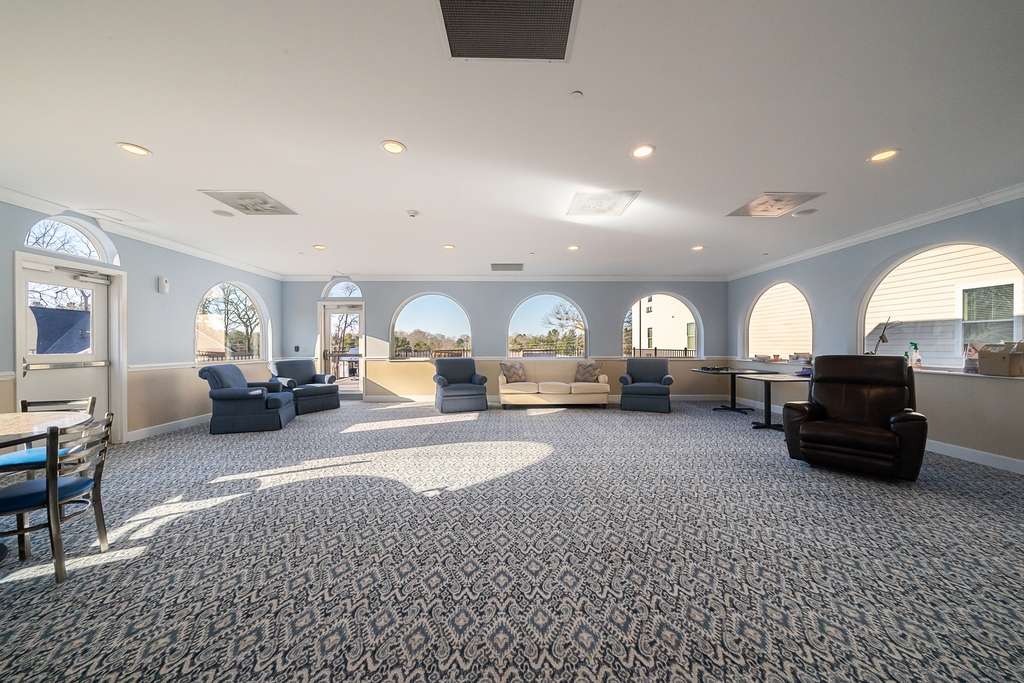
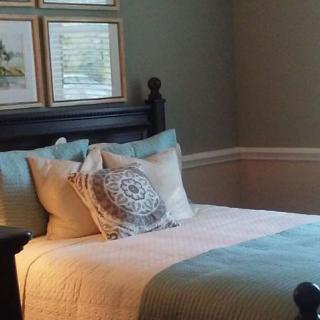
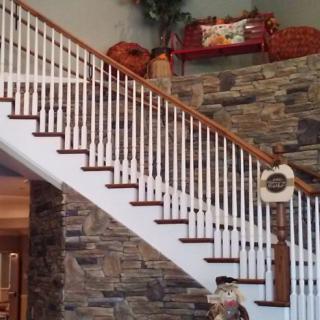
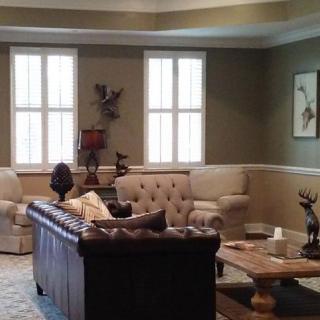
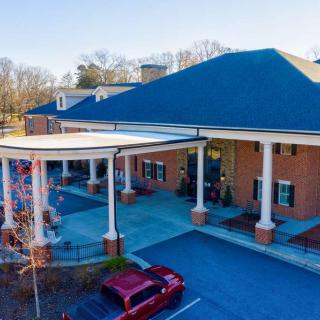
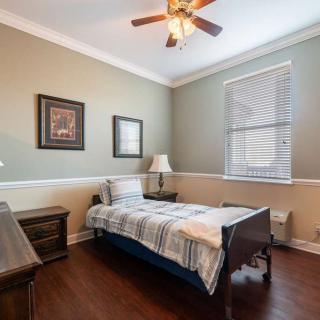
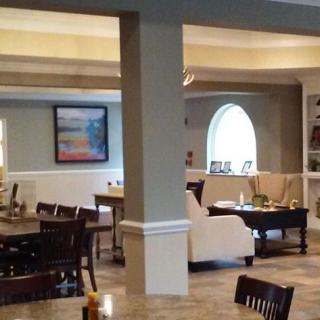
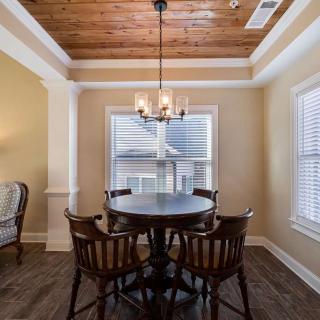
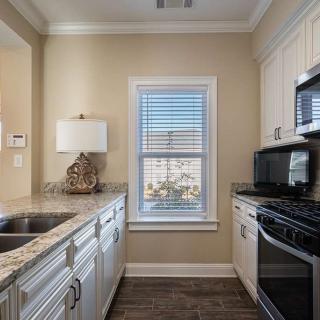
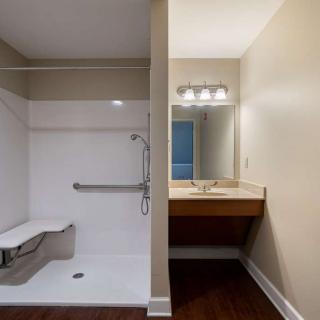
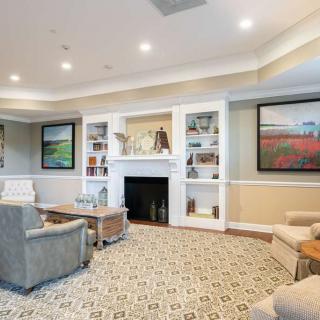
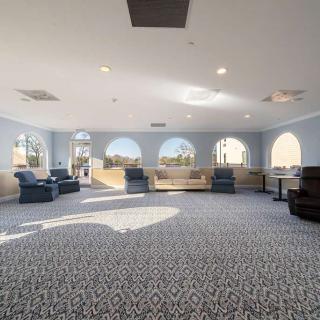
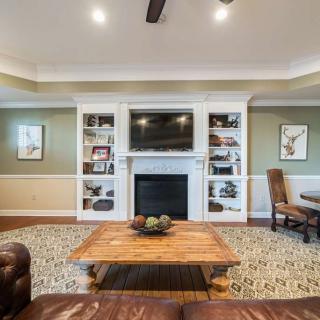
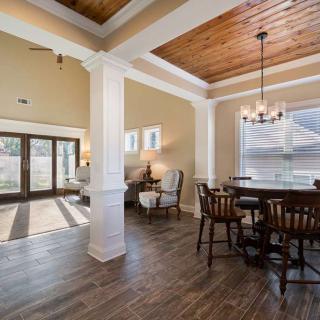
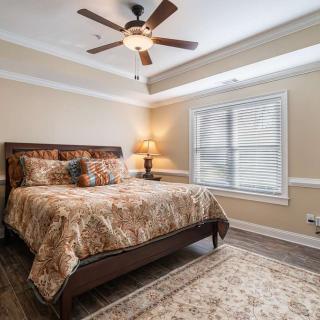
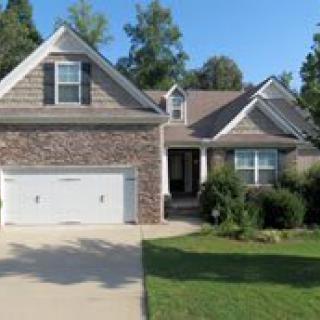
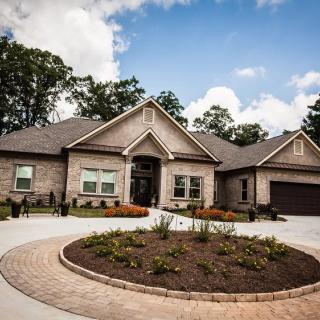
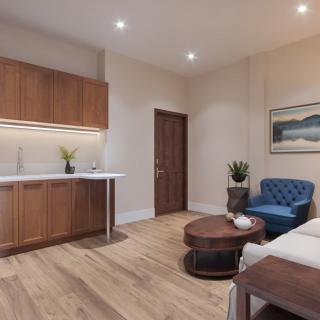
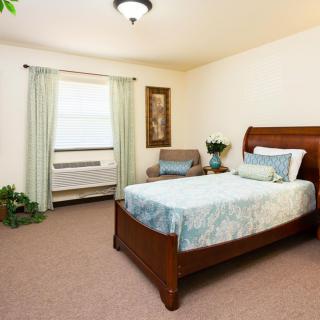
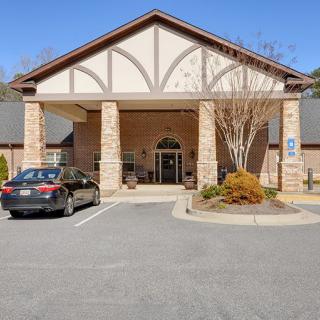
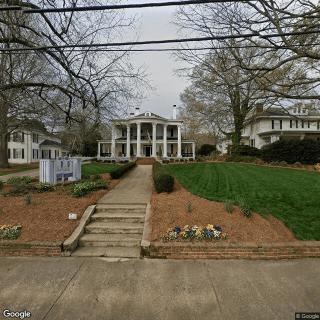
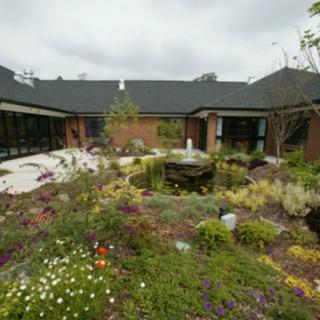
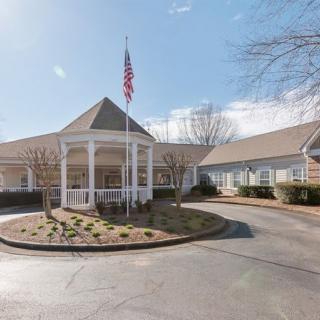
Ashton Senior Living on seniors.fyi includes 15 photos including images showing interior, windows, bedroom, decor, dining, artwork, living room, fireplace, and more.
Nearby Communities
Beehive Homes Of Gainesville
Gainesville, GA
4.7 from 24 reviews
Spacious, clean rooms with wide hallways and a warm, family-like atmosphere with attentive staff.
Holiday Smoky Springs
Gainesville, GA
4.5 from 186 reviews
$2,579 to $4,359 / month
Warm, welcoming community with attentive staff and engaging activities.
Tugaloo Home Health
Gainesville, GA
4.8 from 13 reviews
Consistently professional with proactive communication, flexible scheduling, and in-home therapy supplies.
Holly House
Gainesville, GA
Intimate setting with meals, housekeeping, ADL support, and care coordination.
Southern Companions
Gaiensville, GA
4.7 from 44 reviews
Excellent access to healthcare, dining, and parks nearby.
Access Millie
Gainesville, GA
4.9 from 71 reviews
Excellent access to nearby amenities.
Oaks - Limestone
Gainesville, GA
3.5 from 142 reviews
Competent physical therapy and some compassionate staff; clean, inviting facility.
Lakes at Gainesville Assisted Living
Gainesville, GA
4.6 from 47 reviews
$2,950 to $3,600 / month
Friendly, attentive staff; clean facilities; engaging activities and good family communication.
New Horizons Limestone
Gainesville, GA
2.7 from 21 reviews
$3,510 to $5,460 / month
Private rooms with restaurant-style dining and a wide range of amenities (beauty salon, fitness room, computer center, Wi-Fi).
Dementia leads to cognitive impairment and can cause emotional and behavioral changes, including aggression that arises from frustration, confusion, or fear. Effective coping strategies for caregivers include understanding dementia's nature, recognizing triggers, using empathetic communication, and employing non-pharmacological interventions like music and art therapy.
Dementia causes cognitive decline and challenging behaviors that caregivers must manage, necessitating an understanding of the neurological basis of these issues. Effective strategies and self-care for caregivers can enhance support for those with dementia and improve their daily lives.
The content outlines five key early indicators of dementia, including significant memory loss and confusion about time and place, while emphasizing the need for professional evaluation and emotional support for both individuals showing symptoms and their caregivers. It encourages family members to monitor these signs closely and use online quizzes for initial awareness.
Bathroom, Lighting, Grab Bars, and Accessible Shower
Kitchen, Appliances, Cabinets, and Stove
Artwork
Television
Chandelier
Fireplace
Seating Area and Lounge
Natural Light
Wall Art
Hardwood Floor
Rug
Staircase, Stone Wall, and Railing
Get PricingAsk A QuestionSchedule A TourContact Senior Advisor
By clicking submit, you agree to our Partner's Terms of Use. You
also consent to receive calls and texts, which may be autodialed, from our Partner. Your consent is not a condition to
using our Partner's service. Please visit our Partner's Privacy Policy for information about their privacy practices.

 65 resident community capacity
 Assisted Living
 Independent Living
 Memory Care
 Respite Care
 Activities on-site
 Air-conditioning
 Beautician on-site
 Cable or satellite TV
 Computer center
 Devotional services off-site
 Dining room
 Fitness room
 Fully furnished
 Gaming room
 Garden
 Housekeeping services
 Indoor common areas
 Kitchenette
 Move-in coordination
 Outdoor space
 Private bathrooms
 Restaurant-style dining
 Small library
 Telephone
 Wellness center
 Wi-Fi/high-speed internet available
 Community operated transportation
 12-16 hour nursing
 24-hour call system
 Assistance with bathing
 Assistance with dressing
 Assistance with transfers
 Diabetes diet
 Diabetic care
 Incontinence care
 Medication management
 Mental wellness program
 Special dietary restrictions
 Concierge services
 Planned day trips
 Spacious, clean rooms with wide hallways and a warm, family-like atmosphere with attentive staff.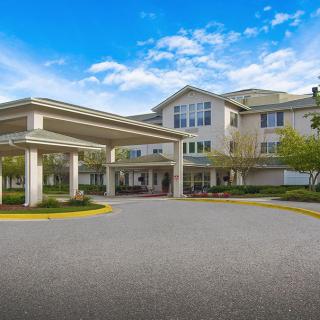


 When Dementia Sparks Anger and Aggression: Understanding the Connection and Ways to Cope
 Dementia Behaviors: In-Depth Understanding and Effective Coping Strategies
 5 Early Indicators of Dementia and What You Can Do