Oaks - Limestone in Gainesville, GA

Save

Oaks - Limestone in Gainesville, GA

Information last verified:

2560 Flintridge Road, Gainesville, GA 30501

For more information about senior living options: (844) 490-3973

3.4 from 132 reviews
5 stars
62
4 stars
14
3 stars
10
2 stars
13
1 stars
33

Overall Review of Oaks - Limestone

Pros

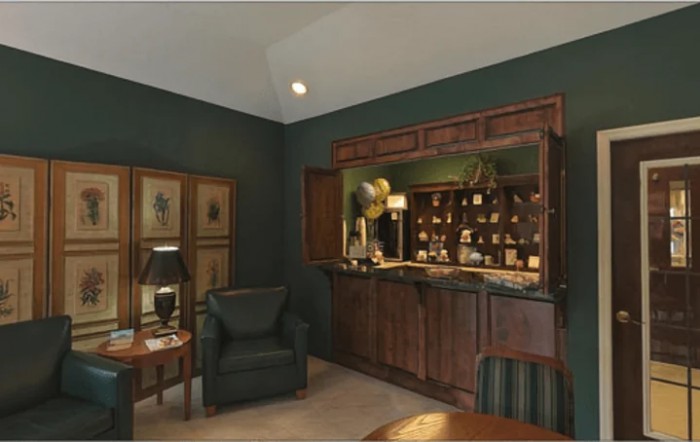
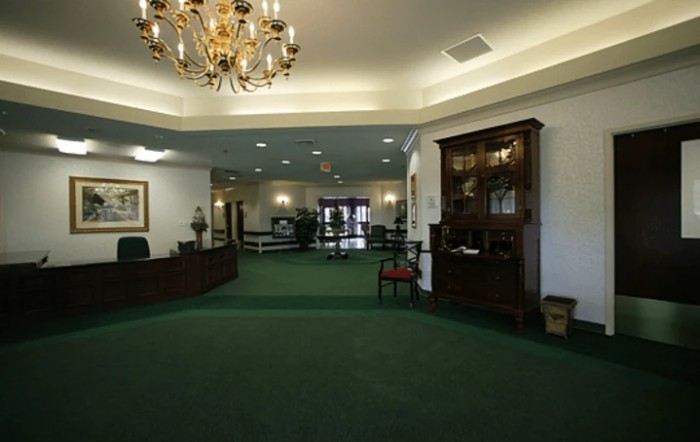
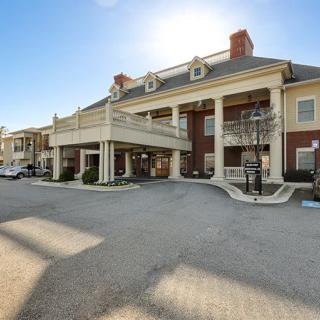
  • pro The Oaks at Limestone is clean, neat, and welcoming.
  • pro The therapy department is excellent and top-notch, with knowledgeable and patient staff.
  • pro The staff are friendly, caring, and professional.
  • pro PT and OT teams are highly skilled and dedicated to helping residents regain independence.
  • pro Nurses and CNAs are wonderful and compassionate.
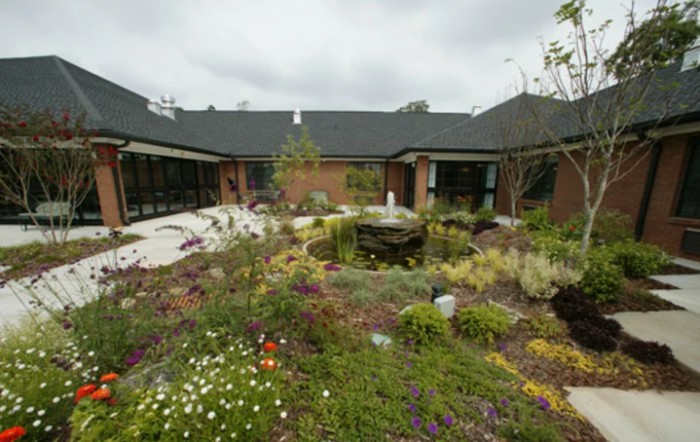
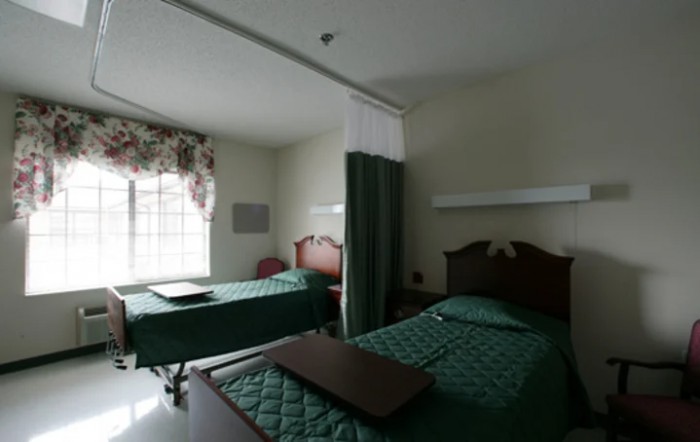
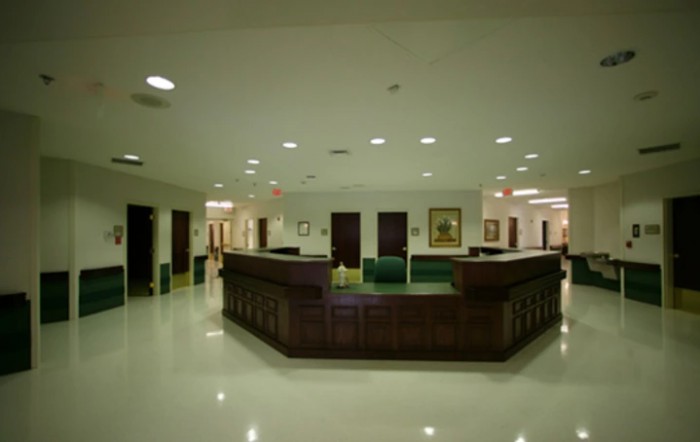
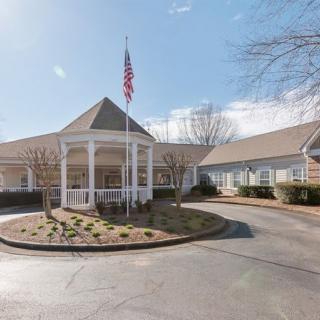
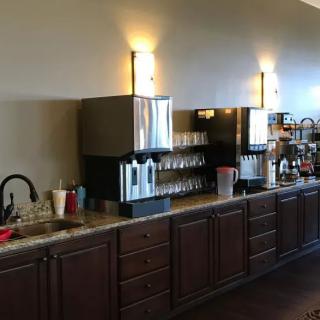
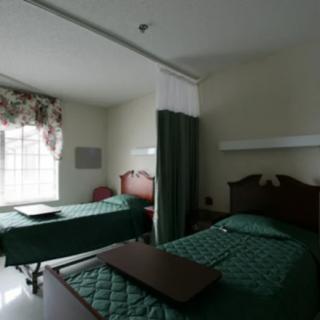
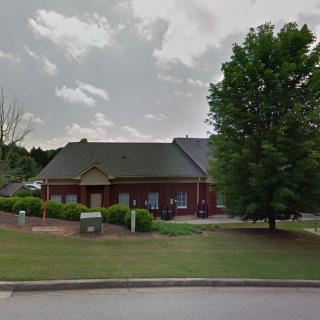
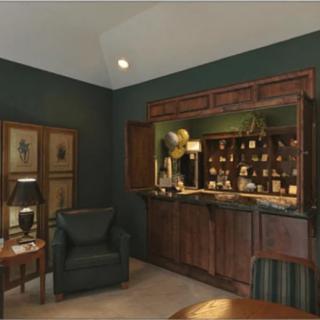
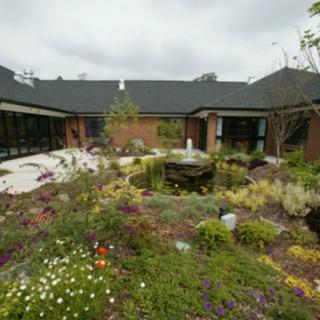
  • pro The facility provides a warm, home-like environment with well-maintained rooms and pleasant grounds.
  • pro The rehab team is amazing and works hard to help residents progress and recover.
  • pro Families appreciate the consistency of staff who care for their loved ones.
  • pro The Oaks is highly recommended by many families as a good option for rehab and long-term care.

Cons

  • pro The staff are unfriendly and rude, with at least one member described as extremely sour in interactions.
  • pro The facility is criticized for poor communication with families and for not keeping relatives informed.
  • pro Kristen is depicted as the root of ongoing problems, lacking empathy and accountability as a leader.
  • pro The facility is severely understaffed, leading to delayed call-bell responses and inadequate patient care.
  • pro Residents are left neglected, sometimes waiting hours for assistance or to have basic needs met.
  • pro The food is described as horrible, often served cold or inedible.
  • pro There are serious safety and care concerns, including missed medications, unaddressed wounds, and avoidable falls.
  • pro The administration is accused of ignoring complaints and failing to ensure safe, respectful care.

Review

The Oaks at Limestone in Gainesville, GA is best suited for families pursuing short-to-mid term rehabilitation where strong physical, occupational, and speech therapy outcomes are the top priority. For residents who arrive after a hip fracture, stroke, or open-heart procedure, the rehab team can drive meaningful gains and help reclaim independence, especially when families can stay actively engaged in the discharge plan. The campus also rewards those who value cleanliness, pleasant rehab surroundings, and an environment that can feel almost spa-like during recovery. But this facility is not a universal fit: it demands vigilance from families who must navigate inconsistent day-to-day staffing and variable communication, especially on the nursing and discharge-management fronts. Those seeking a consistently seamless experience across all shifts should proceed with caution.

Explicitly, alternatives to consider favoring rock-solid, around-the-clock nursing oversight and crystal-clear family communication. If the primary concern centers on timely call-bell responses, reliable medication administration, and predictable daily routines, other providers, particularly facilities with deeper, more stable night and weekend coverage, may offer more consistent peace of mind. Families confronting documented leadership or administrative challenges, or who require a facility with uniformly compassionate, continuously engaged bedside care, should screen aggressively for turnover, training, and accountability. In short, when long-range stability in daily care is non-negotiable, it pays to look at options beyond Oaks Limestone.

The strongest assets here lie in the therapy department and the overall facility environment. PTs, OTs, and SLPs frequently earn high praise for competence, dedication, and the ability to push patients toward independent mobility and functional goals. The therapy staff’s hands-on approach, combined with a clean, well-maintained building, appealing private-room options on the rehab wing, and an inviting groundscape, creates a recovery-friendly atmosphere that can accelerate progress and boost morale. Dietary flexibility and menu alternatives also show up positively in many reviews, with therapy-driven recovery often accompanied by thoughtful nourishment. When therapy is the centerpiece of care, Oaks Limestone delivers results that families can feel in real time.

Yet the cons are persistent enough to impact outcomes if not managed. The most consequential issues center on understaffing, uneven staff performance, and inconsistent communication with families. Reports of delayed call-bell responses, missed medication coordination, and gaps in discharge planning color many experiences, sometimes with serious consequences. Complaints about administrative leadership, including perceived prioritization of appearances over core resident care, have been echoed by former staff and family members alike. These concerns are not theoretical; multiple reviews recount falls, wounds reopening, or neglectful episodes tied to staffing shortages and fragmented handoffs. The risk is real enough that families must insist on concrete, up-to-date care plans and transparent, frequent updates as a condition of admission.

Despite these challenges, the rehab-leaning strengths can offset many downsides when leveraged strategically. For families prioritizing recovery, the Oaks Limestone can still be an effective choice because the therapy program often yields tangible improvements in walking, balance, and communication, with therapists who demonstrate steadiness, empathy, and technical skill. Cleanliness and a generally welcoming environment reduce infection and anxiety during the critical rehab window. When the care plan is well-constructed and communicated, clarity about meds, therapy schedules, and discharge timelines, residents often finish with higher functional status than anticipated. The key is a proactive family partnership: attend rounds, request direct contact with the therapy lead, and demand explicit, written milestones and checkpoints throughout the rehab stay.

The practical takeaway for families facing a decision is clear. If rehabilitation success and a pleasant, distraction-free recovery ambiance are nonnegotiable, Oaks Limestone remains a compelling option, provided one enters with rigorous expectations and an active governance of care. Before committing, demand a current, detailed care plan that assigns a case manager, confirms staffing levels for each shift, and outlines medication administration protocols. Ask for recent patient-to-nurse ratios, and request a direct line of communication to the person responsible for discharge coordination. If possible, speak with families whose loved ones recently left the rehab wing to gauge whether the transition home was smooth and supported. If those assurances cannot be secured, it is prudent to explore other facilities with stronger, more consistent bedside coverage and a proven track record of daily, attentive care.

In sum, Oaks Limestone is a practical, capable rehab-focused choice in Gainesville, especially for families seeking solid PT/OT outcomes within a clean, patient-friendly environment. It earns its keep in therapy quality and environmental comfort, and it can deliver meaningful recovery when staffing and communication align. However, for those who require unwavering nursing reliability, transparent family communication, and consistently safe, attentive everyday care across all shifts, alternatives should be weighed earnestly. For decision-makers, the prudent path is to pursue Oaks Limestone with a plan: secure dedicated care management, confirm staffing norms, and establish fail-safe lines of communication. If these conditions can be met, this facility can be a strong ally in getting a loved one back on their feet; if not, it is wise to look elsewhere where reliability and responsiveness are built into the daily routine.

Features

Housing

  • 104 resident community capacity 104 resident community capacity

Types of Care

  • Skilled Nursing Facility Skilled Nursing FacilitySkilled Nursing Facilities are crucial for seniors as they provide round-the-clock medical care, rehabilitation services, and assistance with daily activities. These facilities ensure that seniors receive the specialized care they need to maintain their health and well-being as they age.

Amenities

  • Air-conditioning Air-conditioningAir conditioning is important for seniors as they are more vulnerable to heat-related illnesses and may have underlying health conditions that make it difficult for them to regulate their body temperature. It helps to keep them comfortable, safe, and healthy in hot weather.
  • Beauty salon Beauty salonBeauty salons are important for seniors because they provide a space for them to feel pampered, socialize, and maintain their personal grooming and hygiene. Regular visits to a beauty salon can help boost seniors' self-esteem and overall well-being.
  • Cable or satellite TV Cable or satellite TVCable or satellite TV is important for seniors because it provides entertainment, news, and companionship, helping to combat loneliness and boredom. It also offers a wide range of programming options tailored to different interests and preferences.
  • Computer center Computer centerA computer center is essential for seniors as it provides access to technology, communication tools, and resources that can enhance their daily lives. It allows them to stay connected with loved ones, engage in online activities, and learn new skills, ultimately promoting socialization and mental stimulation.
  • Dining room Dining roomDining rooms are important for seniors as they provide a space for socialization, connection, and nutritious meals. They offer opportunities for residents to bond over shared meals, foster a sense of community, and promote healthy eating habits. Dining rooms also ensure that seniors have access to well-balanced meals tailored to their dietary needs and preferences.
  • Fitness room Fitness roomHaving a fitness room in a senior living community is essential for seniors to stay active, maintain their physical health, and improve their overall well-being. Regular exercise can help prevent falls, reduce the risk of chronic diseases, and promote mental sharpness. It also provides social opportunities for residents to connect with others and enjoy a sense of community.
  • Fully furnished Fully furnishedFully furnished senior living communities are important for seniors because they provide convenience, comfort, and a hassle-free moving experience. Seniors can easily settle into their new living space without the stress of having to buy and move furniture. This allows them to focus on enjoying their new home and community.
  • Gaming room Gaming roomGaming rooms are important for seniors as they provide a fun and engaging environment for socializing, cognitive stimulation, and physical activity. Games can improve memory, problem-solving skills, and overall mental well-being while fostering friendships and reducing feelings of isolation.
  • Garden GardenGardens are important for seniors as they provide a peaceful and therapeutic environment for relaxation, physical activity, and socialization. Being in nature has been shown to reduce stress, improve mood, and promote overall well-being. Gardens also offer opportunities for seniors to engage in gardening activities, which can improve mobility, flexibility, and cognitive function. Additionally, gardens create a sense of community and connection with others who share a passion for plants and outdoor spaces.
  • Housekeeping services Housekeeping servicesHousekeeping services are important for seniors because they help maintain a clean and safe living environment, promote independence, and reduce the risk of accidents or illnesses. Additionally, having assistance with household chores can alleviate physical strain and allow seniors to focus on other aspects of their well-being.
  • Kitchenette KitchenetteKitchenettes are important for seniors living in senior living communities because they provide the convenience and independence of being able to prepare simple meals and snacks in the comfort of their own living space. This can help promote a sense of autonomy and well-being for seniors, allowing them to maintain some level of control over their dietary choices and daily routines.
  • Move-in coordination Move-in coordinationMove-in coordination is important for seniors because it helps ease the transition into their new living environment. It ensures that all logistics, such as packing, organizing movers, and setting up utilities are taken care of, allowing seniors to focus on settling in and adjusting to their new home. Having a smooth move-in process can alleviate stress and anxiety, making the transition smoother and more enjoyable for seniors.
  • Outdoor space Outdoor spaceOutdoor spaces are important for seniors as they provide opportunities for physical activity, social interaction, exposure to natural light and fresh air, and a sense of connection to nature. Having access to outdoor spaces can improve overall well-being and quality of life for older adults living in senior communities.
  • Private bathrooms Private bathroomsPrivate bathrooms are important for seniors in senior living communities because they provide independence, dignity, and comfort. Having a private bathroom allows seniors to maintain their personal hygiene routines without the need for assistance, promoting a sense of autonomy and privacy. Additionally, private bathrooms help prevent the spread of infections and provide a safe and clean environment for seniors to navigate safely.
  • Restaurant-style dining Restaurant-style diningRestaurant-style dining is important for seniors because it allows them to enjoy delicious, nutritious meals in a social and upscale setting. This enhances their dining experience, promotes healthy eating habits, and fosters socialization with fellow residents, ultimately contributing to their overall well-being and quality of life.
  • Small library Small librarySmall libraries are important for seniors as they provide access to a variety of reading materials, including books, newspapers, and magazines. This can help stimulate their minds, keep them engaged, and provide a sense of community through book clubs and other social activities. Additionally, reading has been shown to improve cognitive function and overall mental well-being in older adults.
  • Telephone TelephoneTelephones are important for seniors as they provide a lifeline for communication with loved ones, emergency services, and healthcare providers. They offer a sense of security and independence, enabling seniors to stay connected and access assistance when needed.
  • Wellness center Wellness centerWellness centers are important for seniors because they offer a variety of programs and services that promote physical, mental, and emotional well-being. These centers provide opportunities for exercise, socialization, education, and relaxation, helping seniors maintain their overall health and quality of life.
  • Wi-Fi/high-speed internet available Wi-Fi/high-speed internet availableWi-Fi/high-speed internet is important for seniors to stay connected with loved ones, access online resources, and participate in virtual activities to combat feelings of loneliness and isolation. It also allows them to easily manage healthcare needs, access entertainment, and engage in lifelong learning opportunities.

Transportation

  • Community operated transportation Community operated transportationCommunity operated transportation is crucial for seniors as it provides them with the means to access essential services, social activities, and medical appointments. It allows seniors to maintain their independence and quality of life by ensuring they can participate in activities outside of their homes. Additionally, community-operated transportation services offer a safe and reliable way for seniors to travel without having to rely on family or friends for assistance.
  • Transportation arrangement Transportation arrangementTransportation arrangements are crucial for seniors as they may face challenges with driving, mobility, or access to public transportation. Having reliable transportation services ensures that seniors can easily attend appointments, social activities, and maintain their independence and quality of life.
  • Transportation arrangement (non-medical) Transportation arrangement (non-medical)Transportation arrangements are essential for seniors as they provide access to essential services, activities, and social interactions outside the home. This service helps maintain independence, mobility, and overall well-being for seniors who may have limited transportation options.
  • Transportation to doctors appointments Transportation to doctors appointmentsTransportation to doctors appointments is crucial for seniors as it ensures they have access to necessary medical care and support, promoting their health and well-being. It allows them to receive timely treatment, monitor existing conditions, and address any new health concerns efficiently. Additionally, transportation services can help seniors maintain their independence and quality of life by enabling them to stay connected with their healthcare providers.

Care Services

  • 12-16 hour nursing 12-16 hour nursing12-16 hour nursing care is crucial for seniors in order to ensure around-the-clock monitoring, timely medication administration, and prompt response to any health concerns or emergencies. This level of care helps to promote the overall well-being and safety of seniors living in senior living communities.
  • 24-hour call system 24-hour call system24-hour call systems are important for seniors because they provide peace of mind and immediate assistance in case of emergencies. This technology ensures that help is always available, promoting safety and security for elderly individuals living alone or in assisted living facilities.
  • 24-hour supervision 24-hour supervision24-hour supervision is important for seniors to ensure their safety, well-being, and access to immediate assistance in case of emergencies or health issues. This constant support provides peace of mind for both seniors and their loved ones, allowing them to age in place with dignity and security.
  • Activities of daily living assistance Activities of daily living assistanceActivities of daily living assistance are important for seniors because they provide essential support with tasks such as eating, bathing, dressing, and mobility. This assistance helps seniors maintain their independence, dignity, and overall quality of life as they age.
  • Assistance with bathing Assistance with bathingAssistance with bathing is crucial for seniors as it helps maintain personal hygiene, prevents infections, and ensures their overall well-being and comfort. It also provides a sense of dignity and independence for seniors who may struggle with this task on their own.
  • Assistance with dressing Assistance with dressingAssistance with dressing is important for seniors because it helps maintain their independence, promotes personal hygiene, prevents accidents and injuries, and improves overall quality of life. This service ensures that seniors can continue to dress comfortably and confidently, despite any physical limitations they may have.
  • Assistance with transfers Assistance with transfersAssistance with transfers is crucial for seniors as it helps prevent falls and injuries, maintains their independence, and ensures they can safely navigate their living environment. It also provides peace of mind for both seniors and their loved ones.
  • Diabetes diet Diabetes dietA diabetes diet is crucial for seniors as it helps manage blood sugar levels, reduce risks of complications, and improve overall health and well-being. By following a balanced and nutritious diet tailored to their specific needs, seniors can better control their diabetes and enhance their quality of life.
  • Meal preparation and service Meal preparation and serviceMeal preparation and service are crucial for seniors as they may have limited mobility or energy to cook nutritious meals. Having access to healthy and convenient food options can ensure they are getting the proper nutrition needed to maintain their overall health and well-being.
  • Medication management Medication managementMedication management is crucial for seniors to ensure they are taking the right medications at the correct dosages and times. This helps prevent adverse drug interactions, reduces the risk of medication errors, and promotes overall health and well-being. Proactive management also allows for adjustments as needed based on changing health conditions or new prescriptions.
  • Mental wellness program Mental wellness programMental wellness programs are essential for seniors as they promote cognitive stimulation, emotional support, and social engagement. These programs help prevent isolation, depression, and cognitive decline, ultimately enhancing the overall quality of life for older adults.
  • Special dietary restrictions Special dietary restrictionsSpecial dietary restrictions are important for seniors because age-related changes in metabolism and health conditions can make it difficult for their bodies to process certain foods. By following a diet tailored to their specific needs, seniors can maintain their overall health and well-being, manage chronic conditions, and reduce the risk of complications such as malnutrition or food interactions with medications.

Dining

  • Diabetes diet Diabetes dietA diabetes diet is crucial for seniors as it helps manage blood sugar levels, reduce risks of complications, and improve overall health and well-being. By following a balanced and nutritious diet tailored to their specific needs, seniors can better control their diabetes and enhance their quality of life.
  • Special dietary restrictions Special dietary restrictionsSpecial dietary restrictions are important for seniors because age-related changes in metabolism and health conditions can make it difficult for their bodies to process certain foods. By following a diet tailored to their specific needs, seniors can maintain their overall health and well-being, manage chronic conditions, and reduce the risk of complications such as malnutrition or food interactions with medications.

Activities

  • Community-sponsored activities Community-sponsored activitiesCommunity-sponsored activities are important for seniors as they provide opportunities for social interaction, mental stimulation, and physical activity. These activities can help improve overall well-being, combat loneliness and isolation, and promote a sense of belonging and purpose among older adults.
  • Concierge services Concierge servicesConcierge services are essential for seniors as they provide assistance with daily tasks and errands, enhance their quality of life by offering convenience and personalized care, and promote a sense of safety and security.
  • Fitness programs Fitness programsFitness programs are crucial for seniors as they help improve strength, flexibility, balance, and overall well-being. Staying active can reduce the risk of chronic diseases, improve mental health, and enhance quality of life in older adults.
  • Planned day trips Planned day tripsPlanned day trips are important for seniors because they offer opportunities for socialization, mental stimulation, and physical activity. They provide a change of scenery and help seniors stay engaged and connected to their community, promoting overall well-being and quality of life.
  • Resident-run activities Resident-run activitiesResident-run activities are important for seniors as they encourage social interaction, creativity, and a sense of autonomy. These activities empower seniors to stay engaged and active in their community while fostering meaningful connections with their peers.
  • Scheduled daily activities Scheduled daily activitiesScheduled daily activities are important for seniors because they provide structure, socialization, mental stimulation, and physical activity. Engaging in regular activities can improve overall well-being and quality of life for seniors living in a community setting.

Description

Oaks - Limestone in Gainesville, GA is a vibrant and welcoming assisted living community that offers a range of amenities and care services to cater to the needs of its residents.

The community features a beauty salon where residents can pamper themselves, as well as cable or satellite TV in each room for entertainment. Community-operated transportation is available for convenient travel, while the computer center offers opportunities to stay connected and engaged.

Residents can enjoy delicious meals in the dining room, which offers restaurant-style dining. For those who prefer independent cooking, there is a kitchenette available. Housekeeping services ensure that living spaces are kept clean and tidy.

There are plenty of recreational activities to keep residents active and engaged. The fitness room allows for regular exercise, while the gaming room provides opportunities for leisurely fun. The garden and outdoor space offer a serene environment to relax and enjoy nature. Residents can also explore books at the small library or stay connected with loved ones using telephone and Wi-Fi/high-speed internet services.

In terms of care services, Oaks - Limestone provides 24-hour call system and supervision to ensure the safety and well-being of residents. Assistance with daily living activities such as bathing, dressing, and transfers is readily available. Medication management is provided for proper health maintenance, along with special dietary restrictions including diabetes diets considered.

Transportation arrangements are made both for non-medical purposes as well as for doctors' appointments. The wellness center focuses on promoting mental well-being among residents through various programs. Move-in coordination eases the transition process for new residents.

Located conveniently near cafes, parks, pharmacies, physicians' offices, restaurants, places of worship, and hospitals, Oaks - Limestone ensures easy access to essential amenities and services within the surrounding area.

Overall, Oaks - Limestone offers a comfortable and supportive environment where seniors can live independently while receiving necessary assistance and enjoying an active lifestyle through various amenities and planned activities.

Nearby Places of Interest

Pharmacies

  • Medical Park Pharmacy (0.2 miles)
  • CVS Pharmacy (0.7 miles)
  • Medical Park Pharmacy (0.9 miles)
  • Kroger Pharmacy (1.2 miles)
  • Mc Elveen's Pharmacy (1.3 miles)
  • Walgreens (1.4 miles)
  • CVS Pharmacy (2.4 miles)

Restaurants

  • Burger & Shake lll (0.2 miles)
  • Bluefin Hibachi & Sushi (0.4 miles)
  • Senor Fiesta (1.2 miles)
  • El Sombrero (1.2 miles)
  • Chick-Fil-A (1.3 miles)
  • McDonald's (1.3 miles)
  • Huddle House (1.4 miles)

Physicians

  • Gainesville Surgery Center (0.7 miles)
  • Dermatology Associates of NE Georgia (0.7 miles)
  • Mountainview Pediatrics (0.7 miles)
  • Arthritis Center of North Georgia (0.8 miles)
  • Gainesville Eye Associates (0.8 miles)
  • Surgical Oncology Of Northeast Ga (0.8 miles)
  • Heritage Ob Gyn PC (0.9 miles)

Places of Worship

  • St Michael Catholic Church (1 miles)
  • Unity of Gainesville Church (2.5 miles)
  • Free Chapel Worship Center (5.6 miles)
  • Northlake Baptist Church (6.9 miles)
  • Lula United Methodist Parsonag (8.9 miles)

Cafes

  • Longstreet Cafe (1.3 miles)
  • Starbucks (1.4 miles)
  • Longstreet Cafe (3.3 miles)
  • Starbucks (3.4 miles)
  • Starbucks (7.6 miles)

Hospitals

  • 1480 Building (1.6 miles)
  • NGHS - North Tower (1.7 miles)
  • Northeast Georgia Labor And Delivery (1.8 miles)

Parks

  • Laurel Park (1.6 miles)
  • Thompson Bridge Park (2.6 miles)
  • Longwood Park (2.7 miles)
  • Don Carter State Park (5.6 miles)

Frequently Asked Questions

Where is Oaks - Limestone?
What photos are available for Oaks - Limestone in Gainesville, Georgia?

Nearby Communities

  • Morningside of Gainesville

    Morningside of Gainesville

    Gainesville, GA

    5 from 3 reviews
     

  • Lakes at Gainesville Assisted Living

    Lakes at Gainesville Assisted Living

    Gainesville, GA

    4.6 from 44 reviews
    $2,950 to $3,600 / month

    pro Friendly, attentive staff; clean facilities; engaging activities and good family communication.
  • The Landings of Gainesville

    The Landings of Gainesville

    Gainesville, GA

    4.5 from 44 reviews
    $2,500 to $3,400 / month

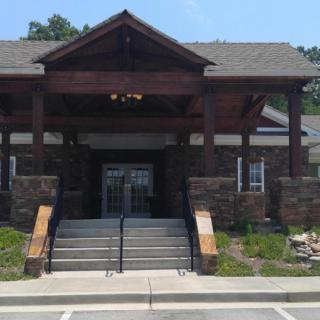
    pro Caring, professional staff with an engaging memory-care environment and regular family updates.

  • Manor House Of Gainesville

    Manor House Of Gainesville

    Gainesville, GA

    4.2 from 6 reviews
     

    pro Strong, caring staff and a clean, welcoming environment.

  • Holiday Smoky Springs

    Holiday Smoky Springs

    Gainesville, GA

    4.4 from 182 reviews
    $2,579 to $4,359 / month

    pro Warm, welcoming community with attentive staff and engaging activities.

  • Beehive Homes Of Gainesville

    Beehive Homes Of Gainesville

    Gainesville, GA

    4.7 from 24 reviews
     

    pro Spacious, clean rooms with wide hallways and a warm, family-like atmosphere with attentive staff.

  • New Horizons Limestone

    New Horizons Limestone

    Gainesville, GA

    2.6 from 20 reviews
    $3,510 to $5,460 / month

    pro Private rooms with restaurant-style dining and a wide range of amenities (beauty salon, fitness room, computer center, Wi-Fi).

  • The Phoenix at Lake Lanier

    The Phoenix at Lake Lanier

    Gainesville, GA

    4.1 from 86 reviews
    $2,900 to $6,000 / month

    pro Friendly, attentive staff, a clean upscale setting on Lake Lanier, and engaging daily activities with good family communication.

  • Gardens of Gainesville

    Gardens of Gainesville

    Gainesville, GA

    4.3 from 94 reviews
    $3,185 to $4,265 / month

    pro Caring staff, engaging activities, and a welcoming, home-like atmosphere.

Related Resources

  • anticipatory griefRecognizing the Journey: Understanding and Navigating Anticipatory Grief

    Anticipatory grief is an emotional response to the impending loss of a loved one, characterized by complex emotions such as sadness and anger, and involves navigating stages similar to those identified by Kübler-Ross. Coping strategies are vital for managing this process, emphasizing compassionate communication, self-care, and support groups while recognizing the cultural influences on grieving.

  • adult day careEncouraging Participation in Adult Day Care: A Guide to Supporting a Hesitant Parent

    Adult day care programs offer essential support and activities for older adults, yet many hesitate to participate due to concerns about independence and stigma. To alleviate these apprehensions, families should facilitate open discussions, explore financial resources, suggest trial visits, and collaborate with healthcare providers to highlight the benefits of such services for both the participants and their caregivers.

  • living will definitionComprehensive Exploration of Living Wills and Other Advance Directives
    Living wills and advance directives are crucial legal documents that outline an individual's healthcare preferences when they cannot make decisions themselves, enhancing patient autonomy and alleviating family stress during medical crises. The article emphasizes the need for these documents to be personalized, legally valid, and regularly updated, while also encouraging communication about end-of-life wishes among family members and healthcare providers.