2435 Limestone Parkway, Gainesville, GA 30501
For more information about senior living options: (866) 208-4318
Overall Review of Morningside of Gainesville
Pros
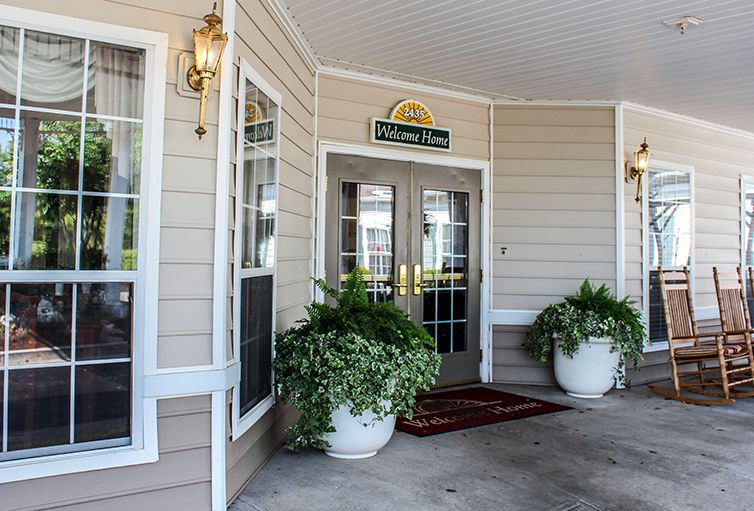
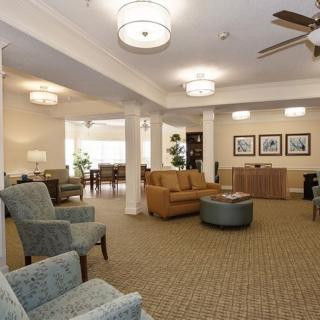
 The facility is pleasant and peaceful.
- Everyone is friendly.
- The staff are very informative and stay in touch.
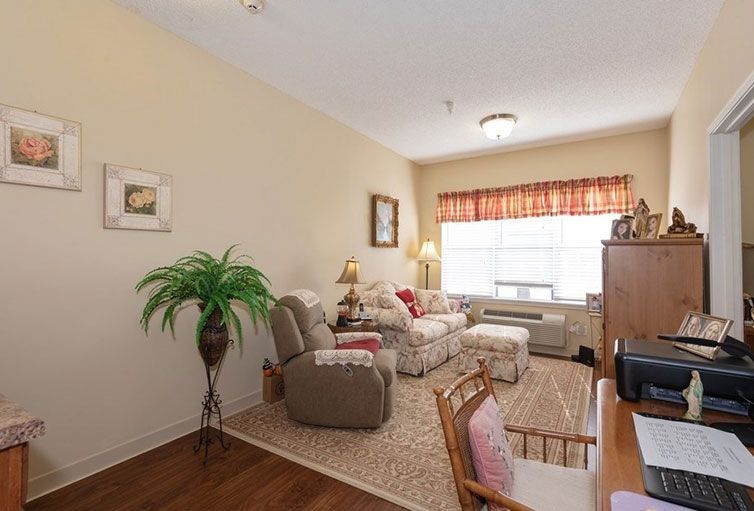
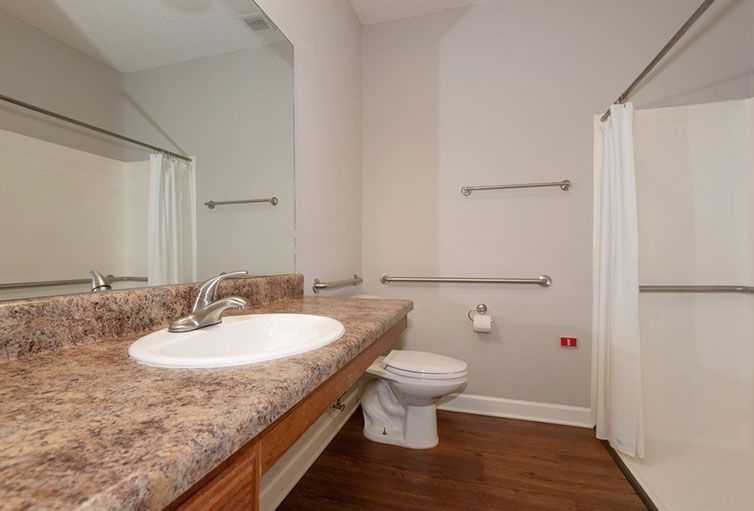
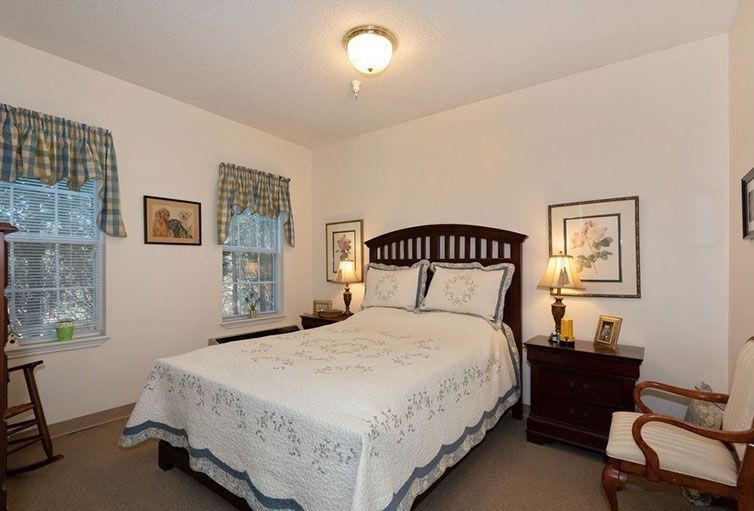
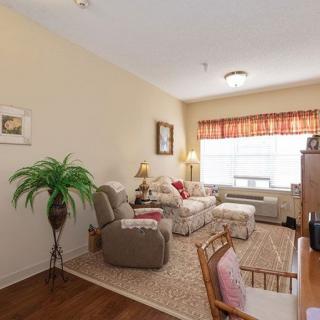
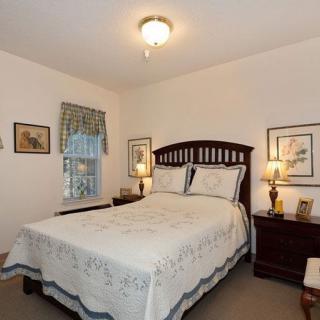
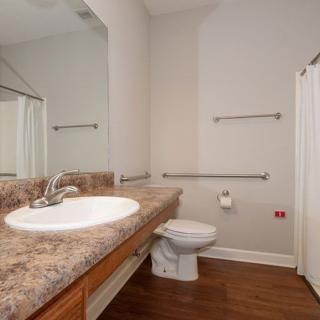
- The rooms are being updated and are very nice and up to date.
- The facility is improving, updating things, and refreshing the environment.
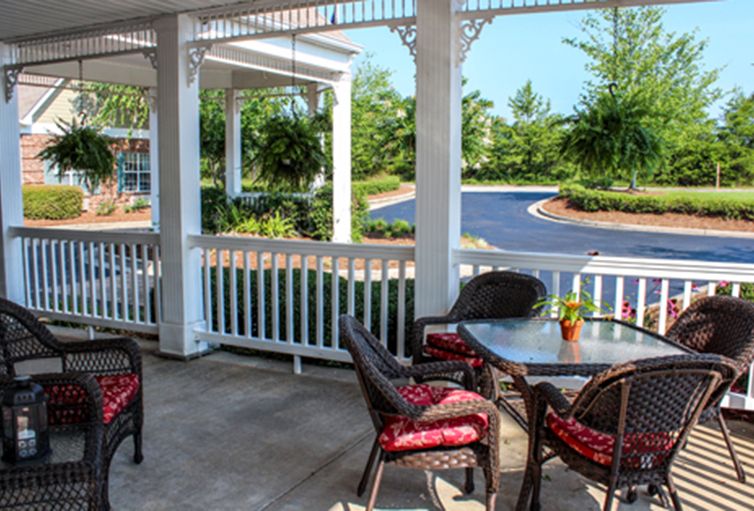
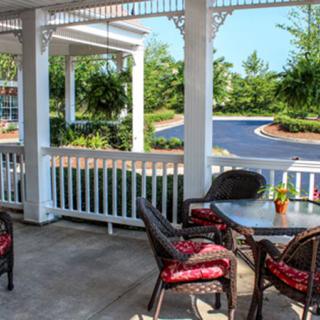
- It offers a salon and a courtyard, and is developing gardens for residents.
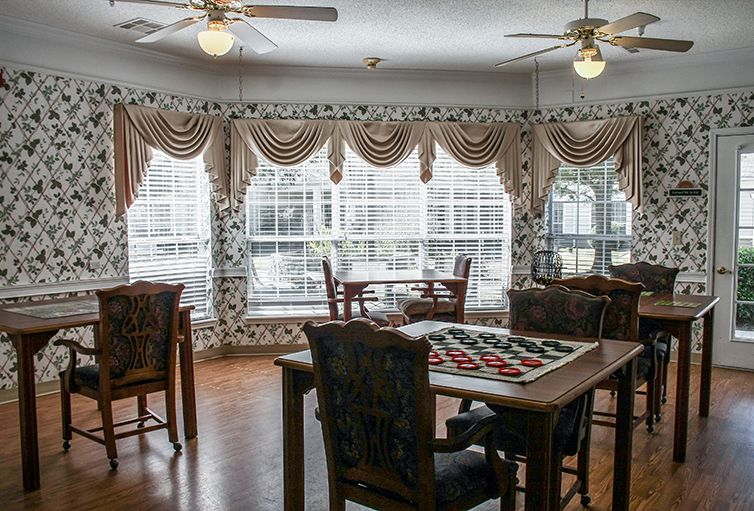
- It is a smaller facility, but it remains active with outings and activities.
- The staff are caring and consistently cheerful, and their dedication to residents is appreciated.
- Rooms and meals are very nice.
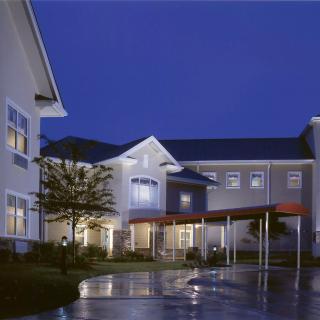
- The single-story layout makes it easy for residents to get around.
Cons
 It’s not a very big facility, so there’s not a whole lot.
Review
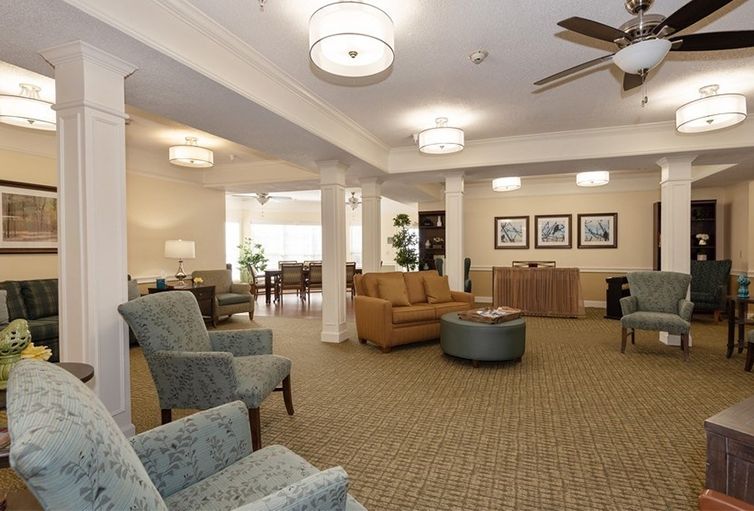
This Gainesville community is best suited for seniors who want an intimate, resident-centered environment where staff accessibility is a daily reality and care feels personal. The compact, one-floor building reduces navigational hurdles and suit residents who prefer predictable routines, minimal stairs, and ready access to assistance. The setting is calm and approachable, with a courtyard and a salon that invite straightforward social moments without the bustle of a larger campus. Families will value the ease of frequent contact and the ability to drop in without maneuvering through a sprawling complex.
For some residents, alternatives may be worth considering. The footprint here naturally limits the breadth of on-site programming and amenities, so those who crave a bustling activity calendar or expansive outdoor spaces may look elsewhere. If memory care needs are moderate to high or if around-the-clock nursing and a wide range of therapy services become essential, it may be prudent to compare facilities with more comprehensive clinical support and larger memory-care options. Even with strong caregiver engagement, a bigger community can sometimes better match evolving medical requirements.
The strongest pros center on people and practicality. Staff are described as caring and consistently pleasant, with families noting good communication and ongoing outreach. Room updates signal a commitment to maintaining a fresh, comfortable environment rather than allowing the property to stagnate. The available amenities, salon services, a courtyard, and developing gardens, offer respectable social and wellness opportunities without overwhelming residents who prefer a quieter pace. The small size and single-story design also translate into easy navigation, which reduces anxiety for residents with mobility or memory challenges and makes it simpler for loved ones to participate in daily life.
These advantages do offset some of the inherent limits of a smaller campus. Personal attention from a devoted team can compensate for a leaner activity calendar, because staff can tailor each resident’s day around individual interests and needs. The intimate setting often translates into faster response times and a stronger sense of security, while the proximity to family conveniences makes planned visits and spontaneous drop-ins more feasible. Updates to rooms keep the environment current and comfortable, reinforcing a sense of dignity and choice for residents who want to feel home-like rather than institutional.
Nevertheless, careful buyers will weigh a few caveats. The most obvious is the limited scale: a smaller building means fewer in-house options for social events, therapy sessions, and diverse dining experiences, which can matter for residents who thrive on constant stimuli. Ownership transitions can surface variability in service levels during early phases, so prospective families should probe how leadership changes have affected daily operations and care consistency. It also remains important to verify the availability of robust nursing support and specialized dementia programming if cognitive needs evolve beyond what the setting was originally designed to accommodate.
Ultimately, the decision rests on aligning priorities with reality. For families prioritizing warmth, straightforward access to care, and a close-knit community where staff know residents well, this Gainesville option presents strong value. It delivers dependable caregiver engagement, easy mobility for residents, and a peaceful atmosphere that supports dignity and routine. If the criterion is a broader social calendar, more expansive grounds, or advanced memory-care resources, alternatives should be explored with a clear checklist: staff-to-resident ratios, access to adjunct therapies, on-site clinical services, and a tangible plan for ongoing program development. A firsthand tour to observe resident interactions and speak with staff will illuminate how well the day-to-day experience matches the family’s expectations.
 43 resident community capacity
 1-bedroom apartments
 Assisted Living
 Beautician on-site
 Cable or satellite TV
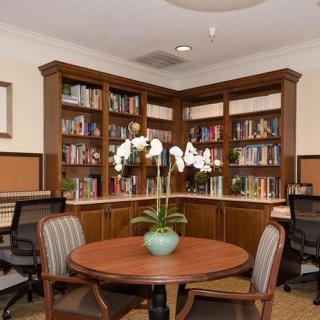
 Dining room
 Fully furnished
 Garden
 Guest parking
 Housekeeping services
 Kitchenette
 Laundry
 Move-in coordination
 Outdoor space
 Party space
 Respite or short term stays offered
 Telephone
 VA Benefits Consultation
 Wi-Fi/high-speed internet available
 Transportation & parking
 24-hour call system
 Activities of daily living assistance
 Assistance with bathing
 Assistance with dressing
 Assistance with transfers
 Diabetes diet
 Hospice care
 Meal preparation and service
 Medication management
 Mental wellness program
 Physical therapy
 Special dietary restrictions
 Transportation arrangement (medical)
 Arts and crafts
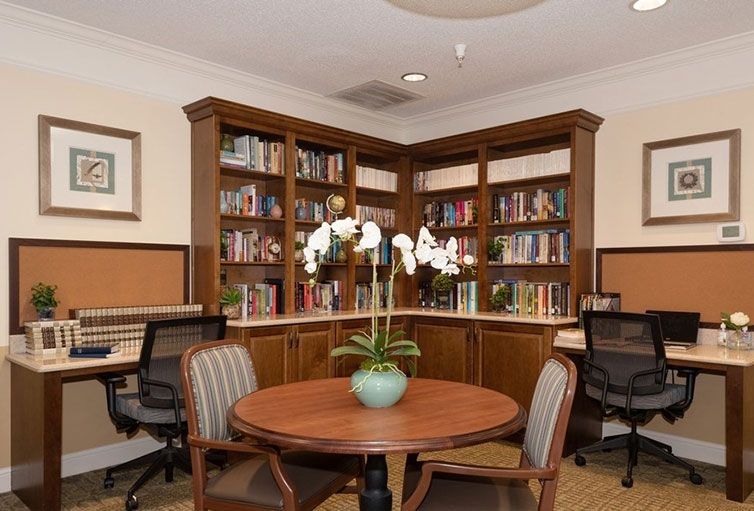
 Book club
 Cooking club
 Educational speakers / life long learning
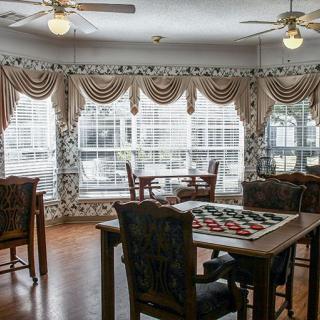
 Games
Games Live musical performances
 Religious services
 Wii bowling
 Yoga / chair yoga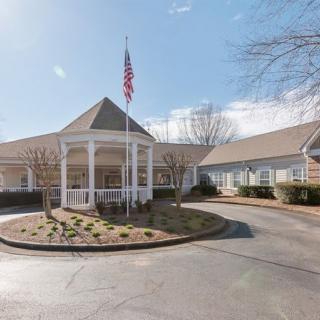



 Comprehensive Insights into Activities of Daily Living (ADLs) and Their Assessment
 Guiding Elderly Parents Who Refuse Assisted Living: 6 Practical Steps
 Your Comprehensive Guide to Luxury Assisted Living: Elevated Facilities, Amenities, and Costs