
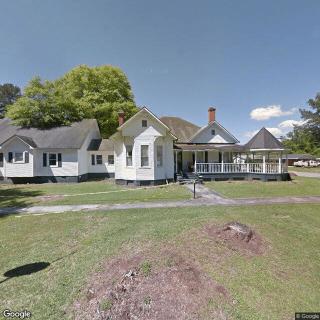
235 Big Six Farms Road, Fort Valley, GA 31030
For more information about senior living options: (866) 208-4318
Overall Review of Jbc Assisted Living Group Home
Pros
 They took good care of her mother until she passed.
- The facilities are good.
Cons
 The place is the worst, and they are judgmental and don’t care about anyone.
- The clients are too judgmental and become jealous of their friends.
- They smoke vapes and hide things, and they only like certain people.
Review
Jbc Assisted Living Group Home in Fort Valley, GA is best suited for families seeking a small, home-like environment where caregivers form real, ongoing relationships with residents and end-of-life care is delivered with evident dedication. This setting works for seniors who prefer a quiet, intimate atmosphere over a busy, splashy activity calendar. It is a practical choice for families that prioritize steady, personalized attention from staff and value a culture that feels like a close-knit household, rather than a larger institution. Those who need frequent social programming, high-energy resident interaction, or a wide, diverse peer community may find this community less compatible.
People who may want to consider alternatives include families looking for a more professional, less intimate vibe, or for a setting with broader resident mixing and more structured conflict resolution. If a resident thrives on a broad social scene, a robust activity slate, or a location with more visible systems for inclusivity and privacy, other options could deliver more consistent satisfaction. Additionally, families seeking a facility with highly standardized protocols, aggressive advocacy, or a larger staff footprint might prefer a community with a more expansive administrative presence and clearer, uniform practices.
Among the noted strengths, caregivers demonstrate genuine commitment and can provide careful, compassionate attention to residents, including during advanced illness and end-of-life moments. The small size fosters a sense of continuity, staff know residents by name, routines feel predictable, and family interactions can remain hands-on. In the best moments, families report that a loved one was supported through the final chapters with diligence and warmth, which is exactly the kind of steadiness that can ease difficult transitions for everyone involved.
However, the most pointed drawbacks center on social dynamics within the home. Several accounts describe a judgmental climate among both staff and residents, with cliques and favoritism shaping who feels accepted. This atmosphere can magnify stress for residents who already struggle with independence or who rely on easy, trusted social connections. Reports also reference privacy-related tensions, issues like vaping, hidden behaviors, and the sense that “only certain people” are truly welcome, factors that can erode trust and dampen the comfort a family hopes to see in a small, familiar setting. In short, the home’s warmth from caregiving can be overshadowed by interpersonal politics that make some residents feel sidelined.
Those dynamics matter because they directly influence daily quality of life. The pros, attentive, person-centered care and a close-knit staff-resident relationship, can offset less robust programming or social friction if a resident values predictable caretaking and low-distraction routines. For a loved one who wants dignity, consistent supervision, and a calm, homelike environment rather than a busier, more formal facility, the positives may outweigh the negatives. Yet for anyone prioritizing inclusive social engagement, broad peer interaction, or a uniformly positive social climate, the cons could prove limiting enough to justify looking elsewhere.
Prospective families should approach with clear questions and a concrete plan for evaluation. Observe how staff interact with residents in day-to-day care, and ask how conflicts or cliques among residents are addressed. Inquire about staff-to-resident ratios, familiarity with medical and end-of-life needs, and whether there is a predictable daily rhythm that minimizes stressful social dynamics. Tour dining rooms and common areas to gauge whether residents appear comfortable and engaged, and speak with current families about their experiences beyond the few stories reported online. Consider proximity to medical facilities and the availability of on-call clinical support.
The bottom-line conclusion is practical and decisive: Jbc Assisted Living Group Home can be an excellent fit for families seeking a small, personal, caregiving-forward setting where a loved one receives steady, compassionate attention and end-of-life care in a home-like atmosphere. It is less ideal for those who require a broad social milieu, egalitarian peer culture, and a consistently nonjudgmental community. If the resident places a premium on intimate caregiver relationships and a controlled, serene daily routine, this community deserves strong consideration. If social inclusivity and a bustling activity calendar are non-negotiables, alternatives with a larger staff footprint and more varied programming should be explored.
 21 resident community capacity
 Assisted Living
 Beauty salon
 Cable or satellite TV
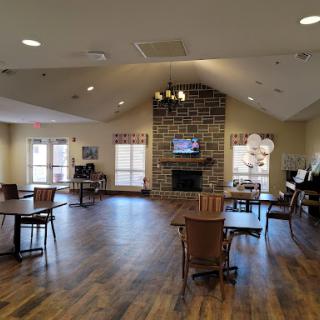
 Dining room
 Fully furnished
 Garden
 Housekeeping services
 Kitchenette
 Move-in coordination
 Outdoor space
 Restaurant-style dining
 Small library
 Telephone
 Wi-Fi/high-speed internet available
 Middle Georgia Regional (18 miles away)
 24-hour call system
 Activities of daily living assistance
 Assistance with bathing
 Assistance with dressing
 Assistance with transfers
 Diabetes diet
 Medication management
 Mental wellness program
 Special dietary restrictions




 Choosing the Right Senior Care: A Detailed Exploration of Assisted Living and Nursing Homes
 Understanding the True Cost of Assisted Living in 2025: A Comprehensive Guide
 Understanding Medicaid Coverage for Assisted Living: A Comprehensive Guide