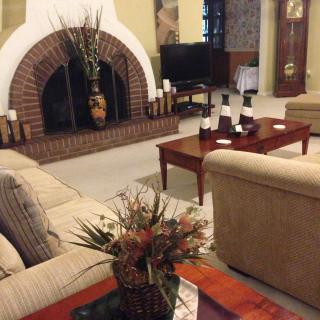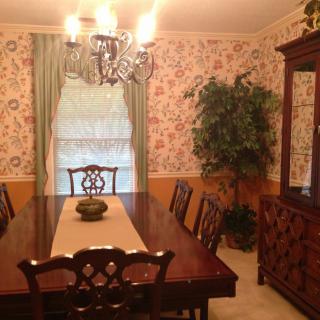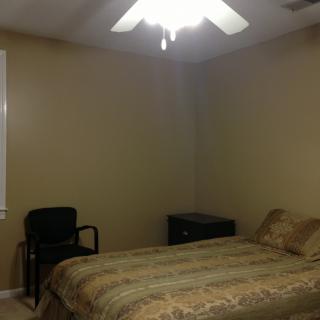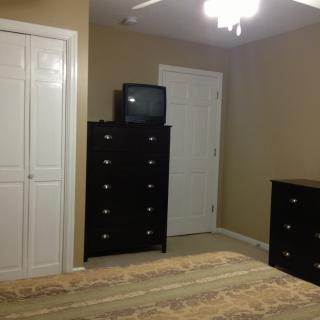
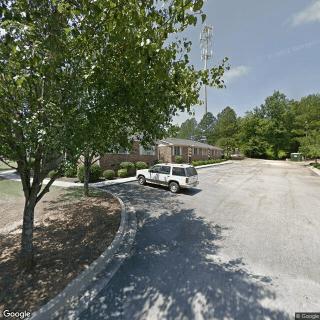
1065 Cumberland Place, Evans, GA 30809
For more information about senior living options: (866) 208-4318
The Ostolaza Residence Pch Costs & Pricing
The Ostolaza Residence PCH offers a unique and comfortable setting tailored to meet the needs of its residents, albeit at a higher price point compared to average costs in Columbia County and the broader state of Georgia. For a private room, residents can expect to pay $5,500 per month, significantly above the Columbia County average of $4,731 and the statewide figure of $2,864. Similarly, studio accommodations are priced at $6,500 monthly, which is also higher than both the county's average of $4,238 and Georgia's statewide average of $3,520. These costs reflect The Ostolaza Residence PCH's commitment to providing premium care and amenities in a supportive environment for its residents.
| Floor plans | The Ostolaza Residence Pch | Columbia County | Georgia |
|---|---|---|---|
| Private | $5,500 | $4,731 | $2,864 |
| Studio | $6,500 | $4,238 | $3,520 |
Memory care communities with a similar price nearby
-
from -$940 / mo

Thrive at Augusta
$4,560 to $5,950 / month7.9 miles away
Overall Review of The Ostolaza Residence Pch
Pros
 The staff are capable and provide excellent care.
- They are easy to work with.
- The facility is lovely.
- The facility is clean, odor-free, and nicely decorated for every season and holiday.
- The Ostolaza Residence staff feel like family to the reviewer.
- The reviewer would recommend this facility to others.
- The facility feels comfy and cozy upon arrival.
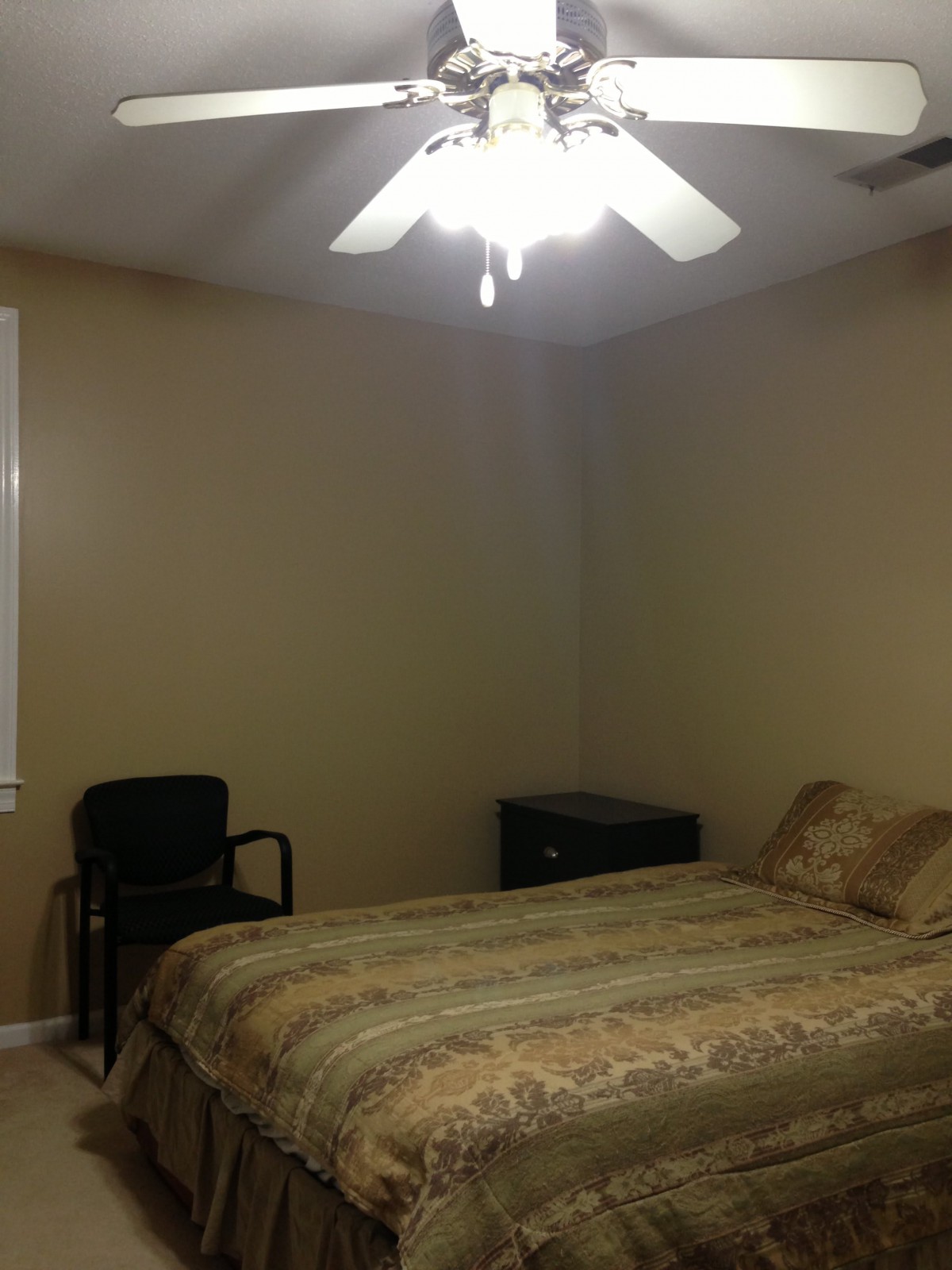
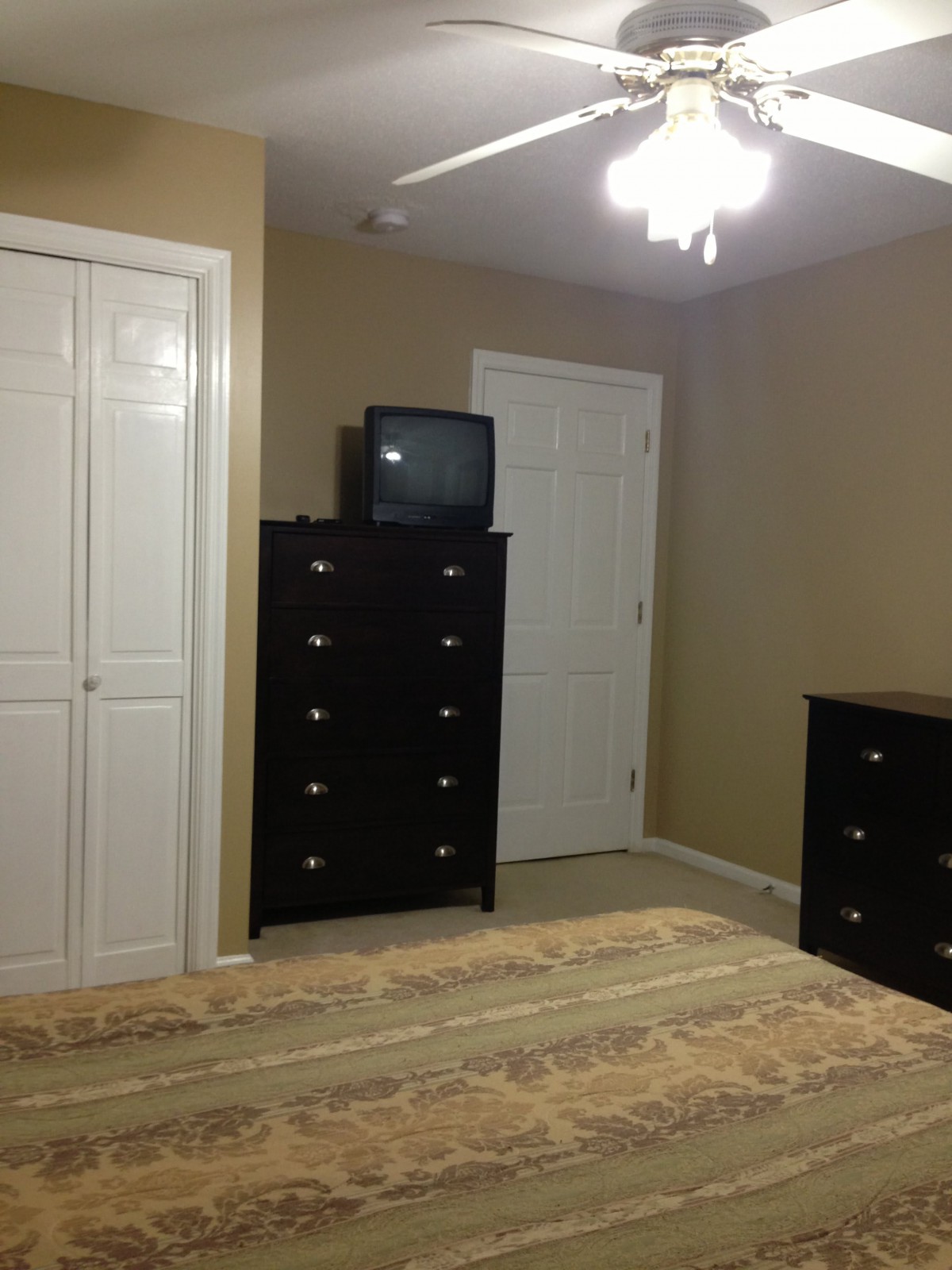
- The rooms are nicely sized.
- The staff organize medications efficiently and help find cost-effective options.
- The staff monitor blood sugar closely, achieving near-perfect levels.
- The house provides 24-hour attention and loving care.
- Mary and her staff provide comforting care in a loved one's final days; they were wonderful.
Cons
 The father's experience was not pleasant.
- The facility charged for a sitter who never existed and confined him to a geriatric chair for hours, with no patient care or interaction and no communication with the owner.
- Staff were required to cook, clean, and do laundry, were not allowed to give showers, and bed baths were performed for all at once with insufficient staff.
- There was never enough staff.
- Staff were not allowed to discuss medical information with the family and were reprimanded for bringing concerns to the owners.
- The hospice could not provide enough daily help in the last months, leaving the mother without the attention she needed.
- The mother was too ill to be at home with intermittent help and did not receive the attention she needed in a nursing facility.
Review
This community is best suited for families seeking a warm, home-like setting where caregivers provide highly personalized attention and a sense of extended family. It works well for seniors who value daily companionship, flexible support, and a comforting, almost-ina-home atmosphere rather than a clinical, bustling facility. Those needing strict medical oversight, ongoing skilled nursing care, or a highly regimented, hospital-like environment should consider alternatives. The Ostolaza Residence excels when the priority is meaningful daily interaction, attentive routine care, and a space that feels like a private home rather than a traditional institution.
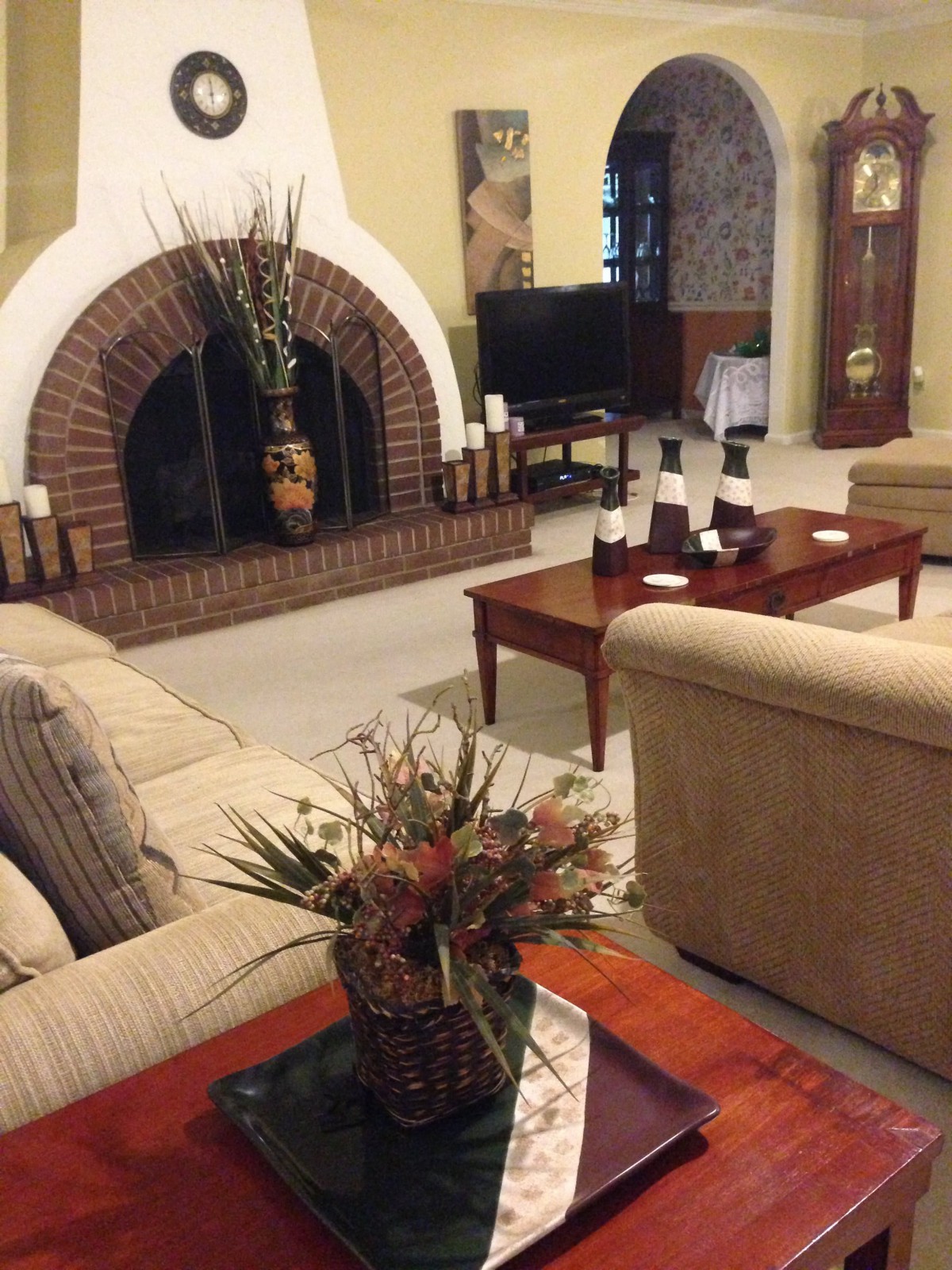
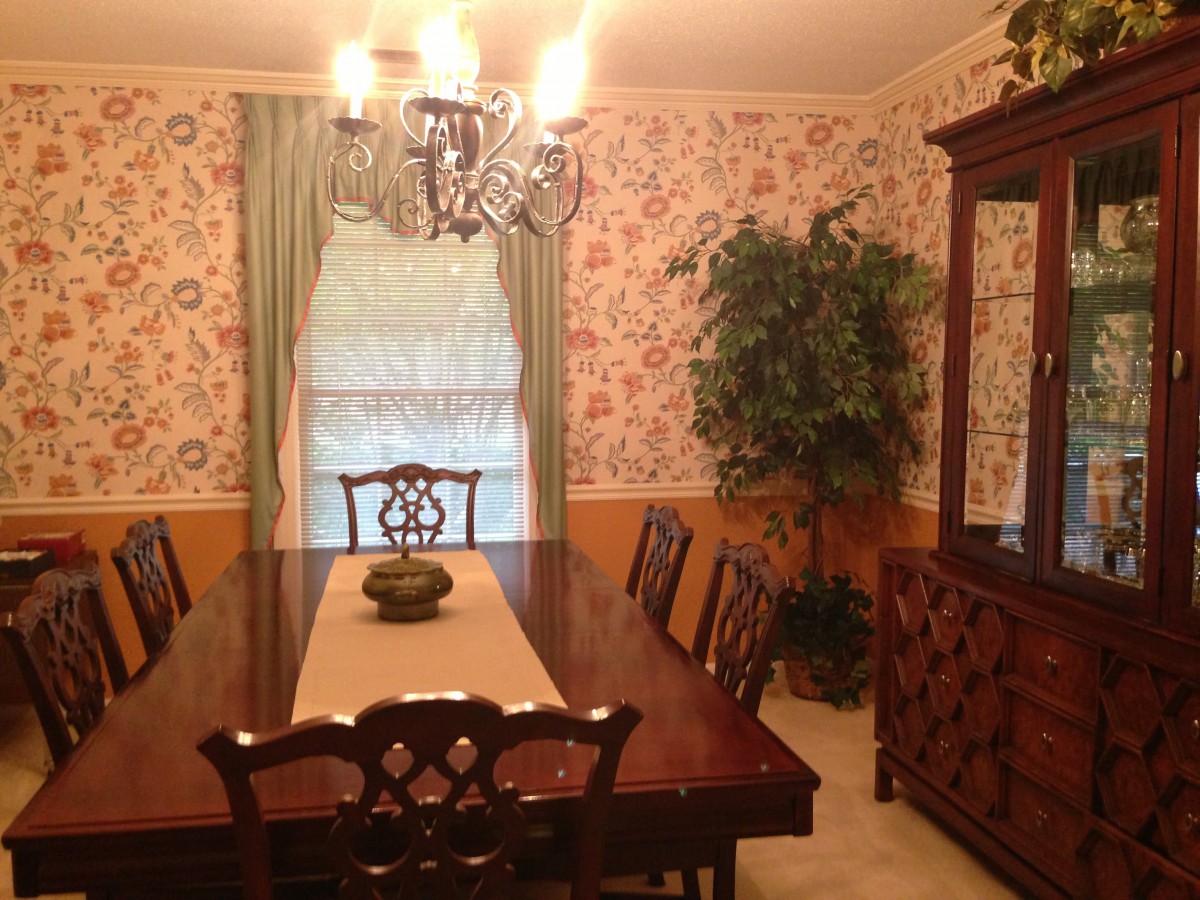
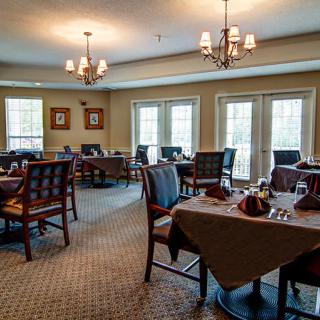
The strongest positives here center on the people and the ambience. Staff are described as capable, easy to work with, and genuinely caring, delivering care in a way that feels personal rather than transactional. The facility itself projects cleanliness, a pleasant scent during meals, and seasonal, homey decor that reinforces a sense of comfort. Families consistently report that staff become part of the extended family, building trust through consistent presence, proactive support with medications and routine tasks, and a willingness to adapt to each resident’s needs. That relational strength often translates into smoother daily life for residents who thrive on consistent, compassionate attention.
Another clear advantage is the flexibility around care intensity. Several reviews highlight the possibility of 24-hour companionship and tailored care plans, with care available on a case-by-case basis. The environment appears conducive to hospice-style support when needed, with families able to lean on the staff for comfort and practical help during difficult times. The experience described by those who have faced end-of-life care underscores the facility’s ability to provide loving, attentive presence, coordinating with external hospice services while maintaining a home-like routine that eases the final months. For out-of-town families, this translates into a reassuring, tangible sense of ongoing at-home support.
However, a cautionary note comes from a single, detailed negative account that should be weighed carefully. This reviewer details serious concerns about staffing levels, treatment of a resident in a geri chair as a confinement tool, and a perceived lack of meaningful social integration, along with restrictions on staff discussions of medical information with the family and a punitive response to a 30-day notice. The critique also points to role overload, with staff expected to cook, clean, and perform multiple caregiving tasks in ways that may limit the depth of individual attention. While this view is not universal, it signals real potential red flags about staffing consistency, communication transparency, and the balance between caregiving duties and medical oversight.
Taken together, the positives, the people, the homey environment, the responsive care model, and the ability to tailor support, often offset the most significant drawbacks for families prioritizing companionship and a nonclinical vibe. The overarching consensus is that for many residents, The Ostolaza Residence offers a level of warmth and trust that can be hard to find elsewhere, especially for those who want to avoid a clinical setting. The key is alignment: families should seek this community if the priority is a trusted, intimate caregiver relationship and a home-like daily rhythm, while ensuring clear expectations about staffing, supervision, and communication.
For families considering this option, perform a candid visit focused on the daily cadence and staffing reality. Meet Mary and the caregiving team, observe how medication management and daily routines are executed, and ask for a transparent review of staffing ratios and how emergencies are handled. Clarify what is included in fees, what constitutes additional charges, and how information is shared with families. If the need includes robust, around-the-clock nursing oversight or highly technical medical care, explore alternatives that offer stronger clinical staffing or larger resident-to-staff ratios. For the right family, this residence can deliver unmatched warmth and personalized care; for others, a more structured or medically integrated setting may be a better fit.
 6 resident community capacity
 Assisted Living
 Board and Care Home
 Day Program
 Memory Care
 Cable or satellite TV
 Devotional services on-site
 Dining room
 Fully furnished
 Garden
 Housekeeping services
 Indoor common areas
 Move-in coordination
 Outdoor common areas
 Private
 Respite or short term stays offered
 Telephone
 Wi-Fi/high-speed internet available
 Bush (20 miles away)
 24-hour supervision
 Ambulatory care
 Assistance with bathing
 Assistance with dressing
 Assistance with transfers
 Diabetes diet
 Diabetic care
 High acuity care
 Incontinence care
 Meal preparation and service
 Medication management
 Special dietary restrictions
 Transportation arrangement (medical)
 Transportation to doctors appointments
 BBQs or picnics
 Birthday parties




 Dementia Behaviors: In-Depth Understanding and Effective Coping Strategies
 5 Early Indicators of Dementia and What You Can Do
 8 Important Indicators That Memory Care May Be Necessary