At Madison Heights Evans, the monthly costs for care reflect a higher tier of service compared to both Columbia County and the wider state of Georgia. For a semi-private room, residents can expect to pay $3,000, which is notably above the county's average of $2,650 and significantly higher than the state average of $2,529. The discrepancy in pricing becomes even more pronounced with studio accommodations; at Madison Heights Evans, these are priced at $4,895 - considerably more than Columbia County's average of $4,238 and the state average of $3,520. This indicates that while Madison Heights Evans offers an elevated standard of living or additional amenities that justify these costs, prospective residents should weigh their options against other local facilities and consider what best meets their needs.
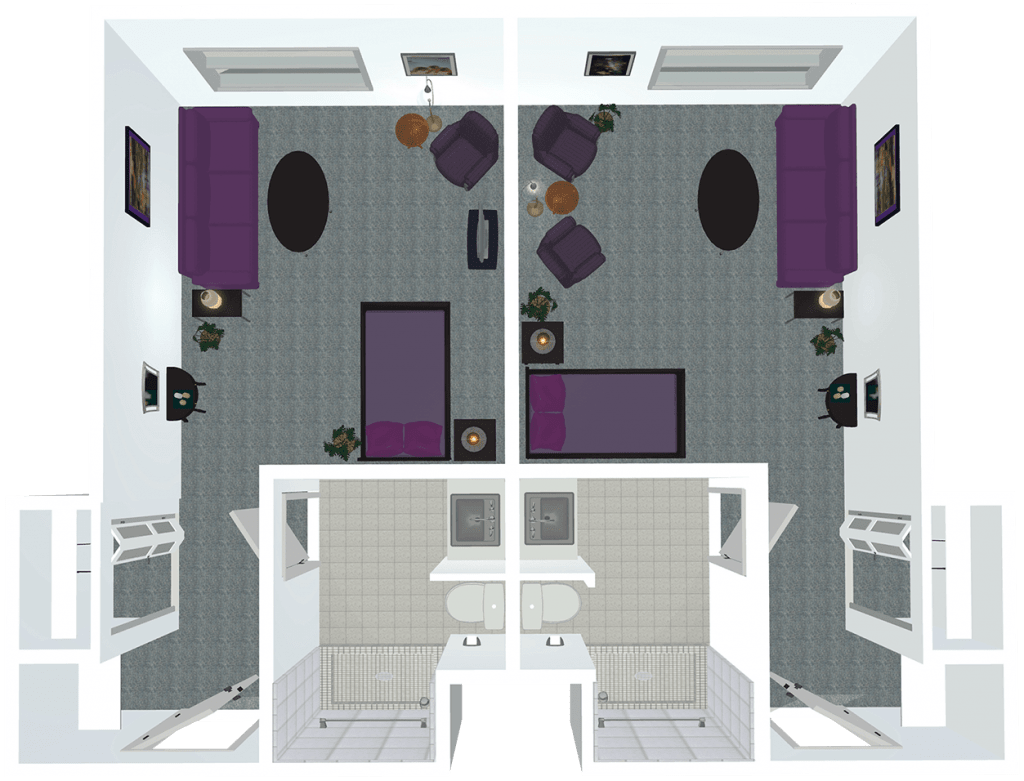
Floor plans
Madison Heights Evans
Columbia County
Georgia
Semi-Private
$3,000
$2,650
$2,529
Studio
$4,895
$4,238
$3,520
Memory care communities with a similar price nearby
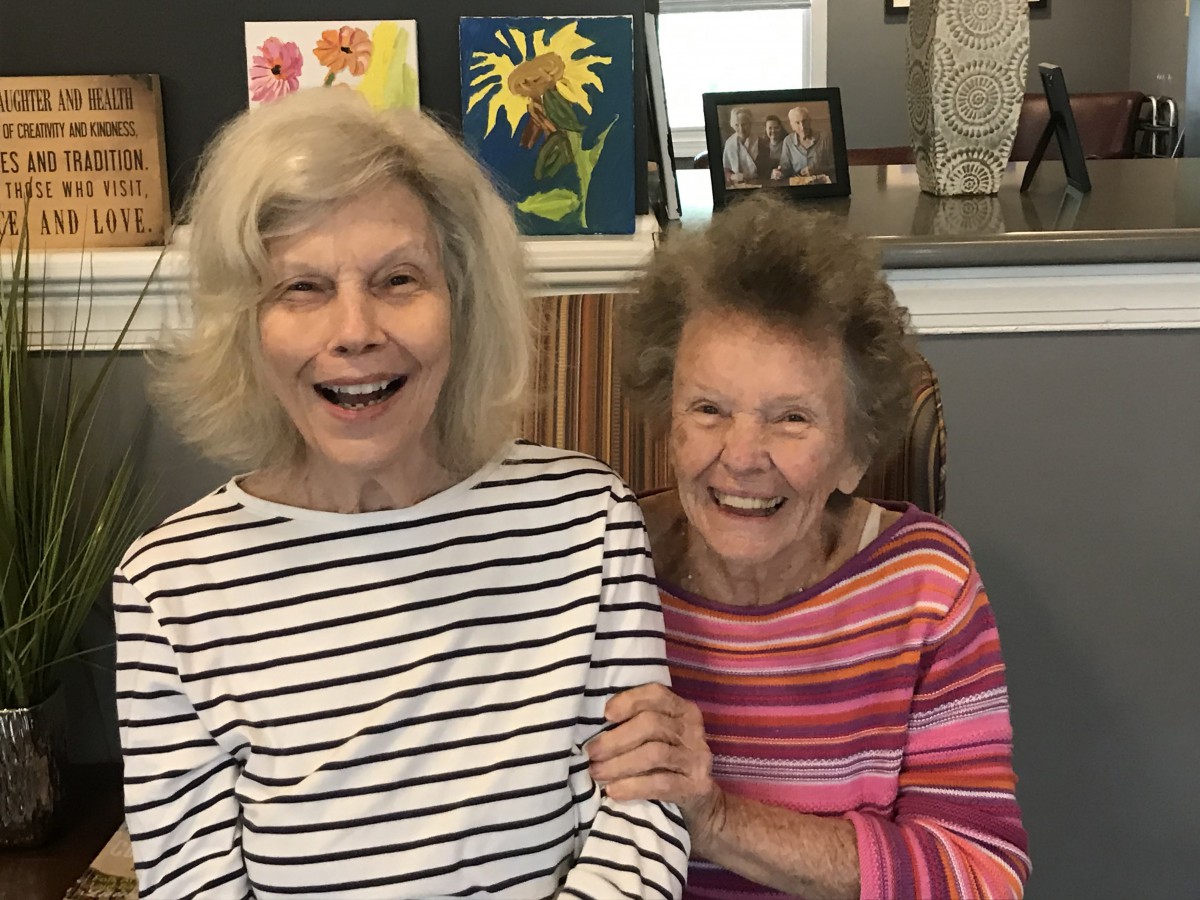
Residents and families consistently describe staff as caring and attentive.
Many reviews emphasize how staff members notice needs, respond quickly, and treat residents with compassion and respect. Several families describe steady involvement during daily life, including helping with meals, personal care, and keeping residents comfortable. A number of reviewers also mention communication with family members, including keeping loved ones updated and sending photos or messages after visits.
differentiator14 reviews mention this
Memory-care tailored environment
The community is focused on Alzheimer’s and dementia care.
Reviews repeatedly point to the community’s Alzheimer’s and dementia-only focus as a reason families felt their loved ones were in the right setting. Residents are described as engaging better over time, with families noting improvements in mood, personality, and daily functioning. Several reviewers also mention dementia care adjustments, like staff handling changes noticed by nurses and caregivers.
common34 reviews mention this
Activities keep residents engaged
Ongoing activities are a major part of daily life here.
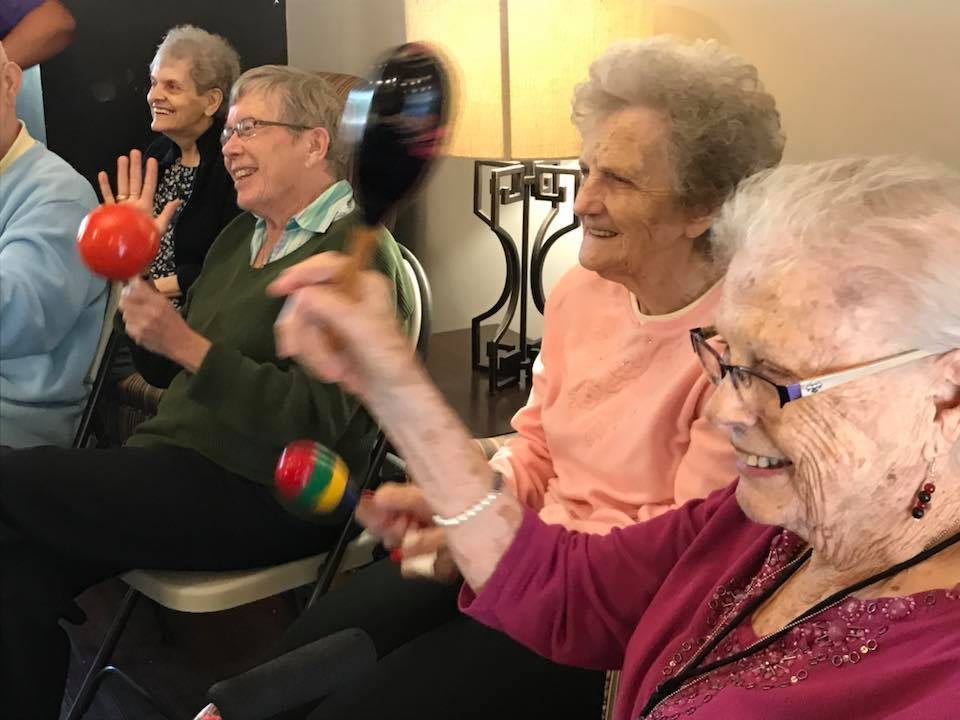
Across reviews, residents are described as staying busy with scheduled activities inside the building and outings in the community. Families mention art classes, music and dancing, pet-focused events, field trips, games, and seasonal celebrations. Several reviewers say the activity program helps reduce time spent watching TV and gives residents a reason to get up and participate.
common22 reviews mention this
Food quality earns frequent praise
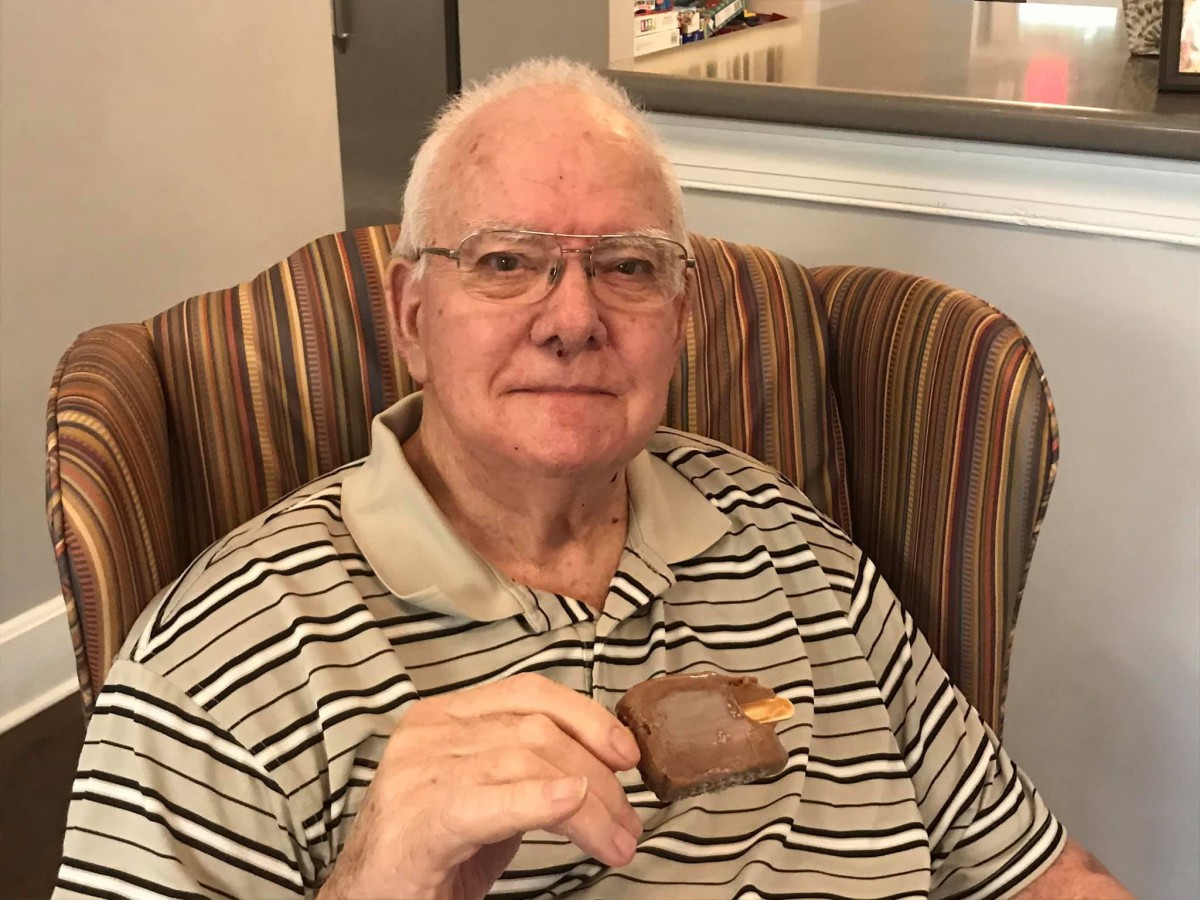
Families often praise the food and meals provided.
Many reviews describe the meals as enjoyable, well-balanced, and something residents look forward to. Some mention particular dining experiences, including staff pride in meals and food that supports weight maintenance or improved eating. A few reviews note limitations, including meal preferences not always matching what a resident is used to, but families describe staff adjusting after concerns were raised.
caveat10 reviews mention this
Price feels mixed for families
Pricing is described as high by some families.
While several reviews frame cost as competitive or even lower than other memory care options, others call it expensive or the biggest mistake they made. A few reviewers compare pricing to their alternatives or mention it being similar to other places, while one notes a specific starting cost during a visit. Overall, the reviews show that price satisfaction depends on what families expected and what their care needs required.
How we summarize
Counts show how many written reviews mention each theme; a review can touch several themes, and only frequently mentioned themes are displayed.
Features
Housing
21 resident community capacity
Studio apartments
Types of Care
Memory Care
Amenities
Activities off-site
Activities on-site
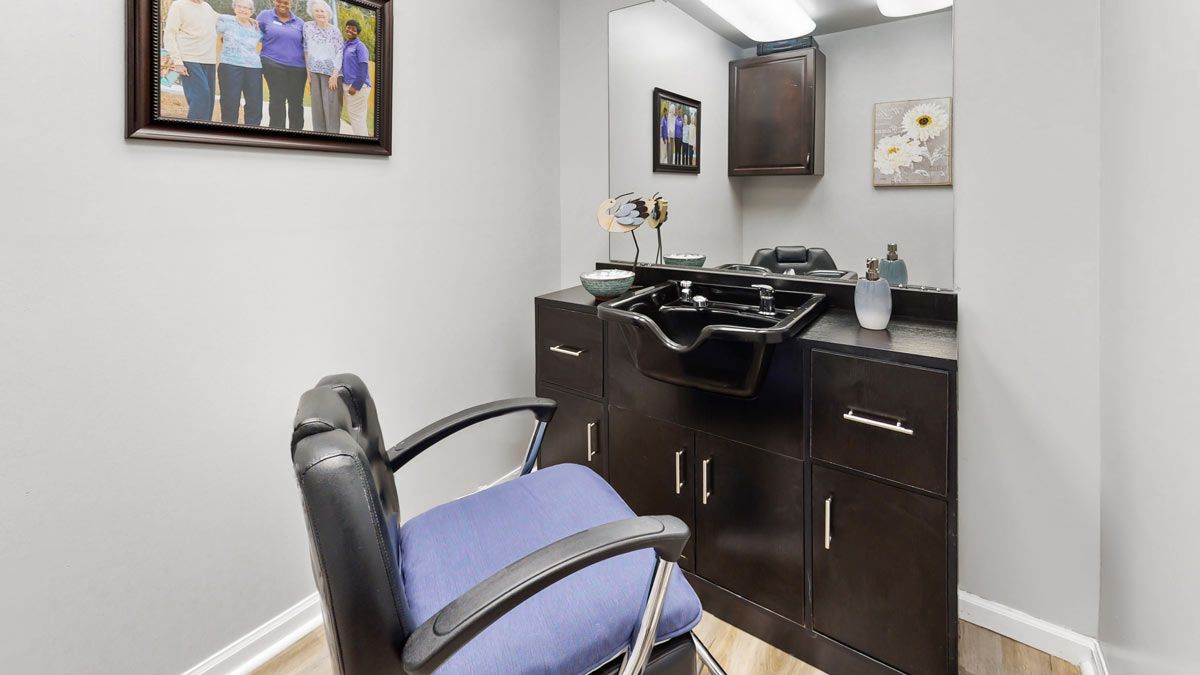
Beautician on-site
Beauty salon
Cable or satellite TV
Devotional services off-site
Devotional services on-site
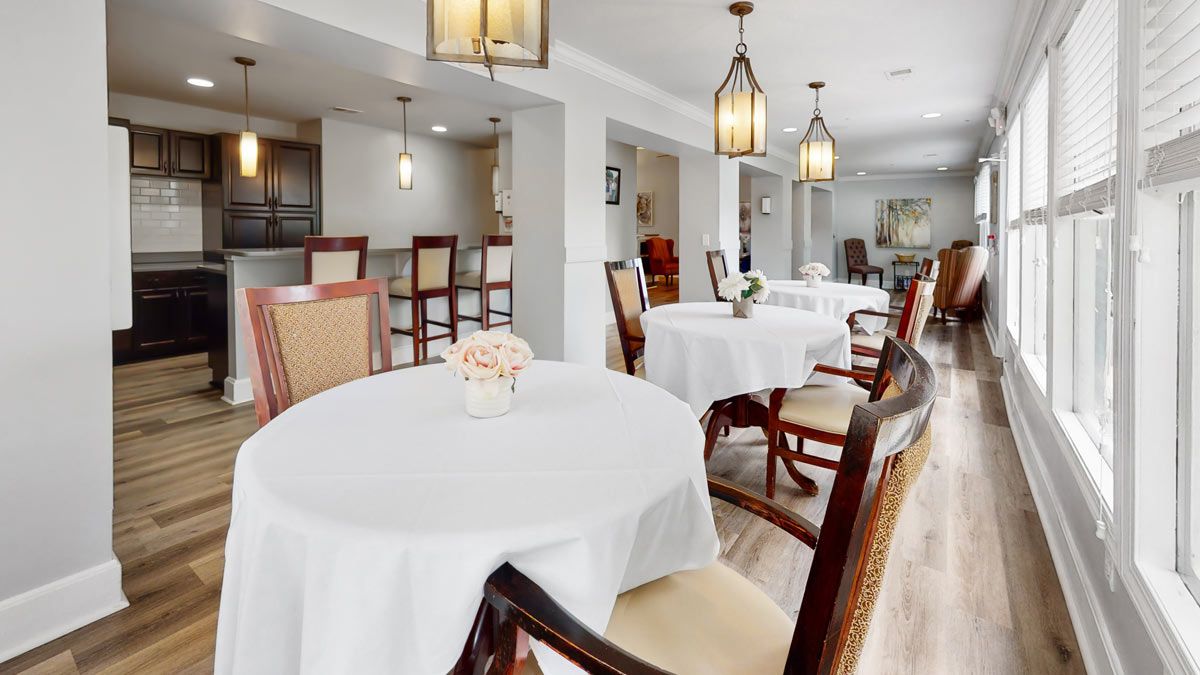
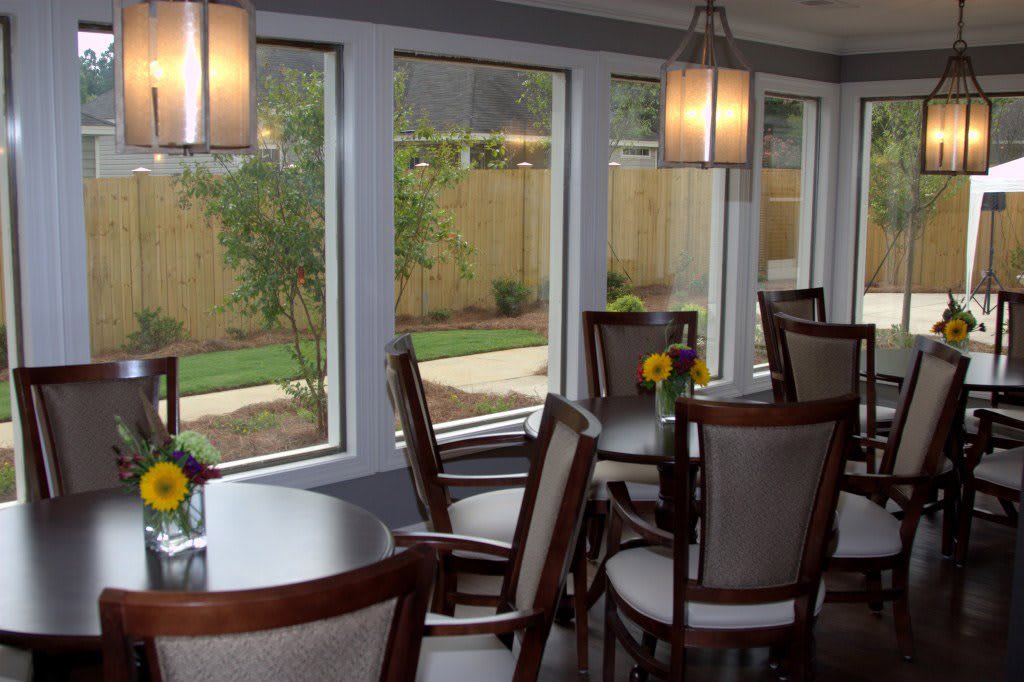
Dining room
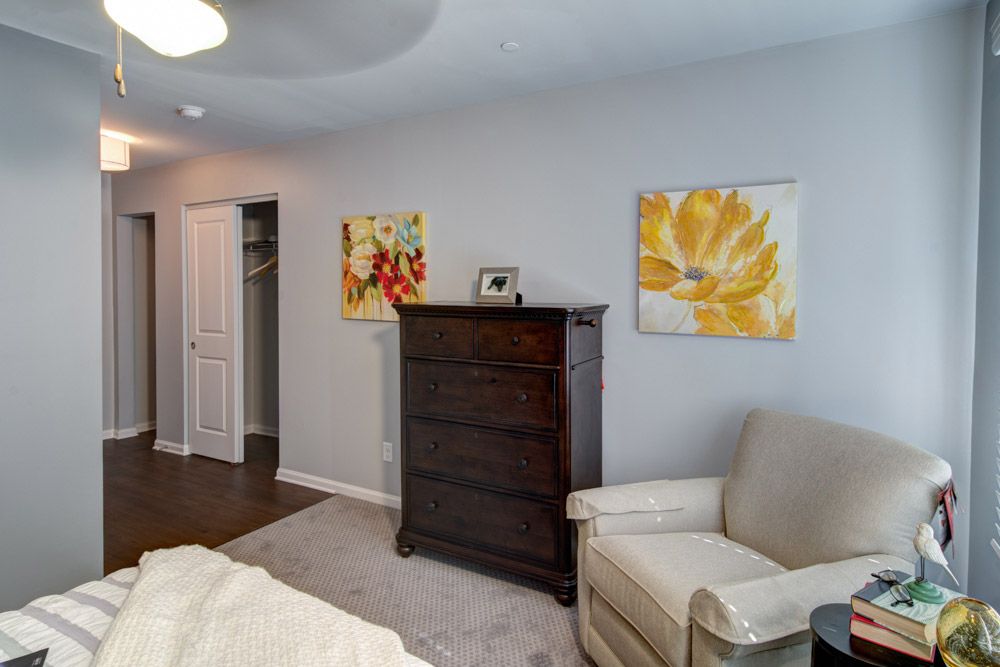
Fully furnished
Garden
Housekeeping services
Indoor common areas
Kitchenette
Move-in coordination
Outdoor common areas
Outdoor space
Respite or short term stays offered
Telephone
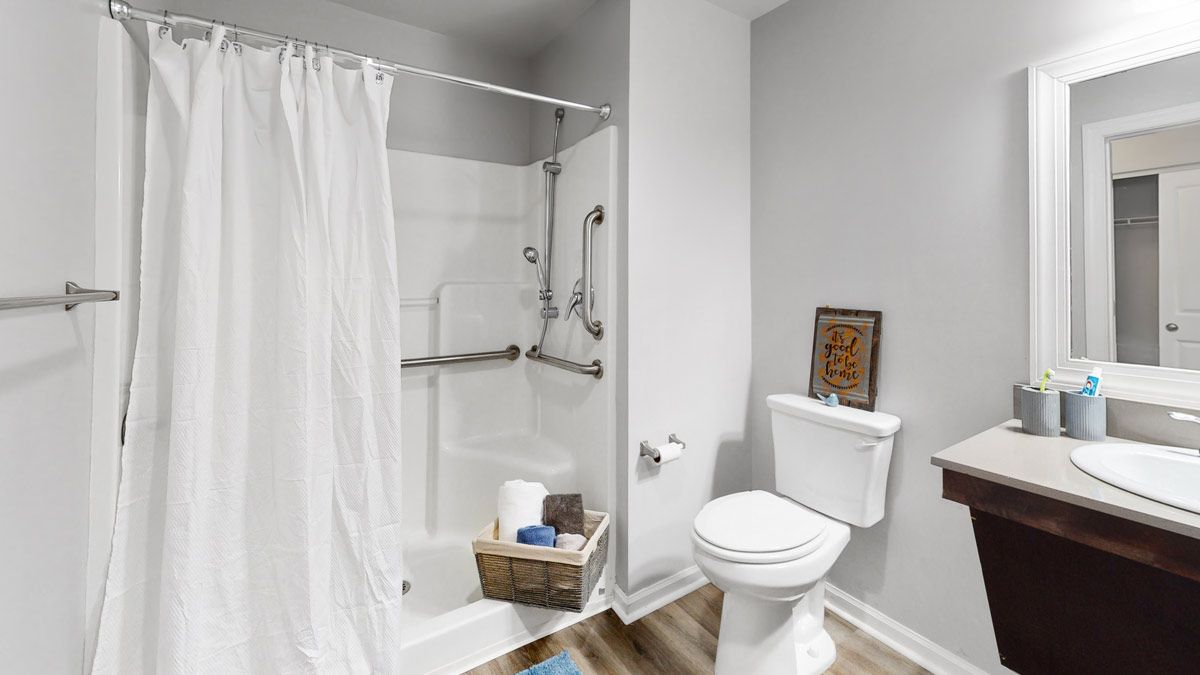
Wheelchair accessible showers
Wi-Fi/high-speed internet available
Transportation
Bush (19 miles away)
Care Services
24-hour call system
24-hour supervision
Activities of daily living assistance
Ambulatory care
Assistance with bathing
Assistance with dressing
Assistance with transfers
Coordination with health care providers
Diabetes diet
Diabetic care
Incontinence care
Meal preparation and service
Medication management
Mental wellness program
Mild cognitive impairment
Special dietary restrictions
Specialized memory care programming
Transportation arrangement (medical)
Transportation to doctors appointments
Dining
Diabetes diet
Guest meals
Kosher
Meals provided
Special dietary restrictions
Vegetarian
Activities
Activities off-site
Activities on-site
Art classes
Community-sponsored activities
Day trips and outings
Devotional activities offsite
Devotional activities on-site
Gardening club
Karaoke
Pet-focused programs
Reminiscence programs
Resident-run activities
Scheduled daily activities
Sensory-based programs
Trivia games
Nearby Places of Interest
This part of Evans, Georgia offers a convenient and diverse range of amenities for senior living. With several restaurants located within a short distance, including Zaxby's and Top China II, residents have easy access to dining options. The area also features multiple pharmacies such as CVS Pharmacy and Walmart Pharmacy, ensuring convenient access to healthcare needs. For leisure activities, residents can enjoy nearby parks like Blanchard Woods Park and Evans Towne Center Park for outdoor recreation. There are also several physicians' offices in the vicinity, providing medical care close to home. Additionally, places of worship like Journey Community Church and Kiokee Baptist Church offer spiritual support for residents. Overall, this area provides a well-rounded lifestyle for seniors looking for a comfortable and convenient living environment in Evans, Georgia.
Restaurants
Zaxby's (0.3 miles)
Top China II (0.4 miles)
McDonald's (0.4 miles)
Bojangles' Famous Chicken 'n Biscuits (2.6 miles)
Garlic Clove Italian Eatery (2.7 miles)
Hokkaido (3 miles)
Salsa's (3 miles)
Pharmacies
CVS Pharmacy (0.3 miles)
Walmart Pharmacy (3 miles)
Walgreens (4 miles)
CVS Pharmacy (4.1 miles)
CVS Pharmacy (5 miles)
CVS Pharmacy (5 miles)
Walgreens (5 miles)
Cafes
Starbucks (0.4 miles)
Panera Bread (5.5 miles)
Starbucks (6.3 miles)
Parks
Blanchard Woods Park (1.3 miles)
E.R. Park (3.7 miles)
Evans Towne Center Park (3.8 miles)
Patriots Park (4.1 miles)
Lakeside Park (5.7 miles)
Physicians
Usera, Gianina University Physicians Endocrinology (1.7 miles)
At Madison Heights Evans, the monthly costs for care reflect a higher tier of service compared to both Columbia County and the wider state of Georgia. For a semi-private room, residents can expect to pay $3,000, which is notably above the county's average of $2,650 and significantly higher than the state average of $2,529. The discrepancy in pricing becomes even more pronounced with studio accommodations; at Madison Heights Evans, these are priced at $4,895 - considerably more than Columbia County's average of $4,238 and the state average of $3,520. This indicates that while Madison Heights Evans offers an elevated standard of living or additional amenities that justify these costs, prospective residents should weigh their options against other local facilities and consider what best meets their needs.
Madison Heights Evans offers a comprehensive suite of features designed to enhance the quality of life for residents experiencing various stages of dementia or Alzheimer's disease. The provision of 24-hour supervision ensures that residents are continuously monitored, fostering a safe environment conducive to memory care. Assistance with daily living activities--including bathing, dressing, and transfers--promotes independence while addressing personal needs sensitively. Care coordination with healthcare providers guarantees that medical concerns are effectively managed, complemented by medication management to prevent complications associated with dementia treatments. The facility also emphasizes mental wellness through programs tailored for cognitive engagement and sensory stimulation, which can alleviate anxiety and encourage social interaction. Meal preparation and service consider dietary needs integral for overall well-being, including specialized incontinence care when necessary. In addition, transportation arrangements for medical appointments ensure that residents maintain access to essential health services. Each of these components is meticulously integrated into the memory care programming at Madison Heights Evans, enhancing both physical health and emotional support for those navigating the challenges of cognitive decline.
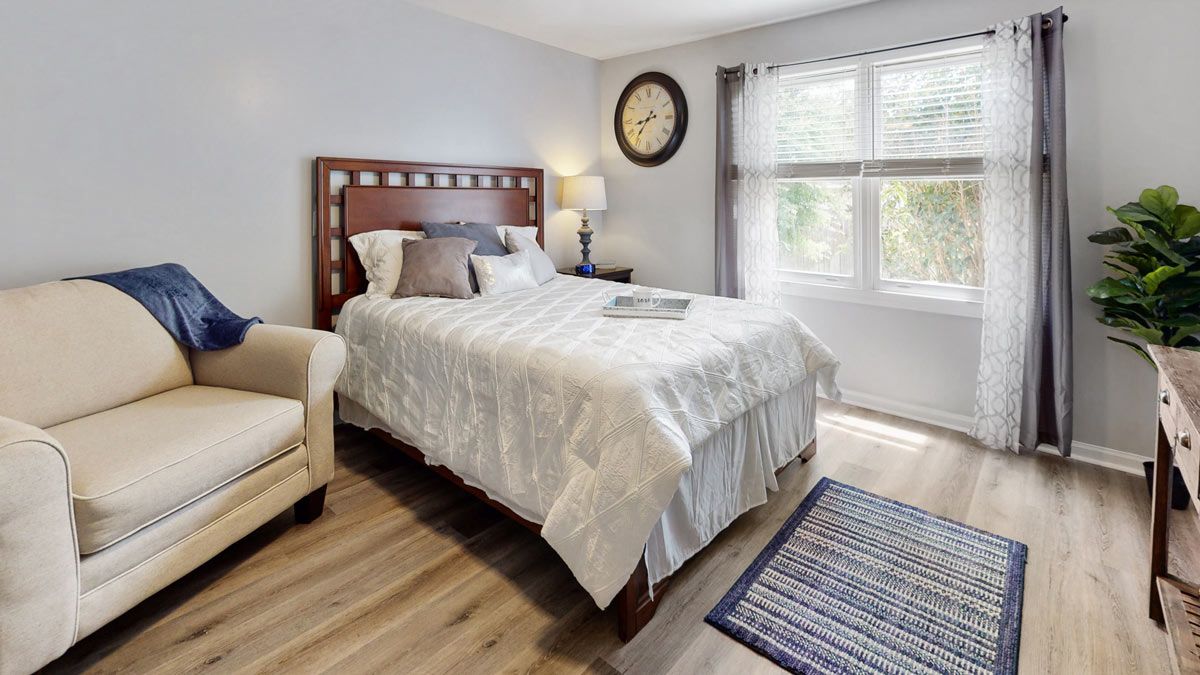
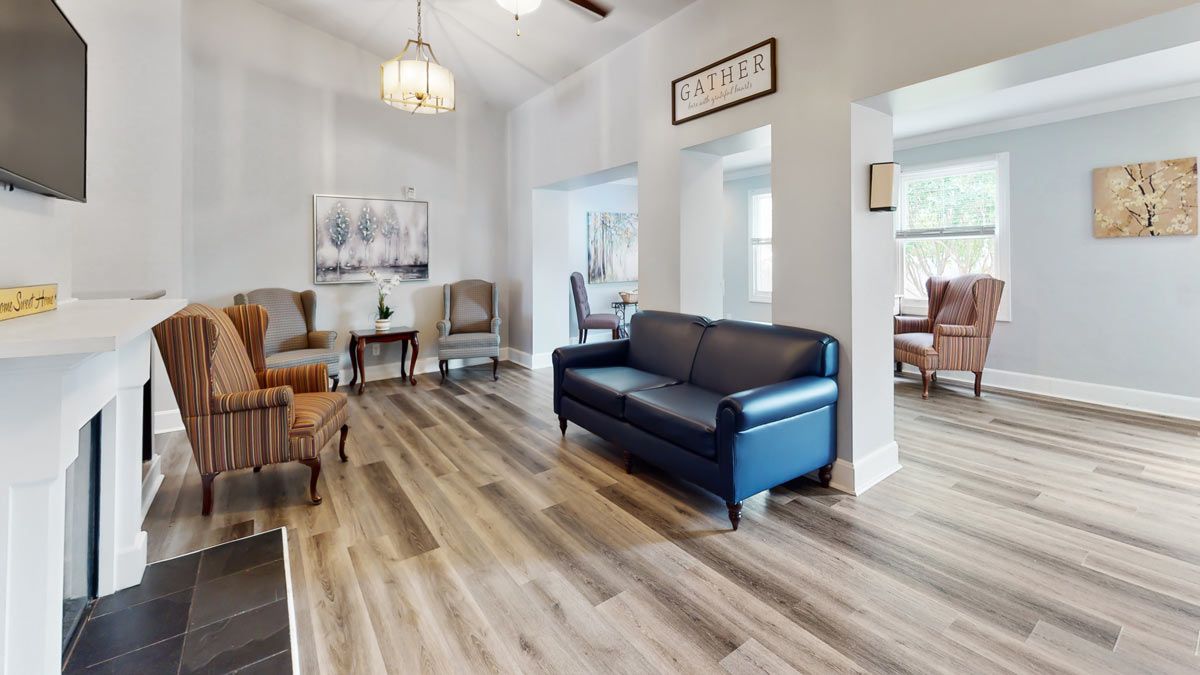
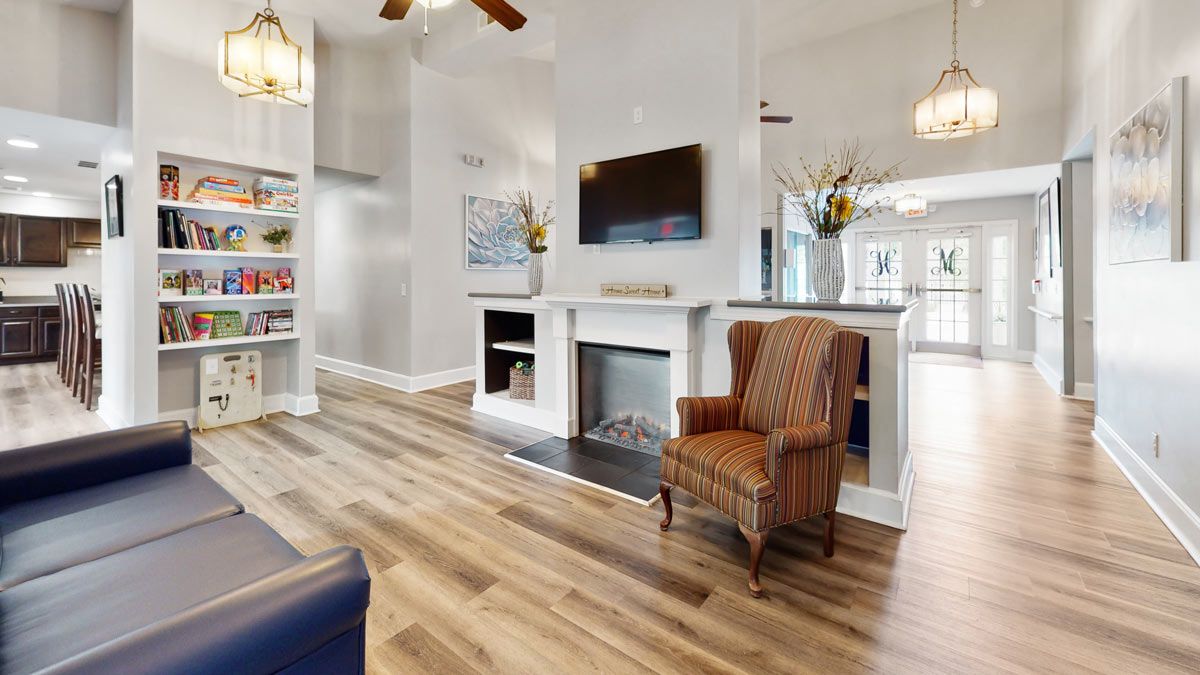
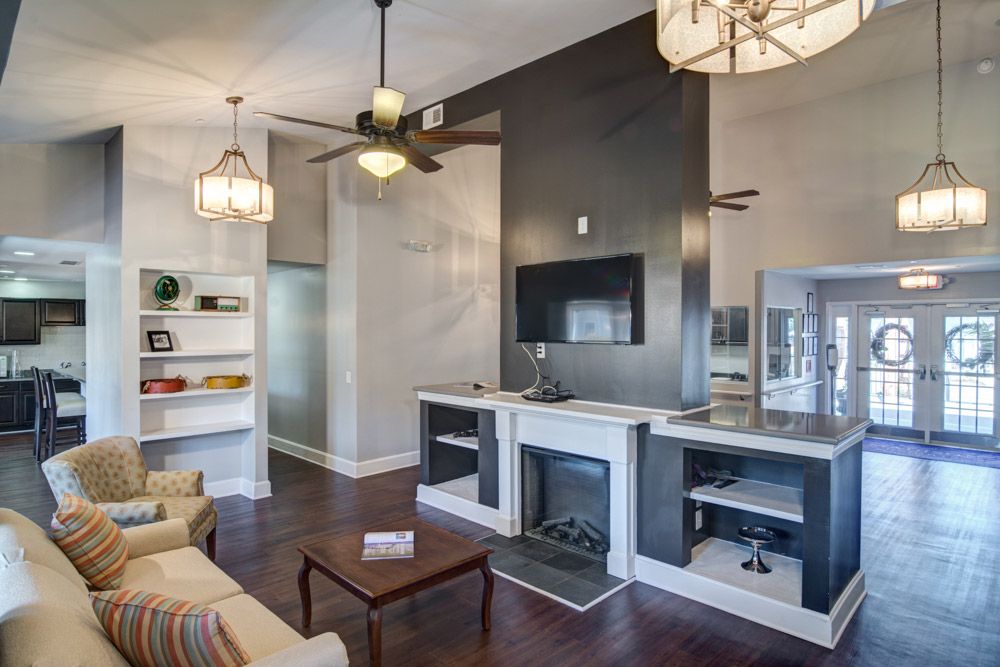
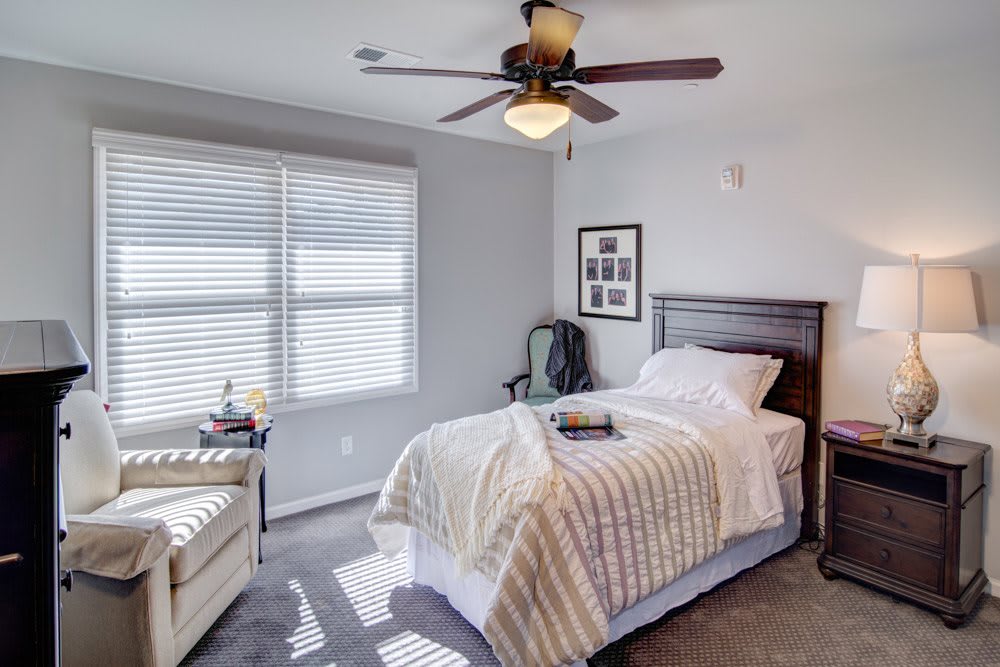
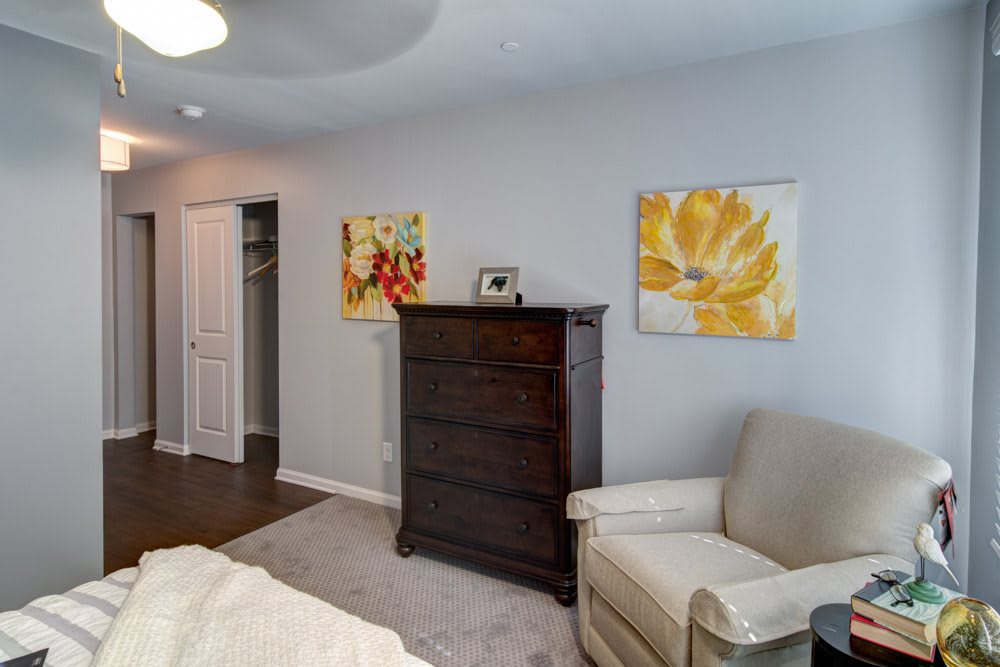
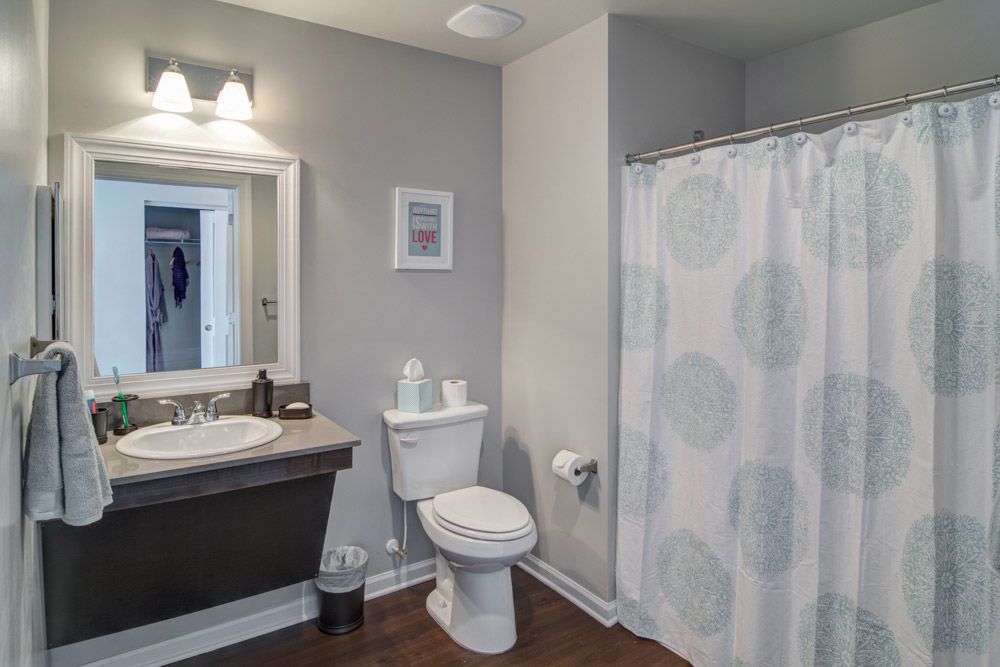
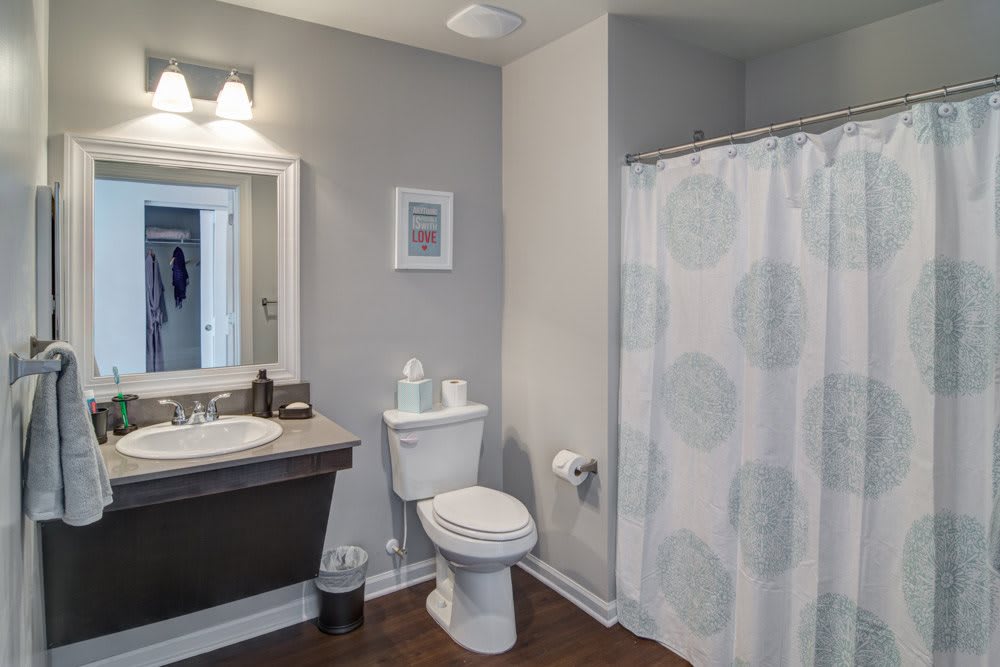
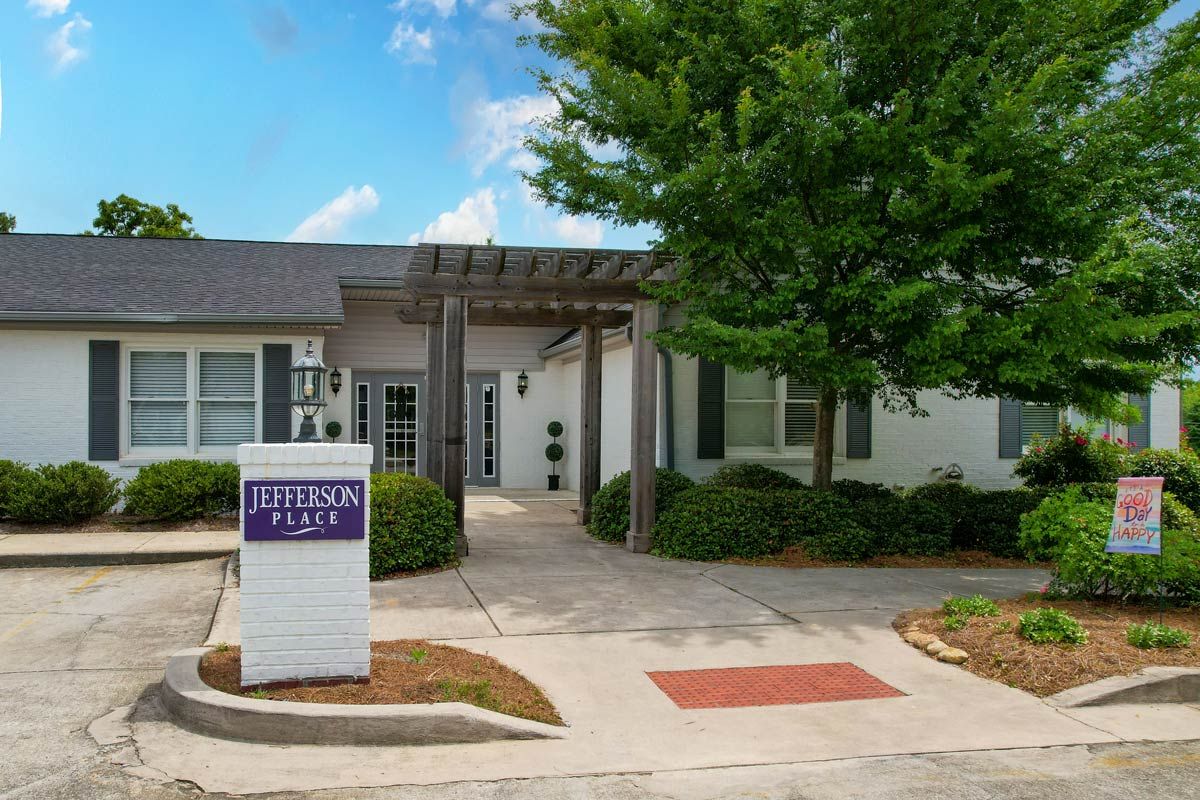
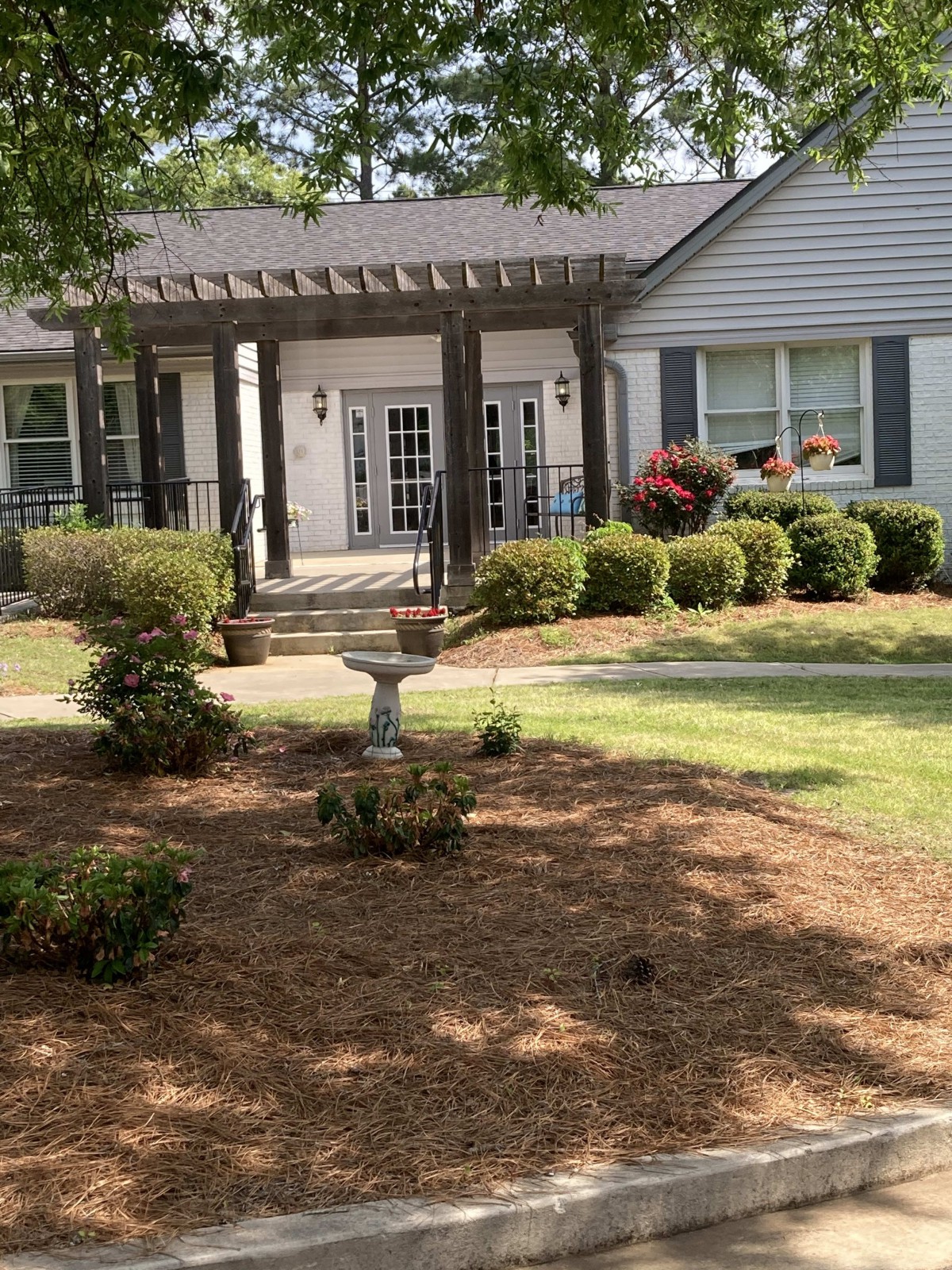
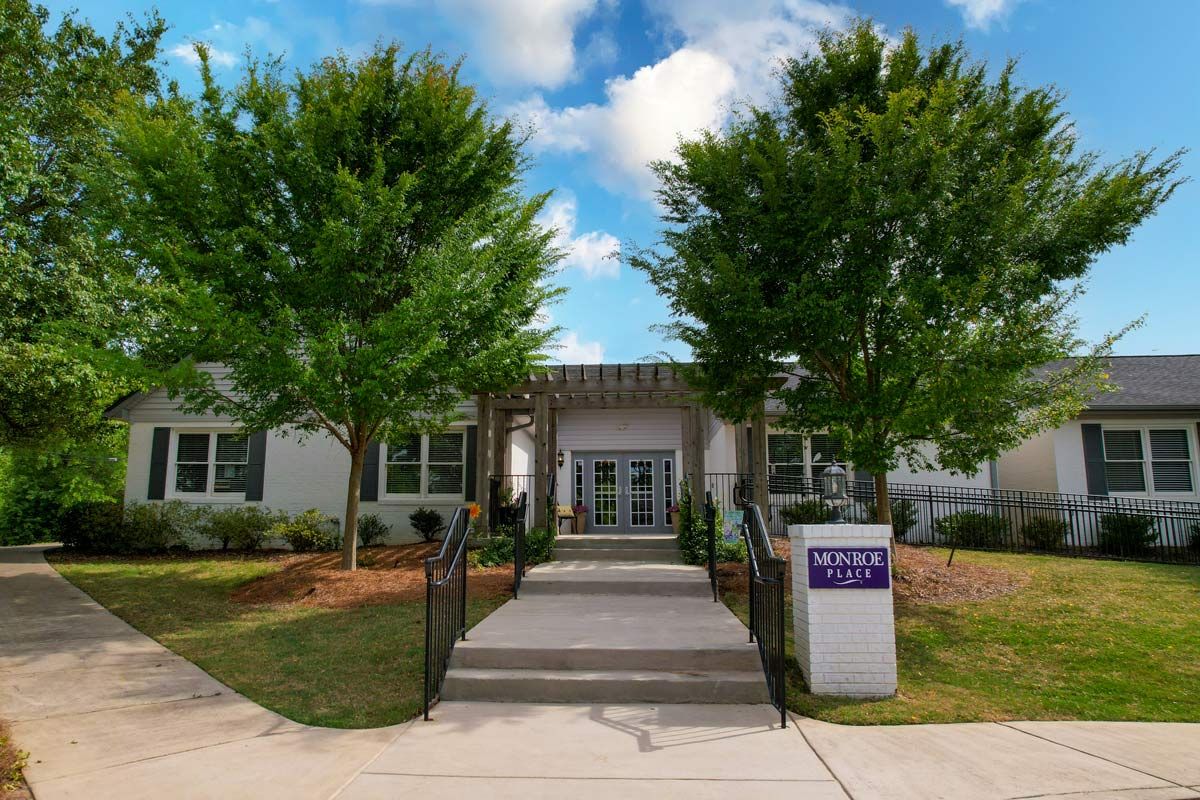
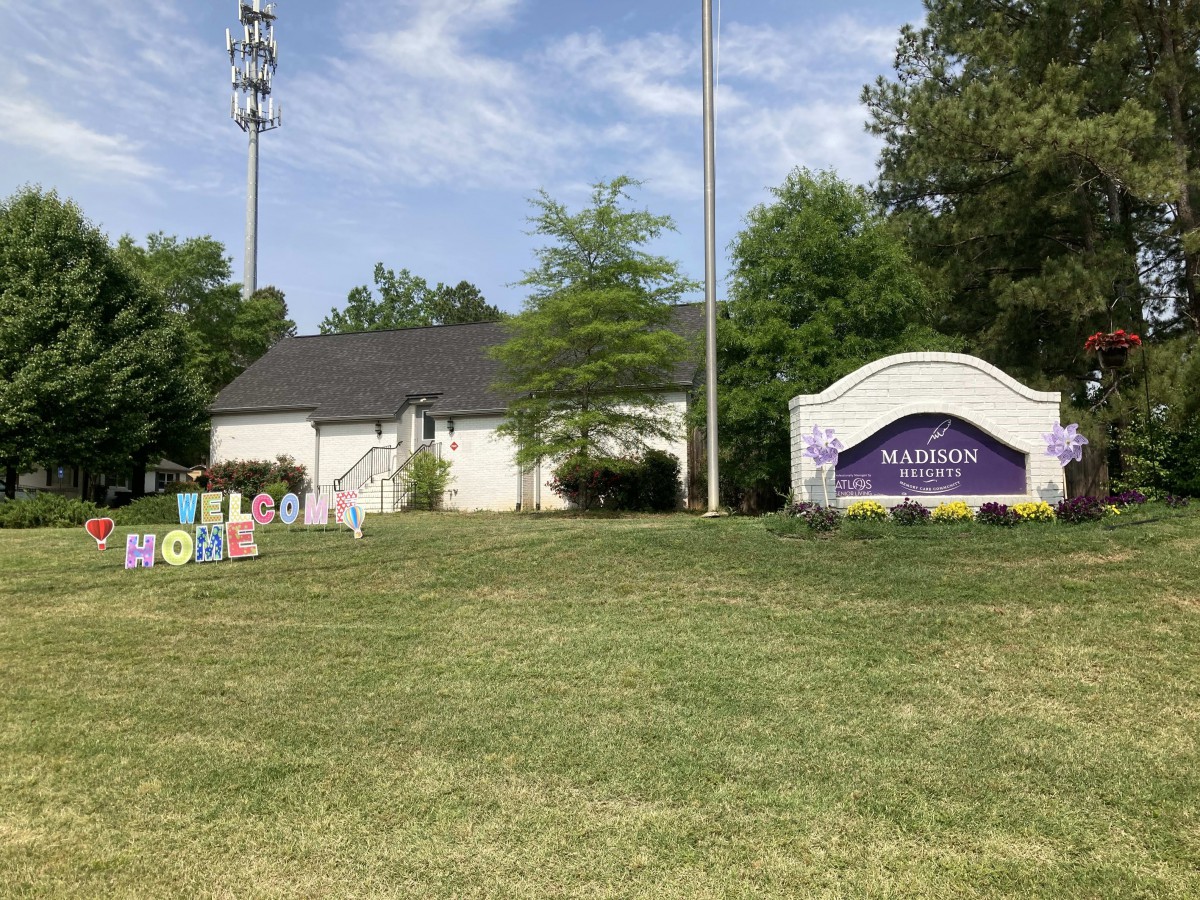
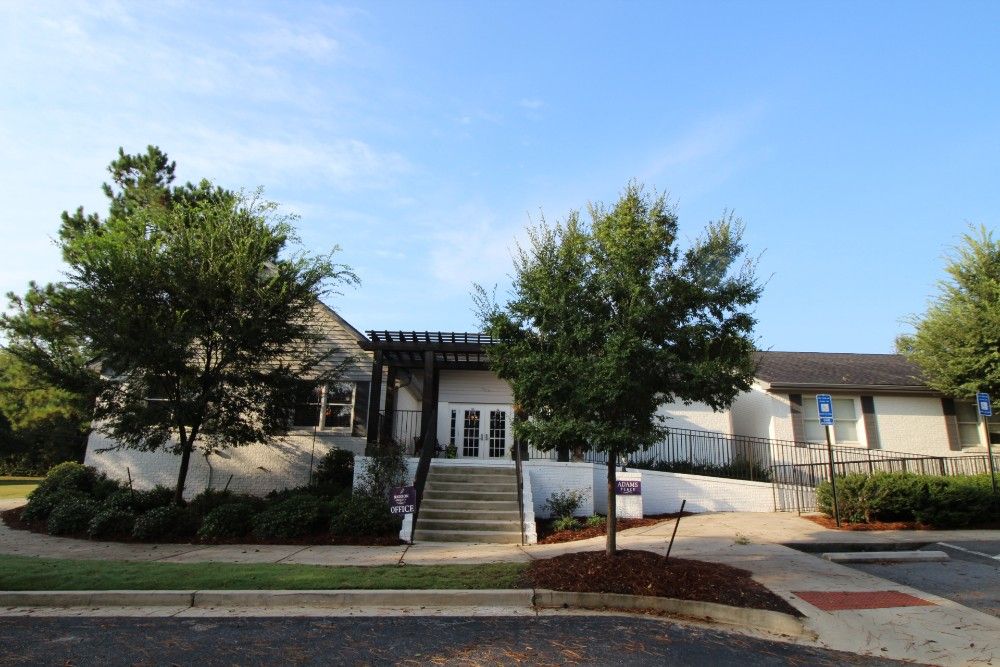
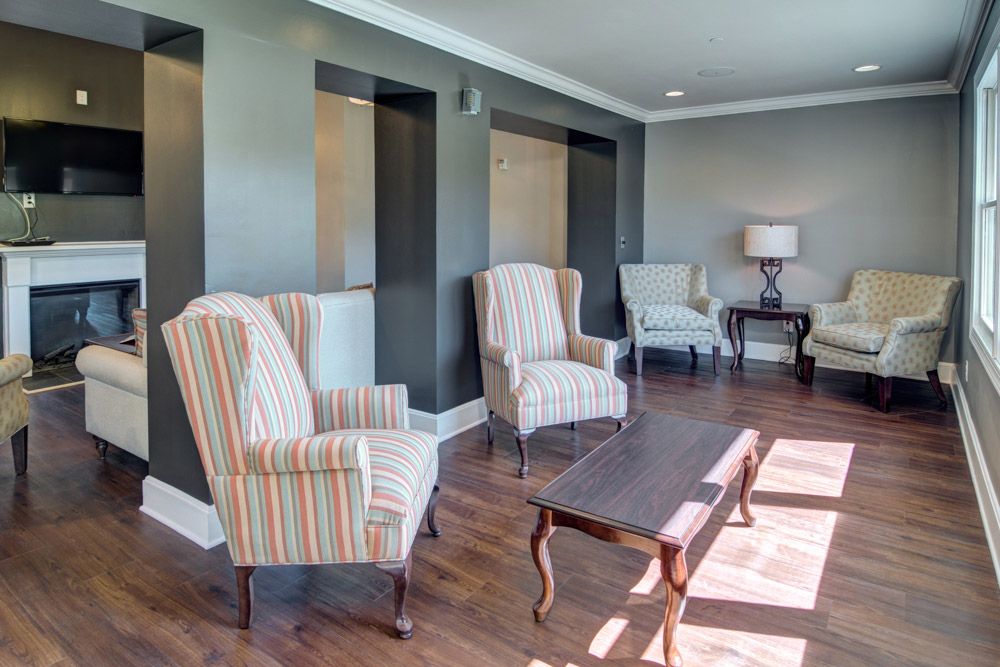
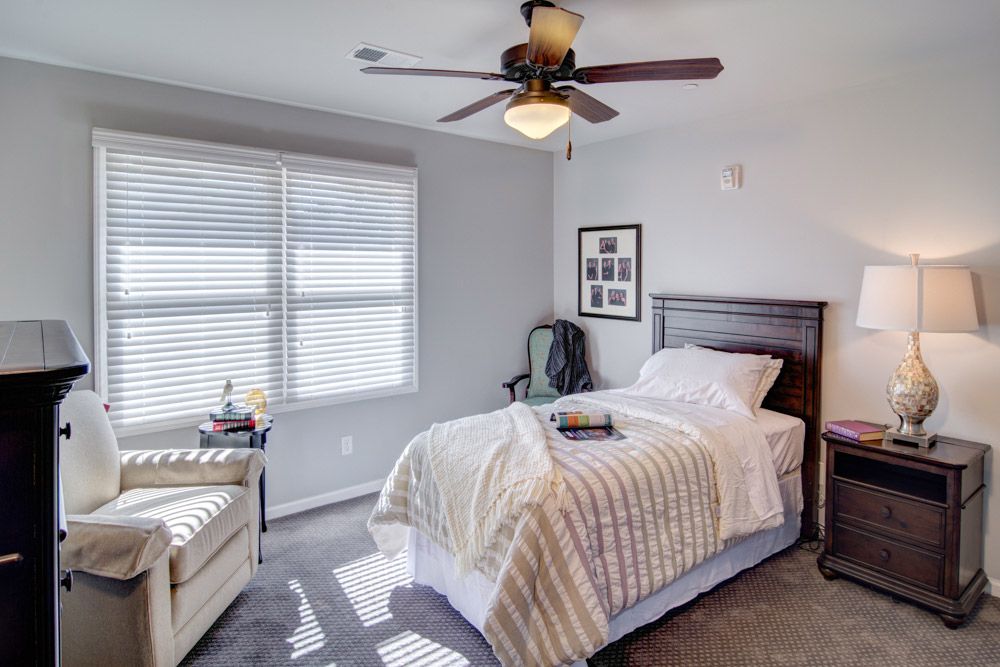
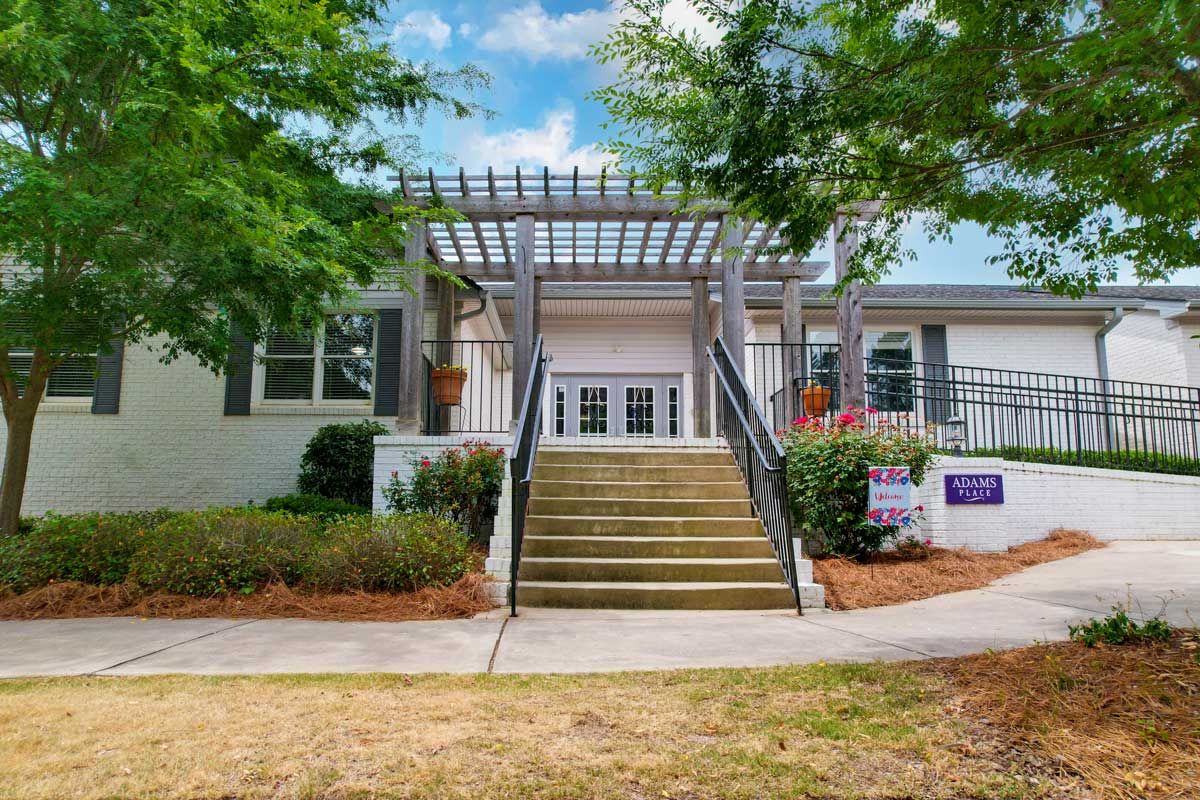
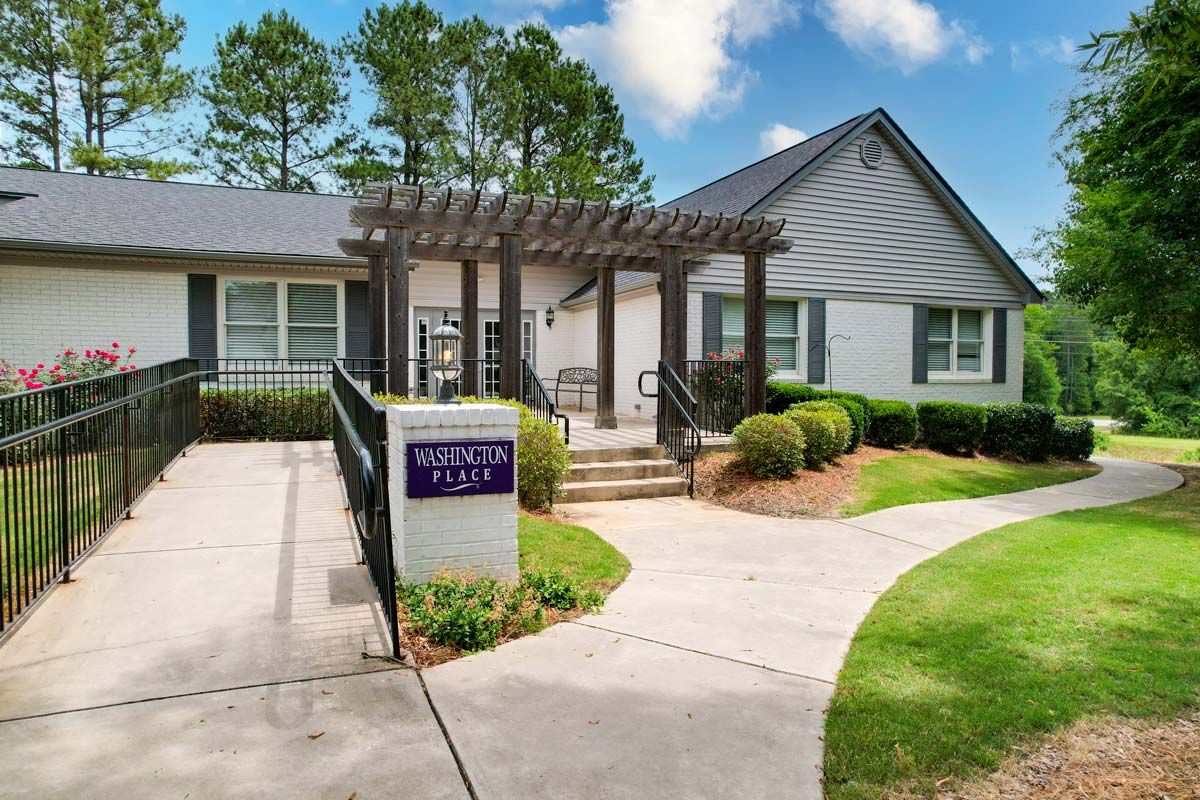
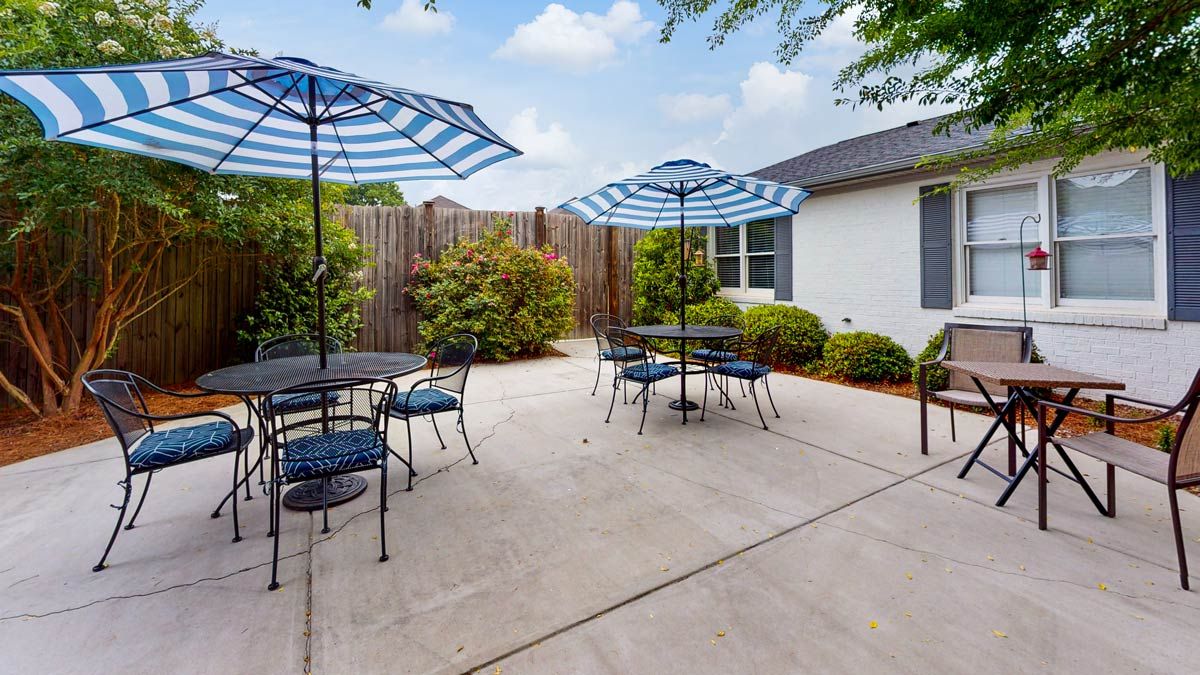
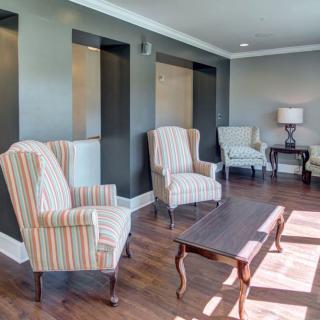
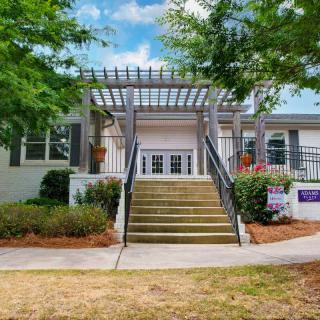
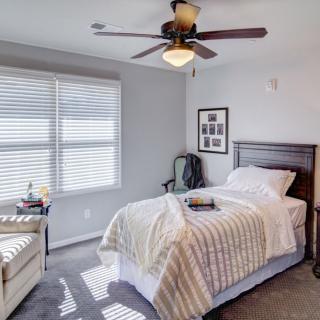
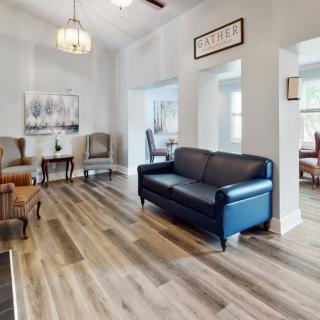
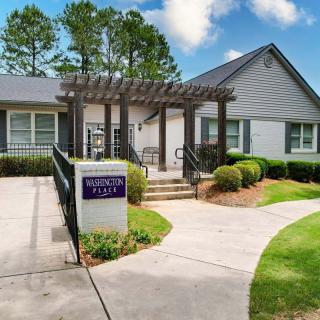
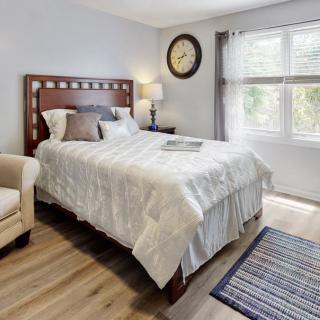
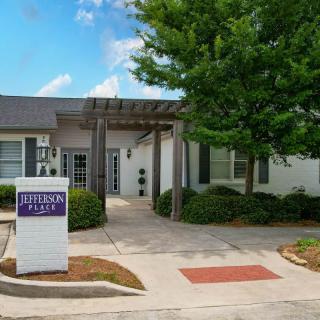
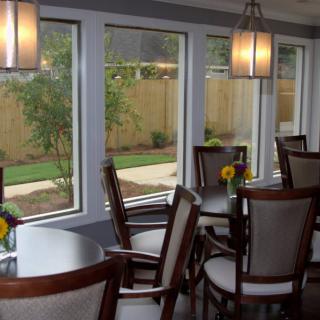
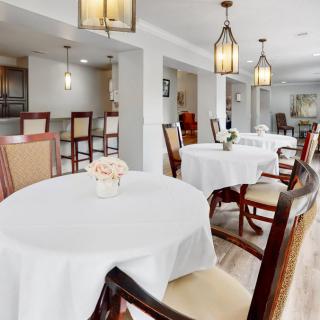
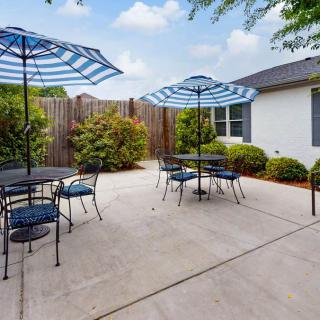
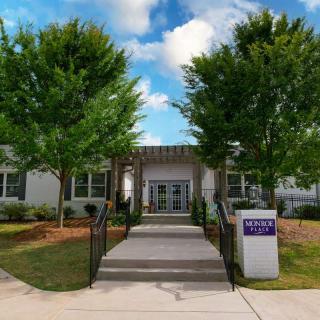
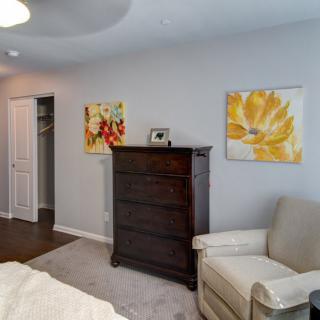
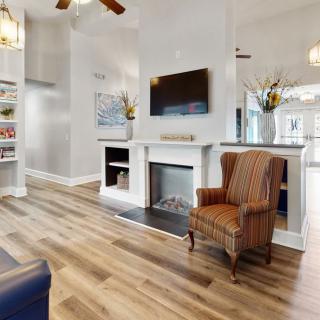
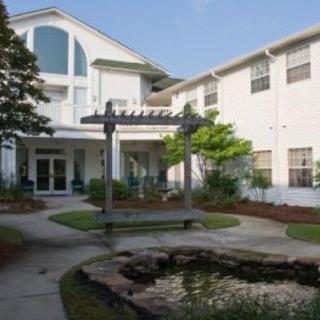
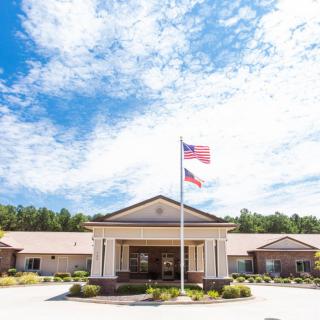
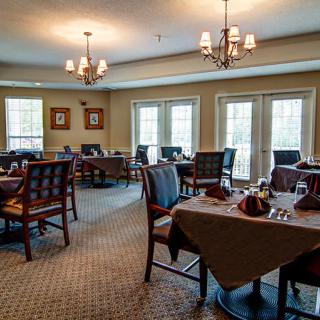
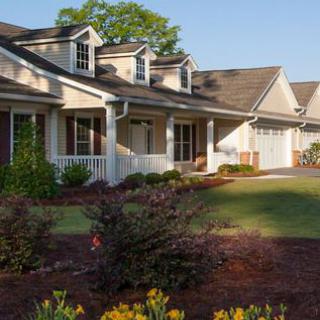
Madison Heights Evans on seniors.fyi includes 32 photos including images showing interior, bathroom, decor, landscaping, bedroom, trees, living room, building, and more.
Nearby Communities
Knob Hill
Evans, GA
5 from 1 review
$1,500 to $2,999 / month
Caring, attentive staff; good meals and engaging activities.
The Ostolaza Residence Pch
Evans, GA
4.3 from 6 reviews
$5,500 to $6,500 / month
Caring, attentive staff and a warm, home-like environment.
Soto Home #16
Evans, GA
Fully furnished assisted living with 24/7 supervision, ADL support, meals, medication management, health-care coordination, and transportation to appointments.
Davis Elderly Care
Evans, GA
1 from 1 review
Small, home-like setting with personalized care, meals, and daily activities.
Waverly Gardens of Evans
Evans, GA
3.4 from 14 reviews
$2,100 to $2,800 / month
Caring staff in a clean, intimate setting that supports personalized attention.
Dementia is characterized by cognitive decline, with nutrition playing a vital role in brain health; while no specific diet can prevent or reverse it, a nutrient-dense diet rich in antioxidants and healthy fats may support cognitive function. The MIND diet, which emphasizes beneficial foods and limits processed items, along with proper hydration and individualized meal strategies, can enhance the well-being of dementia patients.
Dementia affects memory and cognitive function in older adults, presenting challenges for caregivers due to behavioral changes such as confusion and mood swings. Compassionate, person-centered care that considers individual history and preferences, along with effective communication and environmental modifications, is essential for supporting both patients and their caregivers.
Dementia leads to cognitive impairment and can cause emotional and behavioral changes, including aggression that arises from frustration, confusion, or fear. Effective coping strategies for caregivers include understanding dementia's nature, recognizing triggers, using empathetic communication, and employing non-pharmacological interventions like music and art therapy.
Get PricingAsk A QuestionSchedule A TourContact Senior Advisor
By clicking submit, you agree to our Partner's Terms of Use. You
also consent to receive calls and texts, which may be autodialed, from our Partner. Your consent is not a condition to
using our Partner's service. Please visit our Partner's Privacy Policy for information about their privacy practices.




 21 resident community capacity
 Studio apartments
 Memory Care
 Activities off-site
 Beautician on-site
 Cable or satellite TV
 Devotional services off-site
 Dining room
 Fully furnished
 Garden
 Housekeeping services
 Indoor common areas
 Kitchenette
 Move-in coordination
 Outdoor common areas
 Respite or short term stays offered
 Telephone
 Wheelchair accessible showers
 Wi-Fi/high-speed internet available
 Bush (19 miles away)
 24-hour call system
 Ambulatory care
 Assistance with bathing
 Assistance with dressing
 Assistance with transfers
 Diabetes diet
 Diabetic care
 Incontinence care
 Meal preparation and service
 Medication management
 Mental wellness program
 Special dietary restrictions
 Transportation arrangement (medical)
 Transportation to doctors appointments
 Art classes
 Day trips and outings
 Karaoke
 Pet-focused programs
 Sensory-based programs
 Trivia games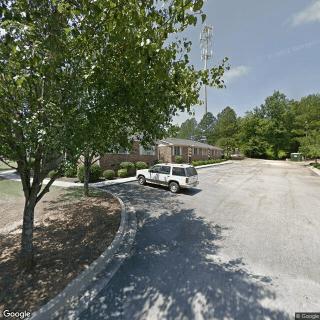
 Caring, attentive staff; good meals and engaging activities.


 Nourishing the Mind: Essential Dietary Approaches for Dementia
 Understanding Dementia Behaviors: Practical Insights and Strategies for Caregivers
 When Dementia Sparks Anger and Aggression: Understanding the Connection and Ways to Cope