
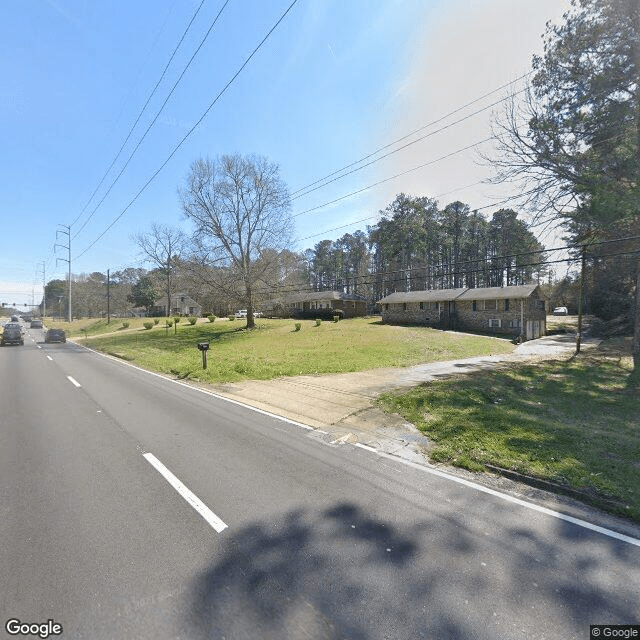
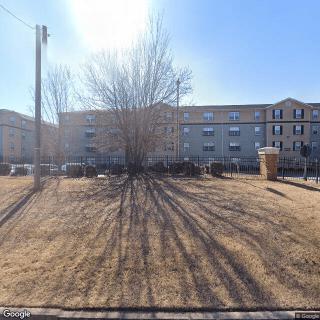
5181 Covington Highway, Decatur, GA 30035
For more information about senior living options: (866) 208-4318
Adam And Eve Pch 2 Costs & Pricing
Adam And Eve Pch 2 offers a competitive pricing structure for its services, particularly when compared to the broader market in DeKalb County and the state of Georgia. For instance, a private room at Adam And Eve Pch 2 is priced at $2,000 per month, significantly lower than both the county average of $2,415 and the state average of $2,864. Similarly, their one-bedroom option at $2,500 also presents a more affordable alternative to the county's average of $2,789 and the state's rate of $3,412. However, it's worth noting that their semi-private room is priced higher at $3,000 compared to the county's more economical rate of $2,188 and the state's average of $2,529. Overall, Adam And Eve Pch 2 provides attractive options that cater to various needs while keeping costs manageable relative to local and state benchmarks.
| Floor plans | Adam And Eve Pch 2 | DeKalb County | Georgia |
|---|---|---|---|
| Private | $2,000 | $2,415 | $2,864 |
| 1 Bedroom | $2,500 | $2,789 | $3,412 |
| Semi-Private | $3,000 | $2,188 | $2,529 |
Memory care communities with a similar price nearby
-
from +$100 / mo
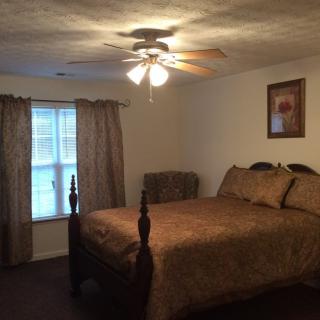
Abiding Care Home
$2,100 / month5.4 miles away -
About the same

Omni Adult Day Care
$2,000 to $3,000 / month24.7 miles away -
from +$300 / mo
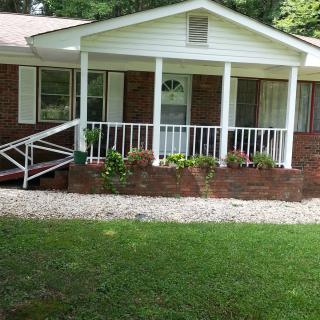
Comfort Care Personal Care Home
$2,300 / month8.4 miles away -
from +$200 / mo
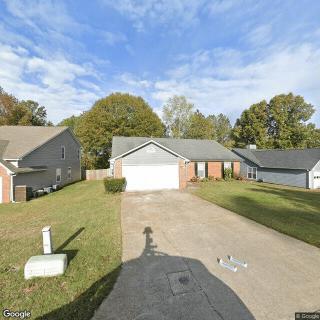
Lia's Personal Care Home
$2,200 to $2,500 / month22.7 miles away -
from +$101 / mo
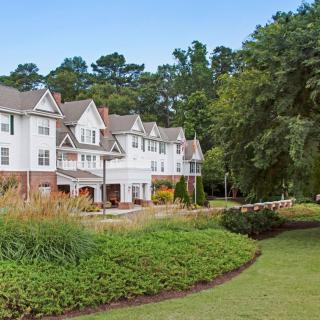
Brighton Gardens of Buckhead
$2,101 to $5,370 / month11.6 miles away
Overall Review of Adam And Eve Pch 2
Pros
 The facility is great and caring.
- The father is happy.
- The staff are appreciated for their care.
Cons
 They find it absurd that no one answers the phone after hours.
Review
Adam And Eve Pch 2 in Decatur is best suited for families seeking a small, home‑like assisted living option where staff appear genuinely caring and residents show contentment. The setting tends to favor personal attention, with caregivers who connect with residents on a relational level. It works especially well for seniors who need help with everyday tasks but do not demand a clinical, highly structured environment. When the emphasis is on warmth, individualized attention, and a sense of belonging, this community delivers; the firsthand sentiment from a family member in one review confirms that a resident felt happy and well cared for.
Those weighing alternatives should consider options that promise around-the-clock responsiveness and more formalized communication channels. If after-hours updates and rapid phone access to staff are non-negotiables, this facility may fall short. Families facing complex medical needs, frequent changes in care plans, or a preference for more constant medical oversight could find better alignment elsewhere. Similarly, if a larger community with more visible activity programming, specialized memory care, or comprehensive, on-site clinical services is desired, exploring other options would be prudent.
On the upside, the strongest pro is clearly the compassion and attentiveness of the caregiving team. A caregiver‑level warmth shines through in the praise offered by a family member who reports that “a great caring facility” exists and that their father is happy. In practice, this translates into a setting where staff likely know residents by name, respond with kindness, and foster a sense of security and belonging. That human connection, often the hinge between comfort and distress in elder care, appears robust here, and it is the main driver of positive perceptions among families.
The conspicuous con, by contrast, centers on communication gaps after hours. The sole explicit criticism notes frustration with unanswered phone calls when loved ones are in the facility’s care, implying inconsistent after-hours accessibility or a lag in updating families. This is more than a minor nuisance; for families who cannot be physically present or who rely on timely information for safety assurances, such gaps can erode confidence. The absence of additional negative reviews suggests variability in experience, but the risk is tangible enough to treat as a meaningful factor in decision making.
These dynamics suggest a practical balance: the emotional dividend of compassionate, personalized care can outweigh some logistical drawbacks for residents who are relatively stable and for families who prioritize warmth and daily consistency. However, for households where regular, proactive communication and prompt after-hours responsiveness are non‑negotiable, the cons may overshadow the pros. The two high-rated experiences imply a baseline of solid care, yet the 2‑star critique signals that reliability of communication is not universally dependable. Decision‑makers should weigh the value placed on genuine staff familiarity against the importance of always-on contact and rapid updates.
For families moving this process forward, concrete steps yield clarity. Schedule an in‑person tour during both daytime and evening hours to observe staffing levels and how the team interacts with residents in routine scenarios. Ask directly about after-hours policies: who answers calls, expected response times, and whether there is an on-site phone coverage plan or on-call clinician. Inquire about medication management, care coordination, and how often residents’ daily activity plans are updated. Finally, request a trial period or a candid feedback loop with family liaisons to gauge whether communication performance aligns with expectations before committing. This approach illuminates whether the warmth and personal attention align with the need for reliable, transparent updates.
 2 resident community capacity
 Assisted Living
 Board and Care Home
 Memory Care
 Activities off-site
 Cable or satellite TV
 Devotional services off-site
 Dining room
 Fully furnished
 Garden
 Housekeeping services
 Indoor common areas
 Move-in coordination
 Outdoor common areas
 Private
 Telephone
 Wi-Fi/high-speed internet available
 William B Hartsfield-Atlanta International (14 miles away)
 24-hour supervision
 Assistance with bathing
 Assistance with dressing
 Assistance with transfers
 Diabetes diet
 Diabetic care
 High acuity care
 Incontinence care
 Meal preparation and service
 Medication management
 Special dietary restrictions
 Transportation arrangement (medical)
 Transportation to doctors appointments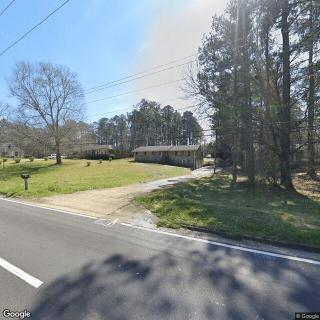
 Exploring the Power of Reminiscence Therapy for Individuals With Dementia
 An In-Depth Look at Reminiscence Therapy in Dementia Care
 Dementia-Related Hallucinations: Causes, Experiences, and Practical Approaches