
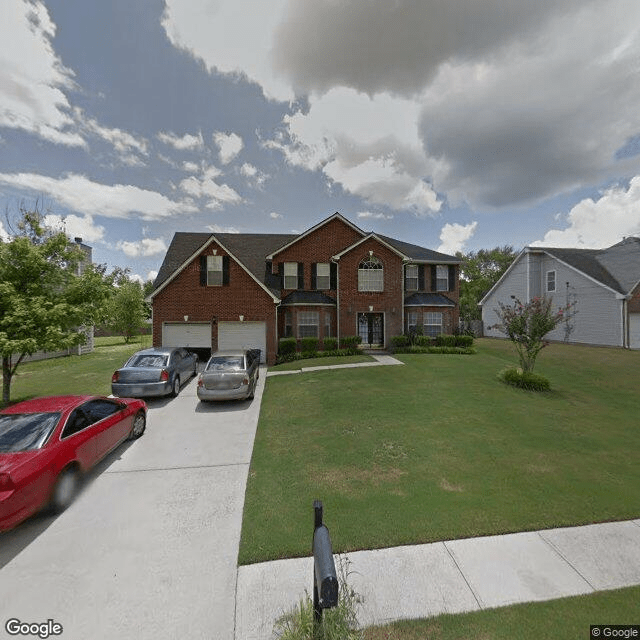
2232 Eagles Nest Circle, Decatur, GA 30035
To contact a resident: (404) 281-1563
For more information about senior living options: (866) 208-4318
Eagles Nest Personal Care Home Costs & Pricing
Eagles Nest Personal Care Home offers competitive pricing for its services, particularly when compared to the broader market in DeKalb County and the state of Georgia. For a semi-private room, residents can expect to pay $1,300 per month, which significantly undercuts both the county average of $2,188 and the state average of $2,529. Similarly, for those seeking more privacy, Eagles Nest provides private rooms at a monthly rate of $2,000 - this is notably lower than the county's average of $2,415 and the state's average of $2,864. These cost advantages position Eagles Nest as an appealing option for individuals seeking quality personal care without straining their financial resources.
| Floor plans | Eagles Nest Personal Care Home | DeKalb County | Georgia |
|---|---|---|---|
| Semi-Private | $1,300 | $2,188 | $2,529 |
| Private | $2,000 | $2,415 | $2,864 |
Senior living communities with a similar price nearby
-
from +$200 / mo
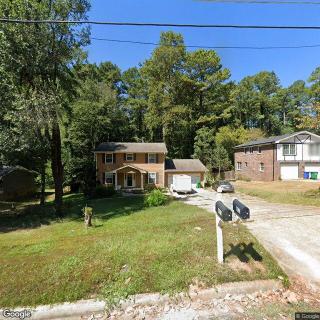
Americare Group
$1,500 / month3.5 miles away -
from -$100 / mo
Serenity Gardens Personal Care Home
$1,200 to $2,000 / month14.2 miles away -
from -$100 / mo

Kelly Lake Manor PCH
$1,200 / month4.5 miles away -
from -$100 / mo

A New Perspective
$1,200 to $1,750 / month22.9 miles away -
from +$200 / mo
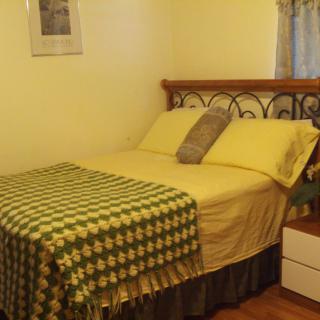
Lend A Hand Personal Care Home
$1,500 to $2,000 / month14.0 miles away
Overall Review of Eagles Nest Personal Care Home
Pros
 The home is consistently described as safe, clean, and filled with genuine compassion.
- Monique and her staff are praised for patience, warmth, and going above and beyond to care for residents.
- Families report feeling like they are visiting family, with caregivers treating loved ones with dignity and respect.
- Residents receive excellent, personalized care for conditions like dementia and post-stroke needs.
- The facility is commended for clear communication and timely updates that reassure families.
- The environment is described as calm, supportive, and well-suited to navigating memory-loss challenges.
- Some families describe the staff as heaven-sent, reflecting deep appreciation for their dedication.
Cons
 The place smells like doo-doo when you walk in.
- Monica Gibson is described as very unprofessional and ghetto.
Review
This Decatur community is best suited for seniors who want a warm, home-like setting with highly individualized attention, especially those navigating memory loss, dementia, or the aftercare needs following a stroke. The strongest signal from the reviews is a caregiving approach anchored by the owner’s direct involvement and a staff culture that treats residents as family. Families consistently note safe, clean environments where residents are greeted with genuine kindness, and where care plans are tailored to each person’s changing needs. For someone transitioning from hospital or skilled nursing to a more intimate setting, this model delivers dignity, reassurance, and a sense of relational continuity that larger facilities often struggle to provide.
Those who may want to consider alternatives are those who require a more clinical footprint or more formal nursing oversight. A larger assisted living community with round-the-clock medical staff and robust on-site nursing may be a better fit for residents needing frequent physician interventions, complex wound care, or high-acuity medical management. While the reviews largely sing the praises of compassion and connection, there is at least one note of concern about odor and perceived unprofessionalism. Such red flags, though isolated, remind families to verify day-to-day operations, staffing consistency, and the presence of licensed medical support before committing to a long-term arrangement.
The main pros, personalized attention, staff compassion, and a family atmosphere, largely offset the potential downsides in a small-home model. Families repeatedly commend the owner, Monique, and the team for answering questions, providing calm reassurance, and maintaining open lines of communication. Residents appear well cared-for, with attention to safety, room accommodations, and daily routines that honor dignity and identity. The same warmth that makes families feel at ease also translates into reliable advocacy during challenging phases of memory impairment. In practice, this means fewer battles over care quality and more consistent, relationship-based support for both residents and their families.
If evaluating this setting, focus on practical, observable indicators during a visit. Inquire about caregiver-to-resident ratios, dementia-specific training, and how care plans are updated as needs shift. Request to meet current residents and their families to gauge daily consistency, and ask specifics about meals, safety features, and activity programming. Check licensing status and confirm the home’s emergency protocols and coordination with external medical providers. A trial respite stay can be invaluable to test compatibility without a long-term commitment. A candid tour, especially during a routine meal or activity, will reveal whether warmth translates into reliable, day-to-day care.
Long-term suitability centers on whether continuity of memory-care support and emotional engagement remains the priority, not merely the initial impression. For memory-care neighbors and post-acute recovery cases who thrive on stability, routine, and genuine human connection, this model offers a steadier alternative to larger, more impersonal settings. The consistently positive feedback about responsiveness and family updates is a strong comfort for relatives worried about their loved ones’ emotional well-being. Yet the small-home format inherently limits the depth of medical specialization and may expose occasional operational gaps. For families needing comprehensive nursing, 24/7 on-site physicians, or intensive medical management, a more medically equipped option will be prudent.
Bottom line: for families prioritizing warmth, trust, and individualized attention in a small, home-like setting, this Decatur option stands out. The broad consensus across many satisfied families points to compassionate, dignified care, proactive communication, and a genuine sense of belonging for residents with memory challenges. The owner-led culture and caregivers who treat residents like family are powerful indicators of quality and consistency. At the same time, vigilance remains essential given one negative review and the inherent variability of any intimate care setting. Prospective families should schedule a thorough tour, assess cleanliness and safety firsthand, verify medical oversight matches the resident’s needs, and confirm that the care philosophy aligns with long-term goals before making a final choice.
 Board and Care Home
 Activities on-site
 Bath tubs
 Devotional services off-site
 Indoor common areas
 Outdoor common areas
 Private
 Private bathrooms
 Respite or short term stays offered
 William B Hartsfield-Atlanta International (14 miles away)
 Ambulatory care
 Diabetic care
 Incontinence care
 Meals provided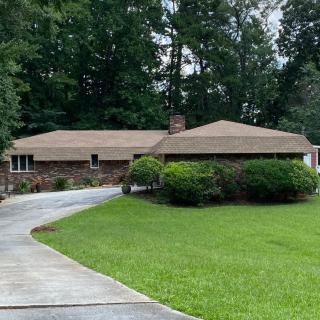



 A Comprehensive Exploration of Common Misunderstandings about Powers of Attorney
 Senior Move Management: Understanding the Role, Value, and Associated Costs
 Weight Training for Seniors: Building Strength and Vitality