
4565 Tudor Castle Dr, Decatur, GA 30035
To contact a resident: (770) 981-8801
For more information about senior living options: (866) 208-4318
Transitional Care Decatur Costs & Pricing
Transitional Care Decatur offers competitive pricing for its services, especially when compared to regional and state averages. For a semi-private room, the monthly cost is $1,899, which is notably lower than the DeKalb County average of $2,188 and even more so than the statewide average of $2,529. Similarly, for those seeking a private room, Transitional Care Decatur charges $2,200 - again less than both DeKalb County's average of $2,415 and Georgia's overall average of $2,864. These figures highlight Transitional Care Decatur not only as a cost-effective option within the local market but also as an appealing choice for families looking for quality transitional care without the burden of excessive financial strain.
| Floor plans | Transitional Care Decatur | DeKalb County | Georgia |
|---|---|---|---|
| Semi-Private | $1,899 | $2,188 | $2,529 |
| Private | $2,200 | $2,415 | $2,864 |
Senior living communities with a similar price nearby
-
from -$99 / mo

Lona Lisa's Assisted Living Home Inc.
$1,800 to $6,000 / month14.0 miles away -
from +$201 / mo
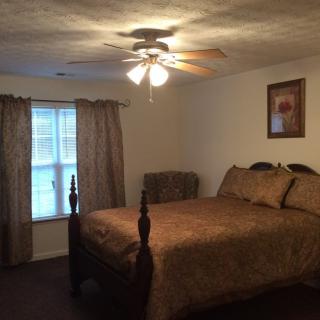
Abiding Care Home
$2,100 / month5.0 miles away -
from -$99 / mo

G & M Personal Care Home
$1,800 to $2,500 / month7.0 miles away -
from +$101 / mo

B&A Personal Care Home
$2,000 / month4.6 miles away -
from +$101 / mo

Senior Care America 2
$2,000 to $2,500 / month24.9 miles away
Overall Review of Transitional Care Decatur
Pros
 The facility is great and caring.
- The father is happy.
- They are very impressed.
- They thank everyone.
Cons
 They find it absurd that no one answers the phone after hours.
- They deem the after-hours phone response unacceptable.
Review
Transitional Care Decatur in Decatur, GA is best suited for families pursuing a short-term, recovery-focused transition from hospital to home. The community leans into a warm, relationship-driven approach where staff are seen as genuinely caring and residents are encouraged to engage with therapy and daily routines. This is not pitched as a long-term residence, but as a bridge program designed to restore function, support discharge planning, and help seniors regain independence enough to return home or to a less intensive setting. Families that place a premium on a home-like atmosphere, attentive caregivers, and clear signs of progress will find this option compelling.
Those who may want to consider alternatives are best identified by a key gap that surfaces in the feedback: after-hours accessibility. One reviewer highlighted frustration with phone contact after hours, suggesting that when urgent questions or concerns arise, the line of communication may not be as reliable as desired. For families needing round-the-clock responsiveness, or for residents requiring continuous 24/7 medical oversight and turnkey access to staff, other facilities, particularly traditional long-term skilled nursing homes or assisted living communities with robust night and weekend coverage, may be more suitable. This is especially relevant for anyone weighing a longer rehab trajectory or additional medical complexity.
The strongest positives here consistently point to the caregiving culture. Descriptions of a “great caring facility” and notes that a loved one is happy and “very impressed” reflect a team that genuinely invests in residents' comfort, dignity, and morale. The environment appears to reduce anxiety, promote trust, and support adherence to therapy and daily routines. When therapy goals align with a resident’s day-to-day experience, felt staffing presence, responsive aides, and a reassuring cadence, rehabilitation often progresses more smoothly, and families can observe tangible morale gains and consistent progress toward discharge milestones.
Yet the practical friction around communication cannot be ignored. The after-hours concern, coupled with the presence of at least one lower rating in the mix, signals a real-world vulnerability: critical updates, changes in condition, or urgent needs may not reach families promptly outside standard hours. This potential friction matters most for those whose discharge planning hinges on timely, transparent updates or whose loved ones rely on continuous real-time reporting for peace of mind. It’s not a fatal flaw, but it is a meaningful constraint that should factor into the decision.
In balancing the pros and cons, the consistently warm, capable caregiving and the positive progress signals do offset many of the program’s limitations, provided families can accommodate occasional gaps in after-hours access. The staff’s empathy and hands-on support create a recovery-friendly atmosphere that can accelerate return-to-home goals and ease the transition back to daily life. For a resident who thrives on personalized attention, small-scale operations, and a culture that emphasizes resident happiness, this facility delivers strong value despite the noted communication caveat.
The bottom-line guidance is clear. Transitional Care Decatur is a solid choice for families seeking a compassionate, hands-on rehab-focused environment where a loved one is likely to feel seen, supported, and engaged in recovery. The perfect fit exists for those who can tolerate occasional delays in after-hours communication and who prioritize the quality of daily interactions with caregivers over continuous 24/7 contact. Prospective families should schedule a detailed tour, request a direct briefing on after-hours policies, and meet with the nursing leadership to understand response protocols. Ask for a concrete plan on how family updates are handled after hours and request contact information for an on-call liaison. If these elements align with needs and expectations, this community stands out as a practical, effective bridge to home. If not, alternatives with stronger after-hours access and ongoing medical oversight may be the wiser course.
 Board and Care Home
 Activities off-site
 Bath tubs
 Devotional services off-site
 Indoor common areas
 Outdoor common areas
 Private
 Respite or short term stays offered
 Wheelchair accessible showers
 William B Hartsfield-Atlanta International (14 miles away)
 Ambulatory care
 Diabetic care
 High acuity care
 Incontinence care
 Medication management
 Meals provided
 Comprehensive Exploration of Living Wills and Other Advance Directives
 A Detailed Exploration of Living Wills and Advance Directives
 Comprehensive Guide to Medicare Coverage for Hospice Care