Oaks at Shiloh Point offers competitive pricing for various room types compared to the broader market in Forsyth County and the state of Georgia. For a semi-private room, residents can expect a monthly rate of $2,900, which is slightly above the county average of $2,859 but still lower than the state average of $2,529. The studio option is priced at $3,600, reflecting a more favorable position compared to Forsyth County's higher rate of $3,962 and in line with Georgia's average of $3,520. Finally, the one-bedroom suite comes in at $3,800; this is notably higher than both the county's average of $3,591 and the state's average of $3,412. Overall, while some costs are modestly above local averages, Oaks at Shiloh Point continues to provide a range of options that prioritize quality care and comfortable living environments for its residents.
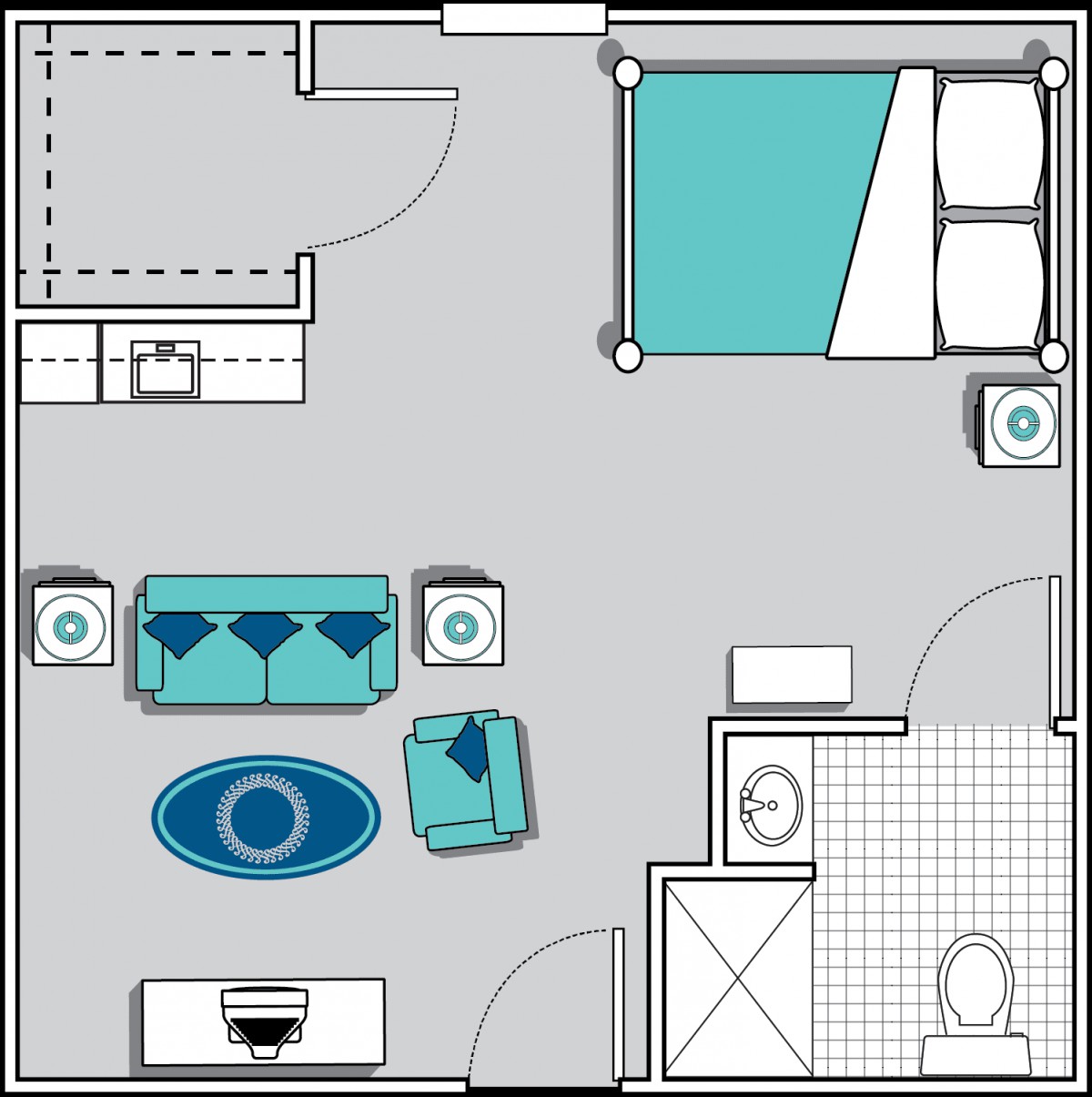
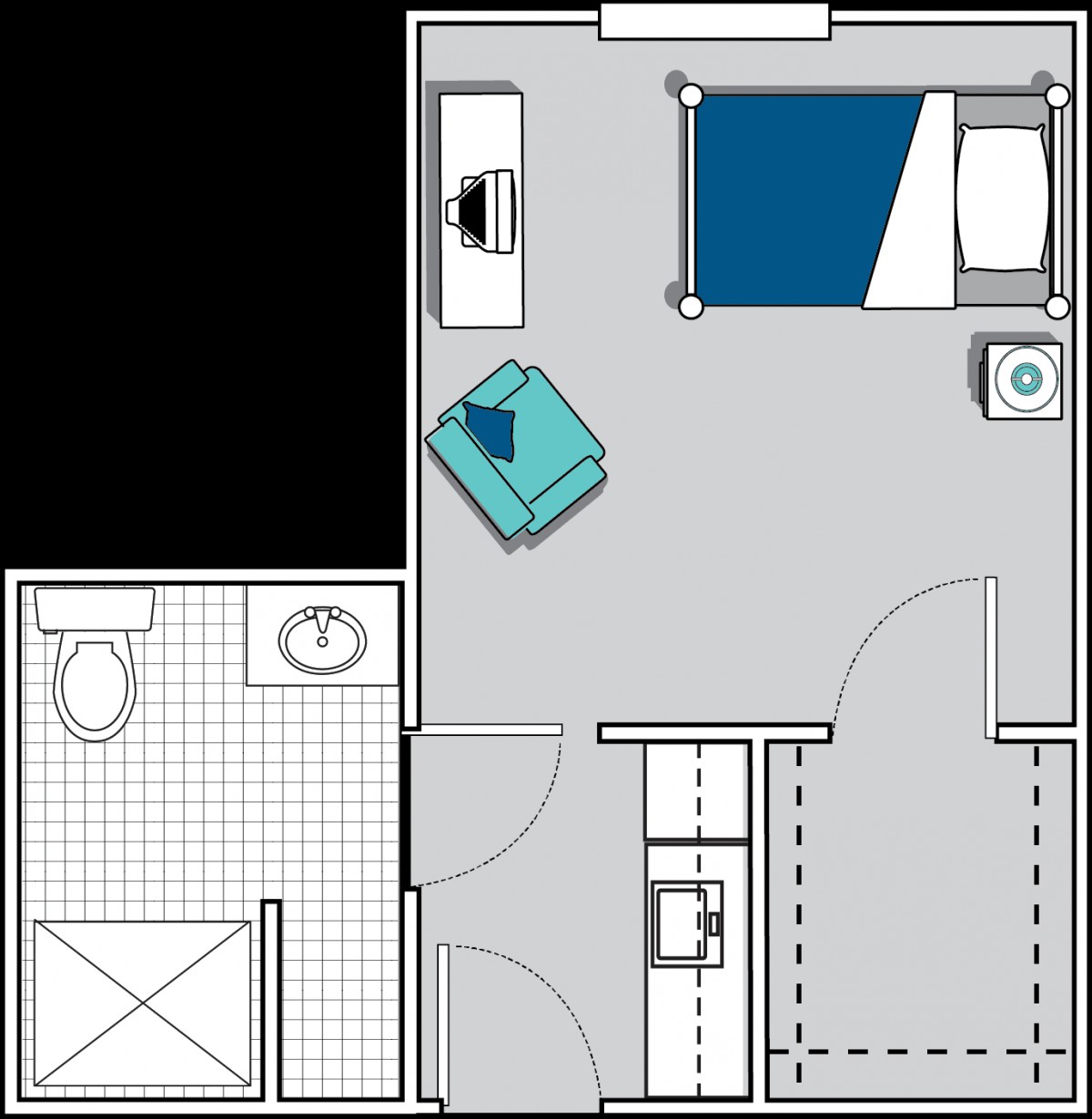
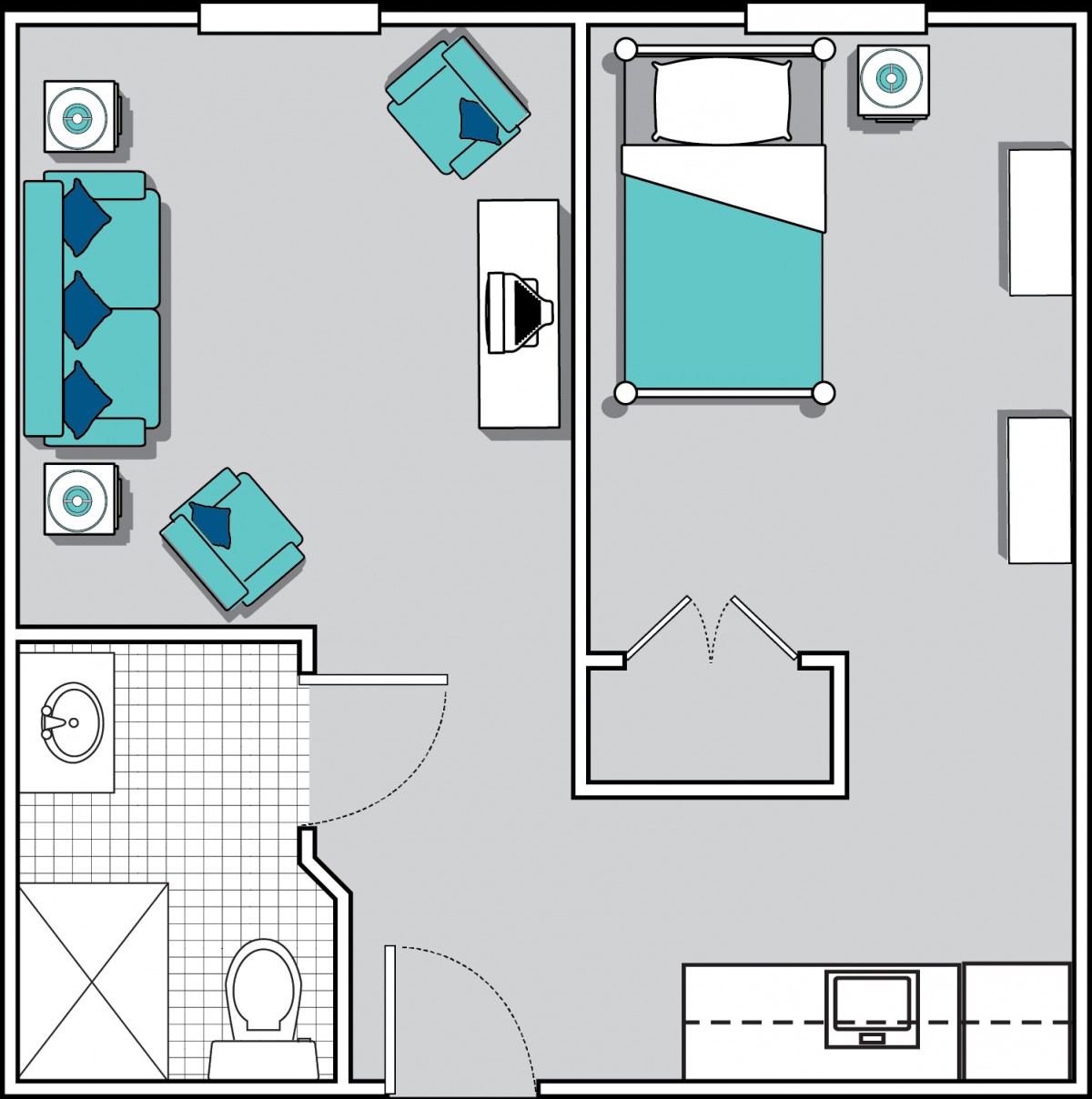
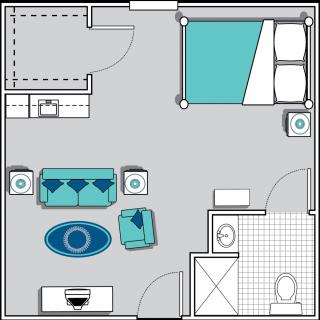
Floor plans
Oaks at Shiloh Point
Forsyth County
Georgia
Semi-Private
$2,900
$2,859
$2,529
Studio
$3,600
$3,962
$3,520
1 Bedroom
$3,800
$3,591
$3,412
Memory care communities with a similar price nearby
Staff members are repeatedly described as caring and responsive to residents and families.
Many residents and family members describe staff as caring and vigilant, with frequent communication when needs change. Multiple reviews mention quick response when assistance is needed and staff checking in to keep residents engaged rather than left alone in rooms. Several families also credit named leaders and care staff with helping loved ones transition in and feel safe day to day.
common8 reviews mention this
Food quality is a recurring plus
Dining is consistently described as a strength, with residents getting meals they enjoy.
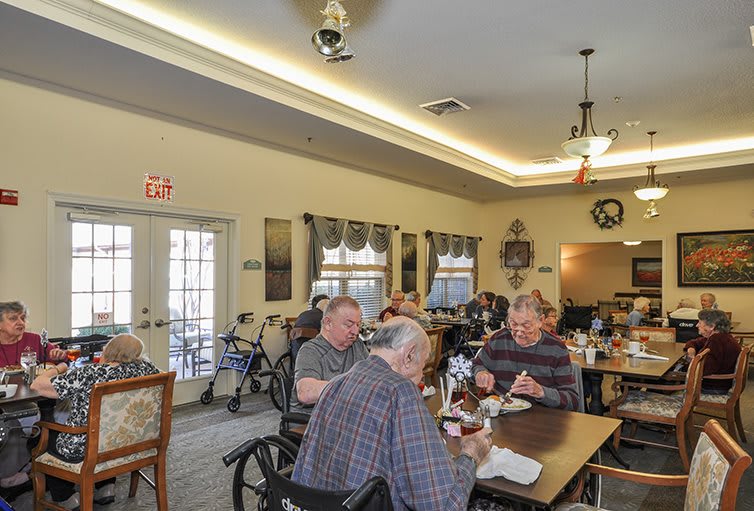
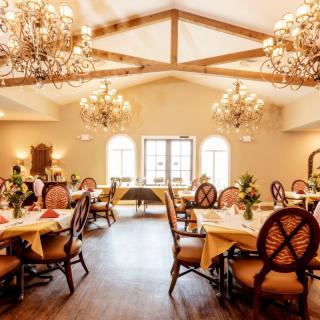
Several reviews specifically praise the food as good or excellent, and some note that residents are well fed. Families also mention meal choice and a regular three-meals-a-day schedule, which supports that dining is part of daily life here. The dining details offered by the community align with these impressions, including restaurant-style dining and room service options, plus special programs for dietary needs.
differentiator3 reviews mention this
Respite care availability and outcomes
The community advertises short-term respite stays, but resident outcomes can vary.
One family describes using short-term respite to give a caregiver a break and says it worked out well, including better meals and an affordable arrangement. Other reviews mention respite experiences where a loved one had major mobility decline after a short stay, paired with concerns about what staff knew and how incidents were handled. Because these accounts point in different directions, respite availability is clear, but expectations around individual support needs may require extra questions up front.
caveat3 reviews mention this
Activities and outings can be uneven
Some residents may find activity and outdoor time less consistent than expected.
While many reviews describe busy schedules and residents staying engaged, a recurring concern is that activity levels can drop or fall short of expectations. One review says the activities director was not doing much, and another describes a specific limitation getting outside due to not enough staff to assist. At least one family also connects these gaps to a broader decline they felt over time.
caveat3 reviews mention this
Pricing varies by unit type
Pricing can be higher than some families expect, so it’s worth confirming what’s included.
Reviews include mixed statements about cost, with one family urging others not to eliminate a facility solely based on price, another saying they liked the cost of care, and a different review noting the director worked with them on pricing. Price ranges provided for Oaks run from $2,900 to $3,800 depending on unit type, and the deltas vary versus county and state levels. If cost matters for your decision, the reviews suggest asking specifically about what support needs are covered and what changes could affect the total.
How we summarize
Counts show how many written reviews mention each theme; a review can touch several themes, and only frequently mentioned themes are displayed.
Features
Housing
1-bedroom apartments
Studio apartments
Types of Care
Assisted Living
Memory Care
Pets
Cats allowed
Dogs allowed
Amenities
Activities off-site
Activities on-site
Air-conditioning
Beautician on-site
Cable or satellite TV
Devotional services off-site
Devotional services on-site
Dining room
Garden
Ground floor units
Guasts at mealtime
Guest parking
Handicap accessible
Housekeeping services
Indoor common areas
Kitchenette
Laundry
Outdoor common areas
Party space
Private bathrooms
Private cleaning services
Resident parking
Respite or short term stays offered
VA Benefits Consultation
Wheelchair accessible showers
Wi-Fi/high-speed internet available
Care Services
Ambulatory care
Diabetic care
High acuity care
Incontinence care
Medication management
Physical therapy
Dining
Guest meals
Meals provided
No Sugar
Professional chef
Restaurant style dining
Room service
Special dining programs
Activities
Activities off-site
Activities on-site
Arts and crafts
BBQs or picnics
Day trips and outings
Devotional activities offsite
Devotional activities on-site
Educational speakers / life long learning
Games
Gardening club
Intergenerational programs
Live dance or theater performances
Live musical performances
Montessori programs
Religious services
Stories
Trivia games
Wii bowling
Nearby Places of Interest
This part of Cumming, Georgia offers a convenient location with easy access to essential services such as healthcare facilities like Northside Hospital and Encompass Health Rehabilitation Hospital. There are also several pharmacies in the area for medication needs. The proximity to restaurants like Chick-Fil-A and Fagan's Biscuit Barn provides dining options, while the nearby theaters and parks offer recreational opportunities. Places of worship such as Sri Krishna Vrundavana and First Baptist Cumming provide spiritual fulfillment. Overall, this area combines healthcare services, dining options, recreational activities, and places of worship making it an attractive option for senior living.
Physicians
Children's Cardiology Service (0.6 miles)
Julie Turner Fryman (1.2 miles)
Windermere Medical Clinic (3.2 miles)
Pandya Medical Center (3.3 miles)
Northside Pulmonary and Sleep Medicine (3.3 miles)
Infectious Disease Professionals (3.4 miles)
Resurgen Orthapaedics (3.4 miles)
Pharmacies
CVS Pharmacy (0.7 miles)
CVS Pharmacy (2 miles)
Walgreens (3.3 miles)
CVS Pharmacy (3.7 miles)
Walgreens (3.9 miles)
CVS Pharmacy (4 miles)
CVS Pharmacy (4.2 miles)
Restaurants
Chick-Fil-A (0.7 miles)
Fagan's Biscuit Barn (1.5 miles)
Culver's (2 miles)
Zaxby's (2.9 miles)
Wendy's (3.2 miles)
CT Cantina Taqueria (3.2 miles)
Butcher & Brew (3.3 miles)
Theaters
AMC Avenue Forsyth 12 (0.8 miles)
Cafes
Starbucks (1.2 miles)
Nido Cafe (3.5 miles)
Panera Bread (3.7 miles)
Starbucks (4.7 miles)
Starbucks (5.4 miles)
Starbucks (6.5 miles)
Places of Worship
Sri Krishna Vrundavana (1.5 miles)
Shirdi Sai Temple of Atlanta (4.3 miles)
First Baptist Cumming (5.9 miles)
Parks
Fowler Park (1.7 miles)
Big Creek Greenway Trailhead (2 miles)
Union Hill Park (4.6 miles)
Chattahoochee Pointe Park (6.1 miles)
Gary Pirkle Park (6.7 miles)
Buford Dam Park (6.9 miles)
Hospitals
Northside Women's Center (3.3 miles)
Northside Hospital (3.4 miles)
Encompass Health Rehabilitation Hospital of Cumming (3.9 miles)
Oaks at Shiloh Point offers competitive pricing for various room types compared to the broader market in Forsyth County and the state of Georgia. For a semi-private room, residents can expect a monthly rate of $2,900, which is slightly above the county average of $2,859 but still lower than the state average of $2,529. The studio option is priced at $3,600, reflecting a more favorable position compared to Forsyth County's higher rate of $3,962 and in line with Georgia's average of $3,520. Finally, the one-bedroom suite comes in at $3,800; this is notably higher than both the county's average of $3,591 and the state's average of $3,412. Overall, while some costs are modestly above local averages, Oaks at Shiloh Point continues to provide a range of options that prioritize quality care and comfortable living environments for its residents.
Oaks at Shiloh Point implements a comprehensive approach to memory care through features like medication management, which ensures that residents receive their prescribed medications consistently and safely, reducing confusion and potential health risks. Physical therapy is integrated into daily routines, promoting mobility and enhancing physical well-being, which can positively impact cognitive function. Incontinence care is thoughtfully provided to maintain dignity and comfort for residents, alleviating anxiety related to this sensitive issue. Additionally, Montessori programs engage residents in meaningful activities that stimulate cognitive abilities while fostering independence and social interaction, creating an environment that encourages reminiscence and connection with familiar tasks. Together, these services create a supportive framework tailored to meet the unique needs of individuals facing memory challenges.
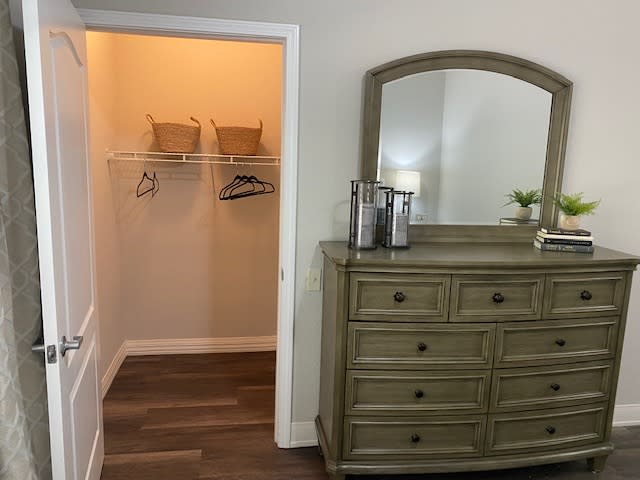
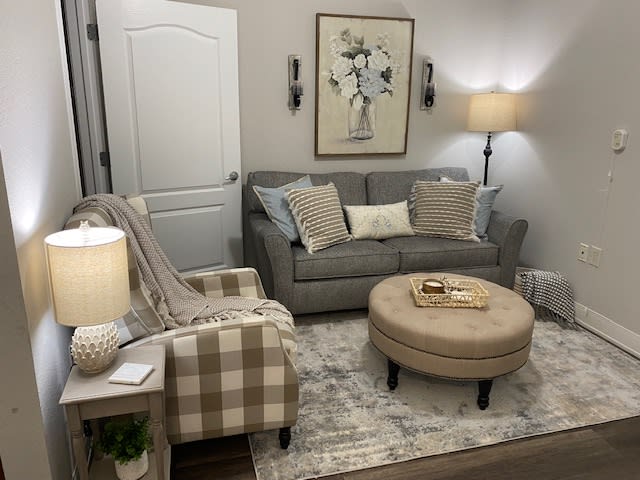
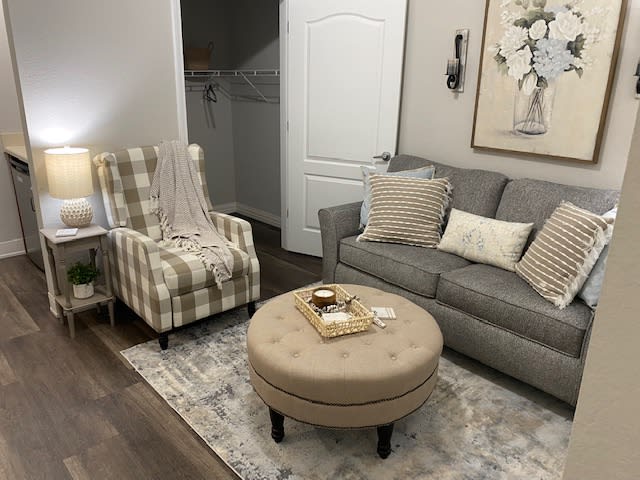
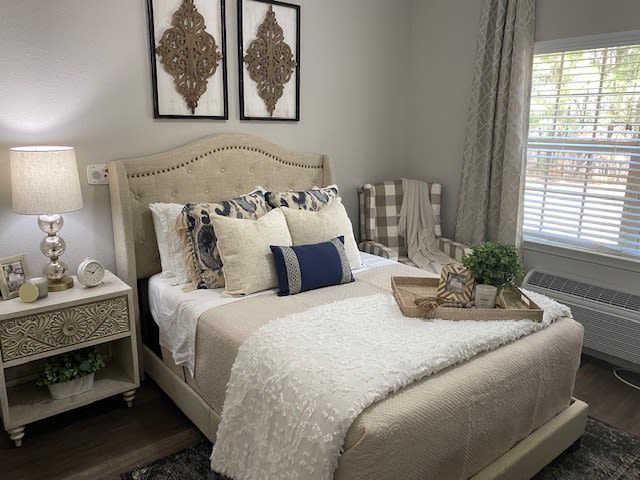
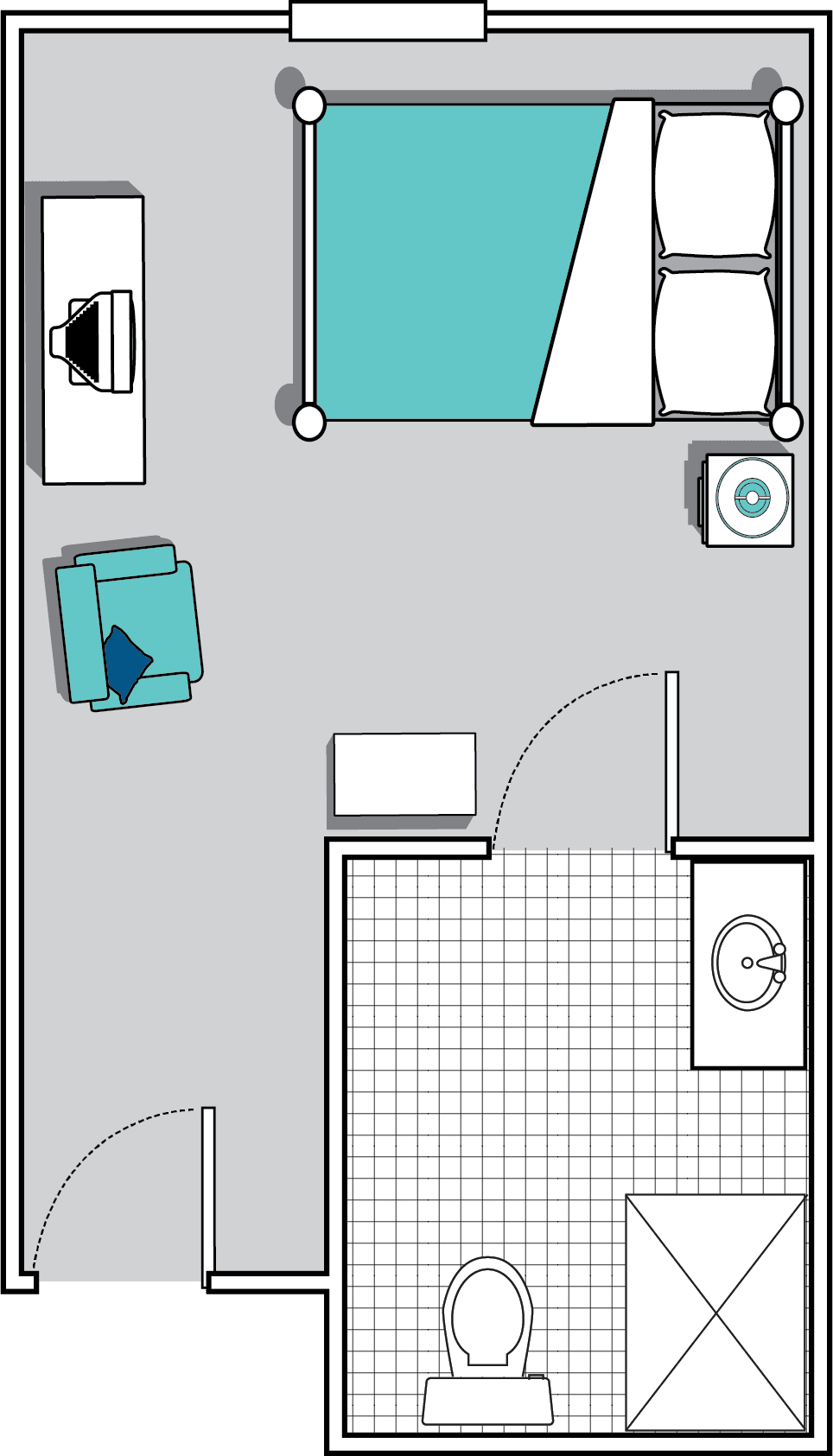
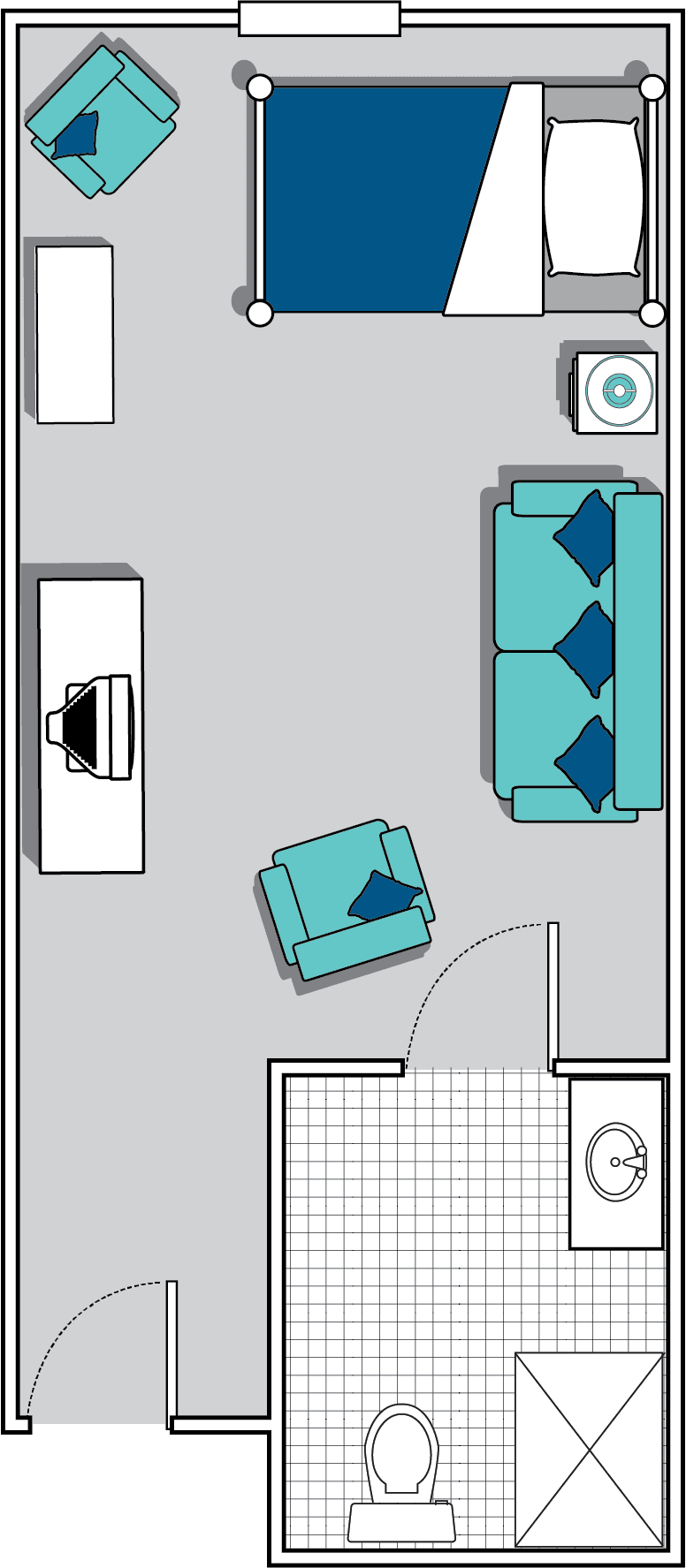
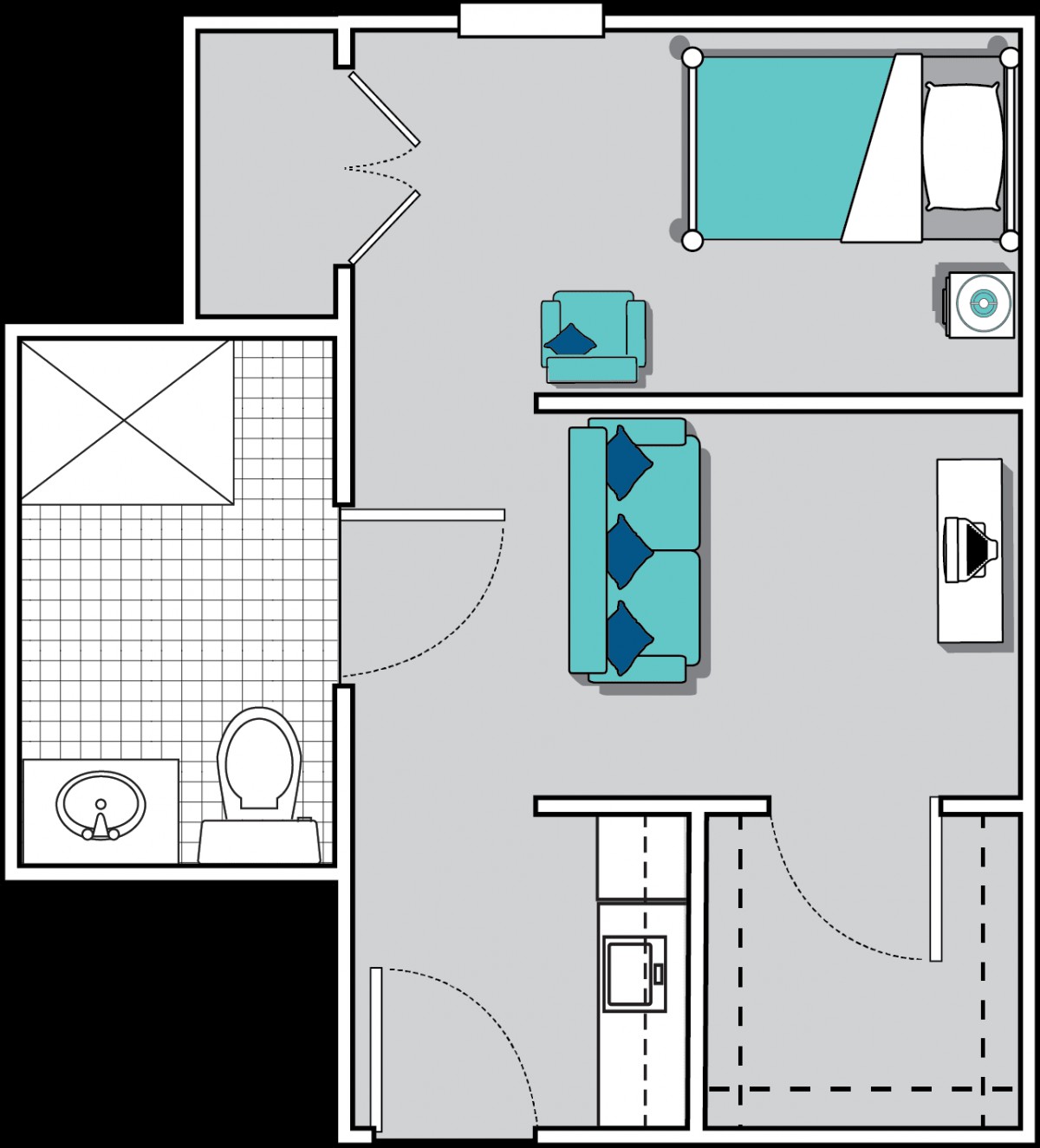
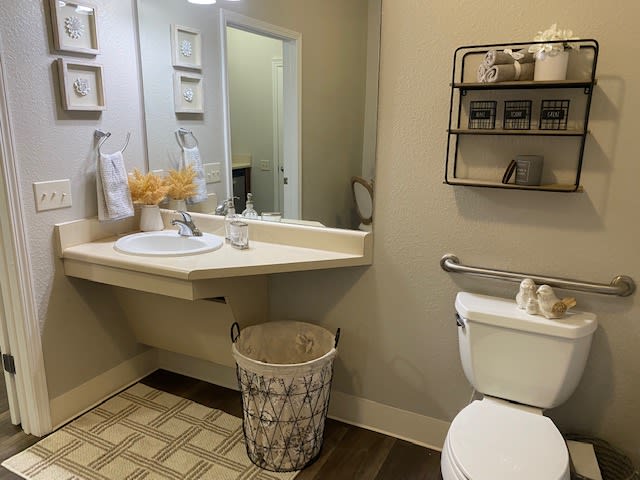
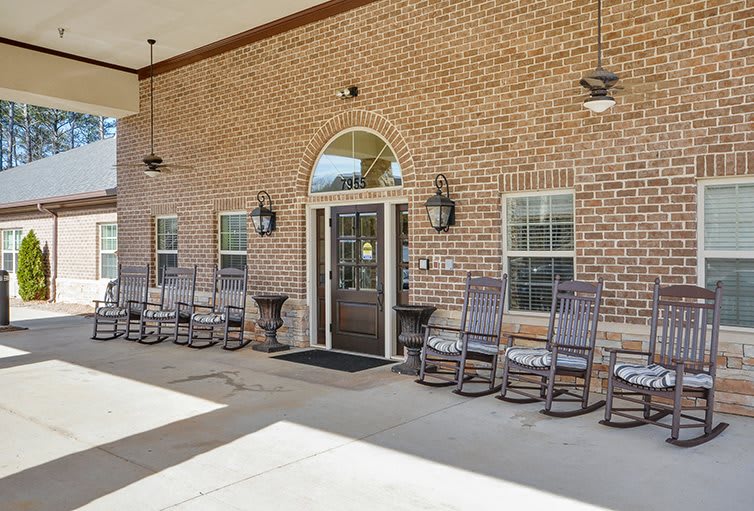
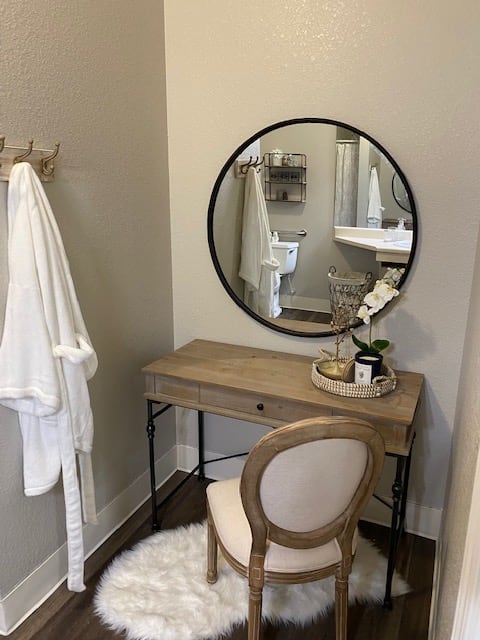
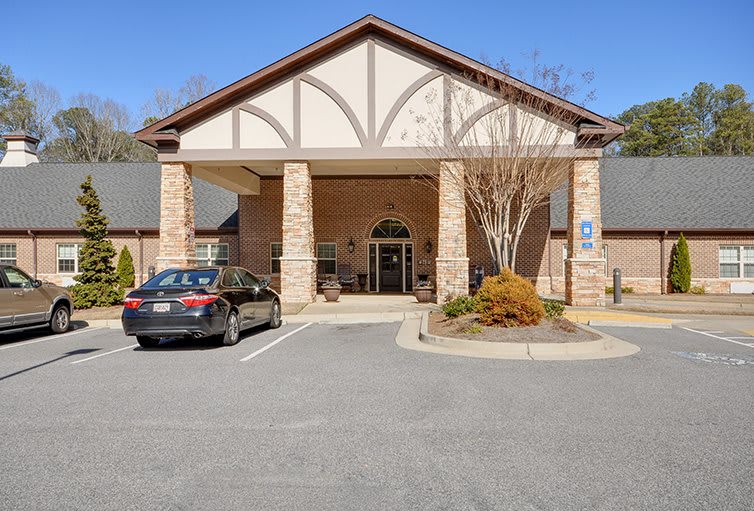
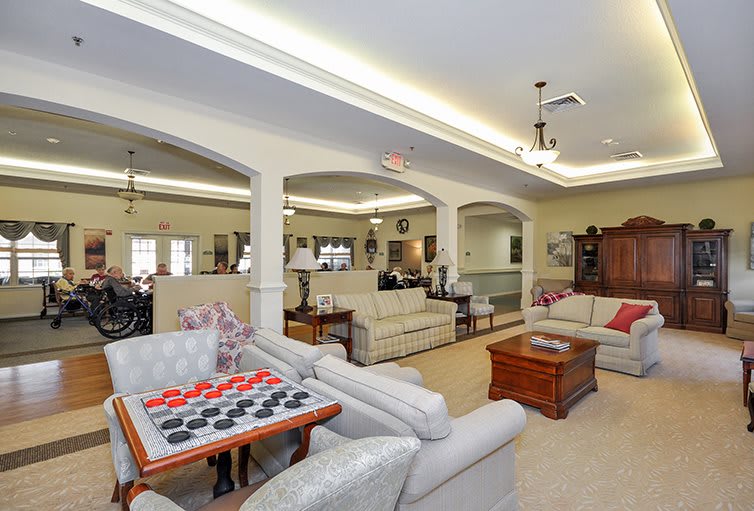
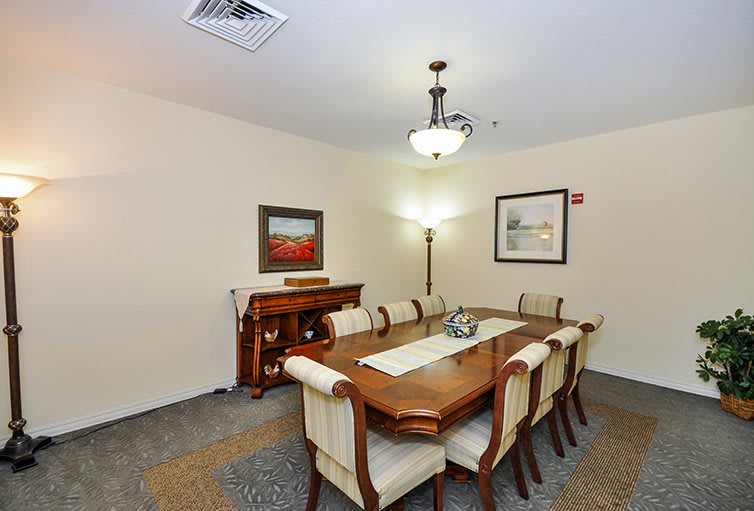
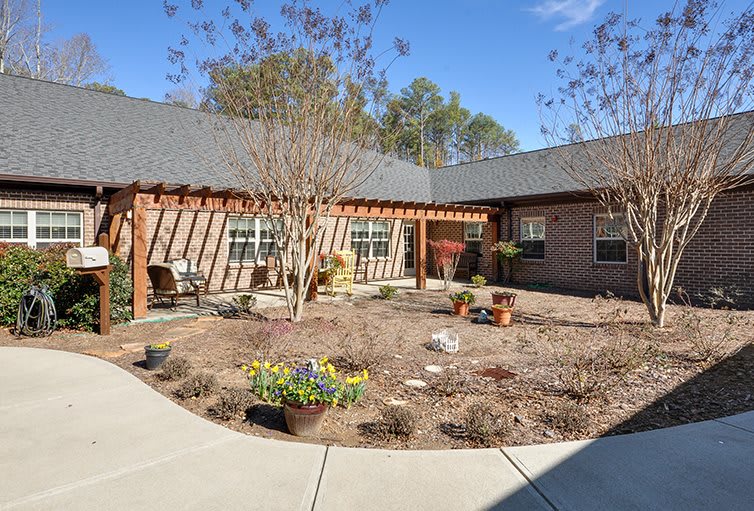
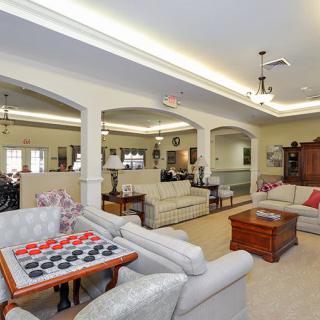
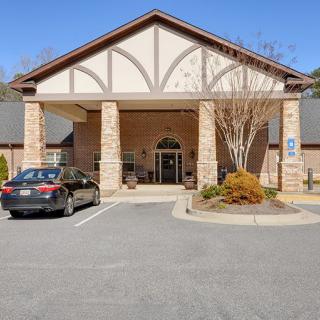
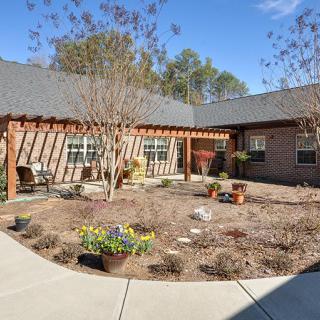
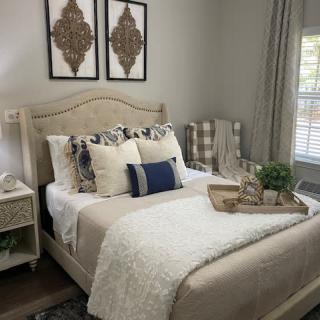
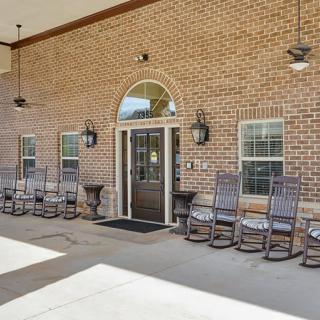
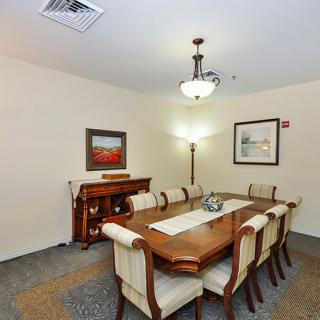
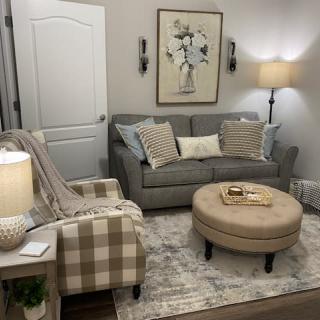
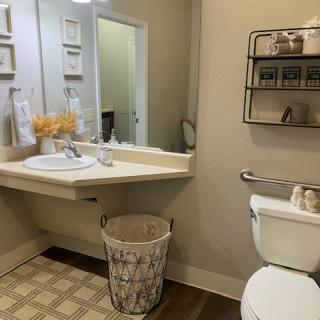
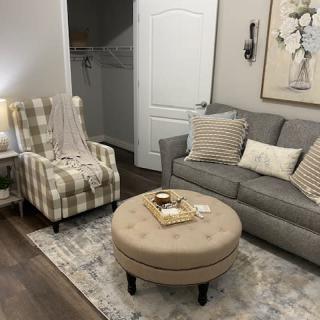
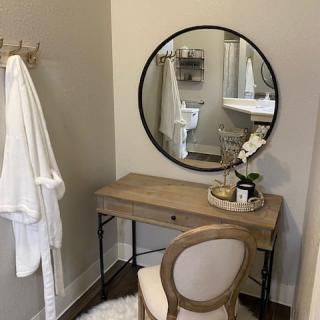
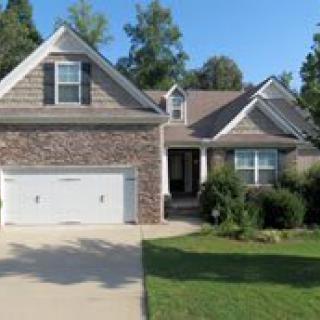
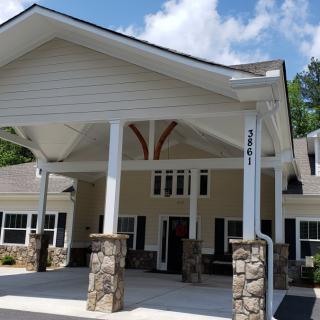
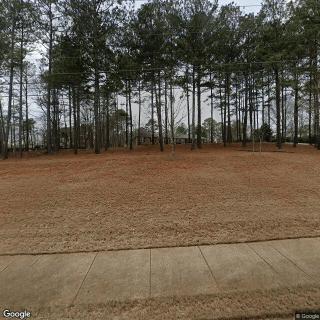
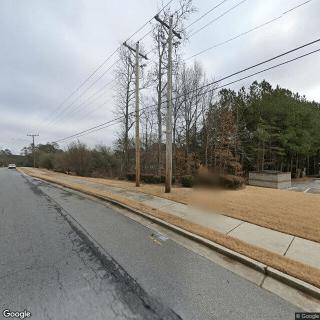
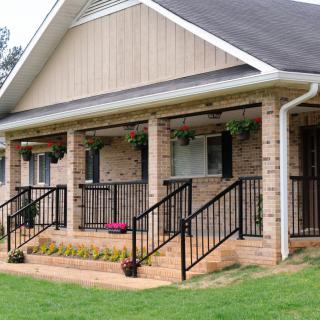
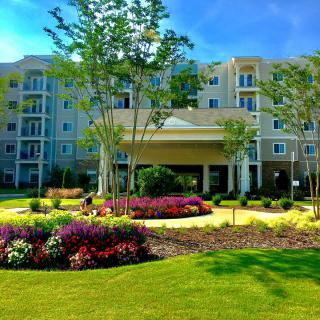
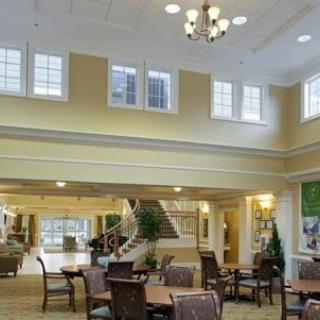
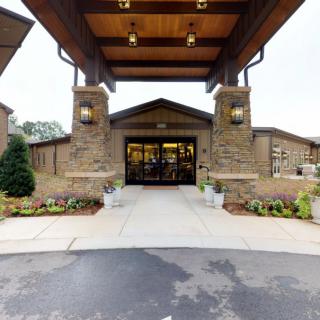
Oaks at Shiloh Point on seniors.fyi includes 18 photos including images showing floor plan, interior, bedroom, living room, decor, bathroom, artwork, building, and more.
Nearby Communities
Gardens of Shiloh Point
Cumming, GA
4.9 from 47 reviews
Intimate, well-maintained community (21 units) with 24-hour supervision, memory care, and restaurant-style dining.
The Mann House at Cumming
Cumming, GA
5 from 9 reviews
Specialized memory care with 24/7 supervision and dedicated cognitive health programming.
The Mann House Assisted Living and Memory Care Cumming and Johns Creek
Cumming, GA
4.8 from 20 reviews
$5,300 to $8,480 / month
Caring, communicative staff with clean, non-institutional setting and high-quality dining.
The Orchards of Brannon Oak Farm
Cumming, GA
5 from 2 reviews
Comprehensive care with meals, medication management, and connectivity.
The Orchards of Stoney Point
Cumming, GA
Small, personalized setting with attentive care and easy access to nearby services.
Assisting Hands Home Care of Forsyth, GA
Cumming, GA
5 from 21 reviews
Central location with extensive nearby amenities (cafes, parks, pharmacies, physicians, worship, theater, hospitals).
Towne Club Windermere
Cumming, GA
4.4 from 82 reviews
$3,275 to $4,325 / month
Friendly staff with resort-like amenities and spacious apartments.
The Villas At Canterfield
Cumming, GA
4 from 92 reviews
$2,200 to $3,670 / month
Friendly staff, engaging activities, and appealing outdoor spaces.
Celebration Village Forsyth
Suwanee, GA
4.2 from 83 reviews
$3,100 to $5,995 / month
Beautiful, well-equipped campus with diverse housing options and on-site activities.
Dementia, primarily caused by Alzheimer's disease but also linked to other conditions, leads to cognitive decline impacting memory and daily functioning, with individuals experiencing varied awareness of their impairments. Despite memory loss, emotional connections persist, enabling responses to familiar stimuli, highlighting the need for caregivers to provide compassionate support that recognizes both limitations and retained emotional depth.
The article presents five subtle indicators of dementia, such as memory lapses and mood swings, to help families assess cognitive decline in loved ones. It emphasizes early detection, open communication, and seeking professional help while providing practical support steps.
Dementia encompasses progressive neurological disorders that impair cognitive functions and can lead to paranoia due to cognitive decline and emotional changes. The article discusses the triggers of paranoia in dementia, caregiver strategies for managing it, and the importance of distinguishing between dementia-related paranoia and other psychiatric conditions.
Outdoor Seating, Porch, Brick Wall, and Rocking Chairs
Parking
Studio Apartment
Rug
Closet
Interior Decor
Room Layout
Get PricingAsk A QuestionSchedule A TourContact Senior Advisor
By clicking submit, you agree to our Partner's Terms of Use. You
also consent to receive calls and texts, which may be autodialed, from our Partner. Your consent is not a condition to
using our Partner's service. Please visit our Partner's Privacy Policy for information about their privacy practices.




 1-bedroom apartments
 Assisted Living
 Memory Care
 Cats allowed
 Dogs allowed
 Activities off-site
 Air-conditioning
 Beautician on-site
 Cable or satellite TV
 Devotional services off-site
 Dining room
 Garden
 Ground floor units
 Guest parking
 Handicap accessible
 Housekeeping services
 Indoor common areas
 Kitchenette
 Laundry
 Outdoor common areas
 Party space
 Private bathrooms
 Respite or short term stays offered
 VA Benefits Consultation
 Wheelchair accessible showers
 Wi-Fi/high-speed internet available
 Ambulatory care
 Diabetic care
 High acuity care
 Incontinence care
 Medication management
 Physical therapy
 Guest meals
 Arts and crafts
 BBQs or picnics
 Day trips and outings
 Educational speakers / life long learning
 Games
Games Intergenerational programs
 Live dance or theater performances
 Live musical performances
 Montessori programs
 Stories
 Trivia games
 Wii bowling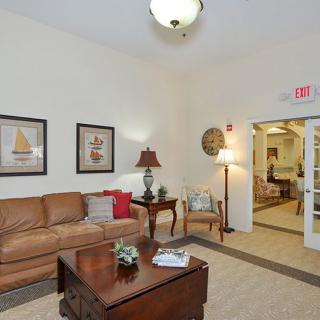
 Intimate, well-maintained community (21 units) with 24-hour supervision, memory care, and restaurant-style dining.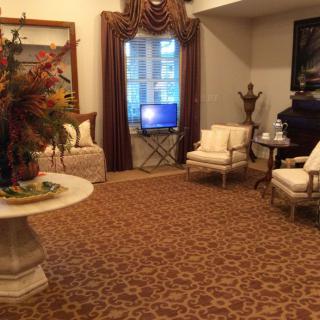

 Delving into the Inner World of Dementia: Insights into Thoughts and Awareness
 Five Subtle Dementia Indicators to Observe: An In-Depth Guide to Understanding “Does My Mom Have Dementia?”
 Dementia, Paranoia, and Caregiver Guidance: Understanding the Connection