Overall Review of Dorado Circle - Community Living Arrangement
common20 reviews mention this
Staff and responsiveness stand out
Residents and families repeatedly describe staff as helpful and understanding.
Many reviewers comment on the people working there, calling them friendly, understanding, and ready to help. Several also describe specific support moments, like assistance they received to get through a difficult situation. A smaller number report the opposite, such as not getting a call back or not receiving the help they requested.
common13 reviews mention this
Resources and structured programs
Reviewers often highlight the practical programs and resources provided.
A recurring theme is that the community offers organized support, including education and goal-focused group discussions. Reviewers mention programs related to financial literacy and steps toward self-sufficiency, along with other forms of help they found useful. One reviewer also points to cooking classes as an example of activities tied to those supports.
caveat6 reviews mention this
Christian-centered guidance
Reviews note a Christian-based approach that some people feel can be limiting.
Multiple reviewers describe the organization as Christian-centered and connect that to the mission and community programs. One reviewer explicitly says they cannot give five stars because of that faith focus, while still acknowledging meaningful community work. Another reviewer mentions being uncomfortable with religious language during group discussions.
caveat9 reviews mention this
Help limitations and inconsistent access
Some reviewers report being turned away or not getting the assistance they needed.
Several negative reviews describe situations where they felt the community could not help, including help for specific circumstances and requests that were not met. Others mention administrative or access problems, like waiting for a call back, and feeling left without guidance to find alternatives. A few reviewers also describe closures or reduced capacity due to funding.
How we summarize
Counts show how many written reviews mention each theme; a review can touch several themes, and only frequently mentioned themes are displayed.
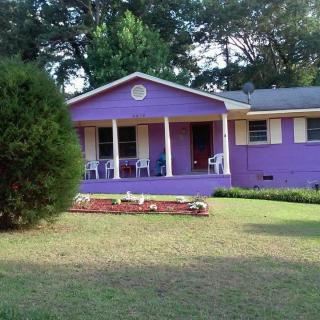
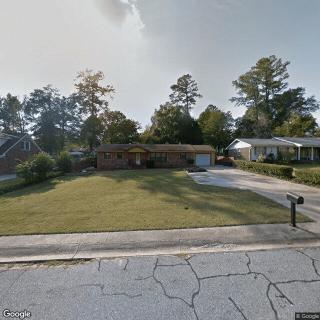
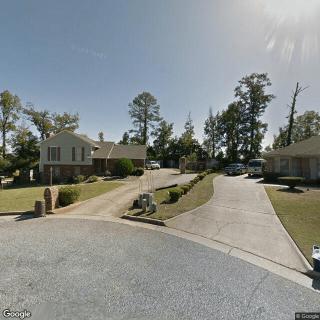
Dorado Circle - Community Living Arrangement is located at 4941 Dorado Circle, Columbus, GA 31907 in Muscogee County, Georgia
Nearby Communities
Morris - Personal Care Home #3
Columbus, GA
3.2 from 5 reviews
Intimate board-and-care with 24-hour supervision, ADL support, diabetes-friendly meals, medication management, and transportation to medical appointments.
Loving Hands
Columbus, GA
Fully furnished with comprehensive care, meals, activities, and outdoor space.
F & L Home
Columbus, GA
$1,500 to $2,000 / month
Small, memory-care focused community with personalized care and affordable pricing.
Jefferson Personal Care Home
Columbus, GA
4.5 from 8 reviews
Intimate, home-like setting with personalized care.
Cardinal Transitional Center
Columbus, GA
4.7 from 3 reviews
Excellent access to nearby dining, pharmacies, physicians, hospitals, and places of worship.
Beyond Walls
Columbus, GA
Excellent access to healthcare facilities and dining nearby.
Stewart Community Home
Columbus, GA
4 from 12 reviews
Extensive amenities and 24/7 staff with restaurant-style dining.
Waverly Terrace Senior Apartments
Columbus, GA
4.1 from 14 reviews
$501 to $601 / month
Very affordable pricing with good local amenities.
River Towne Center
Columbus, GA
4.2 from 125 reviews
$4,152 to $4,362 / month
Dedicated, compassionate staff with clear communication and clean, comfortable surroundings.
The article discusses assisted living expenses, the importance of long-term care insurance in covering these costs, and various financing options, highlighting the need for careful policy review and early planning to address potential needs. It also clarifies common misconceptions about Medicare and private health insurance limitations regarding long-term care coverage.
Assisted living facilities offer crucial support for older adults needing help with daily activities but come with varying and significant costs, which can be financed through personal savings, government assistance programs, long-term care insurance, and home equity options. Professional guidance from experts can aid families in navigating these financial complexities to establish a sustainable budgeting approach for assisted living services.
Assisted living costs often exceed Social Security benefits, necessitating a combination of funding sources like state aid and Medicaid. Understanding the interaction between Social Security programs and available financial support is essential for affording such care.
Get PricingAsk A QuestionSchedule A TourContact Senior Advisor
By clicking submit, you agree to our Partner's Terms of Use. You
also consent to receive calls and texts, which may be autodialed, from our Partner. Your consent is not a condition to
using our Partner's service. Please visit our Partner's Privacy Policy for information about their privacy practices.

 3 resident community capacity
 Assisted Living
 Cable or satellite TV
 Dining room
 Fully furnished
 Garden
 Housekeeping services
 Move-in coordination
 Outdoor space
 Telephone
 Wi-Fi/high-speed internet available
 Columbus Metropolitan (5 miles away)
 24-hour supervision
 Activities of daily living assistance
 Assistance with bathing
 Assistance with dressing
 Assistance with transfers
 Diabetes diet
 Meal preparation and service
 Medication management
 Special dietary restrictions
 Transportation arrangement (medical)
 Transportation to doctors appointments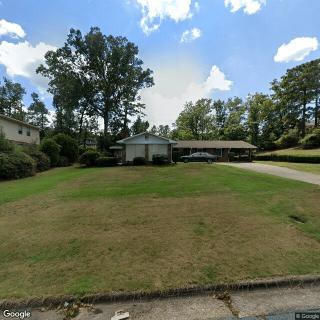
 Intimate board-and-care with 24-hour supervision, ADL support, diabetes-friendly meals, medication management, and transportation to medical appointments.


 Assisted Living Expenses and Long-Term Care Insurance: A Comprehensive Exploration
 Securing Financial Support for Assisted Living: A Comprehensive Overview
 Social Security Benefits and Assisted Living: Navigating Options Across the U.S.