

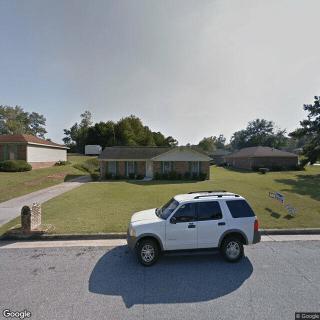
413 Henson Ave, Columbus, GA 31907
To contact a resident: (706) 682-4354
For more information about senior living options: (866) 208-4318
Overall Review of Cardinal Transitional Center
Pros
 He hopes his son does well there.
- He hopes his son gets home.
Cons
 The reviewer did not see much.
Review
Cardinal Transitional Center in Columbus, GA is best suited for families seeking a practical, short- to mid-term transition setting where rehab, recovery, and discharge planning are the core focus. The center appears oriented toward residents who are moving from hospital or acute care into a supervised environment with structured goals and regular family involvement. For families confronting a transition deadline, getting a loved one home, into an interim arrangement, or into a bridge- or step-down setting, this center offers a straightforward option that centers on guiding the move to independence. The limited public feedback still points to a generally positive trajectory, which matters when timing and goal attainment are at stake.
That said, Cardinal Transitional Center is not the default pick for every situation. Those requiring long-term, highly specialized, or memory-focused care should look elsewhere unless more detailed assurances are obtained. The public feedback is sparse, two reviews in total, and one visitor notes seeing only portions of the facility. The absence of granular, experience-level detail about daily routines, staffing robustness, and clinical oversight makes it reasonable to compare alternatives that provide clearer evidence of ongoing, long-term capability. Families prioritizing highly personalized care plans or expansive amenities may want options with more transparent long-term performance data.
From the few data points available, the strengths appear to align with the center’s transitional mission: a solid overall rating of 4.5 stars from two reviewers suggests meaningful satisfaction during the move-through period. A 5-star review exists, signaling that some families felt especially well served by the care, communication, or outcomes, though those specifics aren’t spelled out in the narratives. The primary shortcoming is the dearth of detail. Without explicit accounts of staffing continuity, response times, therapy availability, or a typical daily life, the favorable rating risks being overgeneralized. The real value of the pros hinges on how closely the center’s transition framework matches each family’s expectations for progress and handoffs.
To translate these signals into a reliable decision, undertake disciplined due diligence. Request a live tour with a laser focus on the transition workflow: typical length of stay, discharge planning processes, and how the care team coordinates with hospitals, physicians, and home-care providers. Probe the availability and scope of rehabilitation services (physical, occupational, speech therapy), the cadence of family updates, and the mechanisms for documenting progress toward discharge goals. Inquire about safety protocols, medication management, and incident reporting. If the administration can demonstrate consistent routines, transparent communication, and dependable therapy access, the thin public feedback becomes far less worrisome.
During visits, read the operation with the same scrutiny used for any decisive care decision: watch staff-resident interactions, note how quickly questions are answered, and assess the clarity of the daily timetable and care-planning conversations. The visitor’s note that only portions of the facility were seen underscores the need to observe across multiple shifts and with direct frontline caregivers. Ask to review sample menus, activity calendars, and a week of discharge-ready plans to gauge how thoroughly the center prepares residents for home or a next-step placement. The objective is to confirm that transition promises translate into measurable, repeatable everyday practices.
In sum, Cardinal Transitional Center presents a credible option for families who need a structured, short- to mid-term bridge to home or to a more independent environment. The strongest argument rests on the implied effectiveness of its transition framework, reinforced by a favorable rating from a small reviewer pool. The caveat is the limited feedback trail, which should prompt proactive inquiry and concrete assurances before committing. Alternatives should remain on the table for those requiring extensive long-term care, advanced memory care, or performance metrics backed by comprehensive data. With careful evaluation and targeted questions, the right fit will align transition goals with dependable, observable daily operations.
 Board and Care Home
 Columbus Metropolitan (5 miles away)





 6 Crucial Ways an Elder Law Attorney Assists Families
 Navigating the Tax Landscape of Caregiving: Credits, Deductions, and Beyond
 Highly Beneficial Low-Impact Exercises for Senior Living Residents