Some visitors describe difficulty reaching staff by phone or email.
Several reviewers say they did not get a response after calling or emailing, including accounts of being “ghosted” and unanswered messages. Others mention phones not being answered or people waiting without support. A few describe phone follow-up as something they still needed, even when the request was positive.
caveat4 reviews mention this
Food quality is a recurring concern
Some reviews report food that felt expired or spoiled.
A number of negative reviews mention expired or spoiled items, including descriptions of spoiled dairy and meats. Some reviewers also describe receiving food they said had been stored too long or was in poor condition. One mixed-in complaint also compares the expected item to what was actually provided, pointing to a product mismatch.
common4 reviews mention this
The process is described as smooth
Many reviewers describe a straightforward intake and service experience.
Several reviewers praise the process as easy or smooth, and mention staff who help during check-in and loading. A few also say the line moves quickly and that the experience feels professionally handled. Even among different reviewers, the common thread is that service direction and customer support help reduce stress during pickup.
How we summarize
Counts show how many written reviews mention each theme; a review can touch several themes, and only frequently mentioned themes are displayed.
Features
Housing
4 resident community capacity
Types of Care
Assisted Living
Amenities
Cable or satellite TV
Dining room
Fully furnished
Garden
Housekeeping services
Move-in coordination
Outdoor space
Telephone
Wi-Fi/high-speed internet available
Transportation
William B Hartsfield-Atlanta International (18 miles away)
The deductibility of assisted living expenses on taxes hinges on factors like the individual's medical condition and service nature, typically requiring the resident to be "chronically ill" per IRS definitions. Taxpayers may deduct eligible medical expenses related to personal care services but generally not rent unless primarily for medical care, and they should maintain thorough documentation to support claims while considering itemizing versus standard deductions.
The guide highlights the importance of assisted living facilities for aging veterans needing daily support, discusses unique challenges they face, and outlines available financial assistance from the VA, including the Aid and Attendance program. It emphasizes understanding eligibility criteria and navigating the VA system to access necessary benefits effectively.
The article compares assisted living and skilled nursing facilities, detailing their differing levels of assistance, medical support, cost structures, and day-to-day experiences. It emphasizes that assisted living is for those needing help with daily activities while maintaining independence, whereas skilled nursing facilities provide intensive medical care with 24-hour staff supervision.
Get PricingAsk A QuestionSchedule A TourContact Senior Advisor
By clicking submit, you agree to our Partner's Terms of Use. You
also consent to receive calls and texts, which may be autodialed, from our Partner. Your consent is not a condition to
using our Partner's service. Please visit our Partner's Privacy Policy for information about their privacy practices.


 4 resident community capacity
 Assisted Living
 Cable or satellite TV
 Dining room
 Fully furnished
 Garden
 Housekeeping services
 Move-in coordination
 Outdoor space
 Telephone
 Wi-Fi/high-speed internet available
 William B Hartsfield-Atlanta International (18 miles away)
 24-hour supervision
 Activities of daily living assistance
 Assistance with bathing
 Assistance with dressing
 Assistance with transfers
 Diabetes diet
 Meal preparation and service
 Medication management
 Special dietary restrictions
 Transportation arrangement (medical)
 Transportation to doctors appointments
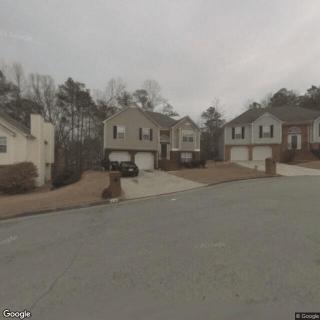
 Cozy, homelike setting with personalized, attentive care in a small, intimate facility.


 Is Assisted Living Deductible on Your Taxes? Understanding the Complexities of Assisted Living Expenses and Deductions
 Assisted Living Support for Veterans: A Complete and Detailed Overview
 Exploring the Contrasts Between Assisted Living and Skilled Nursing