True Care

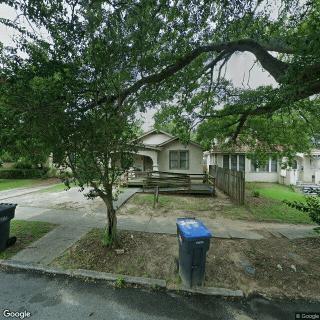
1909 Central Avenue, Augusta, GA 30904

For more information about senior living options: (844) 490-3973

2.8 from 9 reviews
5 stars
4
4 stars
0
3 stars
0
2 stars
0
1 stars
5

Assisted Living Board and Care Home

What level of care are you interested in?

Assisted Living

Memory Care

Independent Living

Skilled Nursing Facility

Continuing Care Retirement Community (CCRC)CCRC

Other


Request a tour at True Care

    Overall Review of True Care

    Pros

    • pro TRU Care provides loving and attentive care.
    • pro The staff is incredibly kind and patient, always going the extra mile to ensure residents' comfort.
    • pro The facility is clean, well-maintained, and feels like a real home, with plenty of activities.
    • pro Ms. Liz is professional, knowledgeable, caring, and shows great empathy.
    • pro She trains her staff to exhibit the same professionalism and compassion.
    • pro Her homes are neat, clean, and organized.
    • pro Her clients are well groomed and seem very happy.
    • pro This facility is an asset to the community.

    Cons

    • pro The owner is shorting people money and is very nasty, treating the elderly badly, and the facility has roaches.
    • pro The facility has roaches.
    • pro The staff are a bunch of liars.
    • pro The reviewer notes that the receptionist would not say who she was and hung up abruptly.
    • pro This place is a cesspool of disgrace.
    • pro It is claimed that the owner favors people who have no family.
    • pro It is warned not to send family members there, as it is described as not a great environment.

    Review

    The collection of remarks about True Care Assistant Living (often referred to as TRU Care) blends warm gratitude with sharp warnings, painting a picture of a facility that inspires genuine affection from some families while provoking strong concerns from others. A number of reviewers describe the environment as welcoming and nurturing, emphasizing a home-like atmosphere where residents feel cared for and comfortable. They describe staff as kind and patient, with a readiness to go the extra mile to ensure comfort. Cleanliness and upkeep are highlighted as constant strengths, with the facility presented as well-maintained, neat, and organized. In these accounts, the setting itself feels like more than just a place to live; it feels like a real home where daily routines - grooming, activities, and social engagement - are thoughtfully attended to.

    A standout positive thread centers on Ms. Liz, who emerges as a touchstone of professionalism and compassion for several reviewers. One person calls her "the truth," praising her professionalism, knowledge, and empathy. They credit her with training the staff to uphold a high standard of care and consistency in how residents are treated. The same reviewer notes that Ms. Liz visits multiple homes and finds every location clean and organized, with clients who appear well-groomed and happy. Such testimonials cast Ms. Liz as an influential figure within the broader network of True Care facilities and as a beacon of dependable, empathetic leadership that local families can trust. The gratitude is palpable, with expressions of respect for her work and a hope that the good work continues.

    Those who have family members living at the facility frequently echo the positive sentiments. Several reviewers simply state that the place is excellent or that they would recommend it to others. One brief but emphatic line sums up a common sentiment: "excellent place, I recommend it." Another reviewer couples praise for staff with trust in the owners, asserting that the staff is well-supported and that the owner is "really the best." This cluster of endorsements reinforces a view of True Care as a provider that can deliver dependable care, attentive service, and a sense of community for residents and their families.

    Against the chorus of praise, there are pointed and highly troubling cautions that bear noting. One reviewer casts a harsh light on management, alleging financial improprieties - specifically, that the owner is "shorting people money" and displaying nasty behavior toward elderly residents. The same message describes a roach-infested facility, painting a picture of unsafe, unsanitary conditions that starkly contrasts with the otherwise favorable reviews. The warning is clear: there are serious concerns about how residents' money is handled and about the physical environment in which care is delivered. For families weighing options, these claims raise red flags that demand careful scrutiny and verification from independent sources.

    Communication problems also surface in a separate complaint. One caller reports being met with opacity, as the staff member would not identify herself and abruptly hung up after the conversation. This anecdote suggests gaps in transparency and professional communication, which can be especially troubling when families are trying to gather essential information about a loved one's care. It serves as a reminder that even in top-rated facilities, interactions with staff can significantly influence a family's overall impression and sense of trust.

    A more caustic voice adds to the negative chorus, describing the experience in strong terms: "a cesspool of disgrace," with a personal history of living inside a situation that informed that verdict. This reviewer urges others to keep their loved ones away, implying long-term harm or a deeply unsatisfactory living environment. The comments are dense with emotion, including an accusation that the staff are dishonest, referred to as "the staff are a bunch of liars." While such statements are explicitly subjective and inflammatory, they signal a substantial disparity in experience among families and underscore the importance of thorough, on-site due diligence when considering True Care.

    Taken together, the reviews present a landscape of high praise and severe concern coexisting within the same care network. For prospective families, the takeaway is not a simple verdict but a call to careful evaluation. The overwhelmingly positive notes highlight genuine strengths: attentive, compassionate care; a clean, home-like setting; structured activities; and leadership that prioritizes staff training and resident well-being. At the same time, the negative statements urge vigilance about financial practices, sanitation, and communication practices, and they emphasize the need for direct, firsthand experiences - visiting multiple locations, speaking with staff and residents, reviewing financial records, and seeking independent references.

    If you're considering True Care for a loved one, this mix of perspectives suggests several practical steps. Arrange visits to multiple True Care homes to personally assess cleanliness, safety, activity levels, and staff demeanor. Ask for detailed explanations of billing, caregiver qualifications, and how emergencies are handled and communicated to families. Request to meet with the director or owner to discuss financial stewardship and care planning, and seek third-party references from other families who have firsthand experience. Most importantly, observe how staff interact with residents - watch for patience, respect, and responsive care - as this is often the most telling indicator of daily life in a facility. The range of experiences shared here underscores that while some families find True Care to be a trustworthy, loving home, others have encountered serious concerns that merit careful verification and cautious consideration.

    Features

    Housing

    • 11 resident community capacity 11 resident community capacity

    Types of Care

    • Assisted Living Assisted LivingAssisted living facilities provide crucial support and care for seniors who may need help with daily tasks such as medication management, bathing, and meal preparation. These communities offer a safe and comfortable environment where seniors can maintain their independence while receiving the assistance they need to thrive in their golden years.
    • Board and Care Home Board and Care HomeBoard and care homes provide a smaller, more intimate setting for seniors who require assistance with daily tasks but do not need the level of care offered by a nursing home. They offer personalized care, meals, and social activities in a homelike environment, ensuring that seniors receive individualized attention and support in their golden years.

    Amenities

    • Cable or satellite TV Cable or satellite TVCable or satellite TV is important for seniors because it provides entertainment, news, and companionship, helping to combat loneliness and boredom. It also offers a wide range of programming options tailored to different interests and preferences.
    • Dining room Dining roomDining rooms are important for seniors as they provide a space for socialization, connection, and nutritious meals. They offer opportunities for residents to bond over shared meals, foster a sense of community, and promote healthy eating habits. Dining rooms also ensure that seniors have access to well-balanced meals tailored to their dietary needs and preferences.
    • Fully furnished Fully furnishedFully furnished senior living communities are important for seniors because they provide convenience, comfort, and a hassle-free moving experience. Seniors can easily settle into their new living space without the stress of having to buy and move furniture. This allows them to focus on enjoying their new home and community.
    • Garden GardenGardens are important for seniors as they provide a peaceful and therapeutic environment for relaxation, physical activity, and socialization. Being in nature has been shown to reduce stress, improve mood, and promote overall well-being. Gardens also offer opportunities for seniors to engage in gardening activities, which can improve mobility, flexibility, and cognitive function. Additionally, gardens create a sense of community and connection with others who share a passion for plants and outdoor spaces.
    • Housekeeping services Housekeeping servicesHousekeeping services are important for seniors because they help maintain a clean and safe living environment, promote independence, and reduce the risk of accidents or illnesses. Additionally, having assistance with household chores can alleviate physical strain and allow seniors to focus on other aspects of their well-being.
    • Move-in coordination Move-in coordinationMove-in coordination is important for seniors because it helps ease the transition into their new living environment. It ensures that all logistics, such as packing, organizing movers, and setting up utilities are taken care of, allowing seniors to focus on settling in and adjusting to their new home. Having a smooth move-in process can alleviate stress and anxiety, making the transition smoother and more enjoyable for seniors.
    • Outdoor space Outdoor spaceOutdoor spaces are important for seniors as they provide opportunities for physical activity, social interaction, exposure to natural light and fresh air, and a sense of connection to nature. Having access to outdoor spaces can improve overall well-being and quality of life for older adults living in senior communities.
    • Telephone TelephoneTelephones are important for seniors as they provide a lifeline for communication with loved ones, emergency services, and healthcare providers. They offer a sense of security and independence, enabling seniors to stay connected and access assistance when needed.
    • Wi-Fi/high-speed internet available Wi-Fi/high-speed internet availableWi-Fi/high-speed internet is important for seniors to stay connected with loved ones, access online resources, and participate in virtual activities to combat feelings of loneliness and isolation. It also allows them to easily manage healthcare needs, access entertainment, and engage in lifelong learning opportunities.

    Transportation

    • Bush (7 miles away) Bush (7 miles away)

    Care Services

    • 24-hour supervision 24-hour supervision24-hour supervision is important for seniors to ensure their safety, well-being, and access to immediate assistance in case of emergencies or health issues. This constant support provides peace of mind for both seniors and their loved ones, allowing them to age in place with dignity and security.
    • Activities of daily living assistance Activities of daily living assistanceActivities of daily living assistance are important for seniors because they provide essential support with tasks such as eating, bathing, dressing, and mobility. This assistance helps seniors maintain their independence, dignity, and overall quality of life as they age.
    • Assistance with bathing Assistance with bathingAssistance with bathing is crucial for seniors as it helps maintain personal hygiene, prevents infections, and ensures their overall well-being and comfort. It also provides a sense of dignity and independence for seniors who may struggle with this task on their own.
    • Assistance with dressing Assistance with dressingAssistance with dressing is important for seniors because it helps maintain their independence, promotes personal hygiene, prevents accidents and injuries, and improves overall quality of life. This service ensures that seniors can continue to dress comfortably and confidently, despite any physical limitations they may have.
    • Assistance with transfers Assistance with transfersAssistance with transfers is crucial for seniors as it helps prevent falls and injuries, maintains their independence, and ensures they can safely navigate their living environment. It also provides peace of mind for both seniors and their loved ones.
    • Coordination with health care providers Coordination with health care providersCoordination with health care providers is crucial for seniors to ensure proper medical care, medication management, and overall well-being. This collaboration helps prevent overlapping treatments, track progress more effectively, and provide comprehensive support tailored to individual needs.
    • Diabetes diet Diabetes dietA diabetes diet is crucial for seniors as it helps manage blood sugar levels, reduce risks of complications, and improve overall health and well-being. By following a balanced and nutritious diet tailored to their specific needs, seniors can better control their diabetes and enhance their quality of life.
    • Meal preparation and service Meal preparation and serviceMeal preparation and service are crucial for seniors as they may have limited mobility or energy to cook nutritious meals. Having access to healthy and convenient food options can ensure they are getting the proper nutrition needed to maintain their overall health and well-being.
    • Medication management Medication managementMedication management is crucial for seniors to ensure they are taking the right medications at the correct dosages and times. This helps prevent adverse drug interactions, reduces the risk of medication errors, and promotes overall health and well-being. Proactive management also allows for adjustments as needed based on changing health conditions or new prescriptions.
    • Special dietary restrictions Special dietary restrictionsSpecial dietary restrictions are important for seniors because age-related changes in metabolism and health conditions can make it difficult for their bodies to process certain foods. By following a diet tailored to their specific needs, seniors can maintain their overall health and well-being, manage chronic conditions, and reduce the risk of complications such as malnutrition or food interactions with medications.
    • Transportation arrangement (medical) Transportation arrangement (medical)Transportation arrangements for medical purposes are essential for seniors as they may have difficulty driving themselves to appointments or accessing public transportation. Having reliable and safe transportation options ensures that seniors can receive timely medical care and maintain their health and well-being.
    • Transportation to doctors appointments Transportation to doctors appointmentsTransportation to doctors' appointments is crucial for seniors as it ensures they have access to necessary medical care and support for their health needs. Without reliable transportation, seniors may struggle to attend important appointments, leading to potential delays in treatment and health complications. Providing transportation services helps seniors maintain their overall well-being and quality of life.
    Dining

    • Diabetes diet Diabetes dietA diabetes diet is crucial for seniors as it helps manage blood sugar levels, reduce risks of complications, and improve overall health and well-being. By following a balanced and nutritious diet tailored to their specific needs, seniors can better control their diabetes and enhance their quality of life.
    • Special dietary restrictions Special dietary restrictionsSpecial dietary restrictions are important for seniors because age-related changes in metabolism and health conditions can make it difficult for their bodies to process certain foods. By following a diet tailored to their specific needs, seniors can maintain their overall health and well-being, manage chronic conditions, and reduce the risk of complications such as malnutrition or food interactions with medications.

    Activities

    • Community-sponsored activities Community-sponsored activitiesCommunity-sponsored activities are important for seniors as they provide opportunities for social interaction, mental stimulation, and physical activity. These activities can help improve overall well-being, combat loneliness and isolation, and promote a sense of belonging and purpose among older adults.
    • Scheduled daily activities Scheduled daily activitiesScheduled daily activities are important for seniors because they provide structure, socialization, mental stimulation, and physical activity. Engaging in regular activities can improve overall well-being and quality of life for seniors living in a community setting.

    Description

    True Care in Augusta, GA is a board and care home that offers a range of excellent amenities and care services to ensure the comfort and well-being of its residents. The community provides a cozy and fully furnished living space for seniors, complete with a dining room where delicious and nutritious meals are served. The presence of a beautiful garden and outdoor space allows residents to enjoy fresh air and nature.

    Housekeeping services are provided to maintain cleanliness and tidiness within the community. True Care also offers move-in coordination assistance, making the transition to this assisted living facility seamless. Residents can stay connected with friends and family through telephone services as well as Wi-Fi/high-speed internet access.

    The dedicated staff at True Care is committed to helping residents with their daily activities such as bathing, dressing, and transfers. They also work closely with healthcare providers to ensure that residents receive coordinated medical care. For individuals with specific dietary needs, including diabetes diets or special dietary restrictions, the community provides appropriate meal preparation and service.

    Transportation arrangements for medical appointments are available to make it convenient for residents. Additionally, there are several nearby cafes, parks, pharmacies, physicians' offices, restaurants, transportation options, theaters, and hospitals in close proximity to True Care - offering convenience and easy access to essential amenities.

    True Care is not just a place to live; it is a vibrant community that offers scheduled daily activities to keep residents engaged and entertained. With its excellent amenities and comprehensive care services combined with convenient nearby facilities, True Care in Augusta, GA provides the perfect assisted living environment for seniors seeking comfort, support, and an active lifestyle.

    Nearby Places of Interest

    Cafes

    • Buona Caffe Artisan Roasted Coffee (0.1 miles)
    • Starbucks (3.6 miles)
    • Starbucks (3.8 miles)

    Physicians

    • Academy of Women's & Children's Health (0.2 miles)
    • Santo Nino Pediatric Clinic PC (0.3 miles)
    • Augusta Women's Center (0.3 miles)
    • Doctor's Walk-In Clinic (0.3 miles)
    • Women's Health of Augusta (0.6 miles)
    • Family Medicine Associates of Augusta III MD (0.8 miles)
    • Summerville Internists (0.8 miles)

    Restaurants

    • The 8595 (0.5 miles)
    • Waffle House (0.8 miles)
    • S & S Cafeteria (0.8 miles)
    • Krystal (1 miles)
    • McDonald's (1.2 miles)
    • Bojangles' Famous Chicken 'n Biscuits (1.3 miles)
    • Popeyes Louisiana Kitchen (1.5 miles)

    Hospitals

    • University Hospital Summerville (0.7 miles)
    • Charlie Norwood VA Hospital Augusta (1 miles)
    • Select Specialty Hospital Augusta (1 miles)
    • Children's Hospital Of Georgia (1.1 miles)
    • Georgia Cancer Center (1.2 miles)
    • Charlie Norwood VA Medical Center (1.2 miles)
    • University Hospital Heart and Vascular Institute (1.3 miles)

    Pharmacies

    • Medical Villa Pharmacy (0.7 miles)
    • Summerville Pharmacy (0.8 miles)
    • CVS Pharmacy (1.1 miles)
    • Augusta Uptown VAMC Pharmacy (1.2 miles)
    • Walgreens (1.7 miles)
    • Walgreens (1.8 miles)
    • CVS Pharmacy (2.9 miles)

    Transportation

    • Daniel Field Airport (DNL) (1.7 miles)

    Parks

    • Riverview Park Activities Center (2.3 miles)
    • Eisenhower Park (3.3 miles)

    Theaters

    • GTC Riverwatch 12 Cinemas (3.8 miles)

    Frequently Asked Questions

    Where is True Care?

    Nearby Communities

    Related Resources

    • assisted living vs nursing homeChoosing the Right Senior Care: A Detailed Exploration of Assisted Living and Nursing Homes

      Choosing between assisted living and nursing homes involves evaluating emotional and financial factors, with assisted living offering independence and support for daily activities at a lower cost, while nursing homes provide intensive medical care for individuals with significant health needs. The decision is influenced by personal preferences, health status, cognitive function, and varying Medicaid coverage across states.

    • assisted living costUnderstanding the True Cost of Assisted Living in 2025: A Comprehensive Guide

      Assisted living in 2025 offers a crucial balance of independence and support for seniors, with costs varying from $2,500 to over $7,000 per month based on factors such as location and care level. Understanding pricing complexities, including regional differences and potential hidden fees, is essential for families to plan financially while ensuring quality care for their loved ones.

    • does medicaid pay for assisted livingUnderstanding Medicaid Coverage for Assisted Living: A Comprehensive Guide

      The guide outlines the complexities of Medicaid coverage for assisted living, highlighting significant state-to-state variations, limited coverage often restricted to personal care services, and the existence of specialized waivers for certain needs like memory care. It advises families to consult local Medicaid offices for options while emphasizing the importance of understanding state-specific regulations and facility policies.


    Get Pricing Ask A Question Schedule A Tour Contact Senior Advisor