
3435 Linderwood Drive, Augusta, GA 30906
For more information about senior living options: (866) 208-4318
Thompson's Personal Care Home Costs & Pricing
Thompson's Personal Care Home offers a private room at a monthly cost of $3,950, which is notably higher than the average rates in Richmond County and across Georgia, where the typical costs are $2,959 and $2,864 respectively. This difference in pricing may reflect the unique services and amenities provided by Thompson's Personal Care Home, catering to residents seeking a premium level of care and comfort. While it may represent a significant investment compared to local alternatives, potential residents and their families should consider the overall value, including factors such as quality of care, staffing ratios, and facility features when evaluating this option.
| Floor plans | Thompson's Personal Care Home | Richmond County | Georgia |
|---|---|---|---|
| Private | $3,950 | $2,959 | $2,864 |
Assisted Living communities with a similar price nearby
-
About the same

Sheppard Personal Care Home
$4,000 / month22.0 miles away -
from +$610 / mo

Thrive at Augusta
$4,560 to $5,950 / month10.7 miles away -
from +$400 / mo

Benton House of Augusta
$4,350 to $5,010 / month8.0 miles away -
About the same

The Claiborne at West Lake
$3,900 to $4,800 / month11.5 miles away -
About the same

Brandon Wilde
$3,962 to $6,200 / month11.2 miles away
Overall Review of Thompson's Personal Care Home
Pros
 Under Mike Middleton's capable and kind supervision, the At Ease team is wonderful.
 - They show patience, compassion, and understanding in caring for residents and in treating them with the respect veterans deserve.
- Mike M. and his staff are consistently accommodating and patient with residents.
- The owner and staff are caring and compassionate, treating residents like family.
- They provide wholesome, nutritious meals, top-notch security, and a clean, affordable home.
- The Wrightsboro Road location adds convenient access to the facility and local medical providers.
Review
Thompson's Personal Care Home is best suited for seniors who want a warm, home-like environment where caregivers know residents well, show patience, and tailor routines to individual needs. In Augusta, GA, this kind of small, personal setting shines when daily life centers on respectful interaction, reliability, and a sense of family. Families seeking peace of mind will notice how staff consistently approach residents with kindness, how meals are prepared with care, and how the home environment emphasizes cleanliness and security. For someone who values predictable daily rhythms, frequent check-ins, and a cheerful, familial atmosphere, this community checks those boxes in a meaningful, tangible way.
Those who may want to consider alternatives are generally those with higher needs for on-site medical complexity or specialized memory support. A facility with larger staff resources and more intensive clinical programming can be preferable for residents requiring around-the-clock nursing supervision, complex wound care, or a memory-care unit with secure, structured activities. Families should weigh whether the priority is a close-knit, low-barrier living experience versus access to broader clinical services and more formalized programming in a larger setting.
The strongest pro of this type of home is the caregiving ethos: patient, compassionate staff who treat residents with genuine warmth and as part of a family. That human-centered approach translates into improved comfort, fewer emotional stressors for families, and a sense that daily life isn’t just about monitoring health but about living well. Added to that is a clean, secure, home-like environment and affordable pricing that makes ongoing residence feasible without sacrificing dignity. When location is convenient for medical appointments, families gain practical reassurance that local clinicians are within reach, reducing logistics stress.
Nutrition and meal quality emerge as meaningful contributors to daily satisfaction, with meals described as wholesome, tasty, and thoughtfully prepared. In a setting that honors routine, predictable meals become a reliable anchor for residents, supporting appetite, energy, and social time around the table. The combination of a clean facility, steady security, and responsive staff often translates into fewer incidents requiring urgent intervention, which in turn supports a calmer household for relatives at a distance. In short, strong everyday care, good food, and a safe, welcoming environment offset the absence of a larger clinical footprint for many residents.
Operational practicality matters, too. Families will value the sense of continuity, staff turnover appears low, and residents interact with familiar faces who understand personal history and preferences. The “home” feel means activities and conversations center on meaningful engagement rather than rigid schedules alone, which can be especially important for seniors who prize autonomy within a protected setting. This translates into fewer relocations and preserves routines that support mood and cognition. While the trade-off is not a hospital-like atmosphere, the day-to-day reliability and attentiveness create a durable baseline of quality that many families prioritize over more institutional models.
Bottom line: Thompson's Personal Care Home presents a compelling choice for families prioritizing a warm, intimate setting where staff are genuinely invested in residents’ comfort, dignity, and daily happiness. The blend of compassionate caregiving, nutritious meals, clean spaces, security, and affordability cultivates a strong sense of home and peace of mind for loved ones. If the wish is for a robust clinical program, frequent on-site medical supervision, or specialized memory-care services, alternatives with a larger clinical footprint should be explored. For most families valuing personal connection and practical daily living, a tour and a thorough discussion about staffing ratios, activity planning, and meal options will confirm that Thompson's stands out as a thoughtful, well-rounded choice.
 5 resident community capacity
 Assisted Living
 Board and Care Home
 Cable or satellite TV
 Dining room
 Fully furnished
 Garden
 Housekeeping services
 Move-in coordination
 Outdoor space
 Telephone
 Wi-Fi/high-speed internet available
 Bush (4 miles away)
 24-hour supervision
 Activities of daily living assistance
 Assistance with bathing
 Assistance with dressing
 Assistance with transfers
 Diabetes diet
 Meal preparation and service
 Medication management
 Special dietary restrictions
 Transportation arrangement (medical)
 Transportation to doctors appointments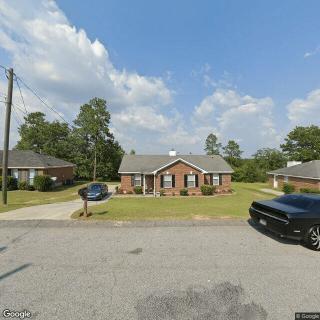



 Understanding the Distinctions: Assisted Living and Memory Care Explained
 Guiding Elderly Parents Who Refuse Assisted Living: 6 Practical Steps
 Your Comprehensive Guide to Luxury Assisted Living: Elevated Facilities, Amenities, and Costs