
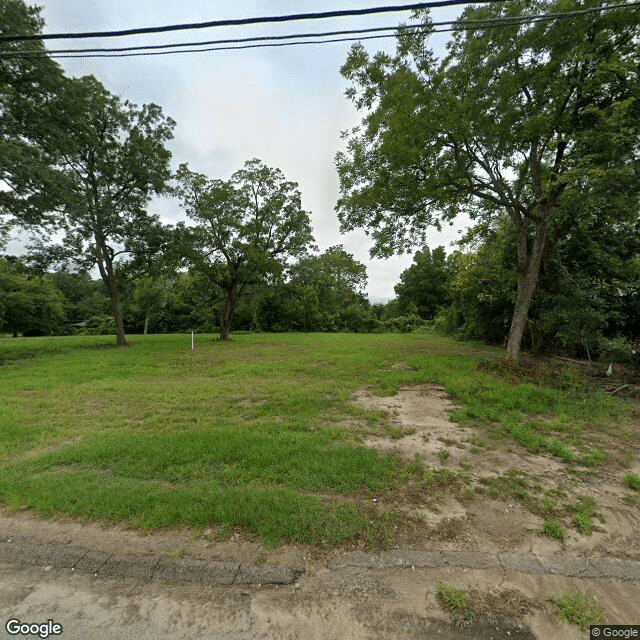
1945 15TH STREET, Augusta, GA 30901
To contact a resident: (706) 736-3832
For more information about senior living options: (866) 208-4318
FREEMAN PERSONAL CARE HOME Costs & Pricing
Freeman Personal Care Home offers a private room option priced at $4,474 per month. This rate is notably higher than both the average costs in Richmond County, which stands at $2,959, and the broader average for the state of Georgia, which is approximately $2,864. While the cost at Freeman Personal Care Home may reflect additional amenities or a specialized level of care that justifies the premium, it underscores a significant disparity when compared to local and statewide figures. Families considering this facility might find comfort in understanding that they could be investing in enhanced services or personalized care tailored to individual needs.
| Floor plans | FREEMAN PERSONAL CARE HOME | Richmond County | Georgia |
|---|---|---|---|
| Private | $4,474 | $2,959 | $2,864 |
Senior living communities with a similar price nearby
-
About the same

Thrive at Augusta
$4,560 to $5,950 / month6.9 miles away -
About the same

Benton House of Augusta
$4,350 to $5,010 / month6.3 miles away -
from -$574 / mo

The Claiborne at West Lake
$3,900 to $4,800 / month7.9 miles away -
from -$512 / mo

Brandon Wilde
$3,962 to $6,200 / month8.6 miles away -
About the same

Camellia Walk of Evans
$4,370 to $4,700 / month10.1 miles away
Overall Review of FREEMAN PERSONAL CARE HOME
Pros
 AT EASE is a wonderful group under the capable and kind supervision of Mike Middleton.
- They have shown patience, compassion, and understanding in dealing with residents and treating them with the respect that veterans deserve.
- Mike M. and his staff have been consistently accommodating and patient with the uncle who has been a resident there for over three years.
- The owner and staff are caring and compassionate and treat residents like family.
- They provide wholesome and nutritious meals, top-notch security, and an impeccably clean home at an affordable rate, with a convenient location near Wrightsboro Rd.
- The residents are happy and healthy in their new home and feel part of an extended family.
Review
This community is best suited for families seeking a warm, home-like personal care environment in Augusta, GA, where residents are treated with genuine respect and staff deliver patient, attentive care. The strongest fit is seniors who value a true “extended family” atmosphere, where caregivers know residents by name, maintain a clean and secure setting, and coordinate care in a way that reduces family worry. Location matters here: the facility sits in a neighborhood-friendly area with ready access to local medical providers, making routine appointments and urgent visits more manageable. In short, Freeman Personal Care Home is ideal for those who prize personal attention, continuity in caregiving, and a comfort-first approach over institutional scale.
Alternatives may appeal to families with higher medical needs or a desire for a larger, more program-rich campus. If a loved one requires intensive clinical management, frequent skilled therapies, or specialized memory care with structured oversight, this may not be the strongest fit. While the setting excels at being a home-like, intimate environment, the trade-off tends to be fewer on-site resources and a narrower menu of formal programs than larger facilities. Families should weigh whether robust wellness services and expansive activity calendars are essential, or whether the peace of a smaller, neighborly home takes priority.
The core strengths presented by Freeman Personal Care Home center on staff quality and resident dignity. Caregivers, including leadership, are described as capable, kind, and consistently accommodating, with a level of patience that supports residents through daily routines and transitions. This consistency translates into dependable supervision and a sense that each resident is handled with respect. For families, that steady presence reduces the anxiety of leaving a loved one in care, because the staff model sounds of trustful, supportive interactions rather than transactional caregiving.
In parallel, the practical advantages are pronounced. Nutritious meals that still feel home-cooked, top-notch security measures, and an impeccably clean living environment create a reliable baseline of daily comfort and safety. The affordability angle is repeatedly highlighted, which makes Freeman a compelling option for families mindful of ongoing care costs. The stated home atmosphere, where residents appear happy and well cared-for, adds another layer of reassurance, especially for those who worry about social isolation or a sterile, impersonal feel in care settings.
That said, the best-fit families will recognize the natural trade-offs associated with a smaller, personal-care home. The intimate size naturally prioritizes individualized attention, but it can also limit the breadth of services and the pace of program development found in larger facilities. Prospective residents should confirm how medical oversight, therapy options, and activity offerings align with current needs. If a loved one requires frequent clinical coordination, specialized support, or a more diverse activity slate, these are points to verify during visits and conversations with the team.
Ultimately, Freeman Personal Care Home stands out for those who want a trustworthy, affordable, and neighborly option that emphasizes respect, continuity, and a true sense of belonging. Families should pursue visits to observe daily routines, meet the direct care team, and experience the atmosphere firsthand to confirm that the “home first” culture matches expectations. For seniors who prioritize heartfelt caregiving, stability, and proximity to Augusta’s medical network, this community warrants serious consideration. If higher medical acuity or expansive programming is non-negotiable, however, explore alternatives that foreground those capabilities before making a final commitment.
 Board and Care Home
 Bush (6 miles away)



 Encouraging Participation in Adult Day Care: A Guide to Supporting a Hesitant Parent
 Comprehensive Exploration of Living Wills and Other Advance Directives
 A Detailed Exploration of Living Wills and Advance Directives