

2233 Martin Luther King Jr Bl, Augusta, GA 30904
To contact a resident: (706) 738-6711
For more information about senior living options: (866) 208-4318
Overall Review of Howard Personal Care Home
Pros
 Things here are done the right way.
- The organization is Black-owned and women-led, offering a forever home that provides hope and support.
- The staff is lovely and delivers great service, giving visitors an at-home feeling.
- It is a family-oriented organization with highly recommended service.
Cons
 The houses were disgusting, and the location and wellness care were poor.
- They nearly froze in winter.
- The place should be shut down.
Review
Howard Personal Care Home in Augusta, GA is best suited for families seeking a small, family‑style care setting where residents are treated with warmth, personal attention, and a sense of belonging. This community tends to resonate with those who value an at‑home atmosphere, a Black‑owned, women‑led mission, and a caregiving culture that prioritizes relationships over polish. When the priority is daily companionship, personal connection, and a welcoming, almost “home beyond home” feel, this option often delivers. For seniors who want to feel part of a close-knit community and whose needs can be met with hands‑on, attentive caregiving in a smaller setting, Howard Personal Care Home offers a compelling fit.
That said, it is essential to consider who may want to look elsewhere. Families with top‑tier expectations for pristine facilities, expansive common areas, or a robust, highly visible medical infrastructure may be better served by larger, more clinical options. Several reviews flag significant concerns about the physical condition of the houses, the location, and heating in winter, alongside questions about the scope and consistency of wellness care. For residents with complex medical needs requiring consistent skilled nursing, frequent on‑site medical oversight, or highly structured amenities, alternatives that emphasize a formal care continuum may be more reassuring.
The strongest, most consistent positives point to staff quality and the overall service experience. Residents and visitors repeatedly describe a staff who are loving, capable, and genuinely caring, delivering an at‑home feeling that makes visits and stays feel familiar and comforting. The family‑oriented culture shines through in evident attention to daily routines, personalized care, and a sense that the community functions as a small, supportive extended family. These strengths create trust and emotional security, which can significantly offset the fatigue or anxiety that often accompanies aging in place. For families prioritizing connection, these intangible assets matter immensely.
However, the main drawbacks cannot be dismissed. Recurrent critiques focus on physical upkeep, disgusting houses and questionable upkeep of the environment, as well as location drawbacks and inconsistent wellness care. Such concerns translate into real considerations for safety and comfort: aging in a space that feels neglected or inadequately heated can undermine overall well‑being, particularly for residents with mobility challenges or sensitivities to cold. Even if the caregiving heart is strong, a mismatch between the living environment and basic safety standards can erode trust and satisfaction over time.
Decision‑making should be guided by a careful diligence plan. Prospective families should request current inspection and licensing records, tour the facility with a focus on cleanliness, heating, and general upkeep, and speak with multiple staff members about how care plans are developed and monitored. It’s prudent to observe a mealtime or activity session to gauge whether the environment supports real comfort and safety. Ask for references from families with residents at similar care levels, and probe how often maintenance issues are resolved and how quickly. A transparent, data‑backed picture of everyday operations will reveal whether the pros truly balance the cons.
In sum, Howard Personal Care Home offers undeniable warmth, a personal touch, and a principled, family‑centered approach that can be a lifeline for seniors who prize belonging and personal connection. The question is whether those strengths align with the resident’s needs for environment, maintenance standards, and consistent, advanced wellness support. For families who can tolerate, or even overlook, some physical shortcomings in favor of a trusted, intimate community, this setting can be a meaningful choice. For those who cannot compromise on cleanliness, safety infrastructure, and robust medical oversight, active exploration of alternatives is strongly advised. The right fit hinges on a clear priority: relationship‑driven care and home‑like living versus a higher level of facility standardization and clinical support.
 Bush (6 miles away)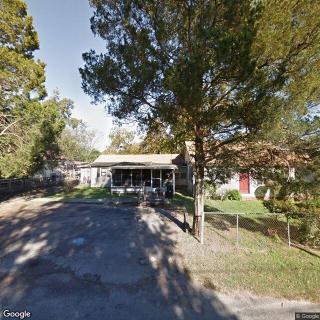





 Comprehensive Guide to Qualifying for Home Health Care Services
 Powerful Realities of Elder Abuse and the Most Effective Ways to Report It
 Ten Vital Duties of a Senior Caregiver: A Comprehensive Guide