
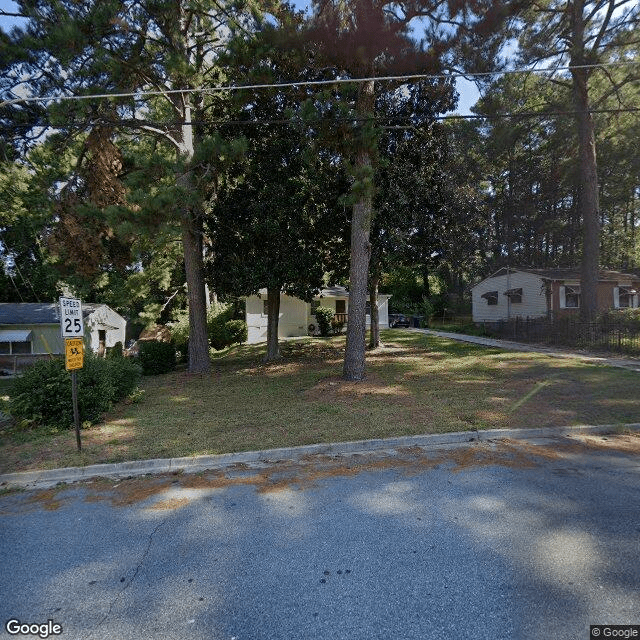
3621 Clovis Ct NW, Atlanta, GA 30331
To contact a resident: (404) 691-7470
For more information about senior living options: (866) 208-4318
Overall Review of Truitt's Personal Care Home
Pros
 Safe Haven at Brookhaven is described as the most wonderful place for loved ones.
- Alla and her team are loving, caring, and devoted to residents’ comfort and medical and emotional needs.
- The staff treat residents like family, creating a warm, home-like, peaceful environment.
- Families feel at ease knowing that everything possible is being done for their loved ones.
- The caregivers and residents become a family to residents and their families.
- Safe Haven provides a stable, compassionate staff and an upscale, clean setting.
- The facility has a 6:1 resident-to-staff ratio, delivering personal, attentive care.
- Residents feel safe, loved, and well cared for with around-the-clock attention.
- Detra and Alla are highlighted leaders who are attentive, responsive, and often go above and beyond.
Cons
 The provided reviews are overwhelmingly positive and do not contain third-person negative statements. If you’d like, I can create neutral or balanced statements instead.
Review
This type of community is best suited for families seeking a true home-like setting for a frail elder or memory-impaired adult who needs constant supervision but does not require a hospital-style environment. It shines for residents with dementia or Alzheimer’s who benefit from a small, intimate community where caregivers know names, preferences, and daily routines. The strongest case rests on an exceptionally consistent, caring staff with proven ability to coordinate medical and emotional needs while preserving dignity. In this model, residents enjoy private rooms with their own bathrooms and meals that feel familiar, delivered in a calm, orderly house that prioritizes safety and personal attention over institutional formality. For families, the result is peace of mind and the sense that a loved one is cherished rather than processed.
Alternatives to consider come into play for families who emphasize social stimulation, a busy calendar of activities, or a more clinical nursing footprint. If a resident craves constant social engagement and a robust activity program, a larger community with broader programming may deliver more opportunities for interaction. If medical complexity requires on-site therapy options, advanced rehabilitative services, or immediate access to specialized nurses, a facility with a bigger clinical footprint could be a better match. Finally, if proximity to family, ease of visits, or a rapid admission process matters, exploring multiple options in the area ensures a smoother transition and ongoing reassurance.
Key advantages highlighted by families include a true home environment with a high caregiver-to-resident ratio, translating into attentive, individualized care and rapid response to needs. Staff turnover appears low, with caregivers forming stable relationships that make residents feel safe and valued. The environment feels clean, upscale, and non-institutional, featuring private rooms that support dignity and privacy. Dementia and memory-care needs are managed with careful attention, from daily activity adaptation to attentive monitoring and clear communication with families. The sense of family extends to staff involvement in care decisions and their support for families during end-of-life transitions, yielding confidence during the toughest times.
On the downside, the same intimate setting can feel quiet or limited for residents who thrive on social stimulation or bustle. A small footprint means fewer rooms and potentially longer waits for admission, as well as fewer opportunities for a wide range of activities or transportation options. While the care remains personal, the scale of amenities naturally constrains what a smaller home can offer versus larger, campus-style communities. Cost can also be a consideration, as the highly personalized, home-like approach often carries a premium relative to more generic assisted-living options.
Yet these strengths often flip the balance in favor of this model. The tight caregiver ratio and stable staff deliver continuity of care that is difficult to replicate in larger settings, reducing medical errors and miscommunications. Families sleep more easily knowing a loved one is never left unattended and that staff can catch subtle health changes early. The quiet, restorative environment supports restful sleep and reduces agitation, which is especially valuable for memory-impaired residents. The home atmosphere makes transitions smoother for residents who fear change, while the strong emphasis on family involvement ensures concerns are heard and quickly addressed. In short, for the right resident, the advantages dramatically outweigh the downsides of a smaller, calmer footprint.
Best-fit candidates are seniors who need consistent, compassionate, around-the-clock supervision in a home-like setting, with dementia care as a core strength and a preference for intimate relationships with caregivers. For families seeking a livelier social calendar or broader clinical services on-site, alternatives with bigger populations and expanded programming should be considered. Prospective residents should request a transparent care plan, verify staff-to-resident ratios, tour with careful attention to how caregivers interact with residents, and confirm food quality, cleanliness, and the accessibility of family participation in daily care. A thorough comparison across a few options, focusing on continuity of care, privacy, safety, and alignment with long-term goals and budget, will reveal whether this intimate model truly fits the caregiving journey ahead.
 Board and Care Home
 William B Hartsfield-Atlanta International (10 miles away)


 Urinary Tract Infections in Older Adults: Comprehensive Insights on Symptoms, Treatment, and Prevention
 California's Form 602A: An In-Depth Examination of Senior Care Assessment
 Comprehensive Look at Senior Blood Pressure Charts: Normal and Elevated Levels by Age