
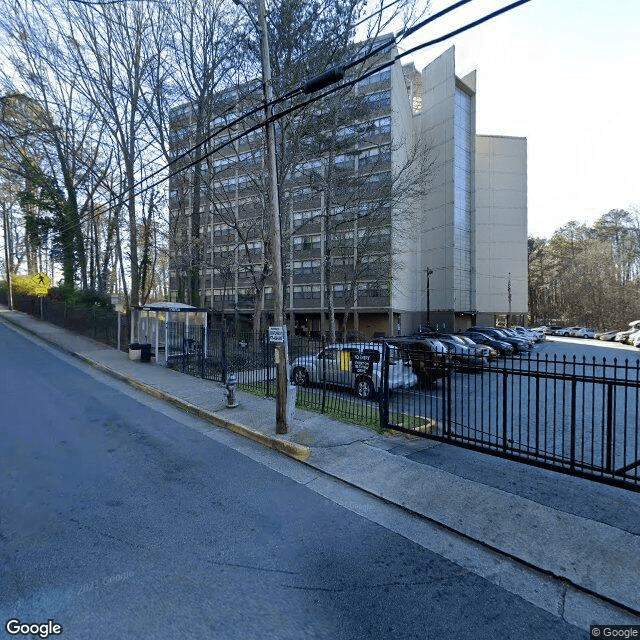
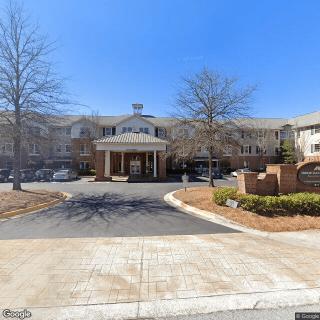
2611 Springdale Rd SW, Atlanta, GA 30315
To contact a resident: (404) 763-4044
For more information about senior living options: (866) 208-4318
Trinity Towers Costs & Pricing
Trinity Towers offers a remarkably competitive monthly rate for its one-bedroom units, priced at just $653. In comparison, the average costs for similar accommodations in Fulton County soar to approximately $3,411, while the state of Georgia reflects a nearly identical figure at $3,412. This stark contrast highlights Trinity Towers as an exceptionally affordable option for residents seeking quality living without the burden of inflated expenses typically associated with the area. By providing such value, Trinity Towers not only enhances affordability but also positions itself as an attractive choice amidst rising housing costs in both the county and the state.
| Floor plans | Trinity Towers | Fulton County | Georgia |
|---|---|---|---|
| 1 Bedroom | $653 | $3,411 | $3,412 |
Senior living communities with a similar price nearby
-
from +$96 / mo
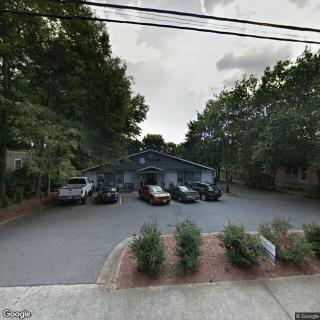
Spring House Senior Living
$749 / month14.9 miles away -
from -$105 / mo
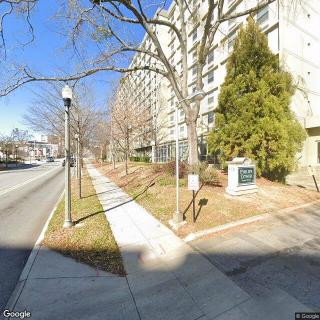
Philips Presbyterian Tower
$548 to $690 / month9.3 miles away -
from -$53 / mo

Heritage at Walton Reserve
$600 to $719 / month12.7 miles away -
from +$129 / mo
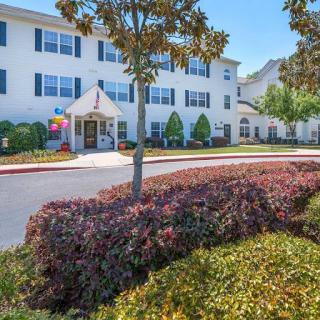
Ashton Arbors
$782 to $940 / month18.2 miles away -
from -$118 / mo
The Legacy at Walton Heights
$535 to $632 / month24.4 miles away
Overall Review of Trinity Towers
Pros
 The rent is cheap and considered good value.
- The facility is gated, offering security for residents.
- The staff is warm, friendly, and pleasant.
- Tenants praise the coordinator for being very helpful.
- Mr. Allen is credited with making the towers snazzy.
- There is a washer in the laundry room, adding convenience.
- The community is described as clean.
- The place would bring joy to a lonely retired man, indicating a welcoming home.
Cons
 The two elevators are frequently down, and plumbing problems often leave residents waiting for warm water.
- There are roaches and bedbugs infestations throughout the building.
- Emergency maintenance is non-existent or unresponsive, with urgent issues ignored or delayed.
- Security is inadequate: gates and intercoms are broken, and security cameras often donā€™t work.
- Parking is poorly managed: visitors have no parking, and employees occupy spaces including handicap spots.
- The building is dirty, with dirty trash chutes and standing water causing additional damage.
- Residents routinely receive 24-hour inspection notices at odd hours, disrupting privacy.
- Front office management is described as rude and unhelpful.
Review
Trinity Towers in Atlanta is best suited for budget-conscious seniors or adults who need low-cost, income-restricted housing and can tolerate a basic, imperfect living environment. It offers gated access and a markedly affordable rent, but it asks residents to accept aging infrastructure, persistent maintenance gaps, and inconsistent safety measures. For households prioritizing price over polish, and who can navigate sporadic service quality, Trinity Towers can be a workable option. Prospective movers should enter with clear expectations about comfort, not luxury, and with a plan for managing ongoing upkeep.
Those who require reliable upkeep and safety will want to consider alternatives. The reviews repeatedly flag recurring elevator outages, inconsistent hot water, and frequent plumbing problems, often alongside chronic pest issues. Emergency maintenance responsiveness appears unreliable at times, compounding the impact of these failures. Visitor access and parking are also problematic, which matters to families, caregivers, and healthcare workers. In short, Trinity Towers trades dependable operations for affordability, and that trade-off shows up in the day-to-day lived experience.
Yet there are tangible positives that some residents lean on. The standout monetary draw is the low rent, which makes independent living possible for budgets that would otherwise strain. A gated setting gives a basic sense of boundary and control, and several tenants note pockets of helpful or friendly staff, especially the on-site coordinator and, in some recollections, a staff member affectionately remembered as Mr. Allen. A functioning laundry area and a generally courteous front-office presence in certain interactions provide practical benefits, and for some residents these elements help create a workable routine despite broader service gaps.
The core drawbacks, however, are persistent and disruptive. Roaches and bedbugs recur, and infestations can feel almost routine to a tenant who endures them year after year. Elevators that frequently fail, plumbing leaks, and hot water outages leave residents scrambling to shower, wash clothes, and maintain basic hygiene. The maintenance force appears understaffed or inconsistent, with emergency repairs sometimes going unaddressed for hours or longer. Flooding and water-related damage have also been reported, alongside aging interiors and small studio layouts that limit comfort and mobility. Security concerns surface through broken gates, malfunctioning cameras, and perceived gaps in on-site oversight, amplified by complaints about parking and after-hours safety.
These conditions translate into concrete risk and daily friction. Inadequate pest control raises ongoing health concerns; water issues threaten routine living, and delayed repairs elevate the risk of further damage and safety incidents. The sense of security feels fragile when gate and camera reliability is questioned, especially for residents with mobility limitations or health vulnerabilities. The atmosphere of frequent inspections and repair delays fosters a chronic feeling of instability rather than reassurance, making sustained independence more challenging than the nominal rent alone would suggest.
For families weighing Trinity Towers, the decision hinges on budget tolerance and risk assessment. If the priority is ultra-low housing costs and independence with the willingness to live with persistent maintenance challenges, Trinity Towers can work, provided there is a realistic plan for handling ongoing issues and a tolerance for imperfect safety practices. If, instead, reliability, pest control, prompt maintenance, well-functioning utilities, and stable security are non-negotiable, alternative options deserve serious consideration. Prospective residents should press for concrete assurances: current elevator status and service level agreements, pest-control schedules and outcomes, rapid response timelines for urgent repairs, comprehensive security measures (gate operations, camera uptime, patrol presence), clear visitor parking policies, and a recent safety inspection record before committing to this community.
 Active Adult Communities (55+)
 Cats allowed
 Dogs allowed
 Activities off-site
 Bath tubs
 Devotional services off-site
 Indoor common areas
 Outdoor common areas
 Wheelchair accessible showers
 William B Hartsfield-Atlanta International (3 miles away)

 Comprehensive Insights into Palliative Home Care: What It Is and What to Expect
 Skilled Nursing Facilities vs. Nursing Homes: Making Sense of the Differences
 A Detailed Examination of Nursing Home Costs Across the U.S.