
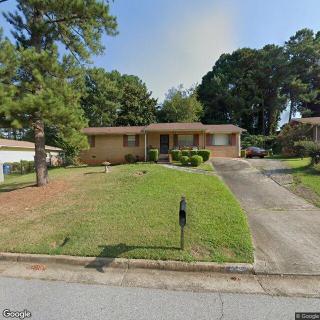
3166 Abbey Drive SW, Atlanta, GA 30331
To contact a resident: (912) 259-5128
For more information about senior living options: (866) 208-4318
Overall Review of Tender Caring Home Services, LLC
Pros
 The care received was outstanding.
- The company moved quickly to provide the needed care.
- She was settled in nicely and was pleased with the caregivers placed with her.
- They would recommend the company to anyone.
- They have a knack for finding very nice, respectful people.
- Two caregivers were incredible in how they handled the loved one.
- Some caregivers are wonderful, and once they're there, they're all great.
Cons
 The caregivers are not the most reliable.
- The service is administratively lacking.
- Only one caregiver is reliably timely and attentive.
- Some caregivers are lacking in reliability.
- The caregivers have been consistently late or failing to show up.
Review
Tender Caring Home Services is best suited for families who need a rapid, practical transition into in-home care and who can actively supervise and coordinate the caregiving team. The standout feature is the ability to move quickly, placing a loved one and getting caregivers on-site fast enough to reduce uncertainty and stress. For families watching a transition happen with a calm, respectful staff, this agency can deliver an immediate start and a personable, compassionate bedside presence. Additionally, the service is generally affordable, which makes it appealing for households mindful of cost without wanting to sacrifice basic decency and warmth in care.
That speed and affordability come with clear trade-offs that families should weigh carefully. The model works best for those who can tolerate variability in who shows up and when, rather than relying on a single, consistently assigned caregiver. If a senior requires uniform staff, predictable attendances, and a tightly coordinated schedule, Tender Caring Home Services may feel lean or improvised. For individuals with more complex medical needs, or for families seeking a highly regimented administrative backbone to handle shifts and contingencies, alternatives with stronger centralized scheduling and QA processes may be preferable.
On the plus side, several reviewers highlight genuinely outstanding moments: the agency is capable of locating compassionate, respectful caregivers, and the initial onboarding can be admirable. When the right caregiver is in place, the care delivered feels solid, even exceptional in the eyes of family members who connect with that caregiver’s approach and attentiveness. The ability to mobilize quickly also minimizes the gap between the decision to seek help and the actual hands-on support, which lowers the emotional burden during a vulnerable time for a loved one.
Yet the most significant red flag appears in reliability and consistency. Several reviewers describe caregivers who are not the most reliable, with issues around lateness or even missed visits. The care quality, while strong with some personnel, becomes inconsistent because administration and scheduling lag behind the needs of the patient and the family. A pattern emerges: when the team arrives, they can be excellent; the problem is ensuring timely, dependable attendance across the entire caregiving roster over time. For families relying on steady, predictable coverage, this inconsistency can undermine safety and peace of mind.
The practical implication is that the pros can offset the cons only for families who are prepared to act as active coordinators. If a household designates a trusted family liaison or care manager to verify schedules, approve back-ups, and quickly flag gaps, the strong interpersonal skills of individual caregivers can shine and the overall experience improves. The agency’s affordability is a meaningful advantage, but it cannot fully compensate for ongoing administrative gaps without proactive family involvement. In other words, success with Tender Caring hinges on hands-on oversight rather than passive reliance on the company’s scheduling.
The bottom-line recommendation is clear: this community is not the default choice for families seeking a flawlessly reliable, highly uniform caregiving program. It is, instead, a viable option for those who need fast placement, appreciate sincere caregiver warmth, and are prepared to supervise and stabilize the schedule themselves. For residents with more complex medical needs, or for households seeking tight, guaranteed attendance without daily management, exploring other agencies with stronger administrative rigor and consistent caregiver assignments is prudent. In the right circumstances, Tender Caring can be a solid, cost-conscious bridge to safer, more stable care.
 William B Hartsfield-Atlanta International (8 miles away)




 Fecal Incontinence in Older Adults: A Comprehensive Guide
 Recognizing the Journey: Understanding and Navigating Anticipatory Grief
 Encouraging Participation in Adult Day Care: A Guide to Supporting a Hesitant Parent