
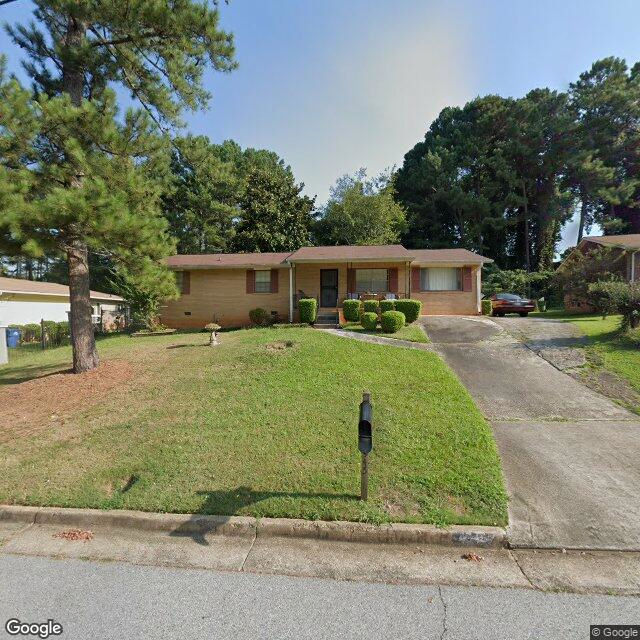
4545 St. Andrews Sr., Atlanta, GA 30331
To contact a resident: (404) 346-0493
For more information about senior living options: (866) 208-4318
Lovely Home Care Costs & Pricing
Lovely Home Care offers a competitive pricing structure for its services, with a private room costing $1,600 per month. This rate stands in contrast to the average costs in Fulton County, where the monthly charge is significantly higher at $3,203. Furthermore, when we look at the broader state level in Georgia, the average monthly cost escalates to $2,864. This positioning not only reflects Lovely Home Care's commitment to affordability but also highlights its potential as an attractive option for families seeking quality care without compromising on cost.
| Floor plans | Lovely Home Care | Fulton County | Georgia |
|---|---|---|---|
| Private | $1,600 | $3,203 | $2,864 |
Senior living communities with a similar price nearby
-
from -$100 / mo
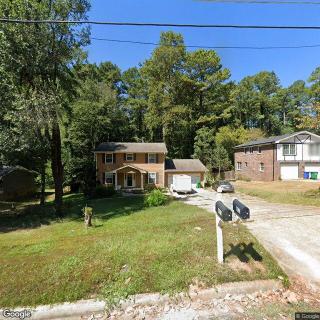
Americare Group
$1,500 / month19.4 miles away -
from -$100 / mo
Lend A Hand Personal Care Home
$1,500 to $2,000 / month12.8 miles away -
from -$250 / mo
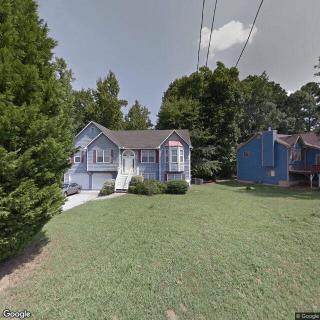
Le'glen Personal Care Home
$1,350 to $2,150 / month14.5 miles away -
from -$100 / mo
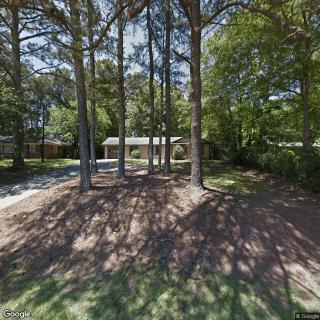
Yellow Rose at Worley
$1,500 to $2,000 / month23.8 miles away -
from +$100 / mo

Rose's Premier Personal Care Home
$1,700 / month9.4 miles away
Overall Review of Lovely Home Care
Pros
 Genesis Omega Housing is a very nice community.
- It is kept very well and clean throughout.
- The staff is very pleasant and communicates well.
- The facility is very nice with caring staff.
- Everyone is flexible and accommodating.
- They provide a very adequate service for caring for relatives, with opportunities for personal attention, activities, and outside interests.
- There is enough parking.
- The dining is well-received, with the quality of food depending on the chef on duty.
Cons
 The food quality varied depending on which chef was on duty, causing inconsistency.
- Families would have to put in the effort to provide personal attention or activities, which could be burdensome.
Review
Genesis Omega Housing in Atlanta, GA is best suited for seniors who want a warm, well-maintained environment with responsive staff and clear, steady communication, and for families prepared to participate in care planning and daily social activities. The community delivers a reassuring, home-like feel where cleanliness and a friendly front-line team are evident. It works well for residents who do not require a highly structured, medicalized program but still want dependable care, a pleasant dining atmosphere, and an approachable staff that keeps families in the loop.
Those weighing alternatives should consider options if a higher level of medical oversight or a more calendar-driven activities program is essential. If memory care support, intensive daily supervision, or consistently gourmet meals are non-negotiables, other communities may better meet those needs. For families facing chronic health management or complex care needs, a setting with more formalized care protocols and a richer enrichment calendar could be a better match.
The strongest pros here are the basic fundamentals: a facility that is kept very well and clean, with a pleasant, accommodating staff that communicates well. The atmosphere feels welcoming, and staff flexibility helps accommodate changing routines or preferences. Parking is ample, which makes family visits straightforward, and the dining room is generally well-regarded, with credible praise for meals when the kitchen’s chef aligns with residents’ tastes. These elements combine to create a low-friction environment where residents can feel comfortable and safe.
Where the reviews hint at trade-offs, the most notable is the variability in dining experience and the expectation that families contribute to personal attention and activities. Food quality can depend on who happens to be on the stove from day to day, which means some meals may be standout while others are merely satisfactory. Additionally, care is described as adequate rather than comprehensive, signaling that while day-to-day needs are well managed, there may be less built-in programming for enrichment, social engagement, or specialized therapies. That combination can leave a gap for residents who thrive on structured activity or proactive cognitive stimulation.
Nevertheless, the positive attributes offset those gaps in meaningful ways for many families. A well-kept environment and consistently pleasant staff reduce daily stress and foster a sense of security. Strong communication from caregivers helps families stay informed and engaged without feeling overwhelmed, while flexible scheduling supports a collaborative approach to care. Ample parking makes it feasible for relatives to visit and participate, reinforcing the sense of a true partner in care. When the kitchen aligns with resident preferences, meals can feel satisfying and add to the comfort of daily life.
For families serious about this community, a practical next step is to arrange a tour focused on daily routines and meal planning. Inquire about the typical menu cycle, who handles meals, and how often the kitchen changes staffing; request a sample meal if possible. Ask to review the activity calendar and staffing levels for consistent engagement opportunities, and discuss how medical oversight is handled for routine health needs. If the goal is a highly active social calendar or guaranteed gourmet dining, consider other communities; if the priority is a clean, friendly setting with dependable staff and room for family involvement, Genesis Omega Housing stands out as a solid, pragmatic choice in Atlanta.
 Board and Care Home
 Activities off-site
 Devotional services off-site
 Private
 William B Hartsfield-Atlanta International (7 miles away)
 Medication management
 Meals provided





 Home Health Care Demystified: A Comprehensive Guide for Families and Caregivers
 Seniors and Modern Transportation: Exploring Uber, Lyft, and Other Ride-Hailing Options
 Comprehensive Guide to Qualifying for Home Health Care Services