For more information about senior living options: (866) 208-4318
3.8 from 120 reviews
5 stars
73
4 stars
7
3 stars
6
2 stars
6
1 stars
28
The Shepherd's House Of Love Costs & Pricing
The Shepherd's House of Love offers competitive pricing for its accommodations compared to both Fulton County and the broader state of Georgia. For semi-private rooms, the cost is set at $1,500 per month, which is significantly lower than the average rates of $2,883 in Fulton County and $2,529 statewide. Private room rates range from $3,000 to $5,000, which are still relatively attractive against Fulton County's average of $3,203 and Georgia's overall rate of $2,864. For those seeking more independent living options, a studio unit is priced at $3,400 per month - slightly below Fulton County's average of $3,618 and slightly above the state average of $3,520. Lastly, one-bedroom accommodations are offered at $4,099 monthly; while this surpasses the county's average of $3,411 and aligns closely with the state's figure of $3,412. Collectively, these pricing strategies position The Shepherd's House of Love as a compelling option within its market segment.
Floor plans
The Shepherd's House Of Love
Fulton County
Georgia
Semi-Private
$1,500
$2,883
$2,529
Private
$3,000 to $5,000
$3,203
$2,864
Studio
$3,400
$3,618
$3,520
1 Bedroom
$4,099
$3,411
$3,412
Assisted Living communities with a similar price nearby
Residents describe a structured program with daily expectations and faith-based activities.
Several residents say the day-to-day experience is shaped by a structured program, including scheduled activities and participation expectations. Reviews also point to faith-based elements such as biblical studies and devotional services, along with counseling and learning-focused programming. The community offers a range of scheduled activities and religious services that match what residents describe as part of the program. Some residents note that the structure includes early wake-ups and strict routines, so it may not feel flexible for everyone.
common12 reviews mention this
Food support is a frequent theme
Meal service is a consistently mentioned part of the experience.
Many reviews describe the food as good or highlight that meals were provided without them missing out. A few residents contrast that by describing times when meals or food and water were not provided as expected, including when they felt turned away. The community’s meal service and special dietary options are part of what residents connect with, including references to religious-style meal preferences and other dietary needs. Overall, residents seem to tie day-to-day stability to whether they can reliably access meals while in the program.
common13 reviews mention this
Staff support runs both ways
Residents mention both helpful, professional support and disruptive or rude interactions.
On one end, many residents praise the staff as professional, friendly, and supportive, including counselors and the intake team. Several reviews also describe staff as knowledgeable about the needs of residents, including medication-related monitoring and communication. On the other end, other residents report unprofessional behavior, rudeness, and concerns about how some staff treat people or handle progress. Because experiences vary by reviewer, it’s best to consider staff responsiveness and consistency as an area to ask about during intake.
caveat9 reviews mention this
Safety, theft, and substance concerns
Some residents raise serious concerns about safety and daily conditions.
While some reviews describe an orderly environment, several residents report safety issues such as drugs being present, theft of personal items, and concerns about hygiene and illness. Other negative reviews describe incidents involving harassment, identity-related fraud, or belongings being searched and discarded. A few residents also mention ongoing disruptions that made them feel they needed to stay alert. These mixed reports suggest residents’ experiences can range widely, so it’s important to clarify procedures around contraband, personal property, and health standards.
caveat2 reviews mention this
Phone responsiveness is inconsistent
Reviews describe inconsistent phone responsiveness during outreach.
One reviewer says they called for several days and never got an answer, even after leaving multiple voicemail messages. Another reviewer mentions warm greetings from staff on the phone. Together, that points to variability in how easily someone can reach the community by phone, which can matter when trying to coordinate intake or services.
How we summarize
Counts show how many written reviews mention each theme; a review can touch several themes, and only frequently mentioned themes are displayed.
Features
Housing
2 resident community capacity
Types of Care
Assisted Living
Board and Care Home
Amenities
Activities off-site
Activities on-site
Air-conditioning
Bath tubs
Cable or satellite TV
Devotional services off-site
Dining room
Fireplaces
Full kitchen
Fully furnished
Garden
Ground floor units
Housekeeping services
Indoor common areas
Kitchenette
Move-in coordination
Outdoor common areas
Outdoor space
Private
Private bathrooms
Respite or short term stays offered
Swimming pool / hot tub
Telephone
Wheelchair accessible showers
Wi-Fi/high-speed internet available
Transportation
William B Hartsfield-Atlanta International (9 miles away)
Care Services
24-hour supervision
Activities of daily living assistance
Ambulatory care
Assistance with bathing
Assistance with dressing
Assistance with transfers
Coordination with health care providers
Diabetes diet
Diabetic care
High acuity care
Incontinence care
Meal preparation and service
Medication management
Special dietary restrictions
Transportation arrangement (medical)
Transportation to doctors appointments
Dining
Anytime dining
Diabetes diet
Gluten-free
Guest meals
International cuisine
Kosher
Low / no sodium
Meals provided
No Sugar
Organic
Room service
Special dietary restrictions
Vegan
Vegetarian
Activities
Art classes
Bible study group
Catholic services
Choir / singing club
Community service programs
Community-sponsored activities
Cooking classes
Day trips and outings
Devotional activities offsite
Gardening club
Protestant services
Scheduled daily activities
Stretching classes
Visiting chaplain or priest
Nearby Places of Interest
This area of Atlanta, Georgia offers a convenient and diverse range of amenities for senior living. Close proximity to several pharmacies such as CVS Pharmacy and Walgreens ensures easy access to necessary medications. There are also a variety of physician offices nearby including Atlantic Premier Obgyn and Atlanta Gastroenterolgy for medical care. Parks like Stonewell Park and Trammell Crow Park provide opportunities for outdoor recreation and relaxation. Additionally, there are several dining options such as Zaxby's and Chick-Fil-A for enjoying meals out. Places of worship like Bethel United Methodist Church offer spiritual support, while cafes like Starbucks provide social settings for meeting with friends. Transportation options include bus stops and rental car services for easy travel around the area. Overall, this neighborhood in Atlanta provides a well-rounded environment with essential resources for seniors looking to settle in the area.
Pharmacies
CVS Pharmacy (1.1 miles)
Walgreens (3.8 miles)
Walgreens (4.1 miles)
Walmart Pharmacy (6.4 miles)
Wayfield Foods (6.5 miles)
Walgreens (6.7 miles)
CVS Pharmacy (7.3 miles)
Physicians
Atlantic Premier Obgyn (1.1 miles)
Southwest Atlanta Vascular Care (3.5 miles)
Atlanta Gastroenterolgy (3.6 miles)
Arnika Dawkins (3.6 miles)
Premier South Medical Group (3.6 miles)
Berkeley Medical & Rehab Center (4.9 miles)
Greater Atlanta OB Gyn Associates PC (7.3 miles)
Parks
Stonewell Park (1.6 miles)
Trammell Crow Park (3.2 miles)
Sweetwater Creek State Park (6.4 miles)
Anderson Park (8.1 miles)
Restaurants
Cigaros (1.7 miles)
Zaxby's (2.9 miles)
Bojangles' Famous Chicken 'n Biscuits (3.2 miles)
Zaxby's (3.8 miles)
Chick-Fil-A (4.2 miles)
McDonald's (4.3 miles)
Wendy's (4.3 miles)
Places of Worship
Bethel United Methodist Church (2.9 miles)
Atlanta West Pentecostal Church (7.8 miles)
East Point Church (8.6 miles)
Church At ChapelHill (8.6 miles)
Cafes
Starbucks (4.3 miles)
Starbucks (4.3 miles)
Starbucks (7.6 miles)
Transportation
Bus Shed #1 (6.6 miles)
Signature Flight Support FTY - Fulton County Airport (6.7 miles)
The Shepherd's House of Love offers competitive pricing for its accommodations compared to both Fulton County and the broader state of Georgia. For semi-private rooms, the cost is set at $1,500 per month, which is significantly lower than the average rates of $2,883 in Fulton County and $2,529 statewide. Private room rates range from $3,000 to $5,000, which are still relatively attractive against Fulton County's average of $3,203 and Georgia's overall rate of $2,864. For those seeking more independent living options, a studio unit is priced at $3,400 per month - slightly below Fulton County's average of $3,618 and slightly above the state average of $3,520. Lastly, one-bedroom accommodations are offered at $4,099 monthly; while this surpasses the county's average of $3,411 and aligns closely with the state's figure of $3,412. Collectively, these pricing strategies position The Shepherd's House of Love as a compelling option within its market segment.
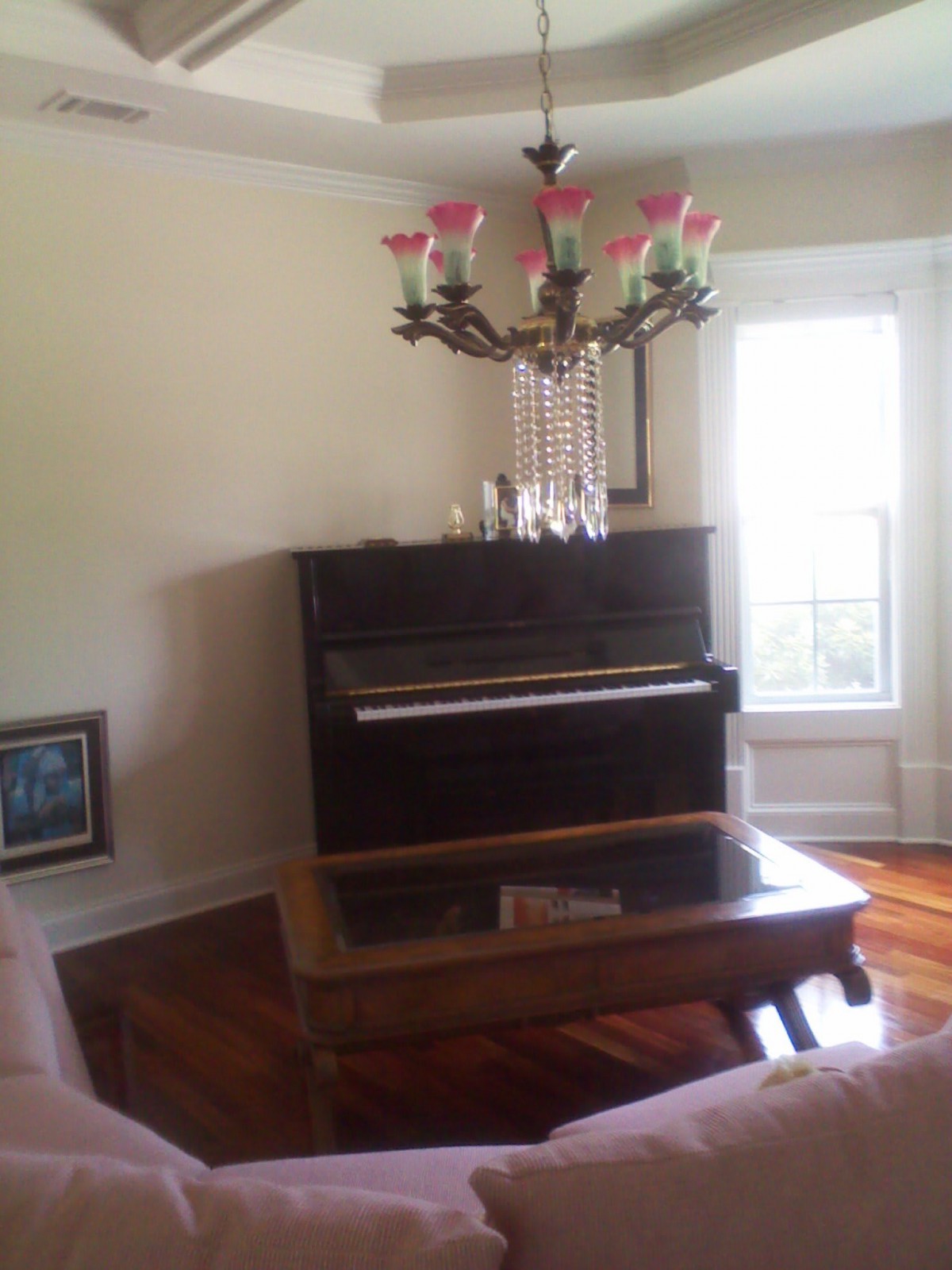
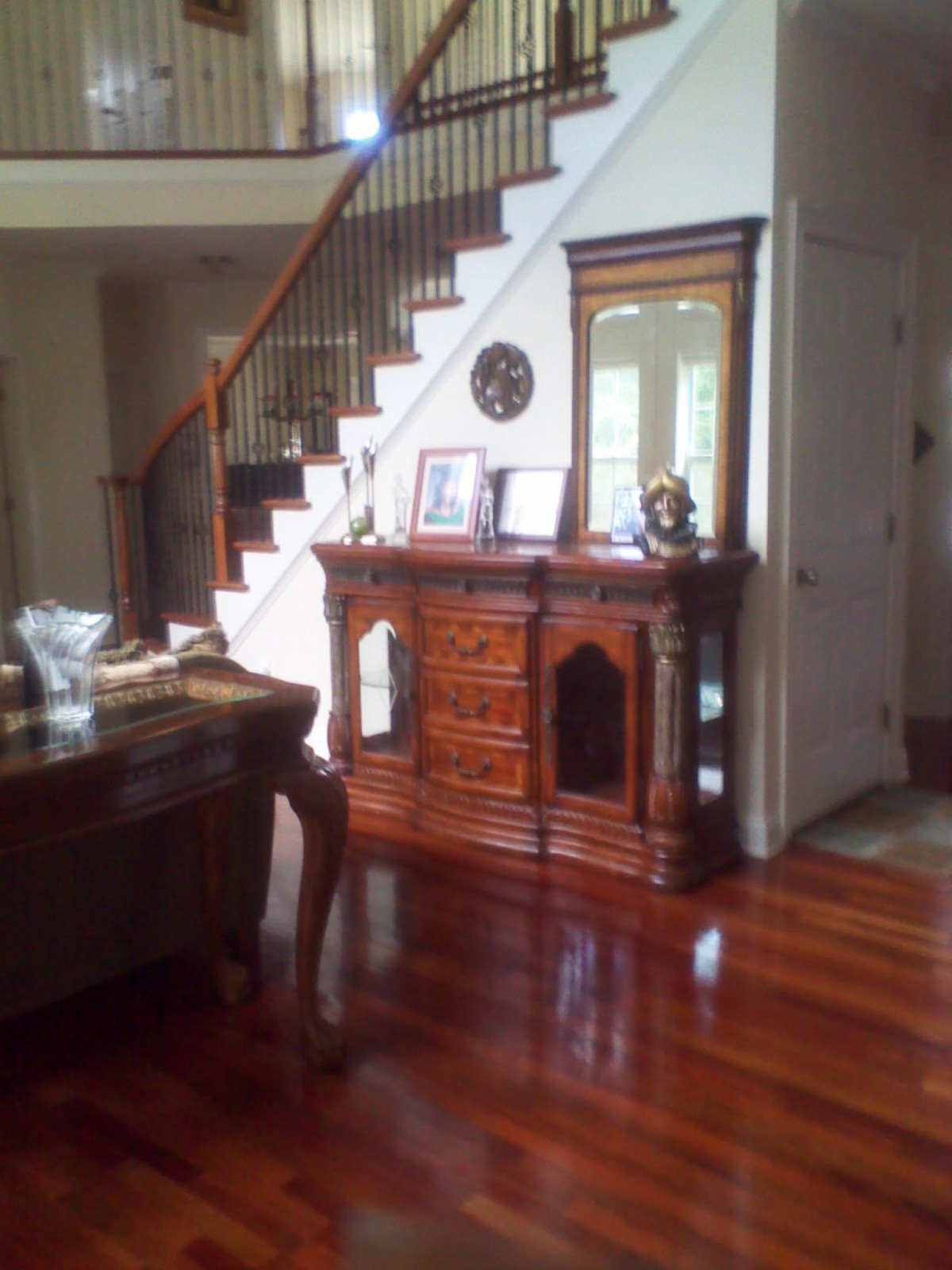
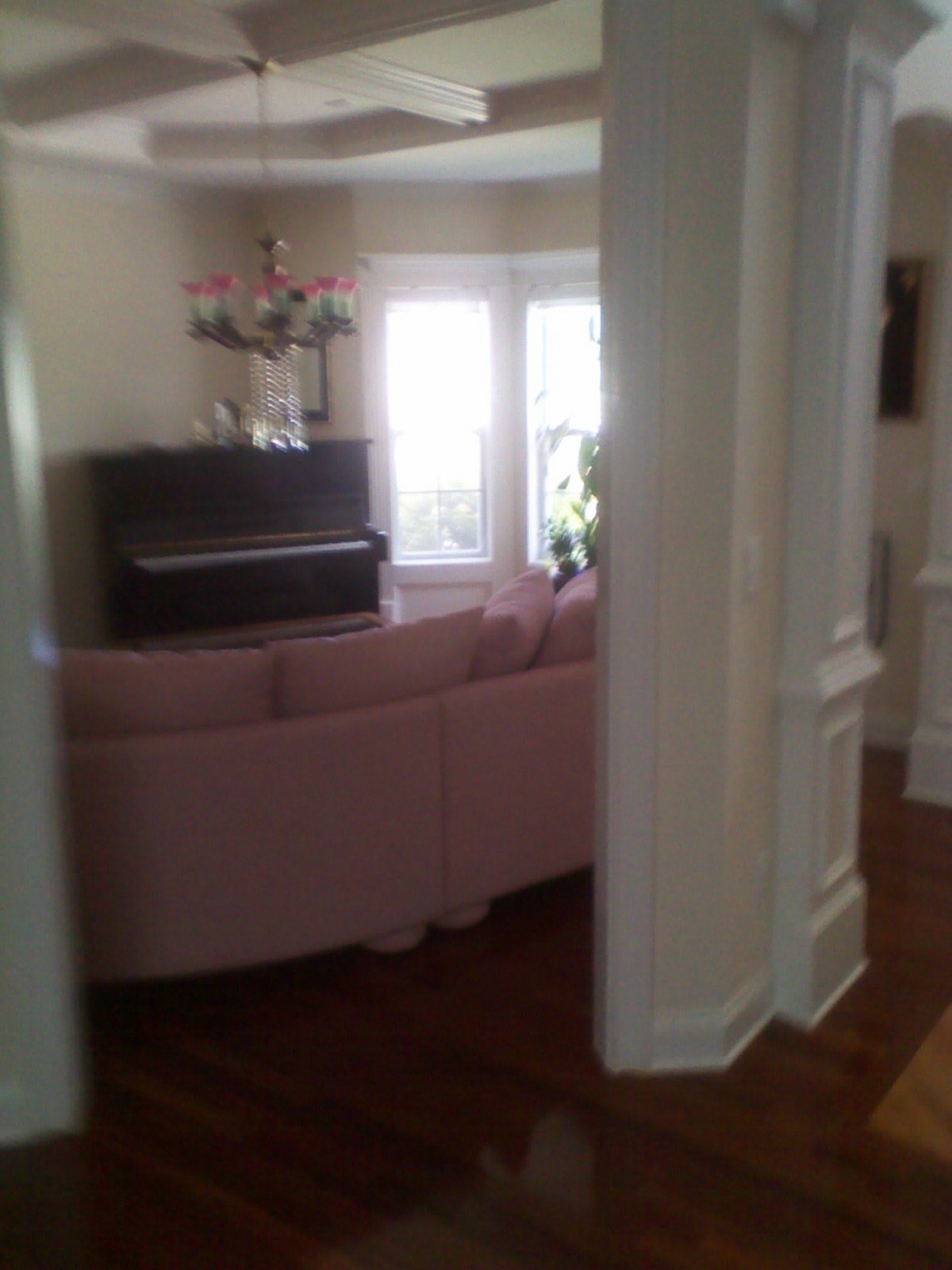
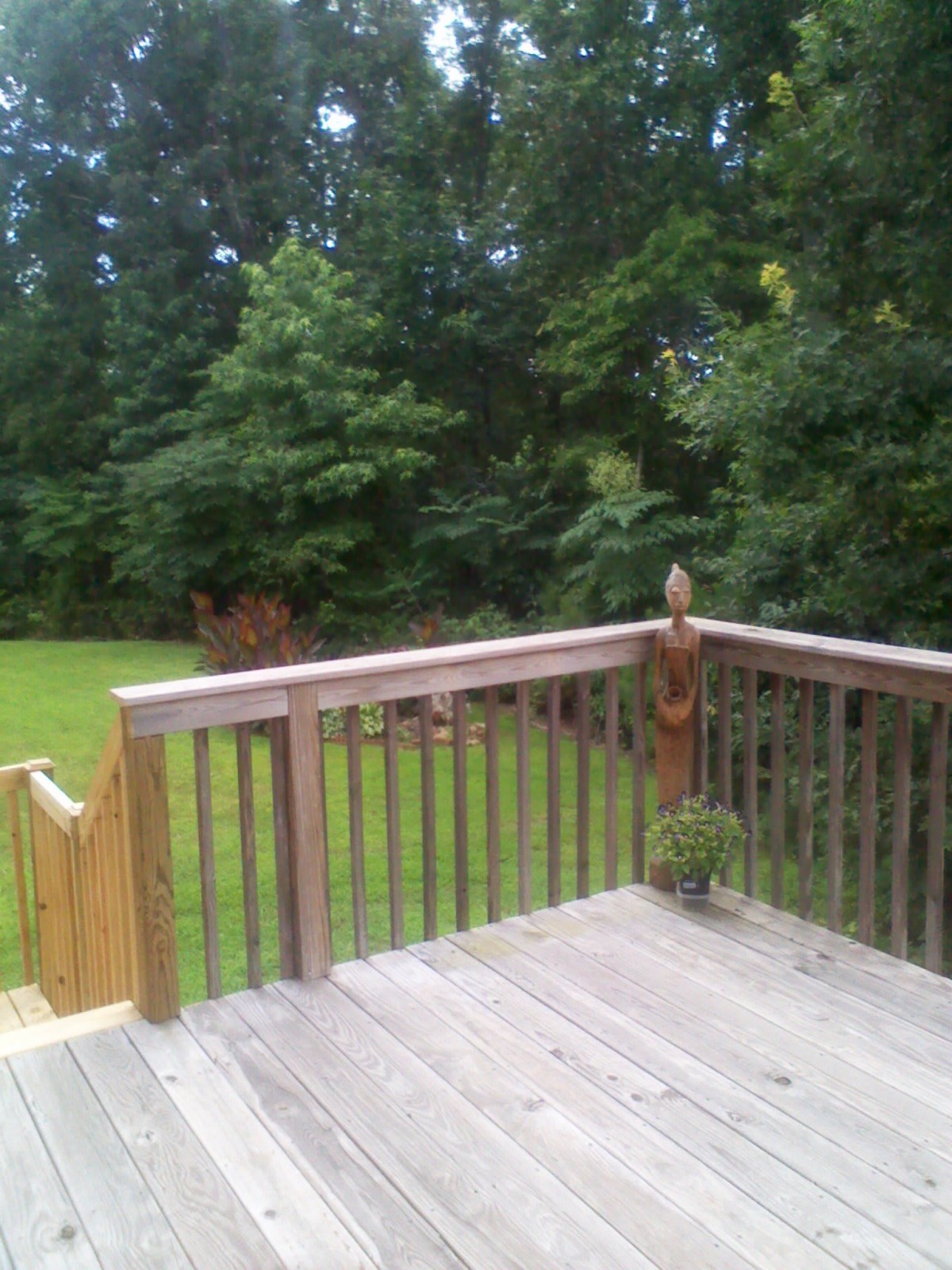
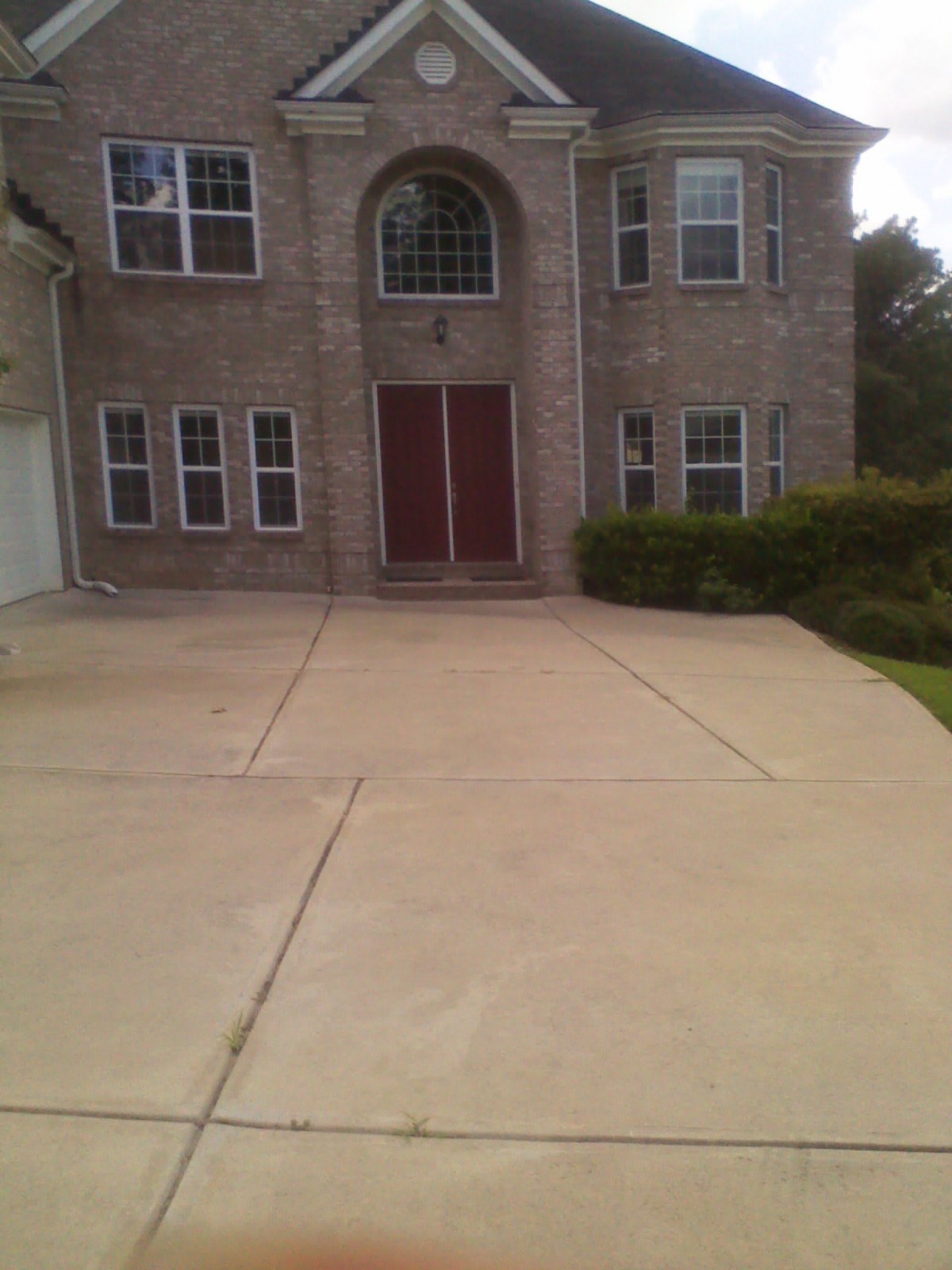
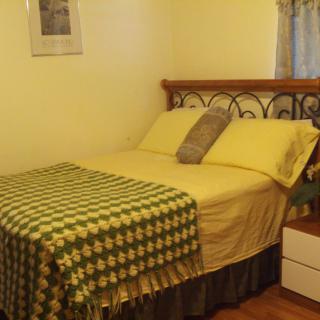
The Shepherd's House Of Love on seniors.fyi includes 9 photos including images showing interior, living room, windows, piano, decor, chandelier, hardwood floor, kitchen, and more.
Nearby Communities
Life Community Resources
Atlanta, GA
Small, personalized community with comprehensive care and amenities.
Saint Joseph Place
Atlanta, GA
3.4 from 14 reviews
Friendly staff; clean, well-maintained facilities with affordable, income-based rent.
Eagles Care Home
Atlanta, GA
$1,516 to $2,200 / month
Competitive pricing for private/semi-private rooms; private bathrooms with tubs; robust activities and faith-based services.
Home Of Love Pch
Atlanta, GA
Personalized care in a homelike setting with engaging activities.
Lovely Home Care
Atlanta, GA
4.3 from 6 reviews
$1,600 / month
Whole 4 Life
Atlanta, GA
$2,000 / month
Affordable private rooms at $2,000/mo with high-acuity care.
Legacy at Walton Lakes
Atlanta, GA
4.3 from 111 reviews
$873 to $1,143 / month
Caring staff with prompt maintenance and a quiet, well-maintained setting.
Asbury Harris Epworth Towers
Atlanta, GA
4.4 from 60 reviews
$705 / month
Secure gated community with caring staff and ample activities.
Woodbridge at Parkway Village
Fairburn, GA
4.4 from 24 reviews
Clean, friendly community with good value and a convenient location, plus engaging activities.
Choosing between assisted living and nursing homes involves evaluating emotional and financial factors, with assisted living offering independence and support for daily activities at a lower cost, while nursing homes provide intensive medical care for individuals with significant health needs. The decision is influenced by personal preferences, health status, cognitive function, and varying Medicaid coverage across states.
Assisted living in 2025 offers a crucial balance of independence and support for seniors, with costs varying from $2,500 to over $7,000 per month based on factors such as location and care level. Understanding pricing complexities, including regional differences and potential hidden fees, is essential for families to plan financially while ensuring quality care for their loved ones.
The guide outlines the complexities of Medicaid coverage for assisted living, highlighting significant state-to-state variations, limited coverage often restricted to personal care services, and the existence of specialized waivers for certain needs like memory care. It advises families to consult local Medicaid offices for options while emphasizing the importance of understanding state-specific regulations and facility policies.
Get PricingAsk A QuestionSchedule A TourContact Senior Advisor
By clicking submit, you agree to our Partner's Terms of Use. You
also consent to receive calls and texts, which may be autodialed, from our Partner. Your consent is not a condition to
using our Partner's service. Please visit our Partner's Privacy Policy for information about their privacy practices.











 2 resident community capacity
 Assisted Living
 Board and Care Home
 Activities off-site
 Air-conditioning
 Bath tubs
 Cable or satellite TV
 Devotional services off-site
 Dining room
 Fireplaces
 Full kitchen
 Fully furnished
 Garden
 Ground floor units
 Housekeeping services
 Indoor common areas
 Move-in coordination
 Outdoor common areas
 Private
 Private bathrooms
 Respite or short term stays offered
 Swimming pool / hot tub
 Telephone
 Wheelchair accessible showers
 Wi-Fi/high-speed internet available
 William B Hartsfield-Atlanta International (9 miles away)
 24-hour supervision
 Ambulatory care
 Assistance with bathing
 Assistance with dressing
 Assistance with transfers
 Diabetes diet
 Diabetic care
 High acuity care
 Incontinence care
 Meal preparation and service
 Medication management
 Special dietary restrictions
 Transportation arrangement (medical)
 Transportation to doctors appointments
 Art classes
 Bible study group
 Choir / singing club
 Cooking classes
 Day trips and outings
 Stretching classes
 Small, personalized community with comprehensive care and amenities.


 Choosing the Right Senior Care: A Detailed Exploration of Assisted Living and Nursing Homes
 Understanding the True Cost of Assisted Living in 2025: A Comprehensive Guide
 Understanding Medicaid Coverage for Assisted Living: A Comprehensive Guide