
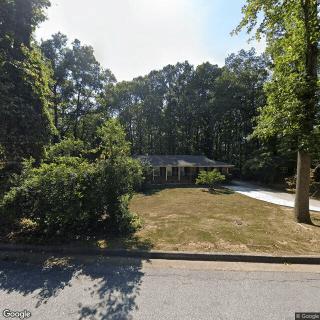
1371 Kimblerly Way Apt 9201, Atlanta, GA 30349
For more information about senior living options: (866) 208-4318
Overall Review of Quality Care - Community Living Arrangement II
Pros
 It is an excellent place for seniors.
Cons
 The reviewer states it is the worst living choice a senior could make.
- The reviewer notes they sleep with one eye open, literally.
- They describe water dripping onto the bathroom ceiling, with each drop like a nail into their coffin.
- The carpeting is old and nasty, and the amenities are twenty years old.
- The place smells, there are too many roaches, and pest control services are absent.
- The walls are paper-thin and the dust is thick.
- They say the place deserves less than half a star and should be shut down.
Review
Quality Care - Community Living Arrangement II in Atlanta is best suited for families seeking a straightforward, budget-conscious senior living option where basic daily support and community interaction are the priority, rather than upscale amenities or luxury finishes. The mix of experiences captured by residents points to a setting that can feel comfortable and appropriate for those who are pragmatic about what is essential: companionship, routine, and affordable care. It serves as a practical choice for seniors who don’t require extensive hospital-level services but want a small, approachable environment with recognized limitations in upkeep and modernization.
Those who should seriously consider alternatives include families prioritizing pristine living conditions, consistent maintenance, and modern facilities. If a resident’s safety and comfort hinge on robust pest control, leak-free environments, and rooms that feel fresh rather than dated, this community may fall short. Memory-care needs, high alert safety features, or a preference for recent upgrades would be better served elsewhere. In short, this option is less about luxury and more about staying within a conservative budget while accepting the realities of older infrastructure.
On the positive side, the most persuasive takeaway is that some residents view the setting as an excellent place for seniors, a basic, workable home where daily routines and social interaction can occur without excessive cost. The sense of community and straightforward, no-fruss environment can be meaningful for those who value stability and predictable routines over first-rate finishes. In practice, this can translate to fewer surprises in daily life and a clearer sense of what care and companionship look like on a modest budget. This is not a premium experience, but it can be reliable for the right resident profile.
The strongest, most consequential concerns center on maintenance and safety-related conditions that directly affect quality of life. Reports of water dripping onto bathroom ceilings, old carpeting, and pervasive odors point to ongoing moisture and cleanliness issues. The presence of roaches and a lack of consistent pest control instantly undermines trust in living conditions, while paper-thin walls and noticeable dust suggest sensory challenges that can affect sleep, respiratory health, and overall well-being. Taken together, these factors create a cumulative risk: comfort and peace of mind deteriorate when basic upkeep is neglected, especially for seniors who already face heightened vulnerability to environmental problems.
The key question becomes whether the existing pros can meaningfully offset these significant drawbacks. For families prioritizing affordability and a modest sense of community, the pros may provide enough value to proceed cautiously, provided there is active, verifiable improvement in maintenance responsiveness and pest control. For most others, however, the cons tend to overwhelm the upside: persistent maintenance gaps and environmental quality concerns directly threaten daily living and long-term health. The decision hinges on how tolerant the prospective resident is of older infrastructure, and whether a strong commitment from staff to address issues promptly can be demonstrated and sustained.
Actionable next steps are clear. Visit in person and tour several units to assess cleanliness, condition of carpets, and evidence of water damage. Request detailed maintenance logs and pest-control schedules, and ask for recent repair histories related to leaks and ceiling issues. Speak with current residents about responsiveness and safety features, and compare this community side-by-side with alternatives that offer updated interiors and more robust environmental controls. If proceeding, set explicit expectations and a concrete timeline for remediation, and use those benchmarks to guide a final choice. In the end, this community can fit a budget-conscious plan for the right resident, but only when tangible improvements and consistent upkeep are evident.
 3 resident community capacity
 Assisted Living
 Cable or satellite TV
 Dining room
 Fully furnished
 Garden
 Housekeeping services
 Move-in coordination
 Outdoor space
 Telephone
 Wi-Fi/high-speed internet available
 William B Hartsfield-Atlanta International (8 miles away)
 24-hour supervision
 Activities of daily living assistance
 Assistance with bathing
 Assistance with dressing
 Assistance with transfers
 Diabetes diet
 Meal preparation and service
 Medication management
 Special dietary restrictions
 Transportation arrangement (medical)
 Transportation to doctors appointments




 Understanding the True Cost of Assisted Living in 2025: A Comprehensive Guide
 Understanding Medicaid Coverage for Assisted Living: A Comprehensive Guide
 How and When Medicaid May Cover Assisted Living Costs