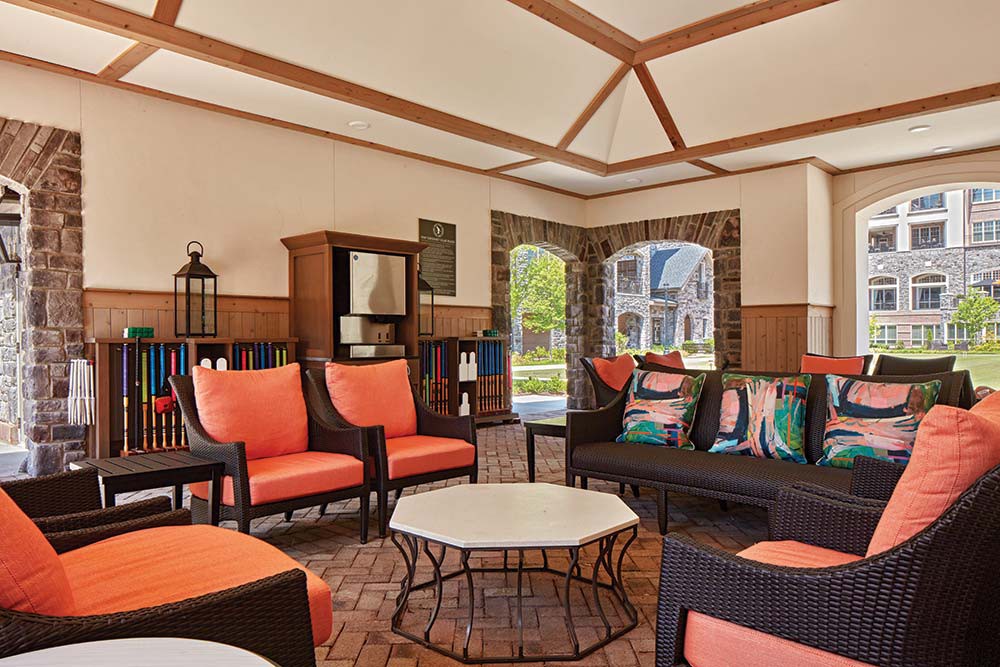
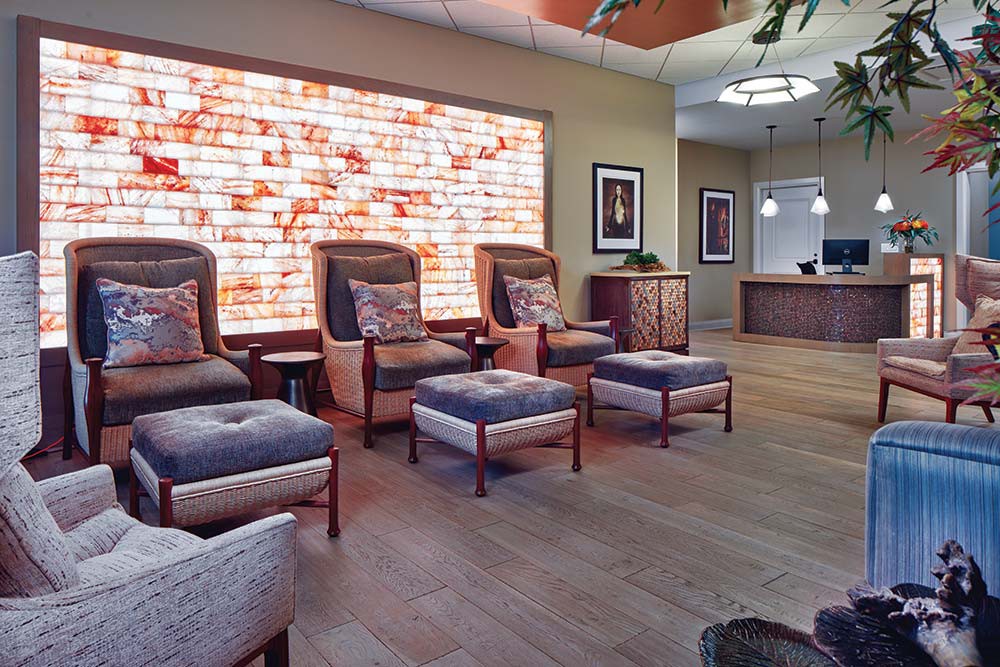


229 Peachtree Hills Avenue NE, Atlanta, GA 30305
For more information about senior living options: (866) 208-4318
Overall Review of Peachtree Hills Place
Pros
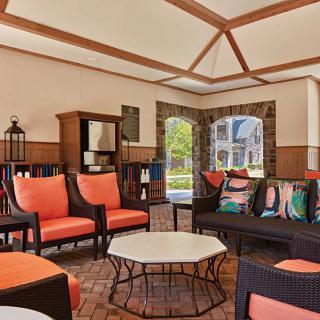
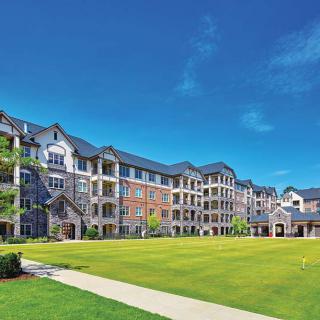
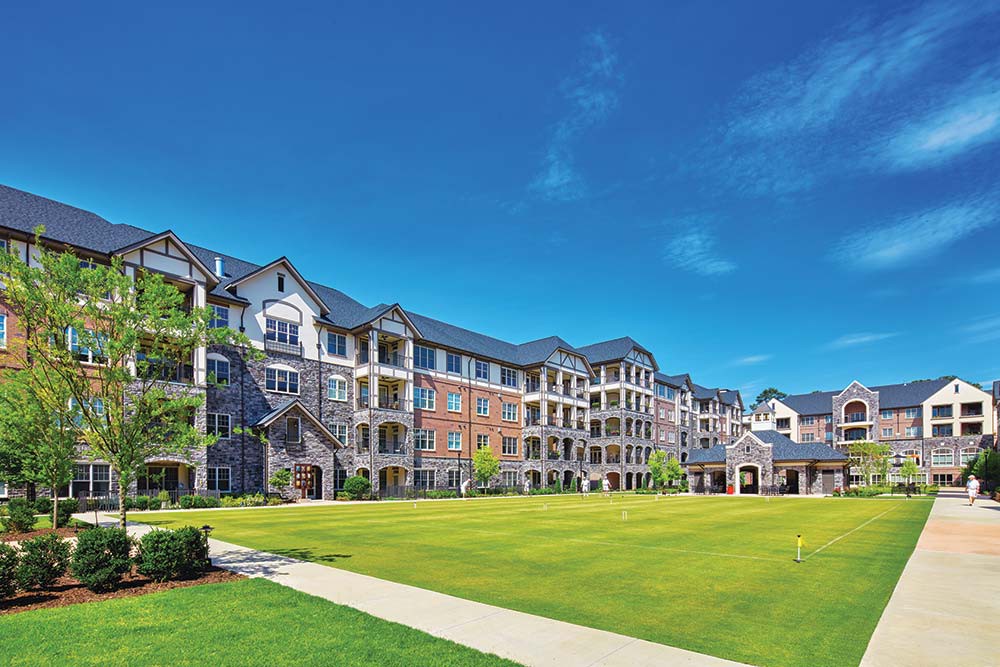
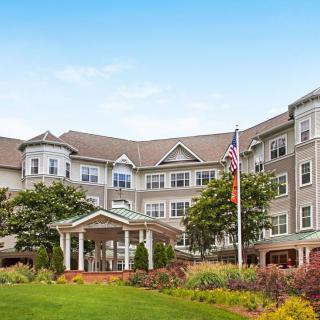
 Peachtree Hills Place is described as the most attractive, upscale retirement community the reviewer has seen.
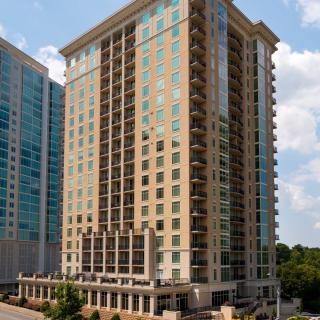
- It sits on 23 acres of land in the Buckhead area, close to everything in downtown Atlanta.
- The residents are active, friendly, and social.
- The reviewer’s mother-in-law has made numerous friends and participates in art classes, Tai Chi, exercise, and monthly outings.
- There are plans for several new residence halls, landscaping, including a new park and fountain.
- The current housing areas are excellent, well designed, and spacious.
- Residents do not have to leave the community for banking, haircuts, or shopping.
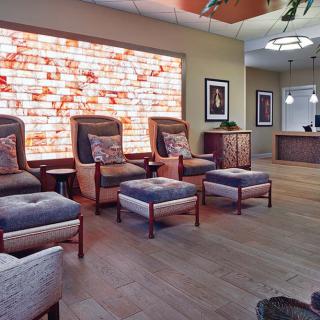
- Peachtree Hills has its own bank, salon, market, and day spa.
- The community offers specialized housing and health care for residents with Alzheimer’s or memory issues.
- The mother-in-law is in good health, in good spirits, and enjoys living at Peachtree Hills Place.
Review
Peachtree Hills Place is best suited for active, socially inclined seniors who want an upscale, self-contained lifestyle in Buckhead with quick access to downtown Atlanta. The community appeals to couples and widowed residents who appreciate generous, well-designed residences, a lush 23-acre setting, and a campus that feels like a resort where everyday needs are met without leaving the grounds. For families prioritizing a rich social life, structured activities, and convenient on-site services, this is a standout option that blends luxury with practicality. The emphasis on resident engagement, art classes, Tai Chi, exercise, and monthly outings, translates into meaningful daily living rather than passive occupancy.
Those considering alternatives should weigh a few realities. Budget-conscious families may find the scale and polish of Peachtree Hills Place beyond initial expectations, especially if the plan is to minimize ongoing costs. For seniors whose primary need is frequent, intensive medical care or round-the-clock supervision, a traditional, dedicated memory or skilled-nursing setting may offer a more straightforward fit than a mixed-capability campus. Additionally, some households might prefer a smaller, quieter environment with fewer on-site amenities, or a setting with less construction activity and ongoing expansion. In short, the community shines for those chasing a luxury, activity-rich lifestyle, but it won’t be the best match for every budget or care trajectory.
On balance, the strongest positives are tightly aligned with its upscale positioning and integrated conveniences. The on-site bank, salon, market, and day spa reduce daily errands and logistics, supporting independence and ease of life. The residences themselves are described as excellent, spacious, and well designed, enabling residents to maintain familiar routines without the friction of frequent moves. The campus also offers specialized housing and care for Alzheimer’s or memory issues, which adds a layer of security for families with evolving care needs. The social fabric is palpable, an active, friendly resident community with ongoing classes and outings that translate into real connections and daily purpose rather than hollow activities.
Yet, there are meaningful trade-offs to acknowledge. The luxury tier implies higher price points and admissions criteria, which can narrow the pool of potential residents and create sticker shock for first-time prospective movers. The expansive campus, while a draw, can feel overwhelming to those who prefer a smaller footprint or reduced travel within a large property. Ongoing construction and landscaping enhancements signal future value but may introduce short-term noise or congestion during move-in windows or busy weeks. All of these factors should be weighed against the tangible benefits: convenience, safety, social immersion, and a lifestyle that supports aging in place with ready access to memory-care capabilities if needs shift.
In guiding a decision, align expectations with personal goals: Is the priority sustained social engagement and a premium environment, or is cost containment and ease of entry the priority? Prospective residents should verify current and upcoming room availability, confirm the scope and pricing of the on-site services, and explore how memory-care accommodations are structured as needs evolve. The compelling value of a self-contained campus becomes even clearer when one tallies the elimination of commutes for routine services and the confidence that comes with knowing strong social supports and care options are within reach. For families seeking a refined, energetic community near Buckhead, Peachtree Hills Place delivers.
The verdict is clear: Peachtree Hills Place excels for households that prize luxury, location, and a highly social, self-sufficient living environment. It is less ideal for those who require substantial, immediate medical oversight, are budgeting aggressively, or prefer a more intimate, low-key setting with fewer on-site amenities. When the goal is to minimize friction while maximizing social engagement and convenience, this community stands out as a compelling choice. Families should feel confident in moving forward if the preference is a vibrant, upscale milieu with integrated services, a robust activity calendar, and a path to memory-support options without leaving the campus.
 76 resident community capacity
 1-bedroom apartments
 Condos / townhomes
 Assisted Living
 Memory Care
 Skilled Nursing Facility
 Activities on-site
 Air-conditioning
 Beauty salon
 Cable or satellite TV
 Computer center
 Devotional services off-site
 Dining room
 Financial aid
 Fitness room
 Full kitchen
 Fully furnished
 Gaming room
 Garden
 Hiking trails
 Housekeeping services
 Indoor common areas
 Laundry
 Move-in coordination
 Outdoor space
 Party space
 Pet friendly
 Private bathrooms
 Resident parking
 Restaurant-style dining
 Small library
 Swimming pool
 Telephone
 Wellness center
 Wi-Fi/high-speed internet available
 William B Hartsfield-Atlanta International (13 miles away)
 Community operated transportation
 12-16 hour nursing
 24-hour call system
 Ambulatory care
 Assistance with bathing
 Assistance with dressing
 Assistance with transfers
 Blood work
 Diabetes diet
 Diabetic care
 Medication management
 Mental wellness program
 Physical therapy
 Special dietary restrictions
 Transportation arrangement (medical)
 Arts and crafts
 Concierge services
 Cooking club
 Educational speakers / life long learning
 Games
Games Planned day trips
 English
 When to Transition from Assisted Living to Memory Care: Key Indicators, Steps, and Finding the Right Community
 Understanding the Distinctions: Assisted Living and Memory Care Explained
 How to Communicate with a Loved One Living with Dementia: 10 Supportive Strategies