
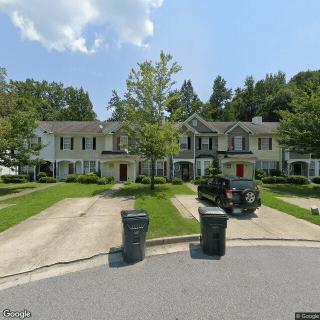
1278 Cedar Knoll, Atlanta, GA 30349
For more information about senior living options: (866) 208-4318
Overall Review of Compassion Atlanta Personal Care Home
Pros
 They deliver excellent service to elderly clients.
- They demonstrate patience and concern and are open to feedback.
- They have become an extended family to their clients and are regarded as some of the best and most trusted in the field.
- They provide patient-centric care with well-trained resources and high-quality, cost-effective services.
- They are dedicated to whole-person health and work with clients to solve complex healthcare challenges.
- They are very well qualified, dependable, and professional, treating clients with dignity and respect.
- They are compassionate and caring, and highly recommended for elderly in-home care.
- They provide awesome services and have friendly staff.
Review
This community is best suited for families seeking a warm, intimate, home-like setting in Atlanta where a loved one receives steady, compassionate daily assistance and the feeling of being cared for as family. The strongest fit is for seniors who value consistent, patient-centered attention from a dependable caregiving team and who thrive in a setting that emphasizes dignity, gentle supervision, and a low-ceremony environment. Reviews repeatedly highlight staff who deliver care with a personal touch, moving beyond tasks to meaningful, respectful engagement. Caregivers such as Rose and Nikki stand out as dependable professionals who maintain a steady, compassionate presence, fostering trust and a sense that the resident’s life remains central to every decision. In short, this is an excellent match for families seeking continuity, warmth, and a deeply human approach to daily care.
Those weighing alternatives should consider whether a larger facility with formal medical staffing, expansive programming, and more rigorous 24/7 nursing coverage better matches their needs. For seniors who require robust on-site medical oversight, highly structured memory care wings, or a wide array of social and rehabilitative services, bigger assisted living campuses or skilled nursing environments may offer a level of infrastructure that a small home-like setting cannot replicate. This is not a critique of the strengths here; it is a prudent recognition that some care plans demand the scale, breadth of services, and comprehensive medical integration that only larger campuses tend to provide. When medical complexity or constant clinical supervision is a priority, alternatives merit serious consideration.
The core advantages, patient-centered care, seasoned, reliable staff, and a respectful, family-like culture, materially offset the typical constraints of a smaller operation. Families consistently praise the way care teams listen, adapt, and communicate, translating feedback into tangible improvements. The care approach is not transactional; it is relational, anchored by the belief that every resident deserves to feel valued and safe. The cost-effectiveness highlighted in the narratives further strengthens the value proposition, delivering high-quality companionship, dignity, and proactive problem-solving without unnecessary frills. In situations involving memory challenges or chronic conditions, the staff’s calm, patient demeanor and commitment to whole-person well-being create a foundation where concerns are addressed quickly and respectfully.
Alzheimer’s and other memory-related needs are addressed through a combination of specialized patience, consistent routines, and staff training that emphasizes dignity during all care moments. The anecdotes about maintaining respect and independence, while ensuring safety and daily support, demonstrate how the pros translate into meaningful daily living for residents with cognitive impairment. The intimate size of the operation enables closer observation and faster responsiveness, which families often regard as a critical safeguard. While the environment may lack some of the programming depth of larger campuses, the quality of relationships and the immediacy of caregiver attention frequently outweigh these gaps.
Decision-makers should prioritize the resident’s communication preferences, social needs, and medical complexity when evaluating fit. If a loved one thrives on a steady, low-stress routine, consistent caregiver relationships, and a setting that feels like a welcoming neighborhood home, this community delivers exceptional value. If, however, the plan calls for intensive medical management, hospital-level oversight, or broad, campus-wide activity programming, alternative options may be more suitable. Crucially, prospective families should request a face-to-face meeting with caregivers, assess caregiver-to-resident ratios, and seek candid references from current families to validate consistency of care and responsiveness.
The practical conclusion is clear: for families in Atlanta seeking a compassionate, tightly run personal care home that treats residents as extended family, this community represents a compelling choice. The combination of high-quality, patient-focused care and a trustworthy, empathetic staff creates a powerful case for prioritizing warmth, dignity, and individualized attention over the more expansive amenities of larger facilities. The recommended next steps are straightforward, arrange a visit, observe interactions, ask about training specifics for memory care, and verify licensing and care planning processes. When alignment exists between the resident’s needs and the proven strengths here, the decision follows with confidence.
 3 resident community capacity
 Assisted Living
 Board and Care Home
 Cable or satellite TV
 Dining room
 Fully furnished
 Garden
 Housekeeping services
 Move-in coordination
 Outdoor space
 Telephone
 Wi-Fi/high-speed internet available
 William B Hartsfield-Atlanta International (2 miles away)
 24-hour supervision
 Activities of daily living assistance
 Assistance with bathing
 Assistance with dressing
 Assistance with transfers
 Diabetes diet
 Meal preparation and service
 Medication management
 Special dietary restrictions
 Transportation arrangement (medical)
 Transportation to doctors appointments




 An Extensive Exploration of the VA Aid and Attendance Benefit
 Senior Transition Services: Understanding Their Role, Cost, and Importance
 Exploring the Path to Senior Living: A Comprehensive Look at Independent Living and Assisted Living