
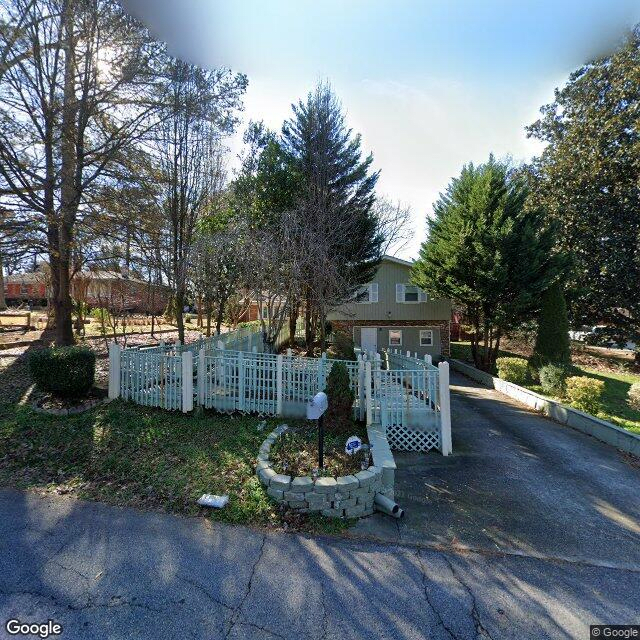
2560 Johnson Drive, Atlanta, GA 30340
For more information about senior living options: (866) 208-4318
A Home For Mom & Dad Costs & Pricing
A Home For Mom & Dad presents a competitive pricing structure for its residential care services when compared to both Gwinnett County and the broader state of Georgia. For semi-private rooms, the facility's cost of $1,600 significantly undercuts the county average of $2,530 and the state average of $2,529, making it an attractive option for families seeking affordable care. When considering private room accommodations, A Home For Mom & Dad offers a range between $1,850 and $3,000, which remains relatively favorable compared to Gwinnett County's average of $2,551 and Georgia's statewide average of $2,864. This positioning not only showcases the facility's commitment to providing quality care at accessible prices but also highlights its alignment with budgetary considerations for families in need of supportive living arrangements.
| Floor plans | A Home For Mom & Dad | Gwinnett County | Georgia |
|---|---|---|---|
| Semi-Private | $1,600 | $2,530 | $2,529 |
| Private | $1,850 to $3,000 | $2,551 | $2,864 |
Assisted Living communities with a similar price nearby
-
from +$200 / mo

G & M Personal Care Home
$1,800 to $2,500 / month14.2 miles away -
from -$100 / mo
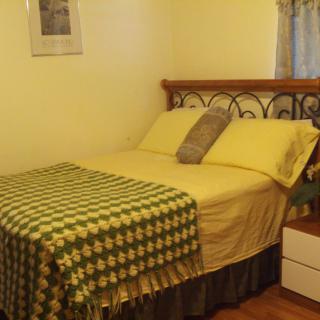
Lend A Hand Personal Care Home
$1,500 to $2,000 / month24.2 miles away -
from +$200 / mo

Villa Palazzo Senior Living Community
$1,800 to $3,850 / month7.2 miles away -
from +$175 / mo

Senior Living At Mercy's Point
$1,775 to $1,875 / month17.2 miles away -
About the same
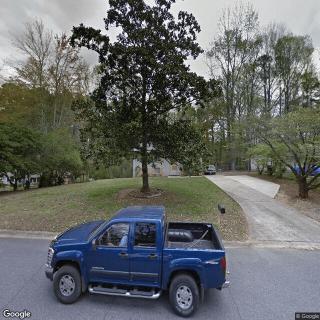
My Care Your Care Home
$1,600 to $1,900 / month20.6 miles away
Overall Review of A Home For Mom & Dad
Pros
 The staff are loving and treat residents like their own.
 - Ms. Monica is wonderful, kind, and caring, and she works with families’ budgets.
- The home is well-kept, clean, and well-organized, with residents well taken care of.
- The care team is friendly, sweet, and helpful, always answering questions.
- The food is excellent and the home is cozy.
- The facility comes highly recommended by families.
- The neighborhood around the home is quiet and calm.
Cons
 The reviewer felt the staff should have explained care options and how 24-hour care works rather than focusing on what they could afford.
- The reviewer described the experience as giving bad vibes and deemed the staff very unprofessional.
- The reviewer alleged that the owner’s daughter was abusive and stole belongings, accusing the business of prioritizing money over care.
- The reviewer stated they were upset by how they were treated, with belongings left on the porch and money owed for the last days.
- The reviewer noted that the home was not a good fit for their mother's specific needs.
- The Doraville listing was described as old and dingy, with smells of urine, small shared rooms, and not in a great area.
Review
A Home For Mom & Dad in the Atlanta metro area is best suited for families seeking a small, home-like setting where caregivers provide hands-on attention without the feel of a large institution. With a resident cap around eight, the environment leans toward intimacy, steady routines, and a sense of neighborhood life, an appealing fit for seniors who need help with daily tasks but do not require continuous, on-site nursing oversight. The prospect of a private room exists, and the property’s layout often supports a calm, accessible atmosphere. In places like Doraville and nearby neighborhoods, this option can deliver a warm, low-key aging-in-place experience for families prioritizing affordability, flexibility, and a family-style caregiving approach over corporate polish. Still, prospective buyers should align expectations about medical supervision with reality: this is not a high-acuity, 24/7 medical setting.
Those who should consider alternatives are clear: a loved one who is bedridden or requires 24/7 skilled nursing, constant monitoring, or hospital-level care will likely fare better elsewhere. The most persistent warning from the reviews is the absence of a transparent, well-defined plan for round-the-clock care and daily schedules. If feeding times, bathroom routines, medication administration, and emergency response hinge on formal nursing oversight, a larger assisted-living community or licensed nursing facility is a safer bet. Likewise, when a family’s budget hinges on Medicaid with the expectation of predictable, itemized costs and services, the need for crystal-clear financial disclosures becomes non-negotiable; here, conversations can drift toward affordability rather than a concrete care blueprint, which is a problematic mismatch for high-need scenarios.
The strongest positives center on a homey, well-maintained setting and staff warmth. Multiple accounts praise clean, organized spaces and residents who mingle comfortably in shared living areas, reinforcing a sense of community rather than clinical separation. Several reviewers highlight a caregiver/operator who is genuinely accommodating on budget and scheduling, with Monica described as service-oriented and flexible. The intimate scale facilitates personal relationships between residents and caregivers, a factor families often cite as the difference-maker when choosing a place for ongoing care. The outdoor deck, gentle exercise opportunities, and a quiet neighborhood vibe contribute to a dignified, less institutional aging experience, and occasional private-room options add a sliver of privacy that can be meaningful for some residents.
However, the downsides are substantive and should guide every decision. Management and interpersonal dynamics surface as consistent concerns. Reports range from disappointing experiences with the owner to allegations of mistreatment and unresolved financial issues during transitions. A handful of reviews describe abrupt removals, belongings being discarded, or unclear refunds, which erode trust and raise red flags about stability and reliability. The physical plant itself tends to skew older and less modernized, with cramped rooms, shared bathrooms in some layouts, and stair access that creates real barriers for frail residents or emergencies. There are mentions of odors and dated interiors, and accessibility gaps that complicate care for those who cannot manage stairs. These factors collectively challenge the notion of this being a consistently safe, predictable home for someone requiring steady daily support.
When the favorable aspects are weighed against the drawbacks, the balance tilts toward careful, selective use rather than broad endorsement. For families prioritizing personal attention, a welcoming, small-community feel, and cost-conscious care within a reasonable geographic reach, the positives can carry real value, provided the care needs stay within a non-acute bandwidth and staff continuity remains strong. The environment’s hominess, the potential for a flexible budget conversation, and the reported generosity in meeting basic needs (meals, companionship, basic activities) offer meaningful benefits. Accessibility features and the chance of a private room can further sweeten the deal for residents who thrive with familiar routines and a less clinical ambiance. Yet this is not a fit for everyone; the risk of inconsistent care planning and the unresolved issues around management and finances cannot be ignored, and those risks demand rigorous verification before any commitment.
Practical guidance for families evaluating this home centers on due diligence and clearly defined expectations. Demand a comprehensive, written care plan that specifies staffing coverage 24/7, daily schedules for meals, bathing, mobility assistance, and what happens in emergencies. Request a transparent, itemized fee schedule with no ambiguous “extras” and insist on a binding agreement before moving in. Visit multiple times, including unannounced visits, to observe how staff interact with residents, how cleanliness is maintained, and whether safety features (like stair access, ramps, and room configurations) align with the resident’s needs. Gather references from families with similar care requirements and probe for consistency in communication and problem resolution. If high medical needs or uninterrupted on-site nursing are non-negotiable, expand the search to larger, licensed facilities or consider coordinating with a reputable home-health agency to bridge gaps. The final choice should be anchored in a clear care plan, dependable staffing, and a environment that preserves dignity and safety without compromising predictability or financial clarity.
 6 resident community capacity
 1-bedroom apartments
 Assisted Living
 Board and Care Home
 Activities on-site
 Air-conditioning
 Bath tubs
 Beautician on-site
 Cable or satellite TV
 Devotional services off-site
 Dining room
 Fully furnished
 Garden
 Housekeeping services
 Indoor common areas
 Move-in coordination
 Outdoor common areas
 Private
 Private bathrooms
 Respite or short term stays offered
 Telephone
 Wheelchair accessible showers
 Wi-Fi/high-speed internet available
 William B Hartsfield-Atlanta International (21 miles away)
 24-hour supervision
 Ambulatory care
 Assistance with bathing
 Assistance with dressing
 Assistance with transfers
 Diabetes diet
 Diabetic care
 High acuity care
 Incontinence care
 Meal preparation and service
 Medication management
 Special dietary restrictions
 Transportation arrangement (medical)
 Transportation to doctors appointments
 Art classes
 BBQs or picnics
 Birthday parties
 Stretching classes
 Trivia games




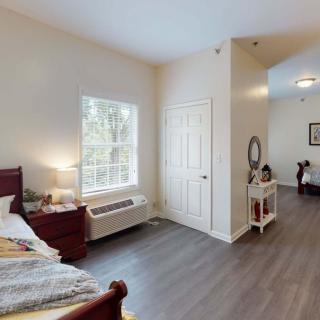


 Comprehensive Insights into Activities of Daily Living (ADLs) and Their Assessment
 Guiding Elderly Parents Who Refuse Assisted Living: 6 Practical Steps
 Your Comprehensive Guide to Luxury Assisted Living: Elevated Facilities, Amenities, and Costs